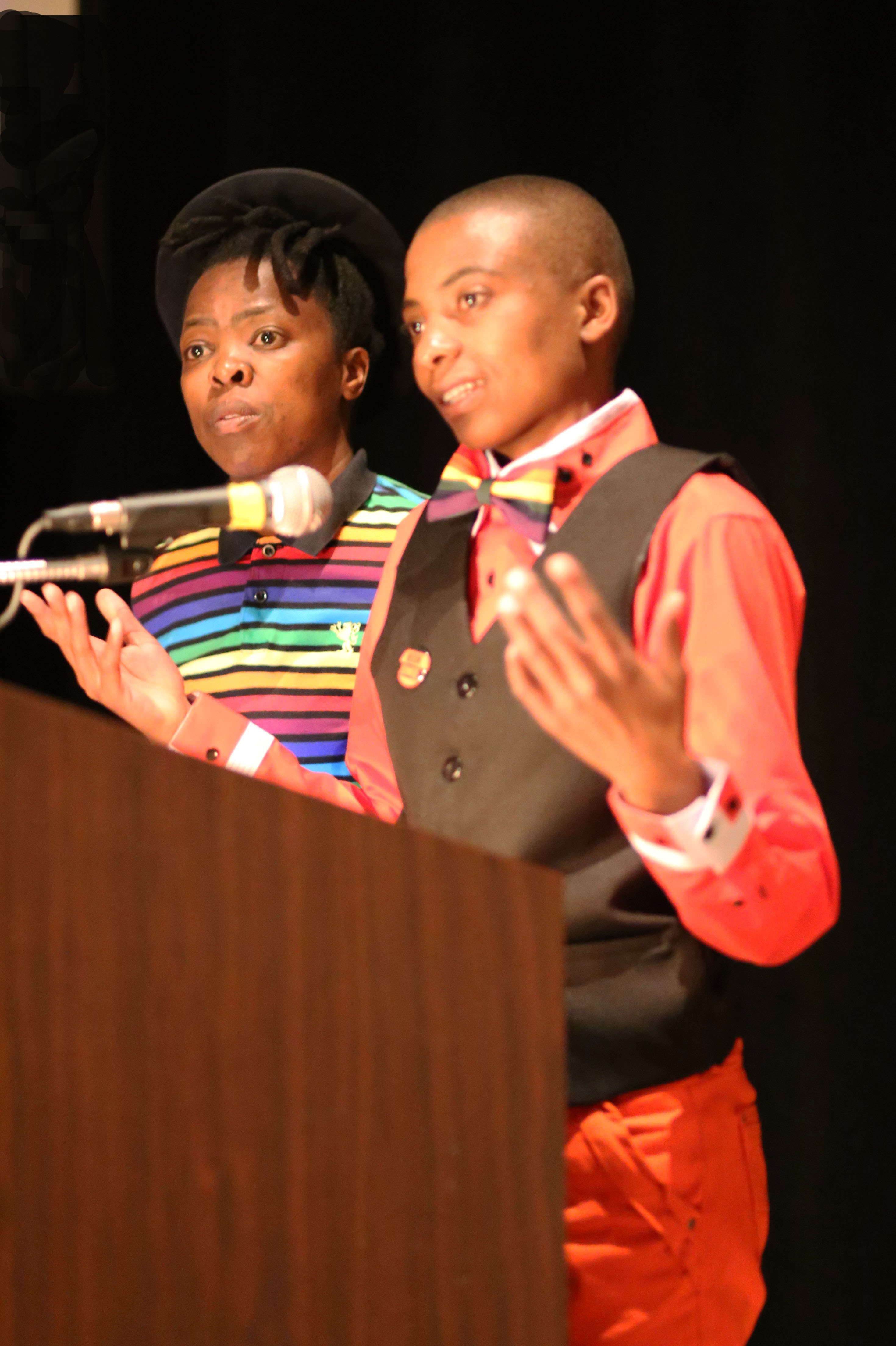
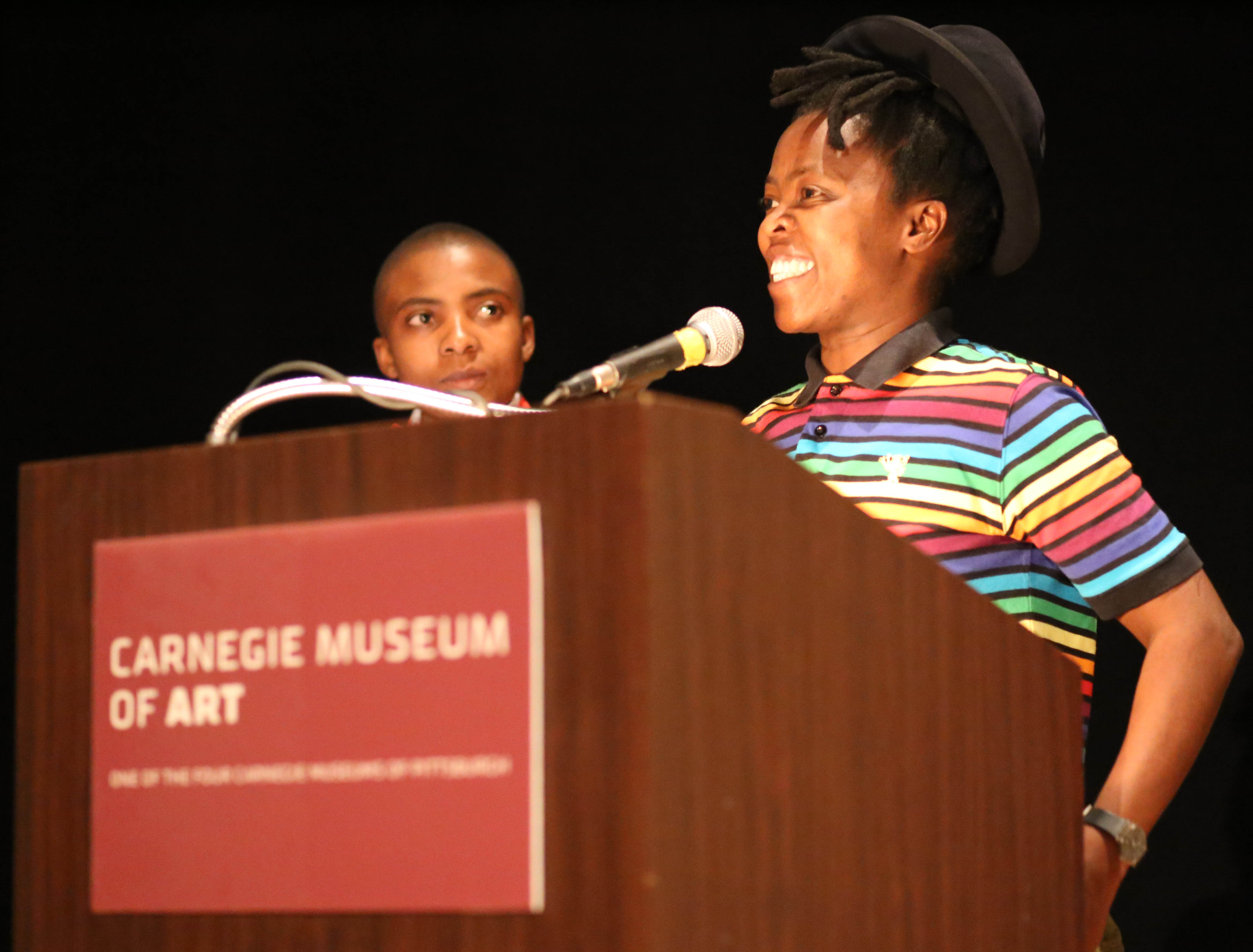
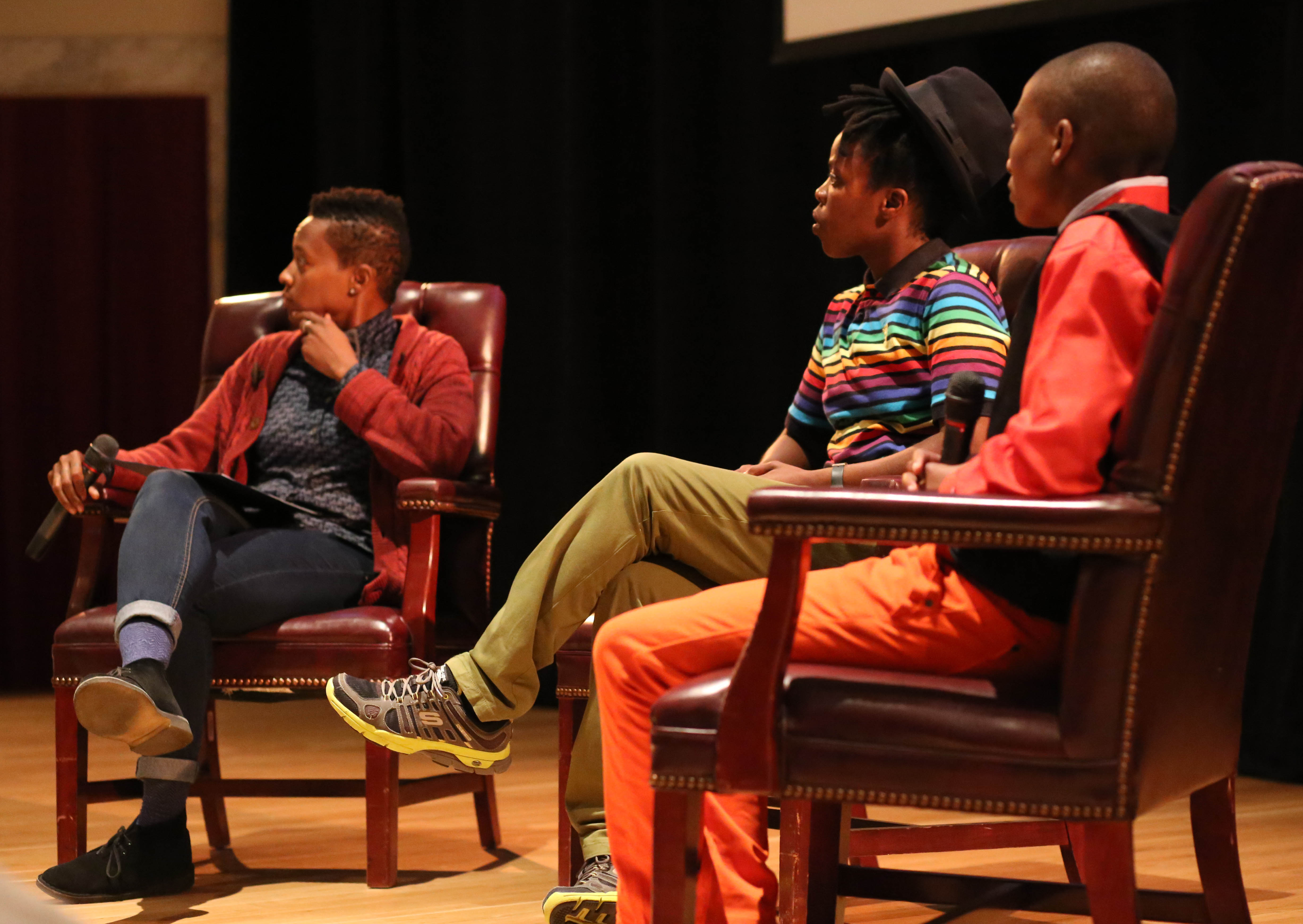
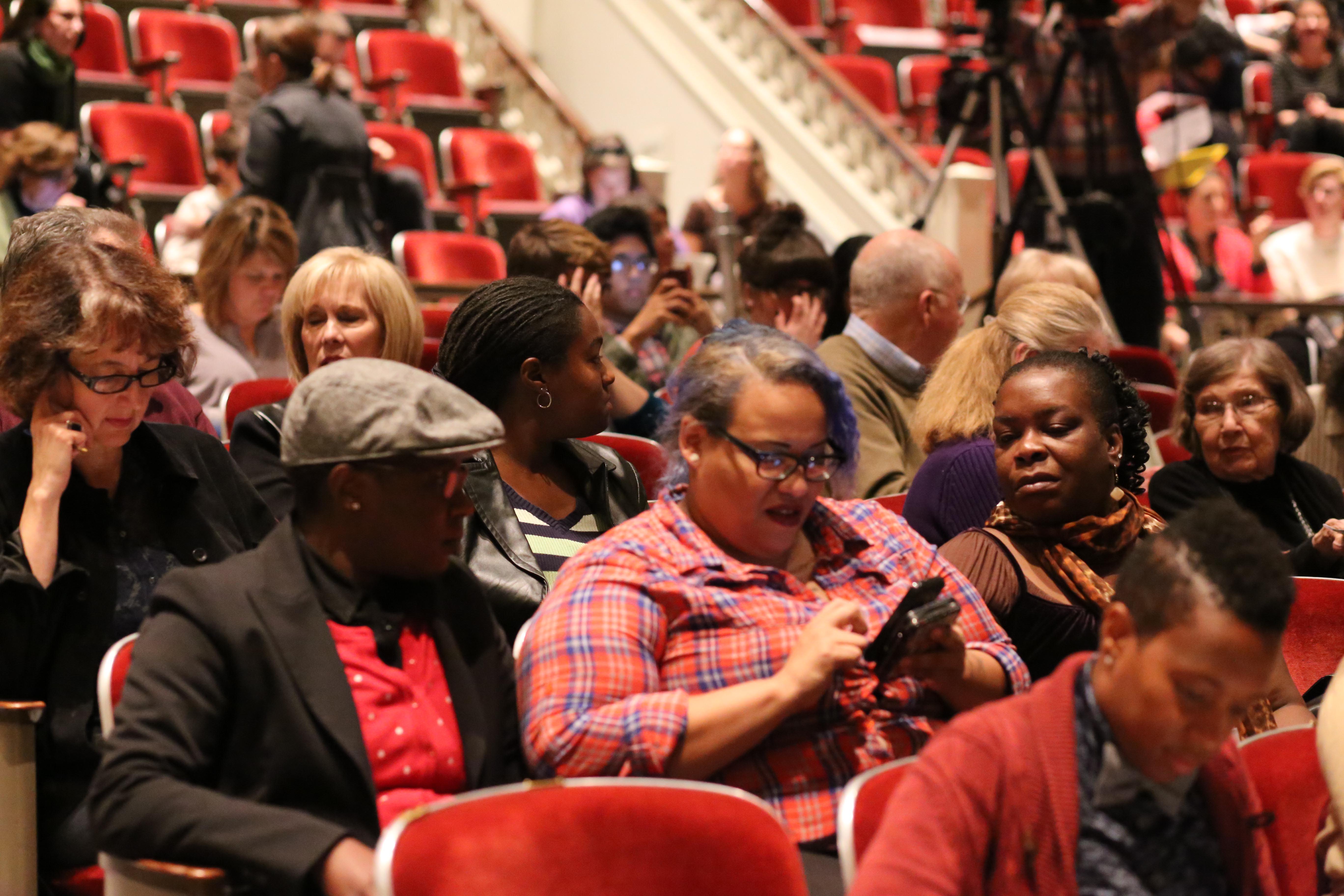
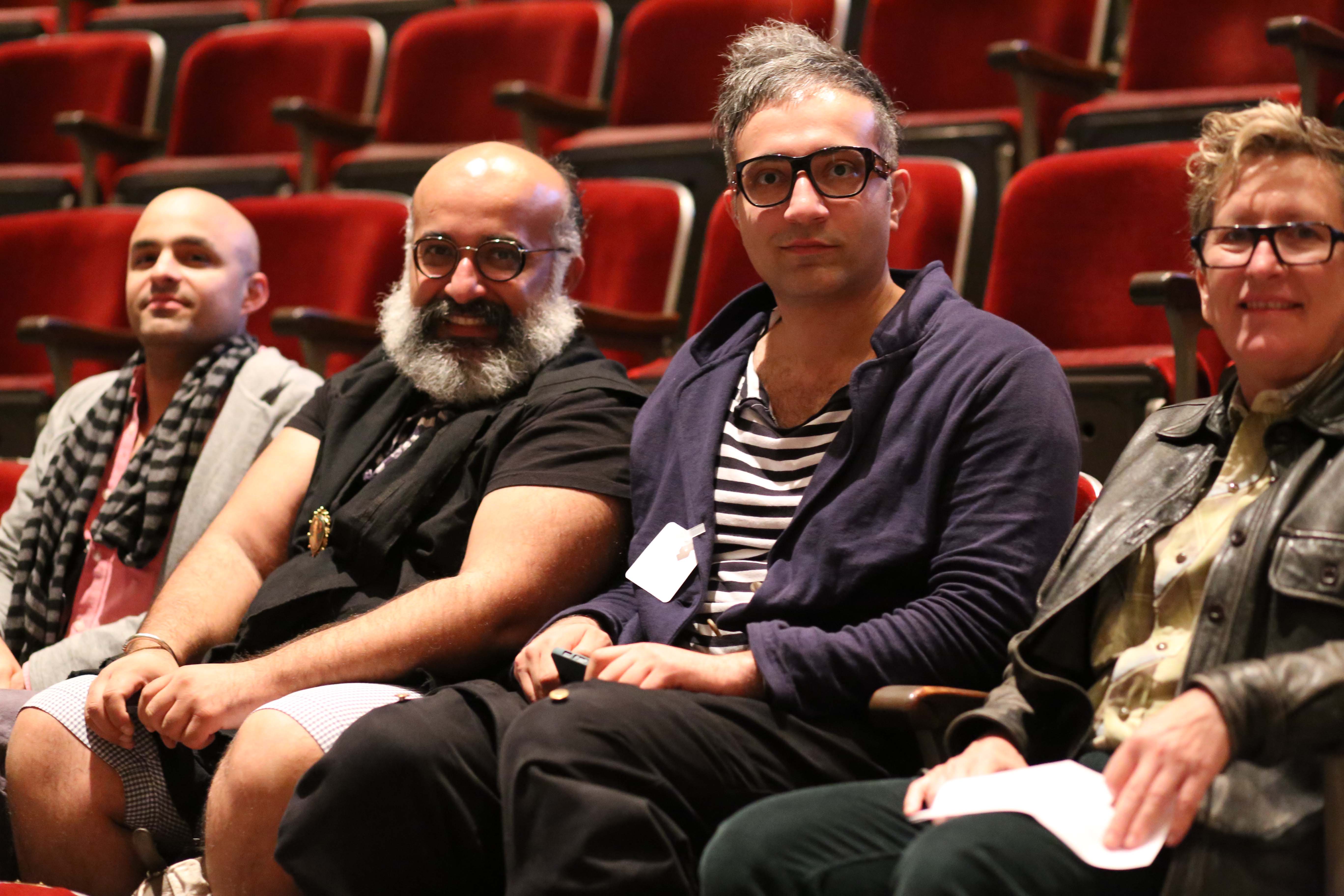
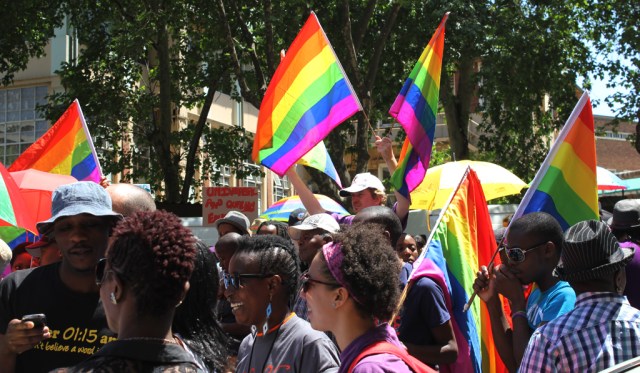
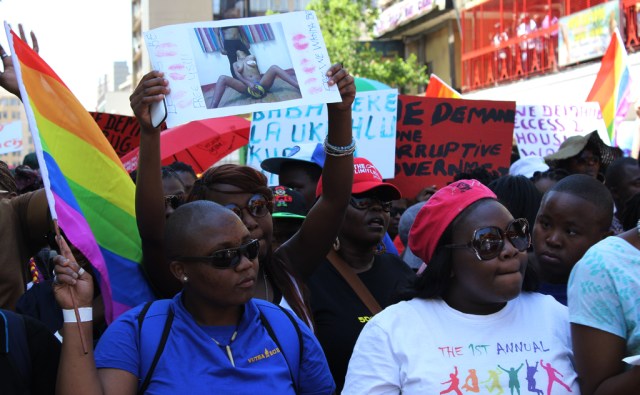
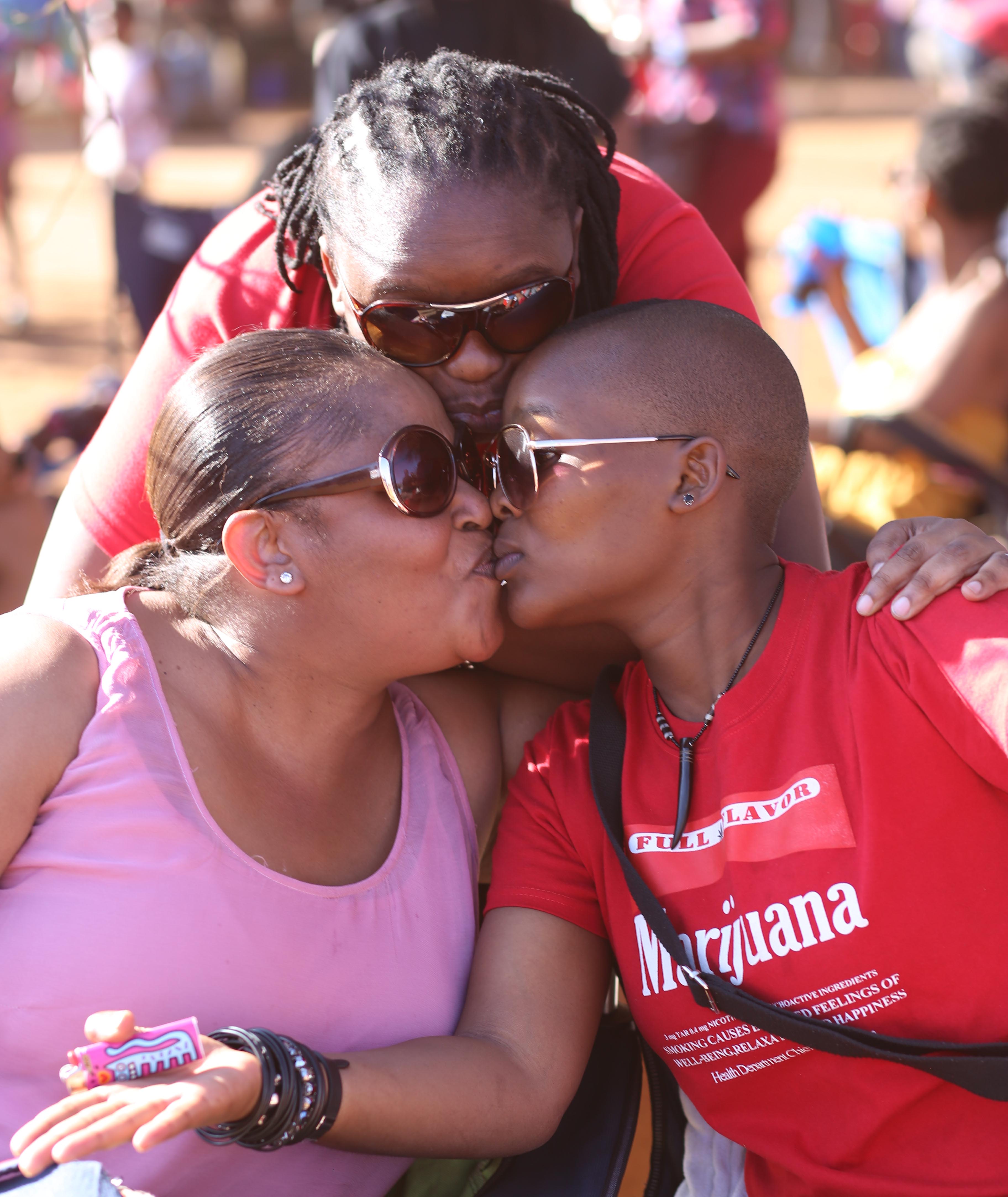
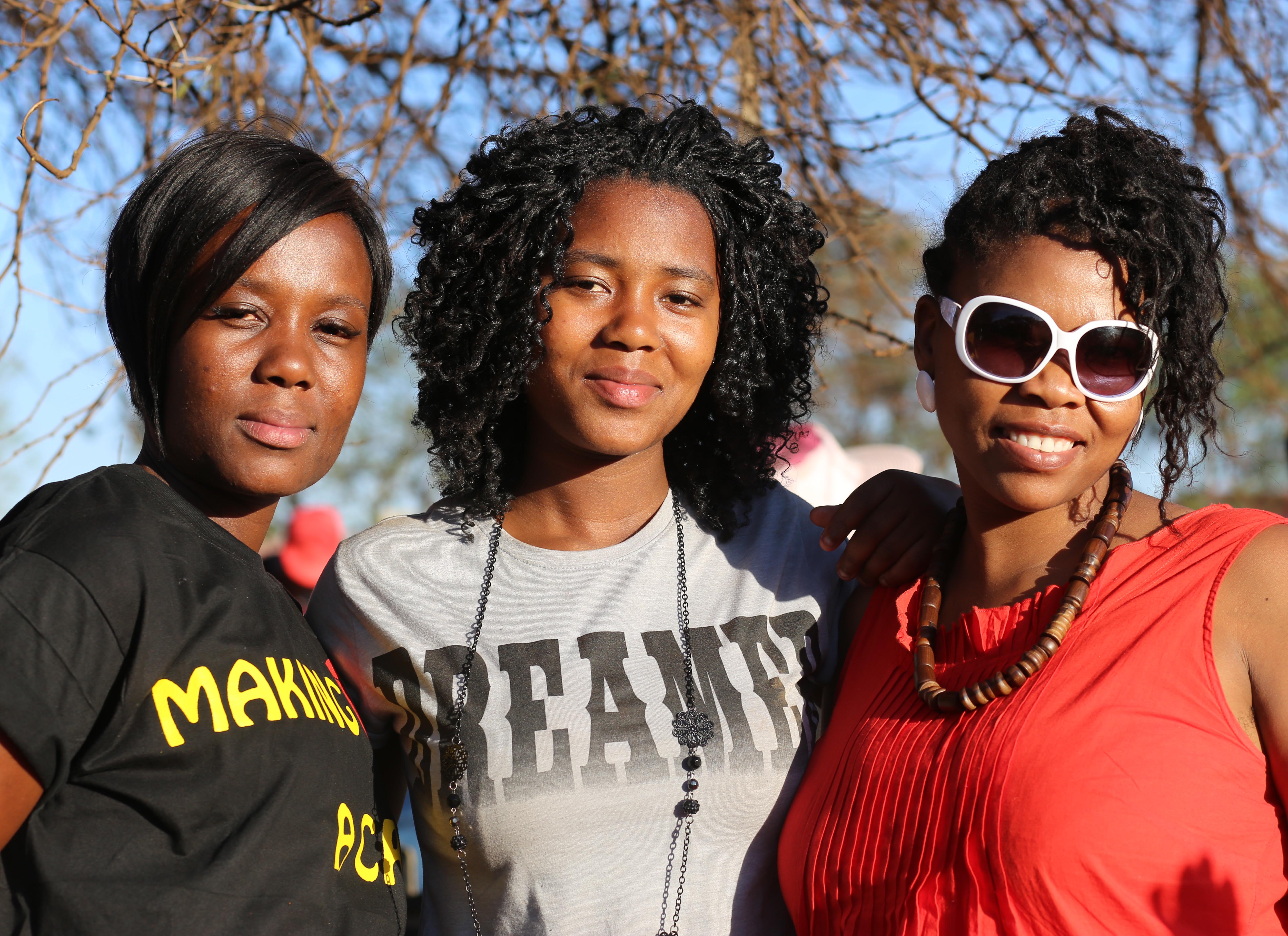
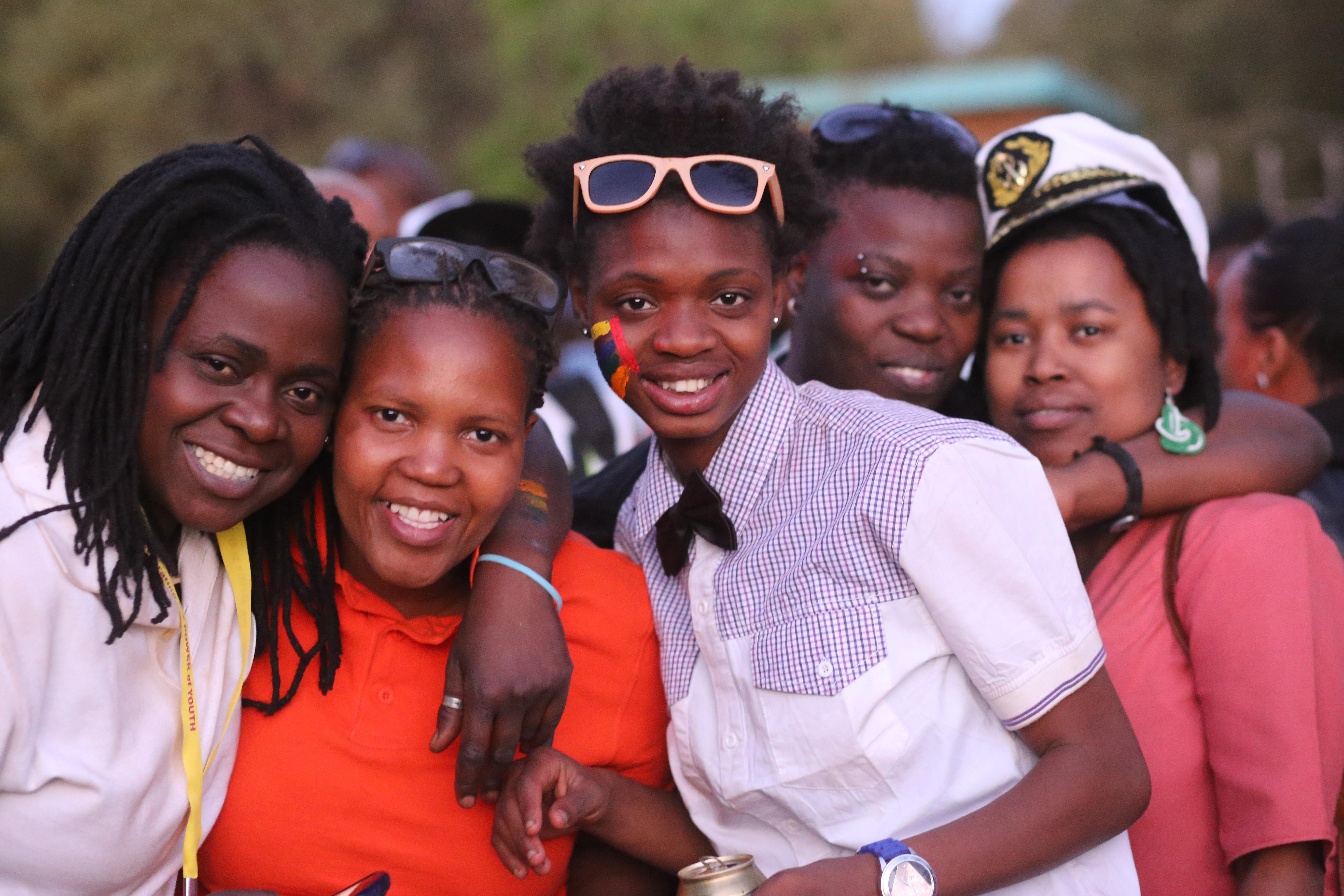
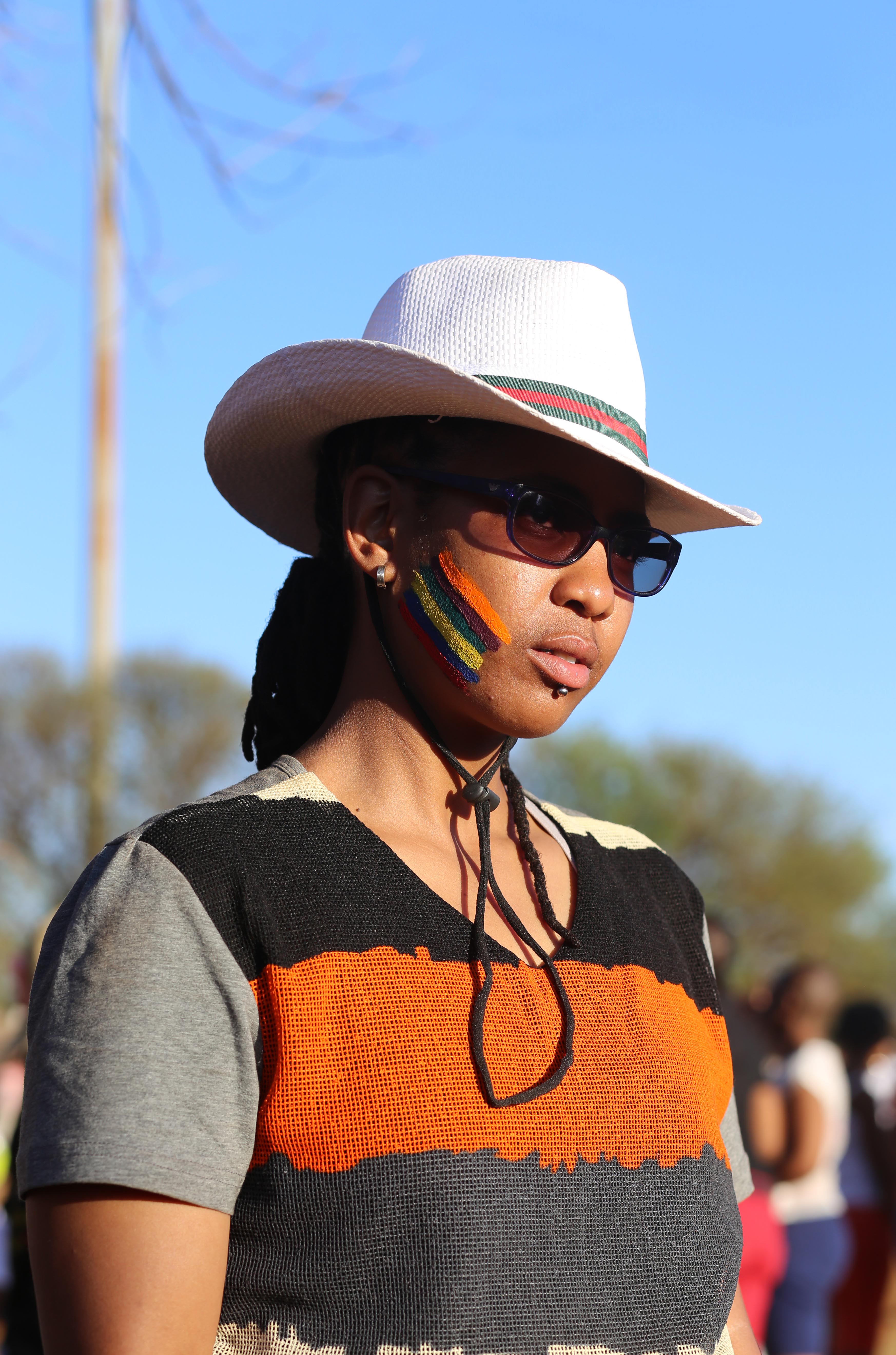
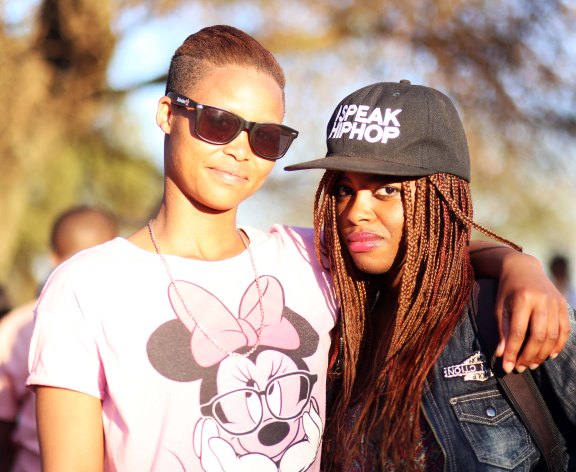
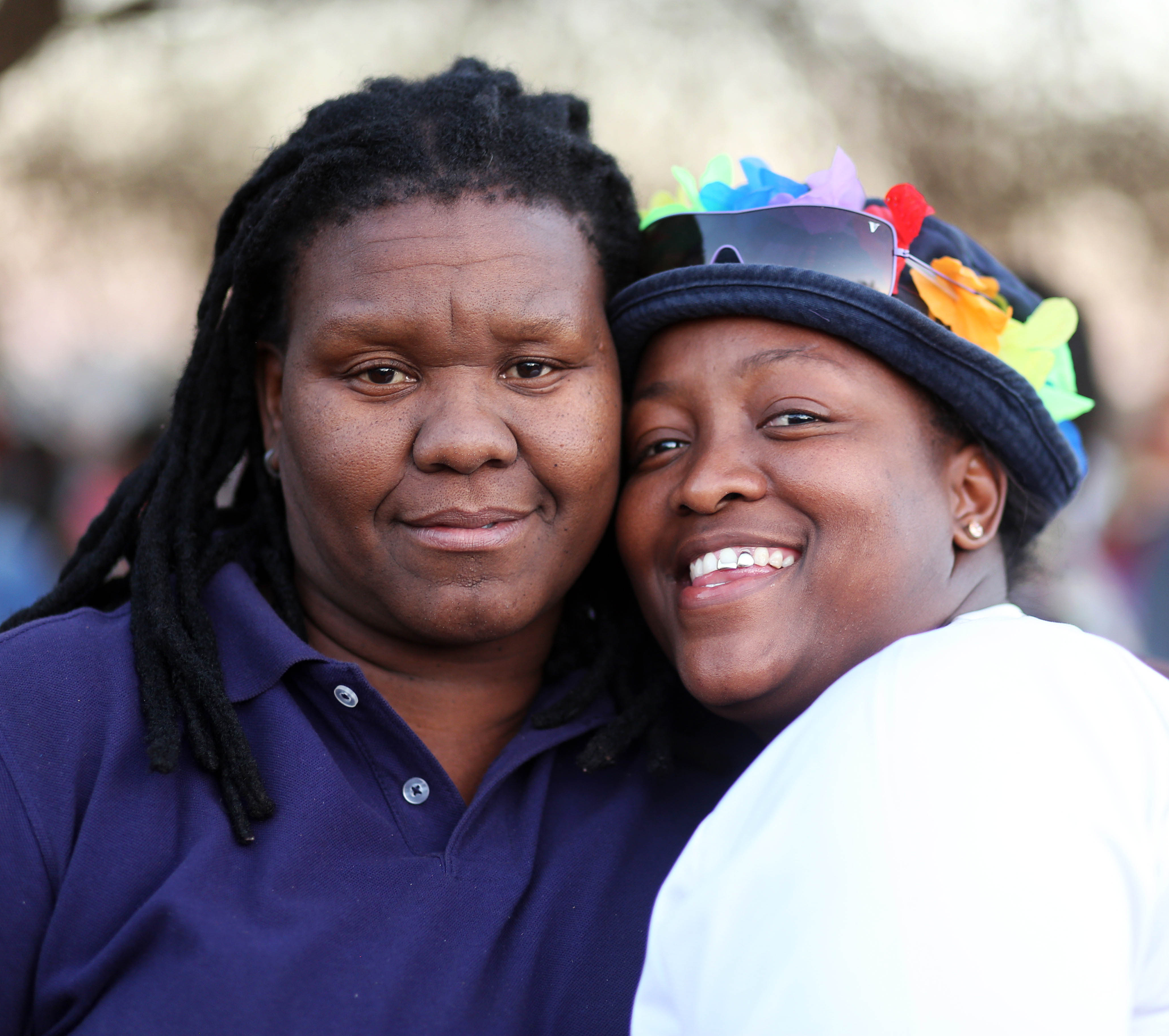
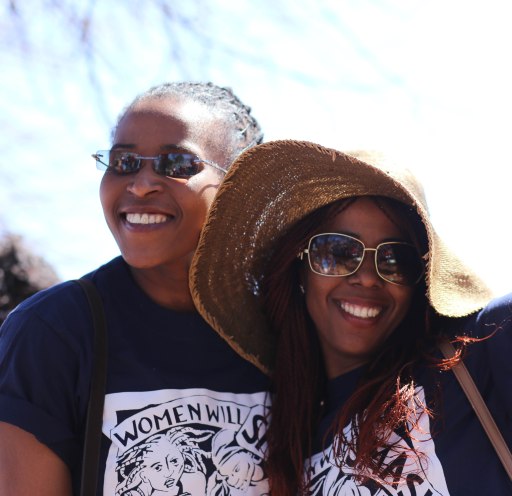
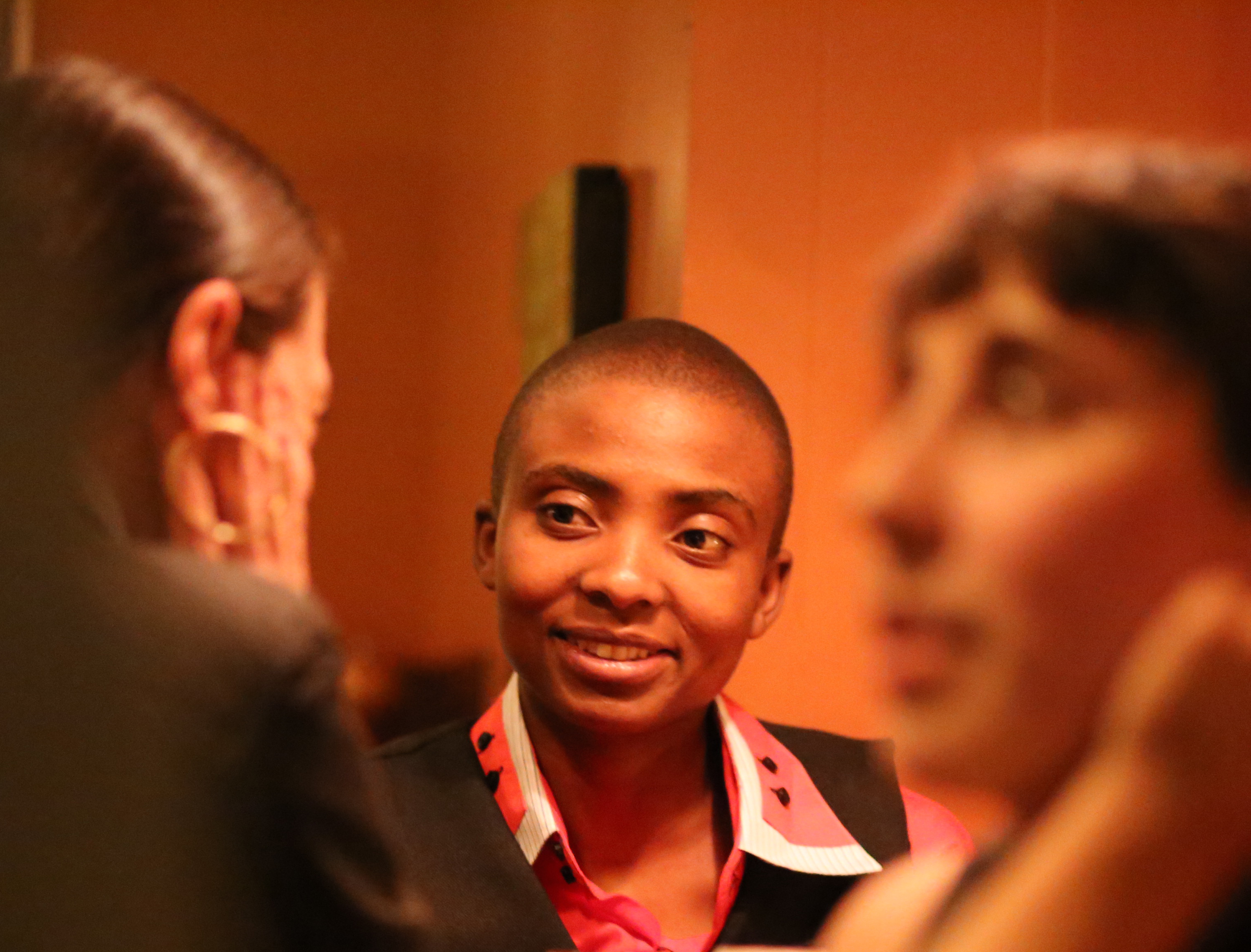
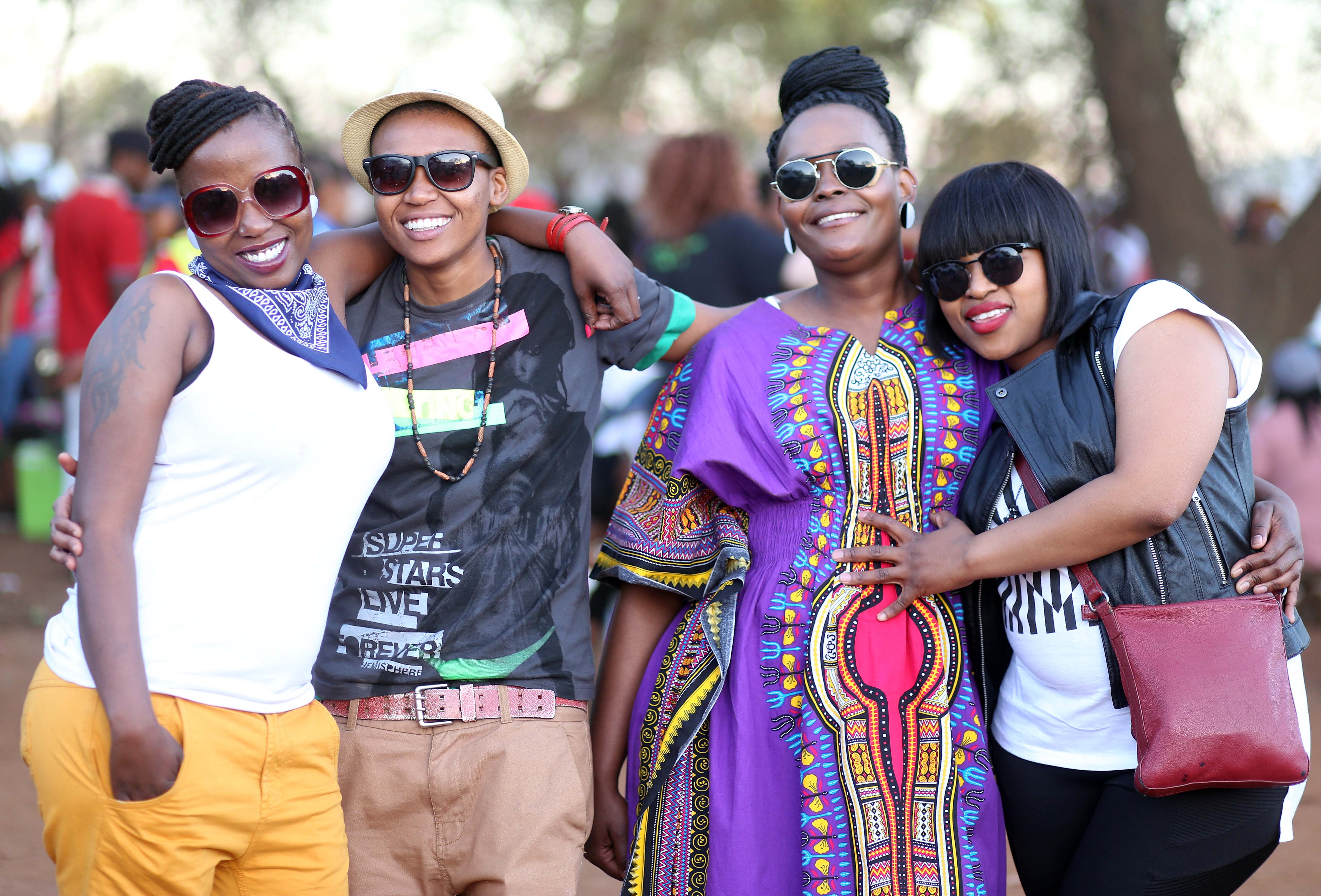
2013 Oct. 10: The Artivist Talk visuals

2013 Oct. 10:  The Artivist Talk visuals

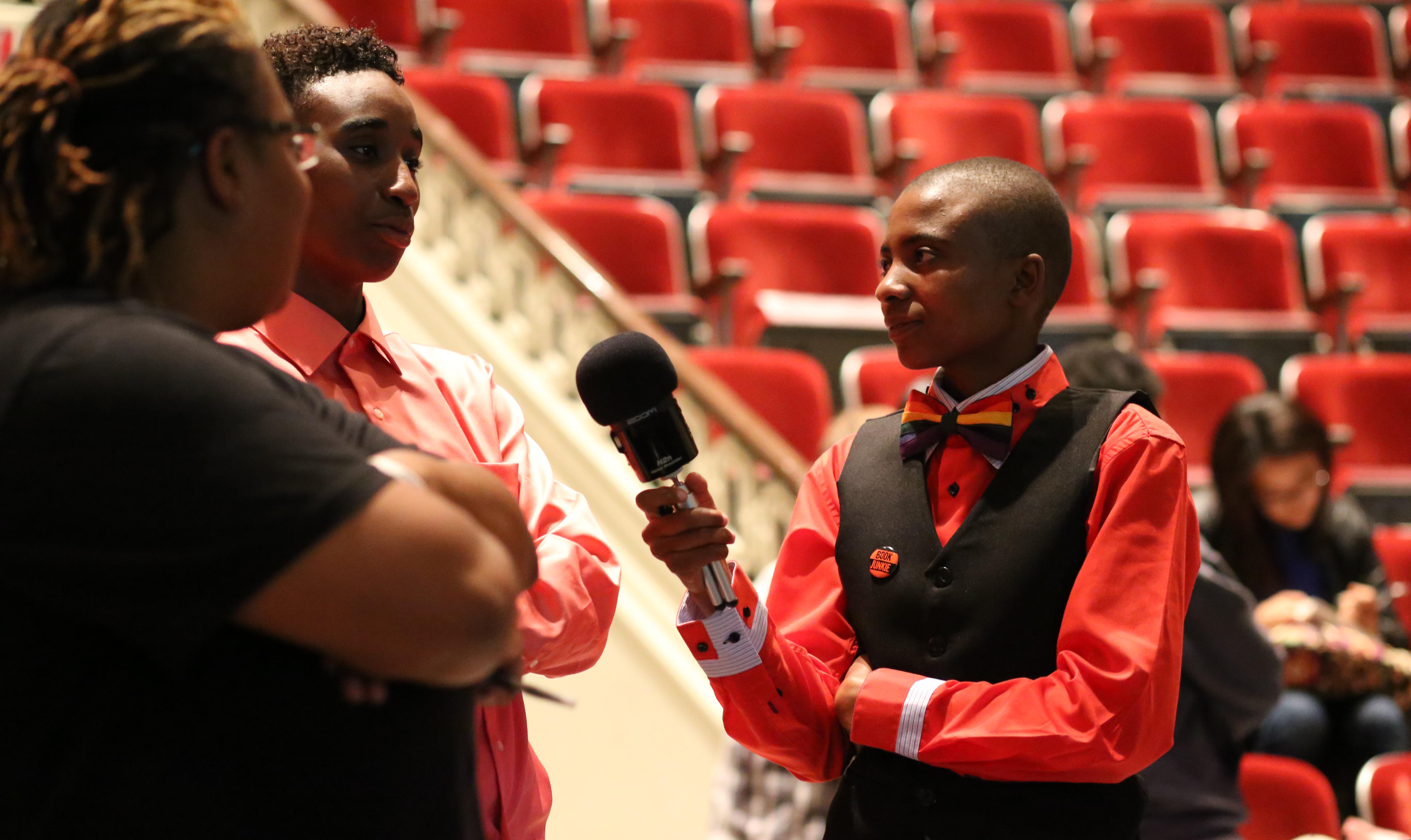
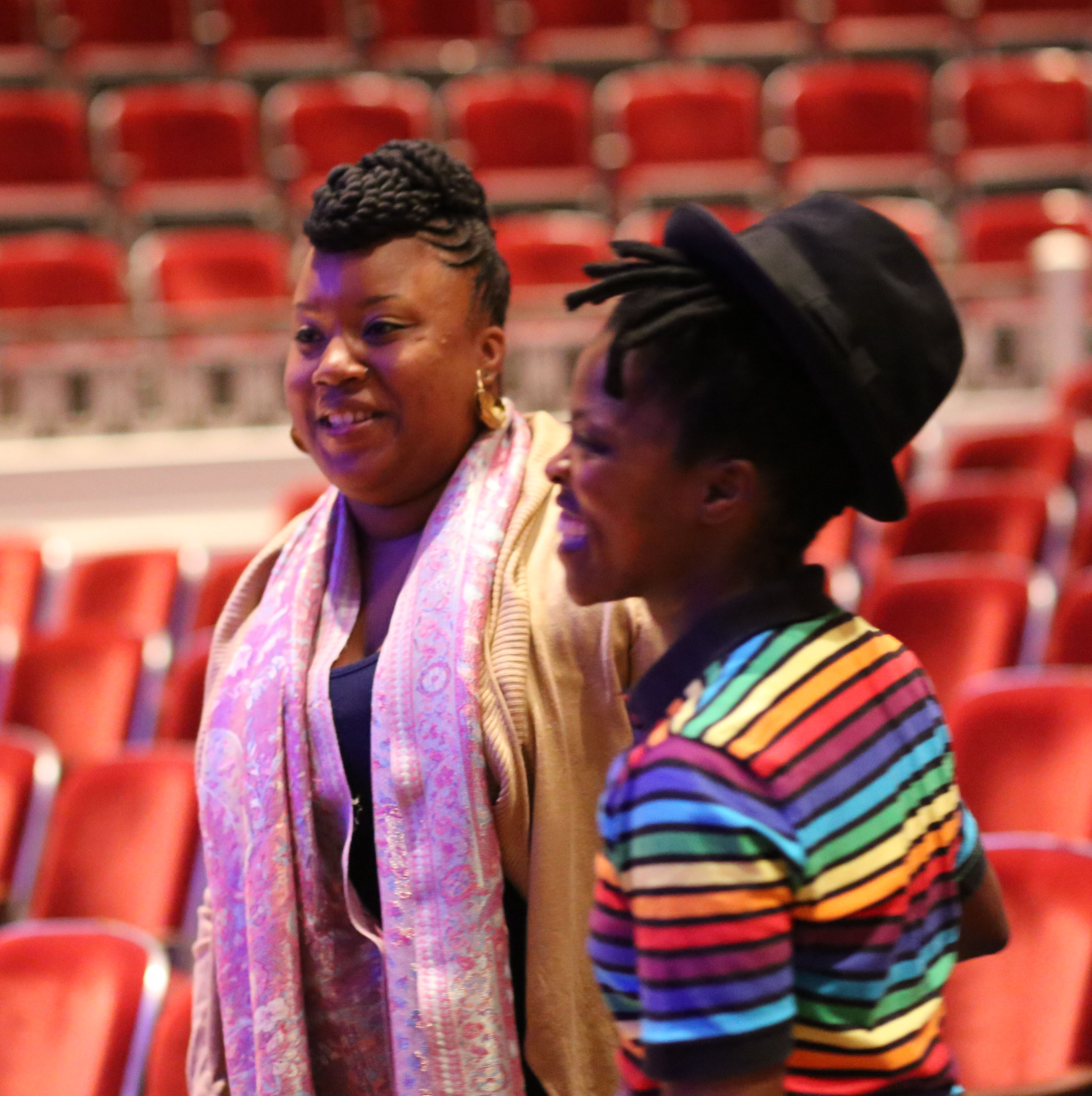
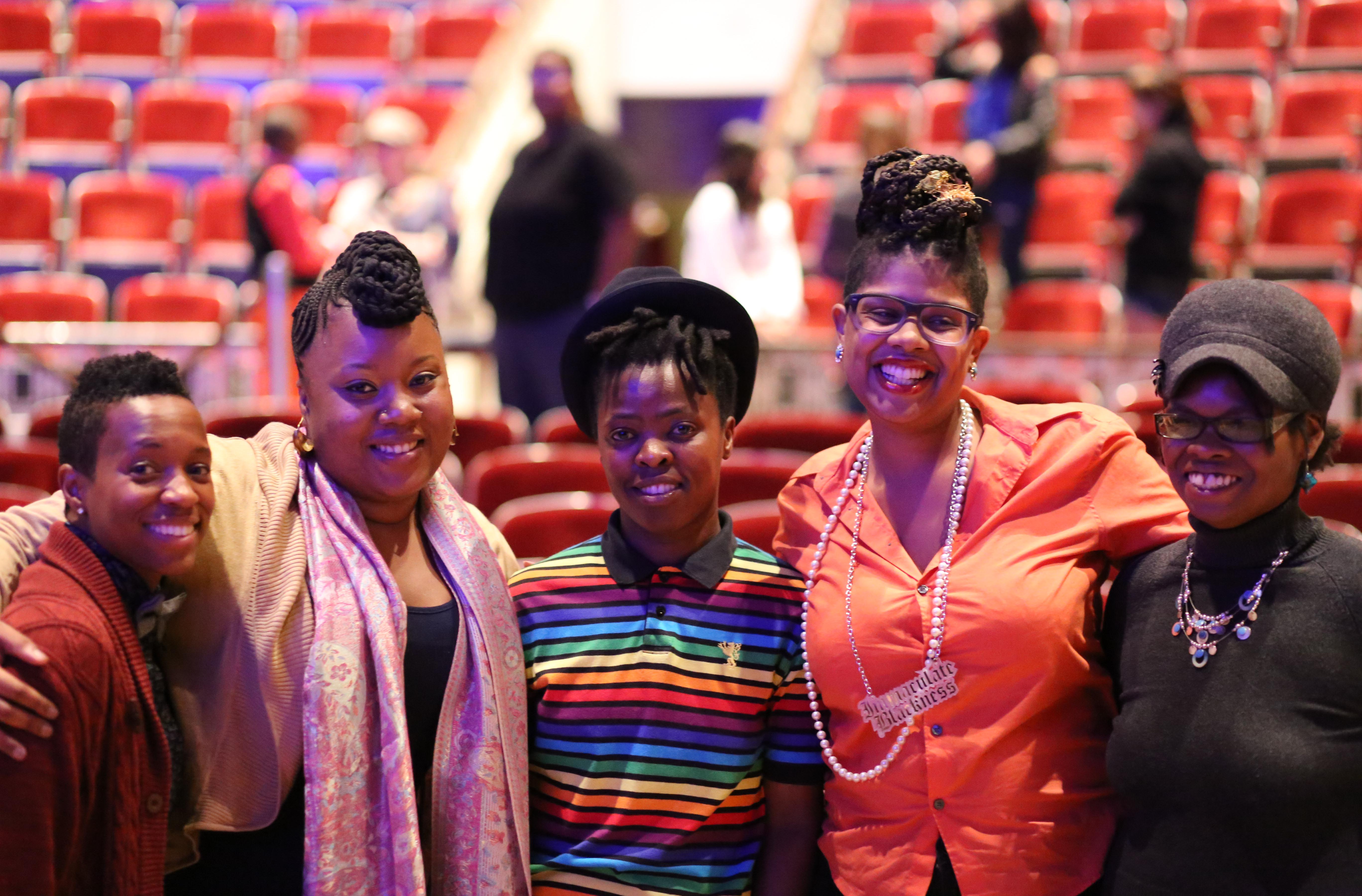
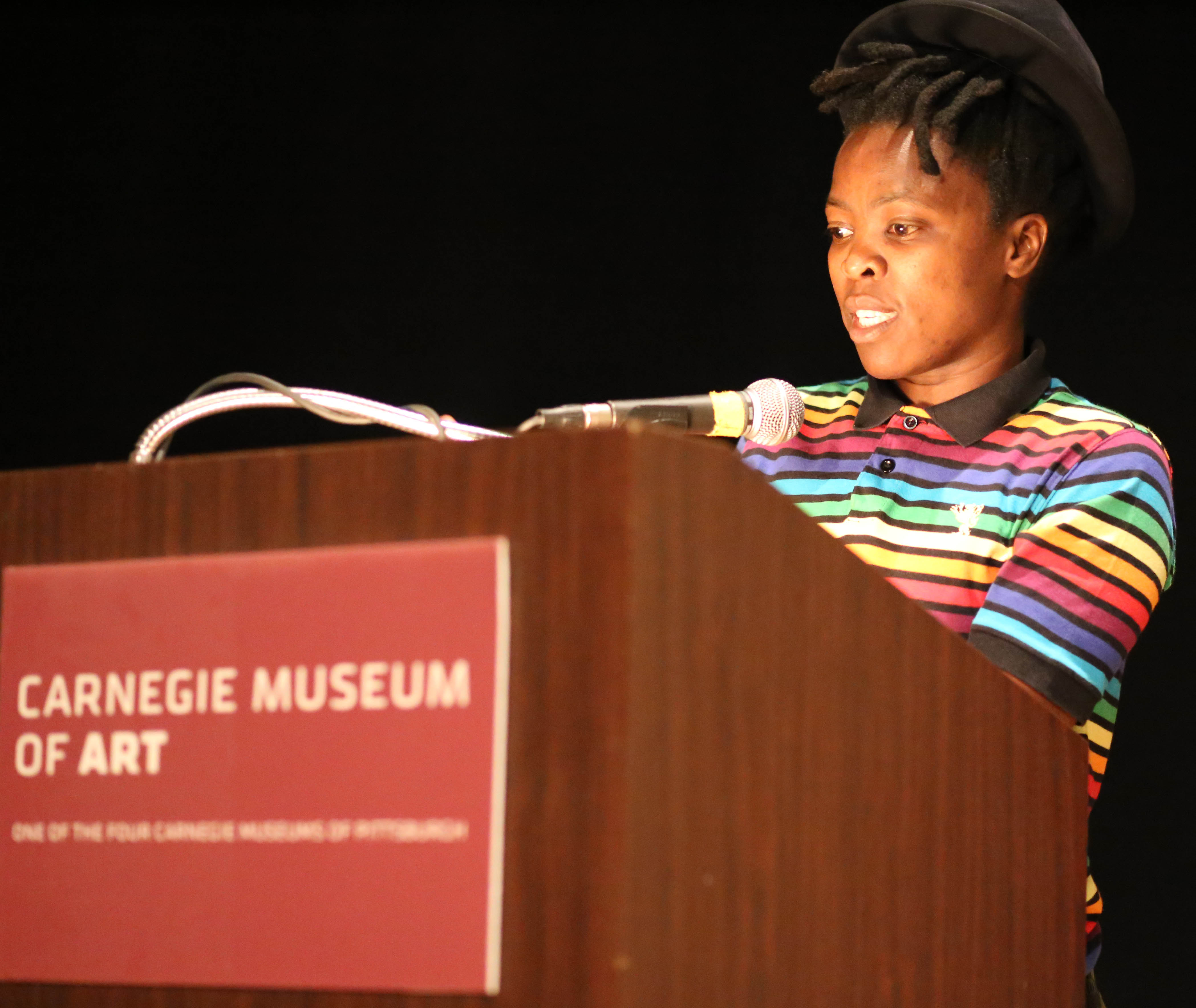
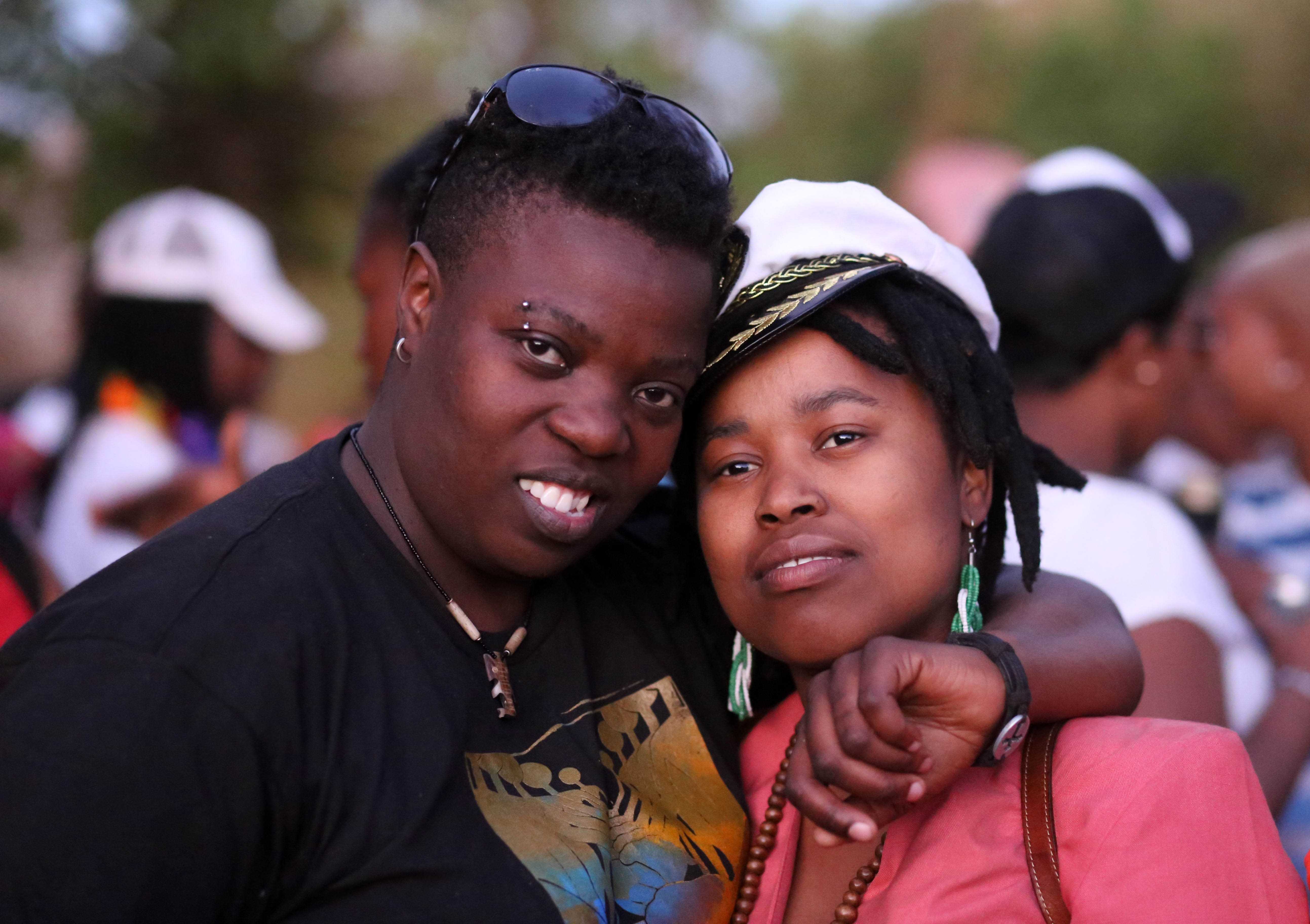
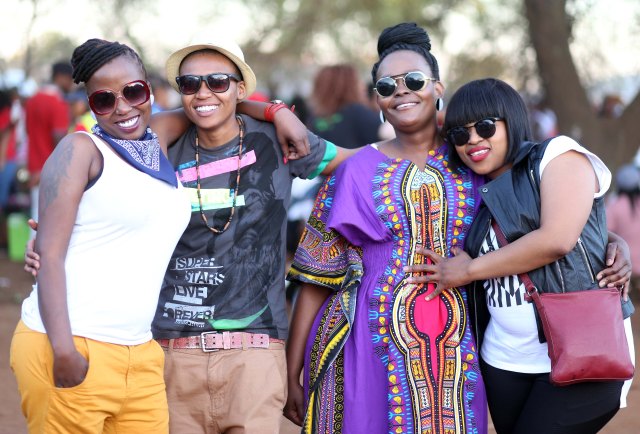
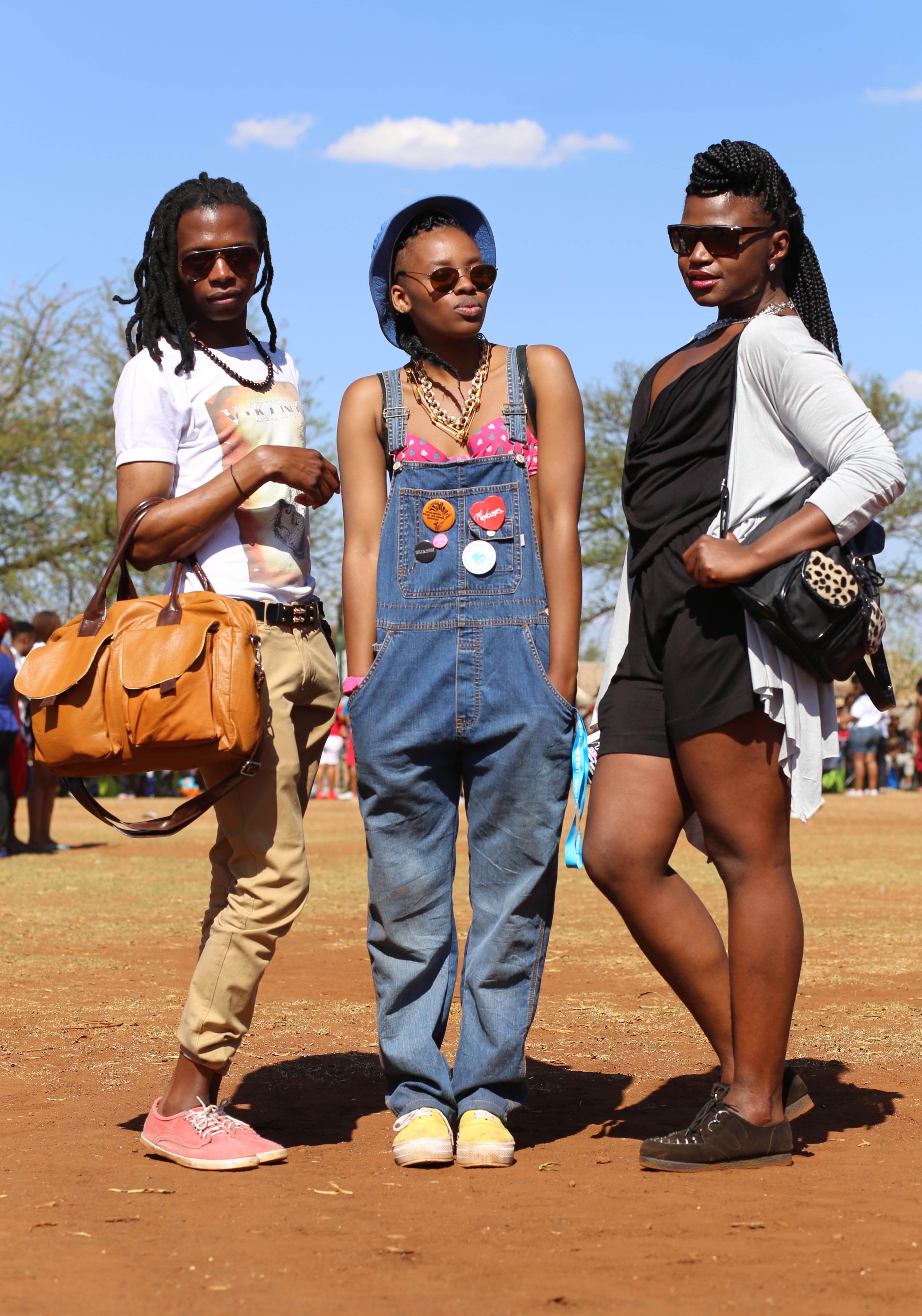
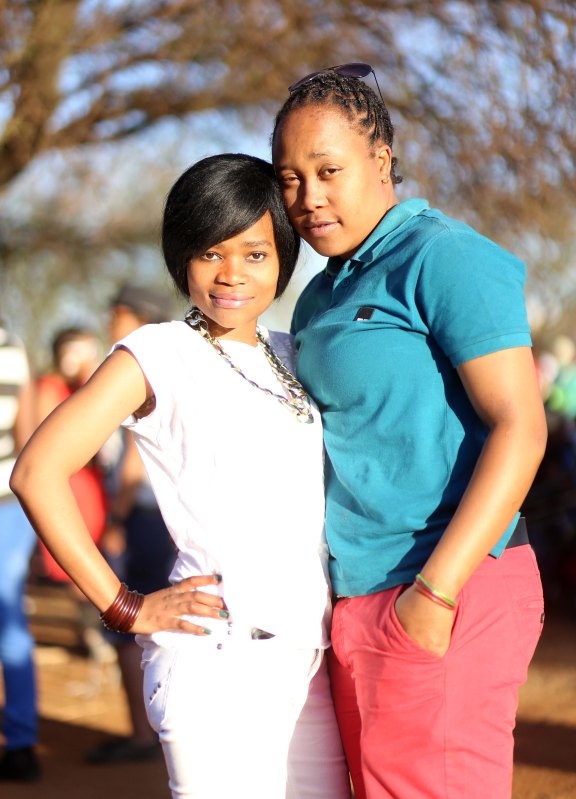
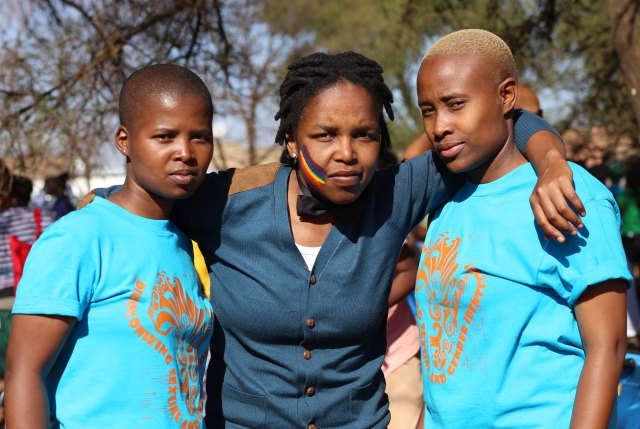
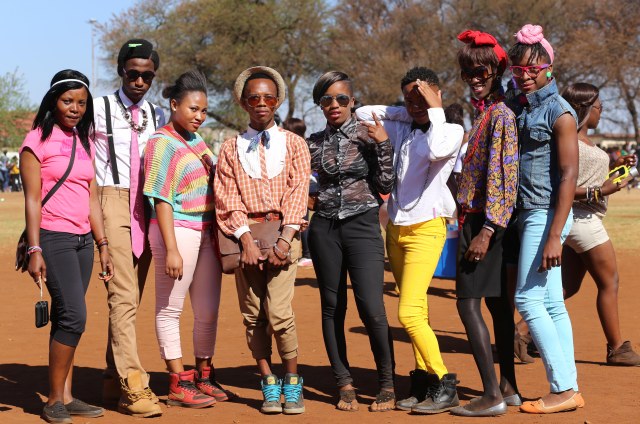
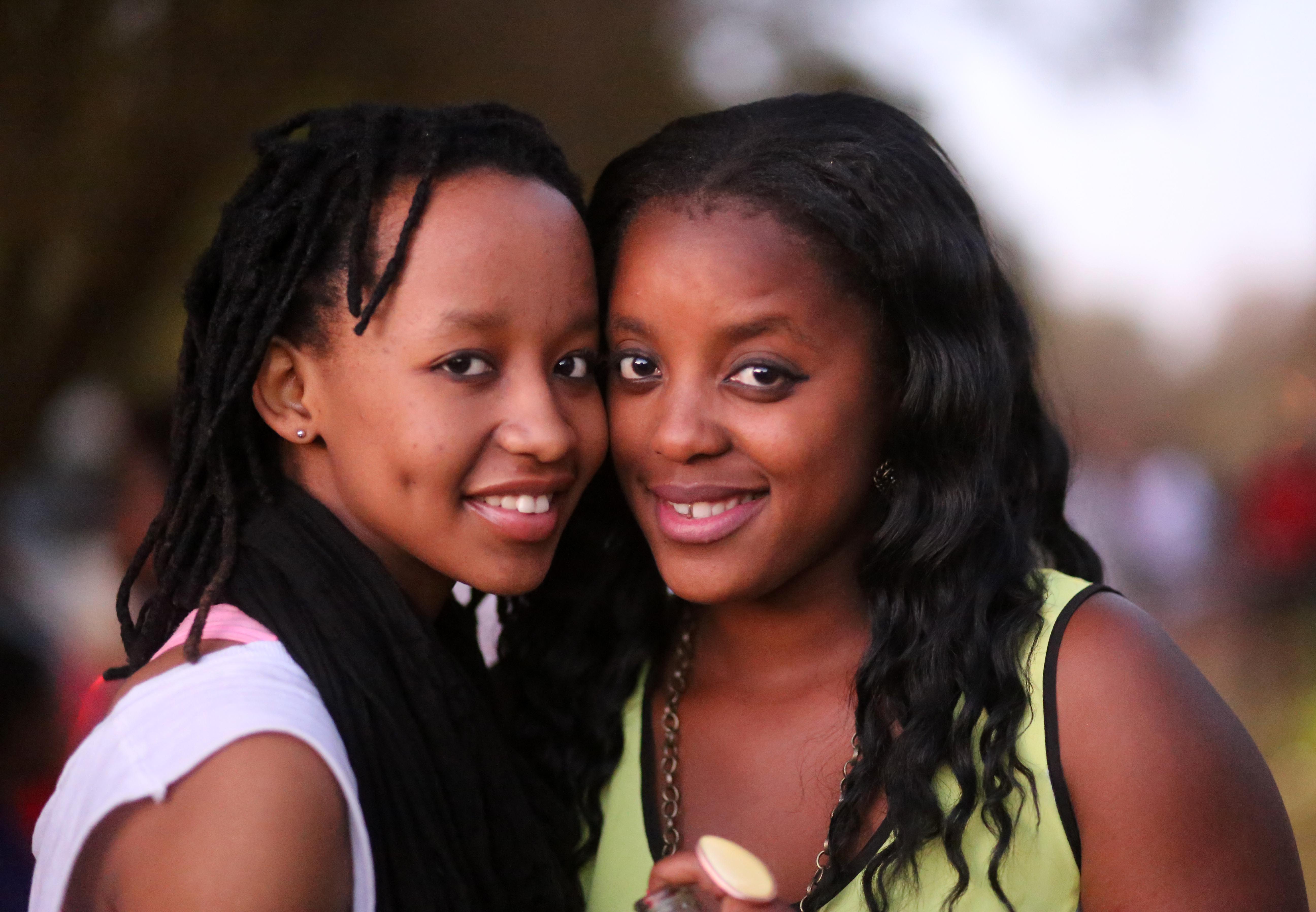
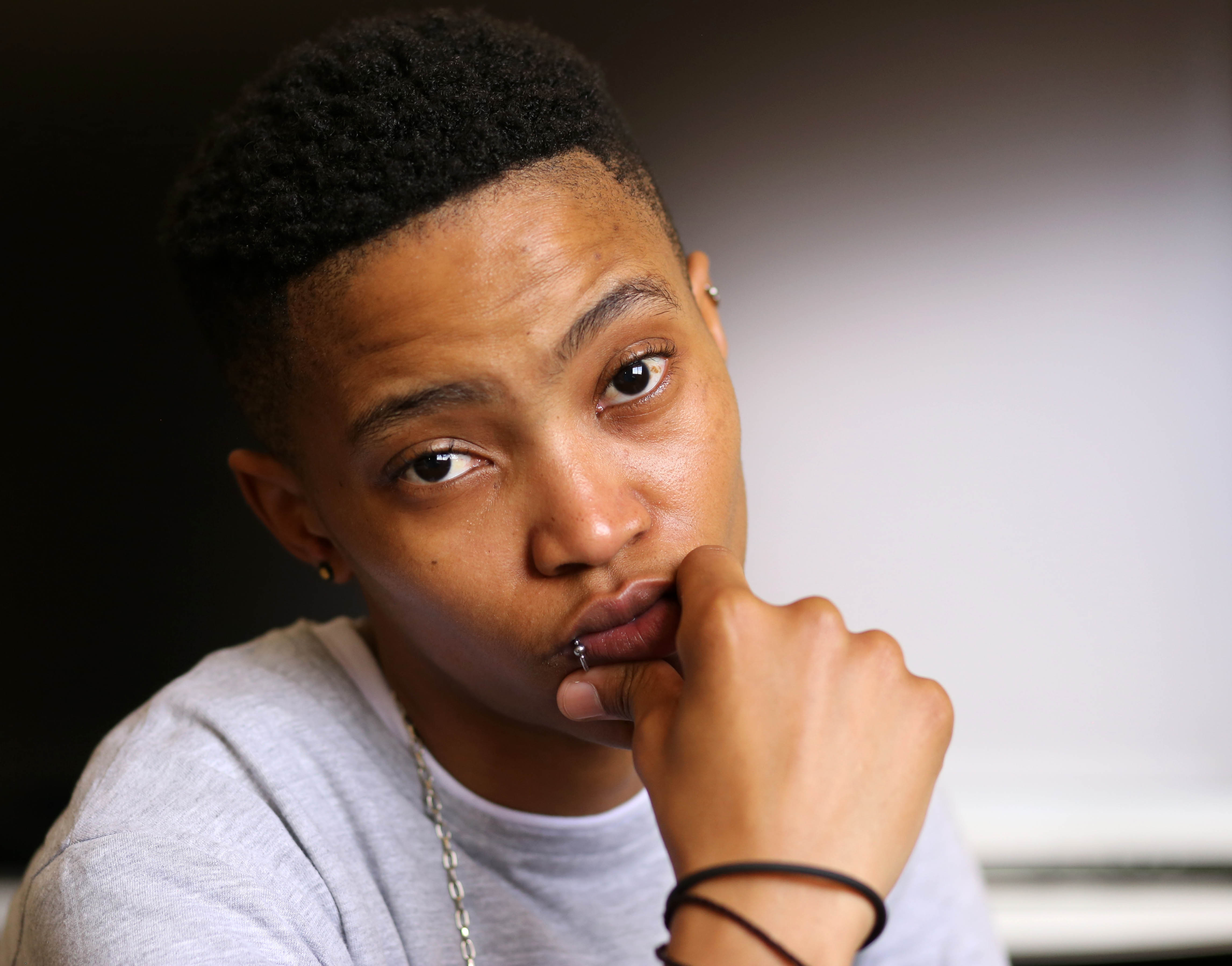
Photos by Raquel Rodriguez of Queer and Brown initiative.
Location:  Outside Carnegie Art Museum, Pittsburgh, USA.


Latest news from the Carnegie

South African artist wins in the US


Previous by Lerato

2013 October 5: Carnegie opening


Tina introducing Ayanah_8153

Ayanah Moor_8143
Lurato & Muholi_8162
audience_8149
lurato & muholi_8157
Ayanah Moor introducing Lurato & Muholi_8154
ayanah muholi lurato_8175
Lucy Muholi Christopher_8249

Lurato in action_8221

LaKeisha_8225

Lurato in action_8230
Lurato in action_8231
Lurato in action_8256
Bekezela & Muholi_8247
Lurato in action_8223
ayanah bekezela muholi joy & friend_8238


muholi @carnegie_8169


Muholi & Ti_8258


the art colleagues_8144

Raquel & Lurato_8129

L-R: the photographer, Raquel Rodriguez of Queer and Brown initiative and Lerato Dumse, journalist of Inkanyiso media outside Carnegie Art Museum hall.
Photo by Zanele Muholi (08/10/2013)


wisdom_8213

lurato & muholi best by raquel_8131
Lurato_8289

Posted in Archived memories, Archiving Queer Her/Histories in SA, Art Activism in South Africa, Arts, As we are, Before You, Black Queer & Gifted, Blackness, Collaborations, Collectivism, Community, Crea(c)tive senses, Creating awareness, Documentation; Filming; Photography; Community, Empowerment, Exposure, Expression, Female Photographers, Friendships, Homosexuality, Human rights, Inkanyiso media, Interights, Know Your SA Queer History, Knowledge, Lack of Resources, Lesbian Love Is Possible in South Africa, Photography, Power of the Arts, Power of the Voice, Privilege, Public spaces, Queer Africa, Queer visibility, Questions & Answers, Recognition, Records and histories, Reflection, SA mainstream media, Speaking for ourselves, Together we can, Visual Power, Visualizing public spaces, Women's power, Writing is a Right, Youth voices | Tagged | 5 Comments

2013 Oct. 8: “Lady Justice” at Johannesburg People’s Pride March and performance

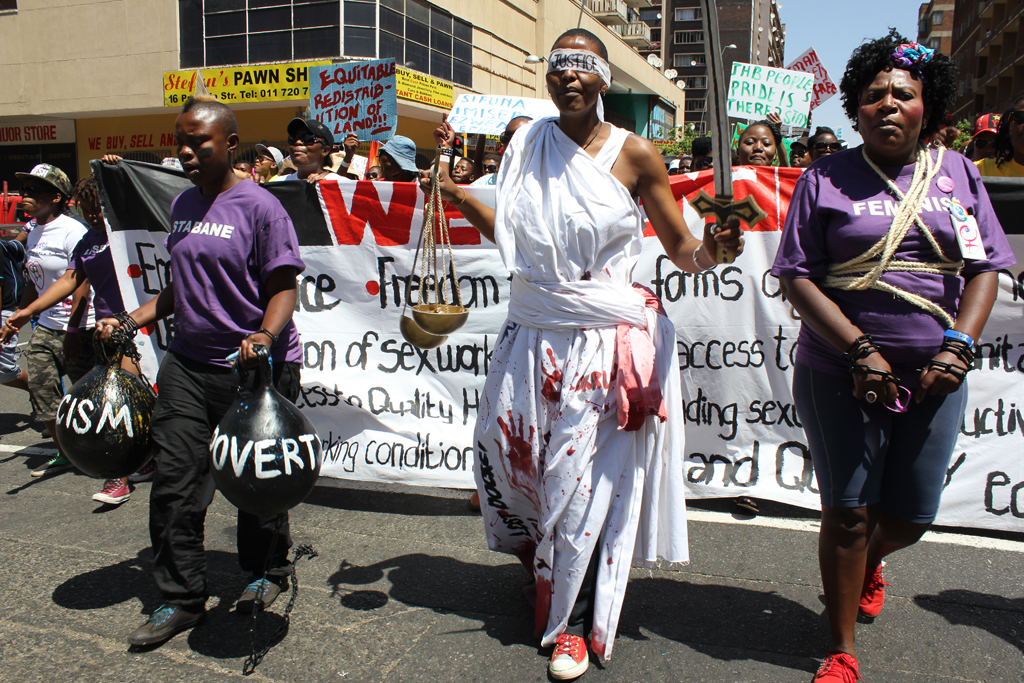
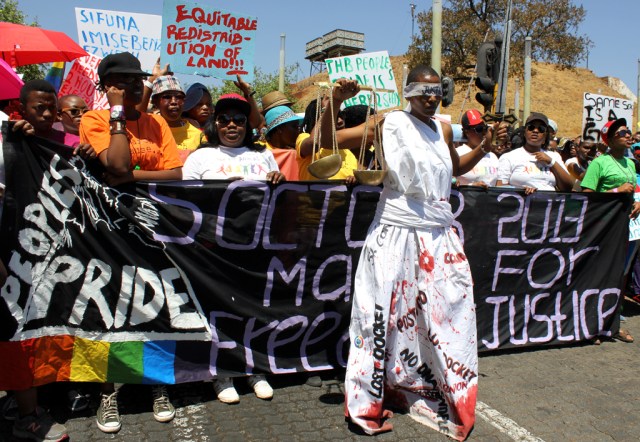
Our activist and performing artist, Thokozani Ndaba leading Johannesburg People’s Pride as Raped Lady Justice. © Collen Mfazwe & Xana Nyilenda

Our activist and performing artist, Thokozani Ndaba leading Johannesburg People’s Pride as Raped Lady Justice.
© Collen Mfazwe

by Esau Dlamini

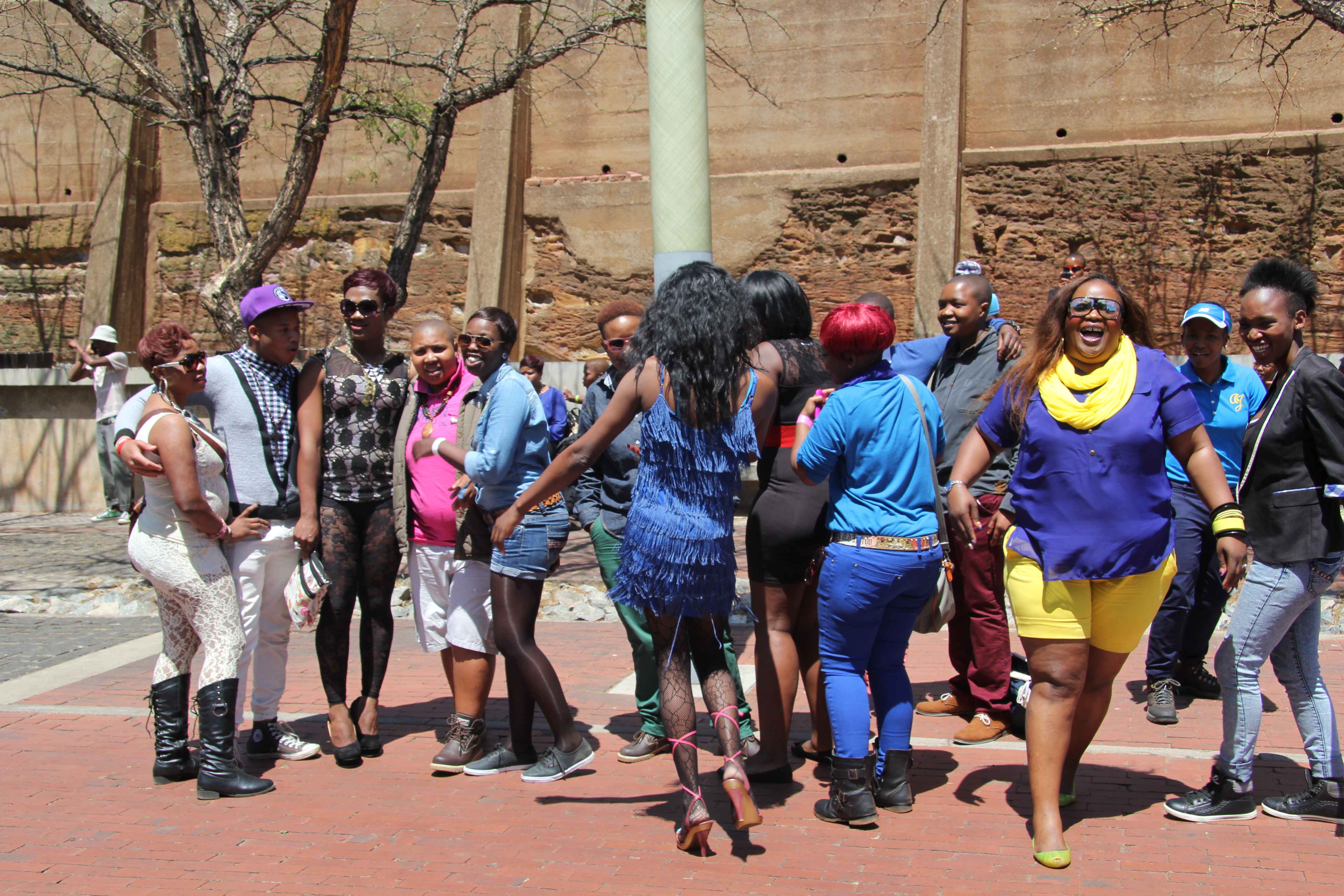
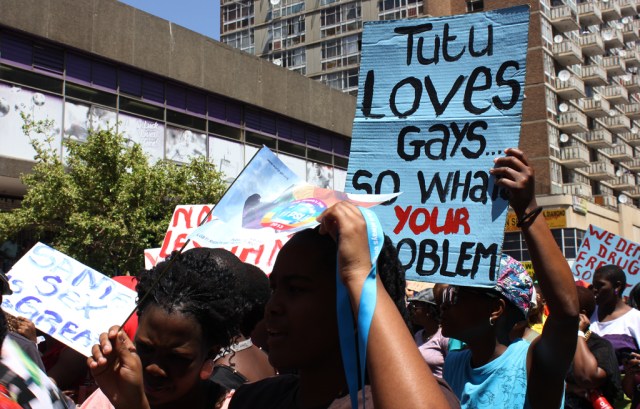
A mammoth number of Lesbian, Gay,Bisexual, Transgender, Intersex (LGBTI) community  from different townships and surburbs  converged at Hillbrow in Constitution Hill for the Johannesburg People’s Pride march for Freedom and Justice on Saturday, the 5th of October.

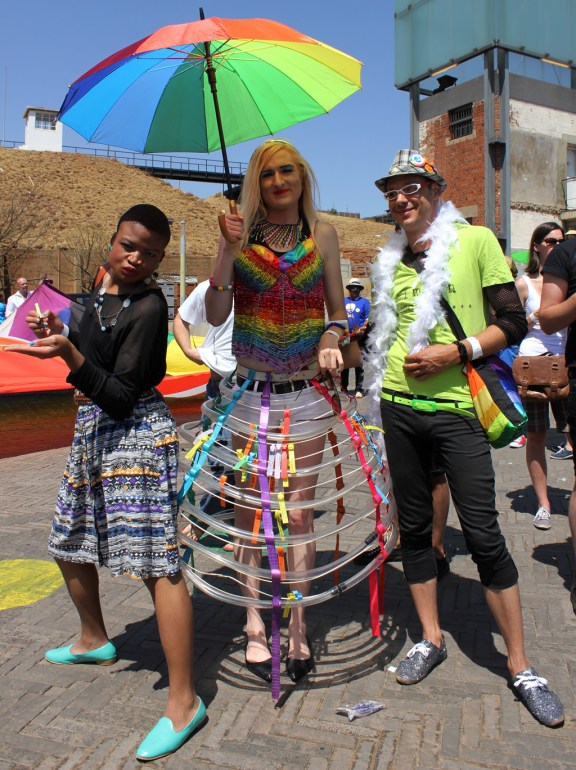
Rainbow colours were the order of the day, with  the sun shinning bright  as the music blared  from the stage with various performances by artists, including the crowds  favourite poet, Lebo Mashile, who delivered a poem about sanctity of the human body.

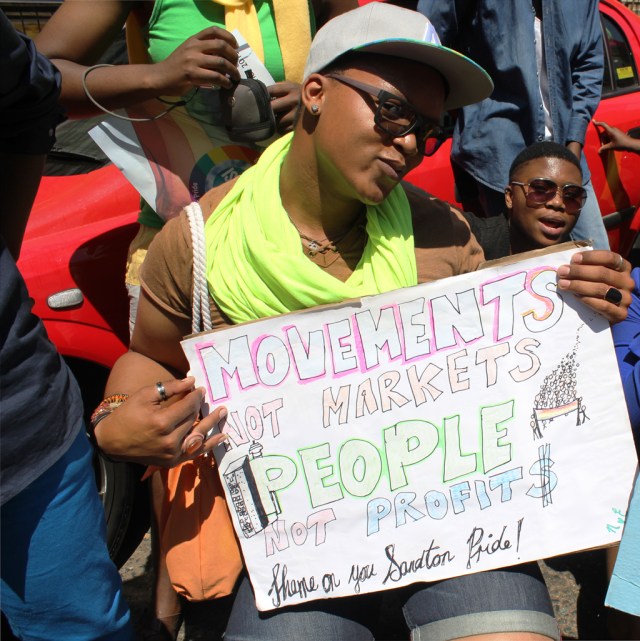
Organiser Kwezilomso Mbandazayo  “We want to embark on issues of Inequality, Xenophobia, Education, and we want erotic justice for all. We are People’s Pride and we don’t support any political groups,” lamented Mbandazayo. The march also supported sex workers, HIV positive people and the handicapped.

Activist and filmmaker, Bev Ditsie said that when the first Pride was held, only  a small number of people attended  and eventually it grew to approximately 800 in Hillbrow when other people came out from Skyline, which was a popular joint for gay people at the time.
Simon Nkoli and I organized the inaugural Gay Pride in 1990 and those are very important and memorable years for People‘s Pride has recalled Ditsie.”

Thokozani Ndaba, an activist  and performing artist showed up blind-folded as a Raped lady of Justice, with flamboyant handwritten banners  and posters addressing LGBTI issues. People shared their different opinions and perspectives about their day at Pride.

“I have become disenchanted and jaded about these marches because it’s no longer like before, Pride has lost its value. Now it’s more drinking than marching” said Bennedicta Sekoati (21), from Duduza in the East Rand.  ‘’I got mugged and attacked when I was coming from Joburg Pride last year that left me with a very negative impact.”

Sifiso Sithole (30), an openly gay man, from Soweto said that it is imperative for people to attend pride marches because they mark a return to human rights activism, especially against hate crimes. “I respect this day as it serves as a commemoration for people like Simon Nkoli,” he said.

Filmmaker and activist, Xana Nyilenda (25), said that her experience at People’s Pride was one that was confusing and disconcerting.
“I  was quite astonished because I had expected that this one in particular would be as fun as, if not more exciting than the Soweto Pride. I found that the location did not even give me enough freedom to be myself or allow me to be a bit more comfortable with being there, I felt alienated.”

Former BBC broadcaster Alice Arnold spoke out about the importance of Pride in June at London Community Pride this year, saying that it is a “party message” and that it is still crucial for LGBTI community. “Pride is a party with a message – a message to show that we are happy, proud and confident to be who we are. Let us celebrate what we have already achieved and brace ourselves for the fight that is still ahead of us” she said.

Our fellow activists and allies came all the way from Durban to support...

Our fellow activists and allies came all the way from Durban to support…
© Xana Nyilenda


Previous articles

2013 Oct. 5: Photos from Johannesburg People’s Pride

and

Queer spots pointed for our first Johannesburg People’s Pride


and

2013 Sept. 30: Intimate kisses at Soweto Pride 2013


Posted in African Queer Beauty, Another Approach Is Possible, Archived memories, Art Activism in South Africa, Art Is A Human Right, Articles, Artists | Tagged | Leave a comment

2013 Oct. 5: Photos from Johannesburg People’s Pride

2013 Oct. 5:   Johannesburg People's Pride

Photo album by Collen Mfazwe
Location: Constitution Hill, Hillbrow, Johannesburg. South Africa.

Related articles

Queer spots pointed for our first Johannesburg People’s Pride

and

2013 Sept. 30: Intimate kisses at Soweto Pride 2013


IMG_2229

IMG_2119

IMG_1785

IMG_1974


IMG_1837

IMG_1997

IMG_2144

IMG_2063

IMG_1928


IMG_2166

IMG_2294

IMG_2343

IMG_2353

IMG_2694

IMG_2363

IMG_2366

IMG_2374

IMG_2392

IMG_2699

IMG_2570

IMG_2421


Johannesburg People’s Pride (JHBPP) took place in Constitution Hill on the 5th of October 2013.
The theme People’s Pride indeed spoke for itself, because it embodied all kinds of People.
JHBPP was not only for homosexual people even heterosexuals were there.  Lebo Mashile (poet) also graced the day with her presence.
She recited a poem about the human body.
Also in attendance were interesting individuals and activists from different townships around South Africa.
There was a group that played Jembe, creating music as part of the performances which ignited the spirit of mostly queer audience.
We then marched to Hillbrow where the first pride took place, the throngs of marchers sang and chanted  struggle songs remembering late activists like Simon Nkoli and our friends who died because of their sexuality.
We then headed back to Constitution Hill after we marched outside Skyline bar, an old gay bar.
We had a moment of silence in honour of the “place that accepted us, when the world threw us out.”
In the midst of all that, people were staring at us.

Without any shame, we showed them that We are Here, We are Alive and Kicking.


Previous by Collen


2013 Sept. 14: Photos from the 2013 Miss Gay & Mr Lesbian Daveyton
and

2013 Aug. 31: Best mark followed by death news

Posted in African Queer Beauty, Alternative family, Another Approach Is Possible, Archived memories, Archiving Queer Her/Histories in SA, Art Activism in South Africa, Art Is A Human Right, Beauty, Before You, Characters, Community, Community Mobilizing, Creating awareness, Documentation; Filming; Photography; Community, Experience, Exposure, Expression, Female Photographers, Homosexuality, Johannesburg, Johannesburg People’s PRIDE (JHBPP), Know Your SA Queer History, Knowledge, Lebo Mashile, LGBT rights activist, Life, Mainstream media, Media works, Our lives in the picture, Photography, Politics of existence, Power of the Arts, Power of the Voice, Pride March, Queer visibility, Queer Youth, ReClaim Your Activism, Recognition, Records and histories, Relationships, South Africa, Visual history, Visual history is a Right not a luxury, Visual Power, Visualizing public spaces | Tagged | 3 Comments

2013 October 5: Carnegie opening

by Lerato Dumse 

On Friday 4th of October 2013, Carnegie Museum of Art opened the biggest event in their annual calendar, 2013 Carnegie International. The place is situated in Pittsburgh, Pennsylvania in the United States of America (USA).

The exhibition features 35 different artists from six continents and 19 countries including Poland, USA, Vietnam, Iran, China, Brazil, India, England, Israel, Mexico, Colombia, Italy, Belgium, Croatia, Switzerland.
The only artist representing the African continent is South African (SA) visual activist Zanele Muholi. She is exhibiting Faces & Phasesblack and white portraits of Black lesbians and Trans(wo)men from SA and beyond, which has been well received at this exhibition.

Image

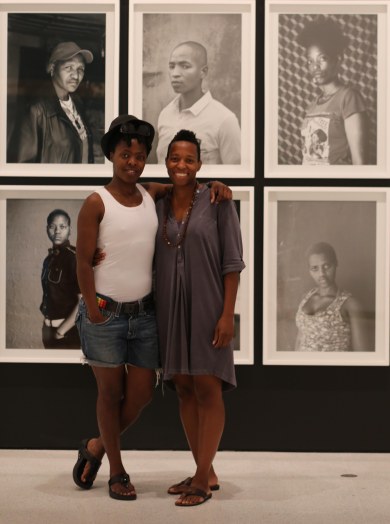
L-R: Zanele Muholi & Ayanah Moor in front of the Faces & Phases installation at Carnegie Museum.
© Raquel Rodriguez of Queer & Brown collective
4/10/2013


Muholi will also give an artist talk – in conversation with Prof. Ayanah Moor on the 8th Oct. 2013.

A commissioned film by Puma screened as part of World Peace Day on the 21st Sept. 2013 will form part of her presentation.

The event opening drew an estimated two thousand art lovers from around the world.
Beautiful botox(ed) faces confused me, as I couldn’t figure out who was young and old.
Scent of durable perfumes filled the air.
Exquisite fashion clothing was the order of the night considering the fact that most attendees were art collectors, gallery owners, curators and wannabee art curators.
Bars with expensive alcohol kept drinkers longing for more.
By the end of the night walking on high heel shoes proved to be a challenge for some, let alone those who had frequented the bars…
Tasty food left many salivating though I did not enjoy because of my love for South African traditional cuisine. All in all, that presented a sense of finery without flaws.
Less than 10 percent of those attending were black.
Attending such an event means digging deep into your pockets, admission fee was $425 (R4250) which according to the website bber.unm.edu/econ/us-pci.htm..is a little more than what the average American earns monthly.

Phyllida's sculpture at the entrance of Carnegie International Museum. Photo by Zanele Muholi.

Phyllida’s sculpture at the entrance of Carnegie International Museum.
 © Zanele Muholi.

When you approach the museum’s entrance, you are immediately greeted by a large sculpture by Phyllida Barlow from England. The colourful work, placed outside the museum is sculpted with wooden poles and colourful flags.

Then there is Dinh Q Le whose project is titled Light and belief. He displays sketches of life from the Vietnam War (2012) produced by men and women in the war. Artist-soldiers who served in the front lines, contributed the hundred paintings and drawings.

Founded in 2007 in Pennsylvania USA, Transformazium is a collective working in partnership with the Braddock Carnegie Library. They have created an Art Lending Collection (ALC) in an effort to make art accessible to everyone. An Allegheny County library card means you can borrow the art and also borrow a pass to the museum.

Some of the artists’ works are realities from other countries but resonate with past and present day South Africa.
Yael Bartana a filmmaker from Israel who uses documentary and propaganda films to “investigate issues of identity and belonging, occupation and dispossession.” Showing at the exhibition is her two weeks project Summer Camp (2007).
It’s about the Israel Committee Against House Demolition (ICAHD) and their annual display of civil disobedience, where a group of volunteers rebuilds the home of a Palestinian family, destroyed by the Israeli authorities.

From Iran, Kamran Shirdel worked for the government sponsored Ministry of Culture and Art.
Over the decades “his work has been blacklisted, his films banned, censored and confiscated- ironically in some instances by the same parties that commissioned them.

Shirdel’s story makes you think of the hotly debated Protection of State Information Bill.

The 56th edition of the exhibition will run from the 5th October 2013 – 16th March 2014 and is said to be the longest running survey of contemporary art at any museum.


exhibition dates... © Zanele Muholi

exhibition dates…
© Zanele Muholi


Previous by Lerato

2013 Sept. 21: Hate crime case solved after 4 years


Posted in Pittsburgh, South African Artists, South African Black Female Photographers, Speaking for ourselves, Textualizing Our Own Lives, Transgender visibility, Visual Arts, Visual history is a Right not a luxury, Visual Power, Visualizing public spaces, We Are You, We Care, We were (t)here, Women's power, Women; Voices; Writings; Education; Traditions; Struggles; Cultures, Writing is a Right | Tagged | 3 Comments

2013 Oct. 4: Cramps were killing me


by Xana Nyilenda

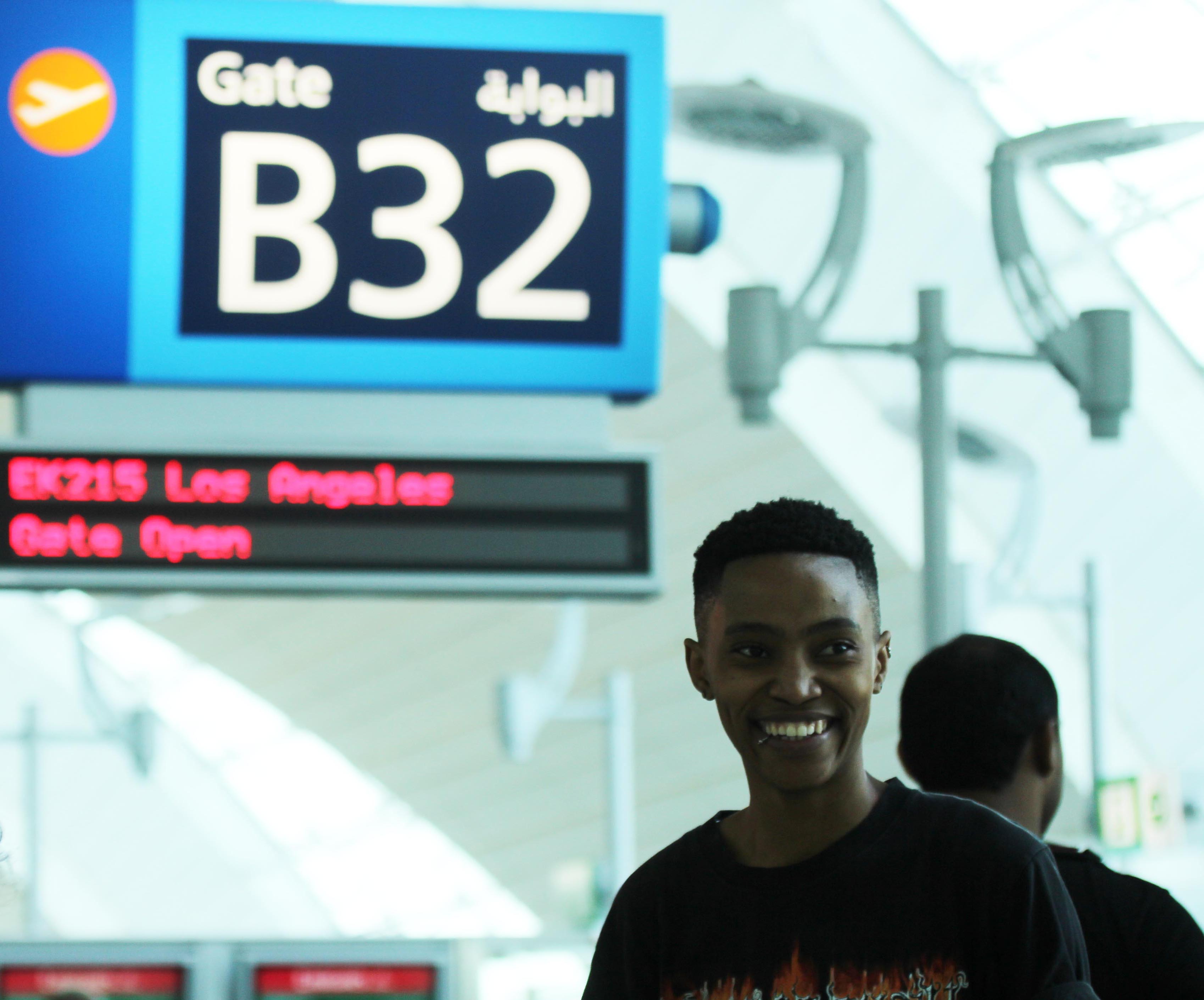
The 17th of September 2013 was our intended day of travelling to Los Angeles (LA).
I arrived at the Inkanyiso headquarters in Parktown, to find the crew doing what they do best, working hard. We chilled for a while catching up on old times and having a couple of laughs while Zanele Muholi finished her packing then missioned to the airport with “Q” (Nqobile) as our driver.

The anticipation was building as check in time drew nearer; we feared that we might be a little late for it.
At the back of my mind I had a nagging feeling that I was forgetting something?

With the amount of noise in my head from the conversation in the car, all I could do was sit there nodding like an idiot. I’m pretty sure they could tell I was pretending to be following the conversation if they didn’t; now they definitely will know.
Cramps were killing me; this was not the right time for this to be happening to me I thought. Could Aunt Flo be visiting town while I’m busy leaving town?
I took a deep breath to try and relax myself and think…
Anxiety was all it was and it was building up within me causing an excruciating pain in my abdomen. I breathed even deeper to try and avert from having another one of these panic attacks I’d been having so frequently.

The check in process at O.R. Tambo International airport was a bit of a schlep.
For starters, there were the usual attendants who are too busy running their mouths to even notice you standing in front of them, trying to get their attention.
Why is it that when a black person presents legitimate papers for anything official, they have to be scrutinized like some sort of criminal?
Just a general observation I made of how the front desk lady looked at us with a suspicious expression whilst treating the white man after us with so much courtesy.

Then there was the issue of checking our bags in which I didn’t want to do. I’ve taken a domestic flight before and never had this experience. I had my lotion dumped in a bin which was-kind-of depressing, I can’t stand having ashy knees and elbows.
Just as a matter of interest anything more than 100ml isn’t allowed on a plane whether it’s a liquid or lotion.  I thought to myself,  “You big dummy, you know Americans and American associated companies are afraid of bombs.
Not that I’d stick a bomb in my bag but if I did I wouldn’t be dumb enough to smuggle it in a tub of lotion where it could easily be detected by X-ray machines…

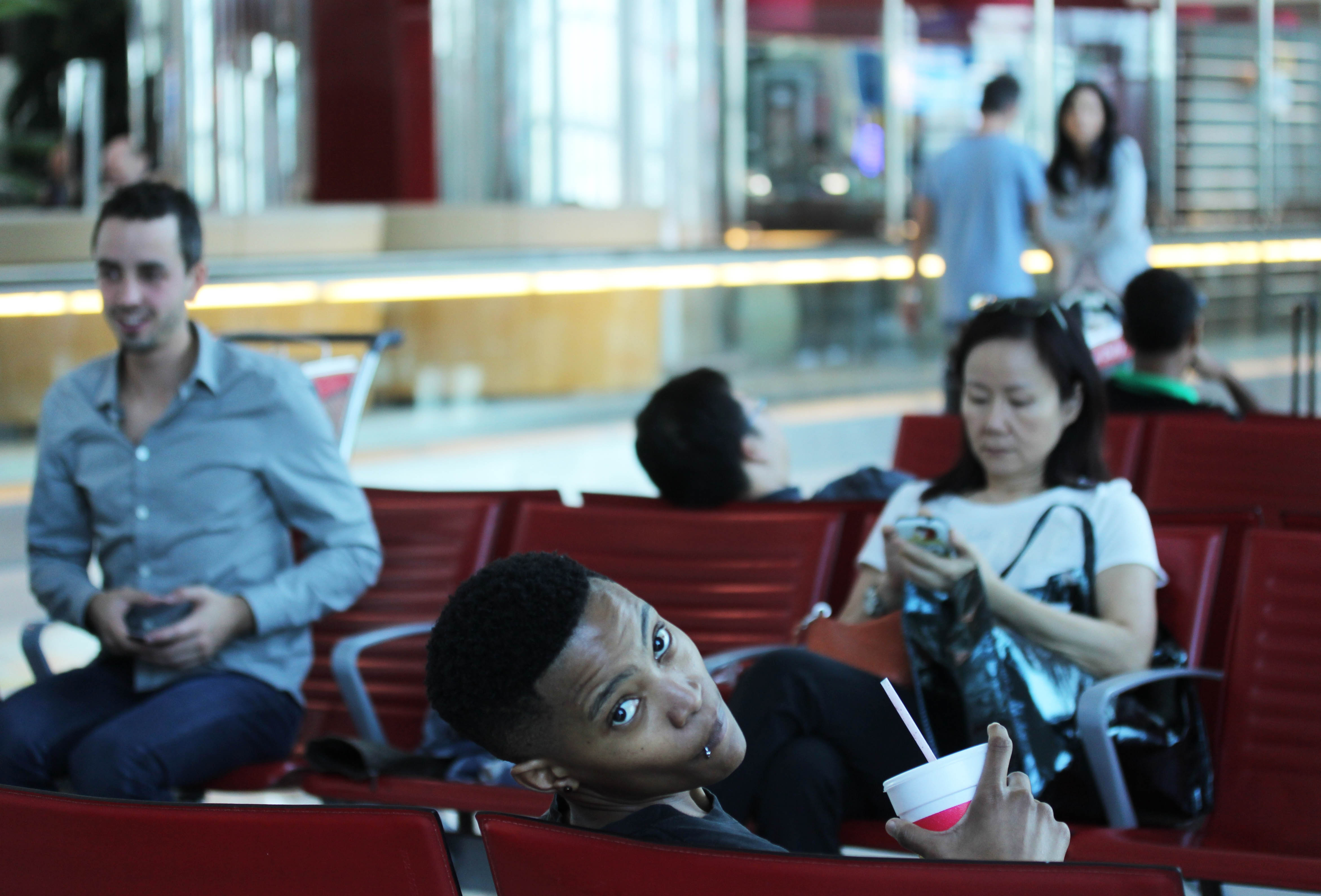
Sept. 18, 2013 in Dubai Intl Airport waiting for our connecting flight to LA.  Sipping fresh mixed berries juice... © Zanele Muholi

Sept. 18, 2013 in Dubai Intl Airport waiting for our connecting flight to LA.
Sipping fresh mixed berries juice…
© Zanele Muholi

I received my first international stamp on my passport-YAY!
At 19:15 we set off into the air outside of African borders. It was an interesting flight to Dubai.
I had a long talk with my travel partner, getting to know each other, passing a lot of time chatting before she passed out on me, exhausted from the work she had been doing prior to our visit.
I passed time watching movies and listening to music.
Arriving in Dubai at 05:15 on the 18th of Sept. was pretty exciting; stepping out of the plane was a little disorientating though. The sun was already peaking in the horizon, the heat hit me in a flash and it was unbearable, it was hot and humid much like Durban.
The air was thick with the sea breeze; we waited at the airport for our connecting flight to our final destination. I discovered that Dubai is a beautiful city, with an integration of modern technology and various cultures of the world, an international hub of business and beautiful women. I can’t be a lesbian and not notice the women of course.

Xana on transit_0029Three hours into our fifteen-hour flight to LA, the cramps started creeping in my legs, my back was aching so much that numbness started settling in.

I passed out for two hours, which felt like a lifetime to me. With all the time left there was nothing to do but watch movies and listen to music. I felt like a kid in a candy store, so much variety that I didn’t know what to pick. I watched and jammed to a bit of everything.

Honestly at some point I got bored and tired, America is a far place to travel but the excitement of going there overshadowed that.

Upon landing the fun part began we had customs to go through. Greeted by the security who take their jobs so seriously was nerve wrecking. I wasn’t sure if they’d let me in.
It’s been known for them to turn you down from entering their country. This wasn’t the case though it was smooth sailing, guess the only people that think I look suspicious are the South African Police – the irony of it all was almost laughable.
Just so you know Los Angeles looks nothing like what we’ve all seen on television.
Oh how the media have corrupted our minds with silly stereotypes of glitz and glamour. We then chilled and the terminal for our driver to fetch us who was a bit delayed but no worries.
That presented a chance to Skype with a good friend and to discover what the Skype world is about.

I’m still oblivious about that world and I’m not ashamed to say it.
Our driver came at a time when the fatigue had set in.
Legs and feet swollen.
Bloodshot eyes and all.
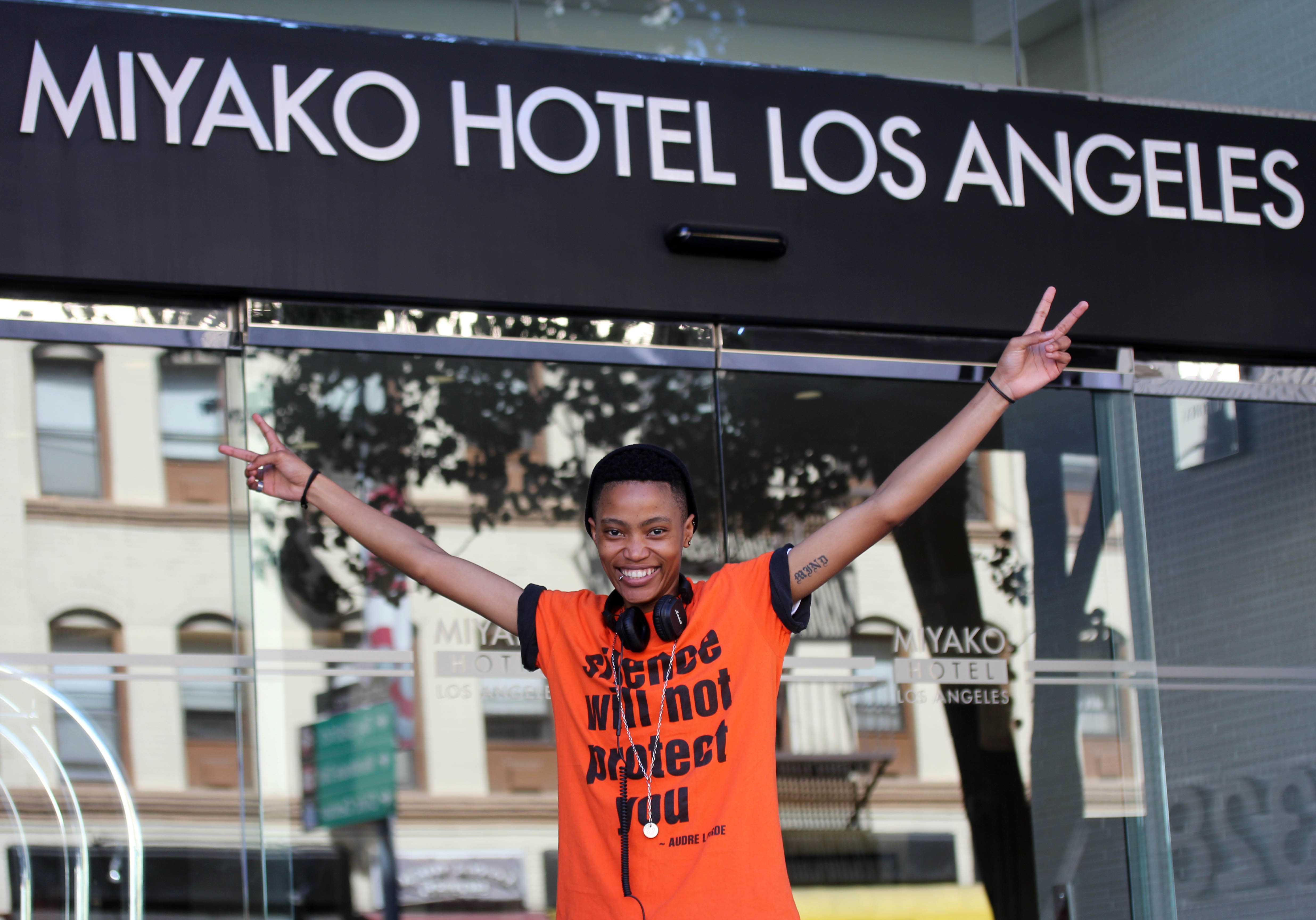
What seemed like a drive that took forever we finally made it to our hotel in the beautiful Little Tokyo District at the Miyako hotel.
With Muholi completely zoned out and half past dead as she threw herself on her bed, first thing for me to do was shower and follow suit.

Miyako Hotel in LA_6732

To Be Continued…

Previous article featuring Xana

2013 Sept. 23: Leaving Los Angeles

and

2013 Sept. 29: A fierce episode


Posted in Archived memories, Evidence, Experience, Exposure, Friendships, from Joburg to Los Angeles, Los Angeles, periods, Privilege, social activist, Visual history is a Right not a luxury, Visual Power | Tagged | 10 Comments

2013 Oct. 4: I sensed something was wrong

by Christina Mavuma

My visit to the clinic was the worst day, I will never forget.

This is one of the problems I never imagined myself experiencing, but unfortunately I came across it.

On the 17th of October 2012, I went for a check up into a near by clinic in Phase 2 Botswana, to seek medical help.

I took time to visit the place, expecting to get assistance.  I didn’t anticipate any problems regarding my gender expression/ identity.

When I arrived, I had to see a nurse first to register because I normally use private clinics to see a doctor. That day I had decided to do something different and visit a government facility.

The nurse and I were alone in the room.  She registered me, until the point when I had to produce my national identity card. When she saw it, she started to look at me and ask me questions, which I answered.

Before she even finished doing the whole part one, I was told to wait outside, and I did.
She began going in and out of the room she was using, calling other nurses to come to her room.

Christina Mavuma III (2010) Botswana Photo by Zanele Muholi

Christina Mavuma III
(2010)
Botswana
Photo by Zanele Muholi

At that point I sensed something was wrong but kept it to myself, to see what was the motive behind her actions. Other patients who were behind me were assisted. I waited 40 minutes for her to come and call me.

She didn’t even tell me what was wrong but kept passing me, going in and out with staff members and they would all stare at me, while I sat outside next to the room.

I knew she was doing something inside because she had my identity card the whole time this was happening and I just kept quiet.

Eventually I was called inside and she started asking my names, where I come from, where I live and why my names are Christopher Moemedi Mavuma on the card.
I responded. Her main focus was not on providing healthcare but rather indulging in questions out of curiosity.

Then she asked me if the identity card was mine, and I answered yes!
Why else would I have it with my photo in it?
Just before she was finished police officers came in the room and I was surprised why they were in the room. I thought maybe they are here to get something but to my surprise she told them that the reason she called them was because she could not figure out if this is really my identity card and she wants their help to verify that.

I looked at her and said to myself, you have got to be kidding me. I asked them what was going on and they also asked me if this was mine, I replied and said yes it is, it’s mine.

They asked me to sign just for them to see if it is mine. I became brave and asked them why I’m being asked these questions as if I did something wrong.

They told me that the nurse called them because she didn’t believe that it was indeed my identity card. I asked them why didn’t she ask me or find ways to know if this was my card. The police asked me to escort them to the police station to find out if this is my card. I refused.

I went to the clinic and instead of being helped with the problem I had, they fueled more problems than what I came with. I felt they were really confused and feeling awkward about asking me about my gender.

The nurse didn’t even ask me how I want to be addressed but chose to go with whatever she was seeing. She didn’t even bother to ask me to explain to her, instead she made the situation worse when she called other nurses to eye me and called police officers to come and assist something that could have been avoided. I would have appreciated it if she had sat with me and asked what was going on as she was confused and needed clarity. She chose to think that she knows best and violated my rights. Tried to make me feel as uncomfortable as possible.

I also felt like I was denied the right to health care because of my sexual orientation and was filled with pain and disappointment. They go around bragging about right to health for every person yet they look at me differently when I come for assistance.

I insisted that the police officers take me to my mum’s house, since it was close to the clinic, for her to verify that it was me on the card. I walked out of the room feeling so unsatisfied with the service I got from the service provider. It was prejudice, I felt discriminated against.

I got home to my mum and filled her in on what happened and she enlightened them that it is my card and that was when they started changing their statement. I told them that there are so many ways to find out for example that someone is a Motswana if you are a nurse, doctor or police.

I told them that since she said to you that there are people from nearby countries who come to the clinic to get free medication, claiming they are citizens of Botswana. I felt it was just an excuse for me not to make a serious case against her. I also told them that I didn’t like the way I was treated, I know my rights and know how the law works as well as their curriculum.

If they want me to teach them how to handle such cases in future, I will teach them since they are clueless about such cases.

I went back to the clinic to lay a complaint. She asked me how the matter was handled. I just looked at her and proceeded to see the matron to complain.
The matron noted my case and said she will investigate and get back to me.

She insisted that we go back to the nurse to inform her that I have laid a case against her and she asked her to explain what had happened. The nurse gave an excuse that she didn’t know that it was me on the card.  The nurse made decisions that she thought would confirm that it was my identification card and she started to apologize if ‘she made me feel unwelcome.

By not asking me or the matron for help, she violated my rights. Instead she did what she thought was best.

I explained that people like her are driving trans patients like me away from the clinic.
I further told her that it is my right to get appropriate treatment.
She didn’t show respect by being relaxed and courteous, I also told her that its because of your facial reactions and by not speaking the right way, as you would to other patients.

This is why it’s hard for others to come to such places. It is because of the discrimination and prejudice from service providers towards us transgender people.

After my travel my case resumed.

The matron apologized on behalf of the clinic and staff and she promised that such incidents wouldn’t happen again. My final word to them was to become more knowledgeable about transgender health care issues and resources.


Previous by Christina

2013 Oct. 2: ‘I am a normal transgender woman’

Posted in Allies, Anger, Another Approach Is Possible, Archived memories, Body Politics, Creating awareness, Emotional support, Evidence, Exposure, Gender activist, Gender naming, Human rights, Hurt, Knowledge, Prejudice, ReClaim Your Activism, Reflection, Speaking for ourselves, Transgender visibility, Transgender Voices, Transgenderism in Africa, We Are You, We Care | Tagged , , | 6 Comments

2013 Oct. 4: Lona umzimba wami – “This is my body”


Title           :      Lona Umzimba Wami
Genre          :      Experimental film
Duration  :      3 mins
Year            :      2011

Crew
Producers :       Zanele Muholi & Phumlani Mdlalose
Camera    :       Phumlani Mdlalose
Editing       :      Nation Mokoena
Director & Cinematography : Zanele Muholi
Production Assistants : Christie Fossil, Lebo Mashifane, Millicent Gaika
Location : Vredehoek and Sea Point Beach, Cape Town.
Cast
Lead Character : Zanele Muholi

Synopsis

This film is about an artist/activist who explores her own body.
The body is turned into ‘a subject of art’.
The artist maneuvers every detail/inch and particularity of the skin.
Video clips are montaged to create a metallic body painting.
This art piece forces the viewer to re-think the politics of human sexualities especially women’s bodies – female sexuality, appearance and its mo(ve)ments.

The film is calling out all beings to visually express themselves freely, to be proud of their bodies and reveal who they are without encountering and fearing any prejudice.
The body parts are weaved together aesthetically: as a tangible material, as a landscape that is ever intercepted yet vulnerable at the same time.
The tone and texture is ‘what meets the eye’ which is an overwhelming factor that compels the viewer to touch but the distance between is farfetched.

Previous featuring Muholi

2013 Aug. 31: Black Lesbian Visual Activist wins Mbokodo award


Posted in Beauty, Black Female Body, Blackness, Body Politics, Characters, Christie Fossil, Feminist Art, Lebo Mashifane, Millicent Gaika, Nation Mokoena, Phumlani Mdlalose, Subject of Art, Video clips | Tagged | 2 Comments

2013 Oct. 2: ‘I am a normal transgender woman’

by Christina Mavuma

My name is Christina Moemedi Gugulethu Mavuma.
I am from rural Eastern Cape ‘eMfondweni, Transkei. My parents moved to Botswana and decided to live here with us. I have a younger and older sister as well as two older brothers.

christina4

Christina Mavuma IV, 2010
Milnerton Beach, Cape Town
© Zanele Muholi

I am a normal transgender woman.
Well, mostly normal.
Normal is such a subjective word anyway.
But for the purposes of this piece, the word ‘normal’ will suffice where a lengthy and overly complicated explanation would otherwise be needed.

I work at a restaurant and also volunteer by advocating for transgender people in Botswana. I do prevention and research on HIV/Aids for transgender people. At the restaurant I do office work and interact with my colleagues in remarkable ways. We talk about everything from the weather, work issues, we laugh at amusing things that people share, we gossip when there is something interesting or salacious happening.
They don’t understand when I tell them that I’m transgender, some say “she’s not transgender” but for most people It’s not an issue for them.
Those who met me where at work, only know me as the person I am now.
Sometimes I don’t make lunch for work. I go out and have lunch with my best friend, who also works an office job. We talk about men, relationships, ‘internet’ gossip and what’s going on in our lives.

After work I take the bus home to the house I’m renting in the suburbs. I’m saving to buy a house, after which I intend to start a family.

I spend my time training to be a good advocate for human rights – defender and educator, so that I can become the voice of transgender people in Botswana.
I’m also involved with a nonprofit organization called Rainbow Identity Association (RIA), which deals with transgender and intersex, queer gender, gender questioning, transsexuals and non-conforming gender people.

I intend to get married in a couple of years my partner. That will only happen though once we’ve both paid off our debts.
I have my eye on a particular dress and I have the location planned already. Being married will make it easier to adopt when we decide to have our own family.
On weekends I like to go out for a drive to a cafe and soak up the sun. My man has a love for the sea and needs his fix of salt(ed) air.

I’m more of a homebody, preferring to write, draw and do creative things (nail art and make up), cook and listen to the news, engage in topics that talk about the rights of transgender people.

I enjoy our outings and it does me good to get out of the house. We do all the normal things that couples do.
We laugh, we talk, we fight, we make love.
We make dinner, we order pizza when we’re feeling too lazy to cook.
We make plans, we go out with friends.
We have birthdays and anniversaries, and we sleep in and cuddle when it’s raining on weekends.

Once a year I have a check up with my doctor, to make sure everything is normal.

Thus far, it always has been, and I expect it will remain that way until I am a very old woman.
Other than that, there are very few reminders in my life that I’m transgender and it’s only when I choose to talk about them or acknowledge them that they actively remind me of my history.

None of my remaining issues are unique to transgender women.
There are non-transgender women who are also on Hormone Replacement Therapy (HRT).  There are also non-transgender women who cannot have children and there are non-transgender women who have had surgery on private areas of their body.

Christina Mavuma I 2010 © Zanele Muholi

Christina Mavuma I, 2010
© Zanele Muholi

As we progress as a liberal society, people like myself will become the stereotype.

The imagery of the burly transgender sex worker with a five o’clock shadow and a skin-tight leopard print dress, platinum blonde wig, fishnet stockings and six inch heels will fade from the mind of the public.

“The trailblazers amongst the transgender population are no longer those who parade themselves for the public eye or who grace the covers of gossip magazines as ‘sex change boy’ forcing people to confront our existence.

Our trailblazers are now those who manage to live ordinary lives and who are accepted without incident as their correct gender.”

There will always be people who know my history.
There will always be people who will gossip about that history and pass it on to others.
But by being my totally underwhelming, very ordinary self, I can show those people and their friends that I am just like them.
I am just another ‘mundane’ woman in an ordinary relationship, with an ordinary job, living a normal life as much as possible.

To be continued…

Posted in Evidence, Exposure, Expression, History, Human rights, Life, Love, Photography, Portrait, Power of the Arts, Power of the Voice, ReClaim Your Activism, Recognition, Records and histories, Reflection, Relationships, Textualizing Our Own Lives, Together we can, Transgender visibility, Transgender Voices, Transgenderism in Africa, Visualizing public spaces, We Are You, We Care, Women's power, Writing is a Right | Tagged | 26 Comments

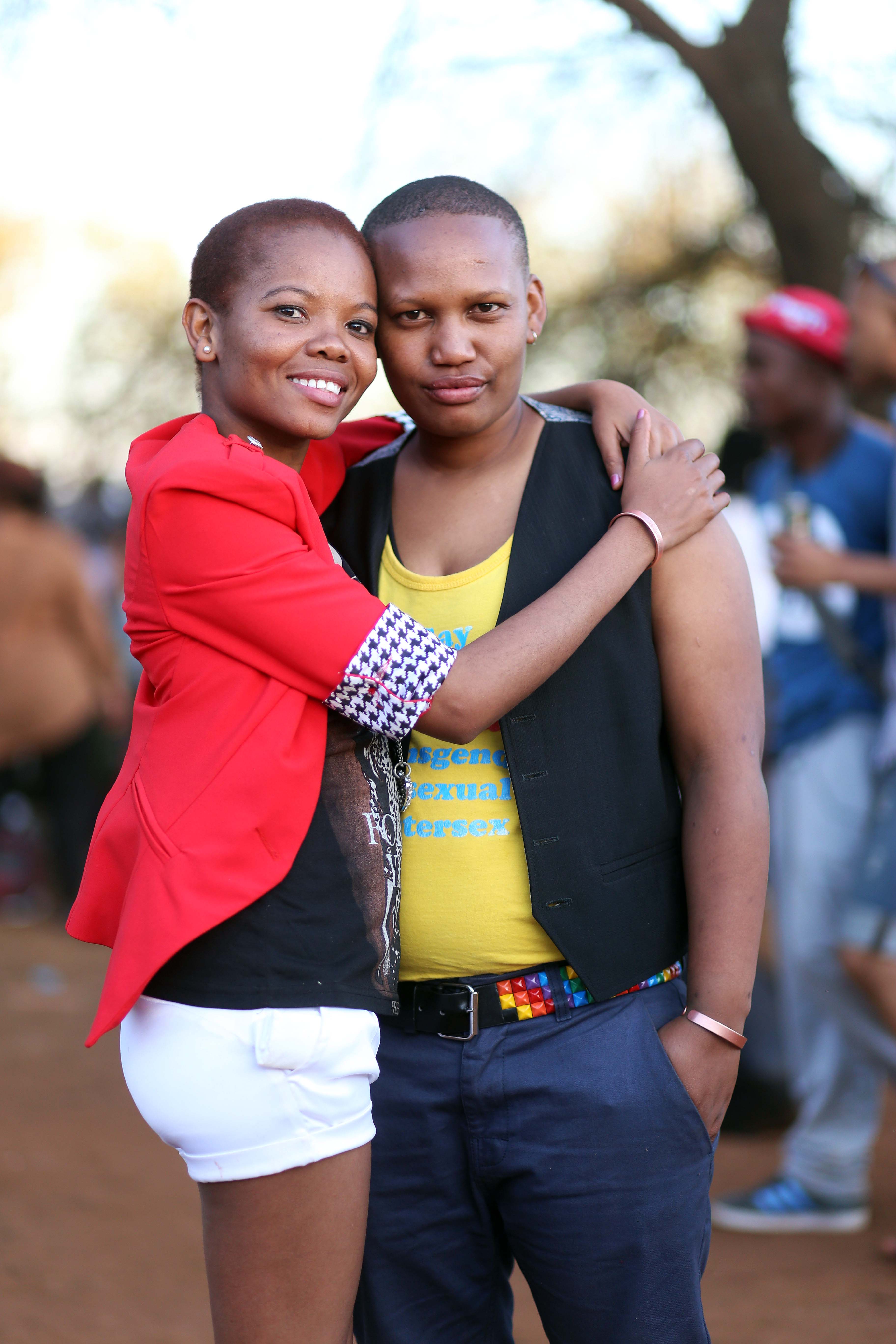
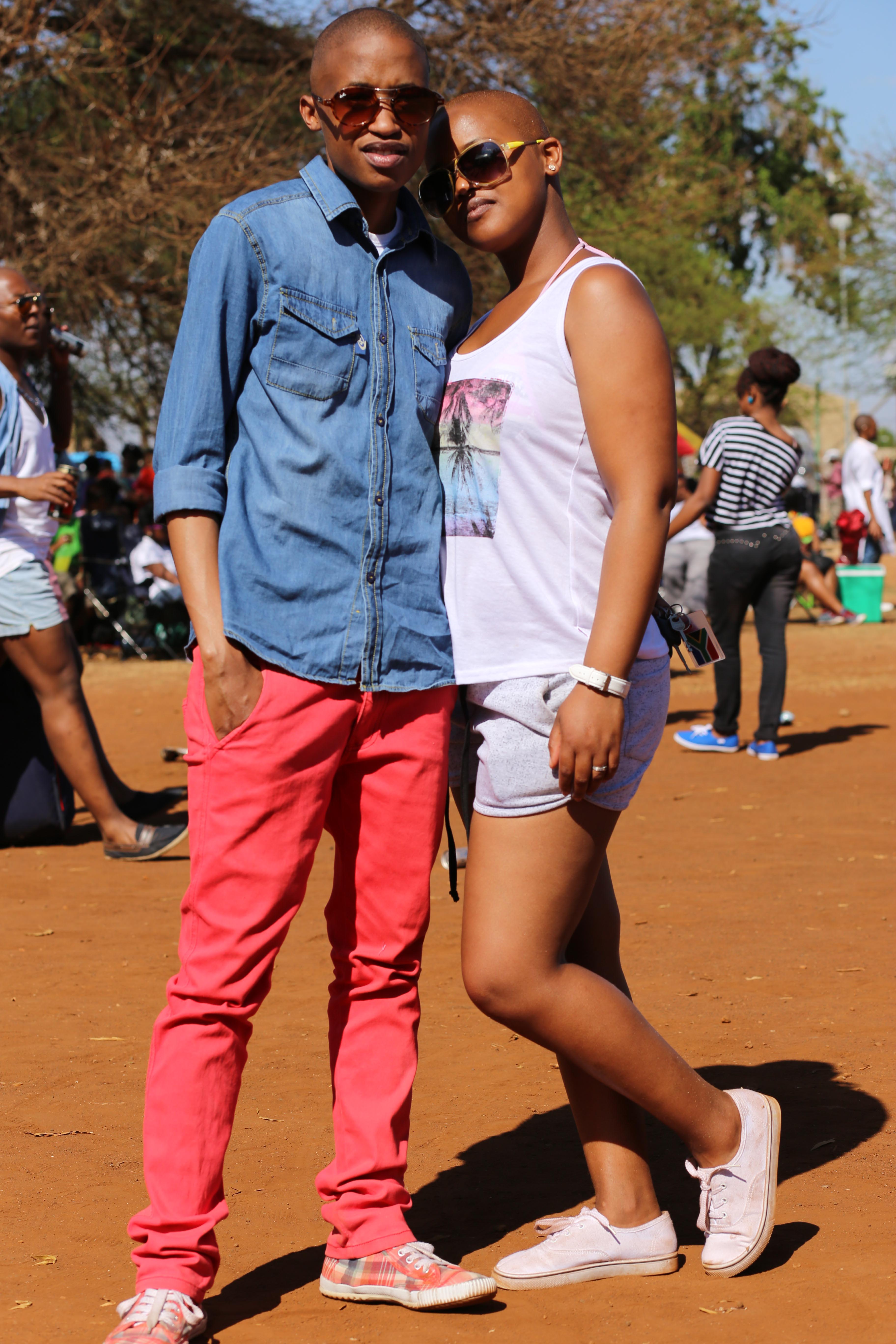
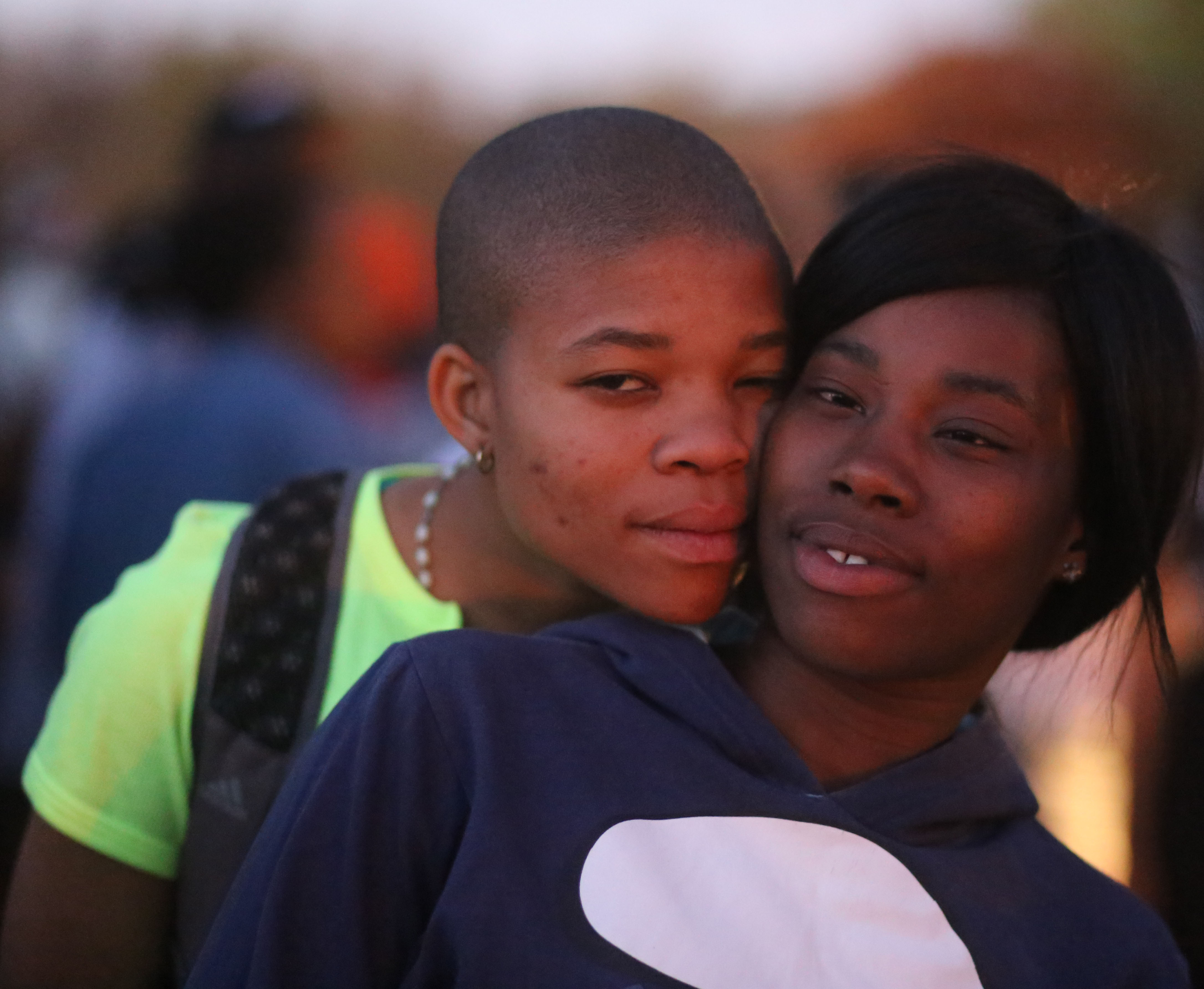
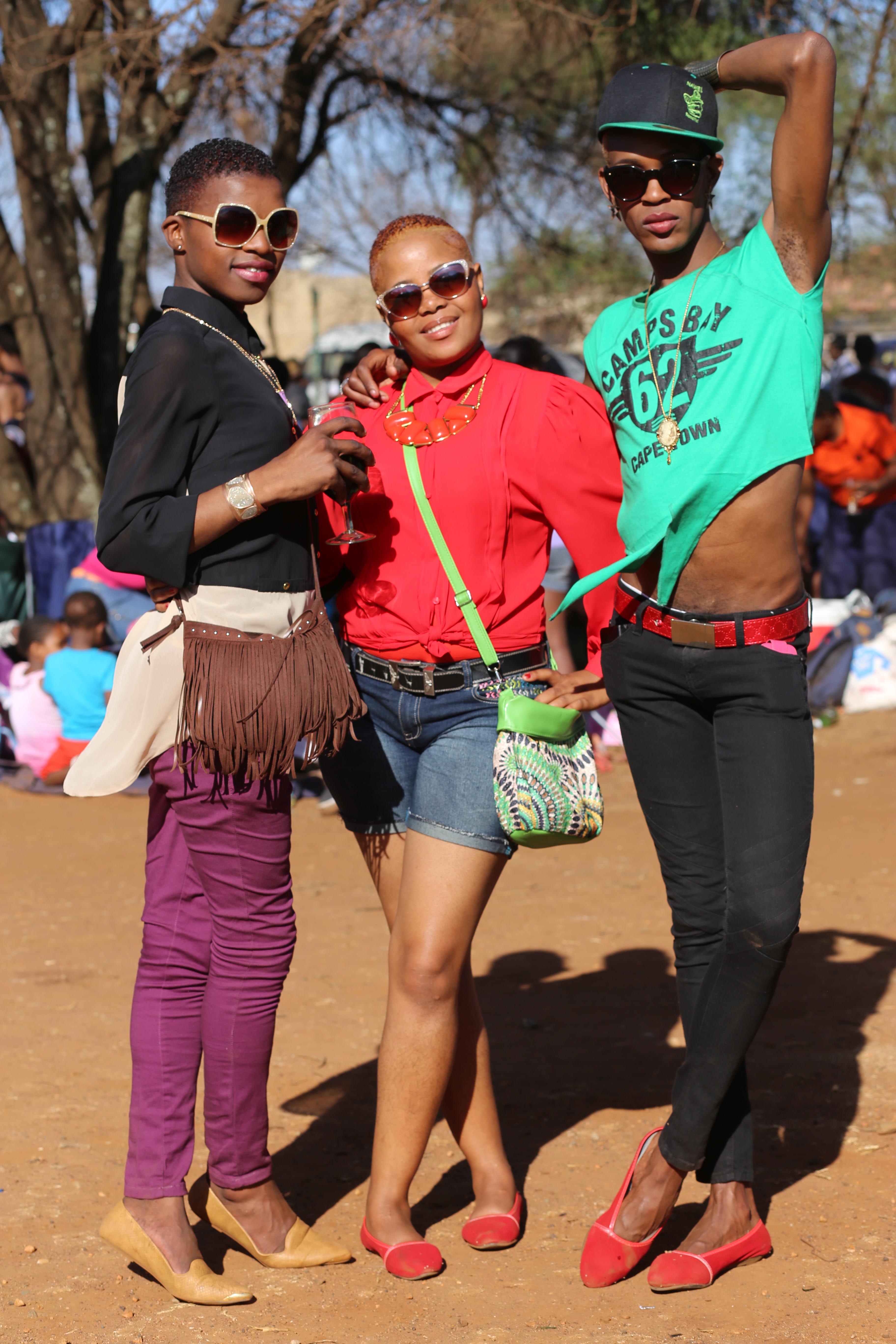
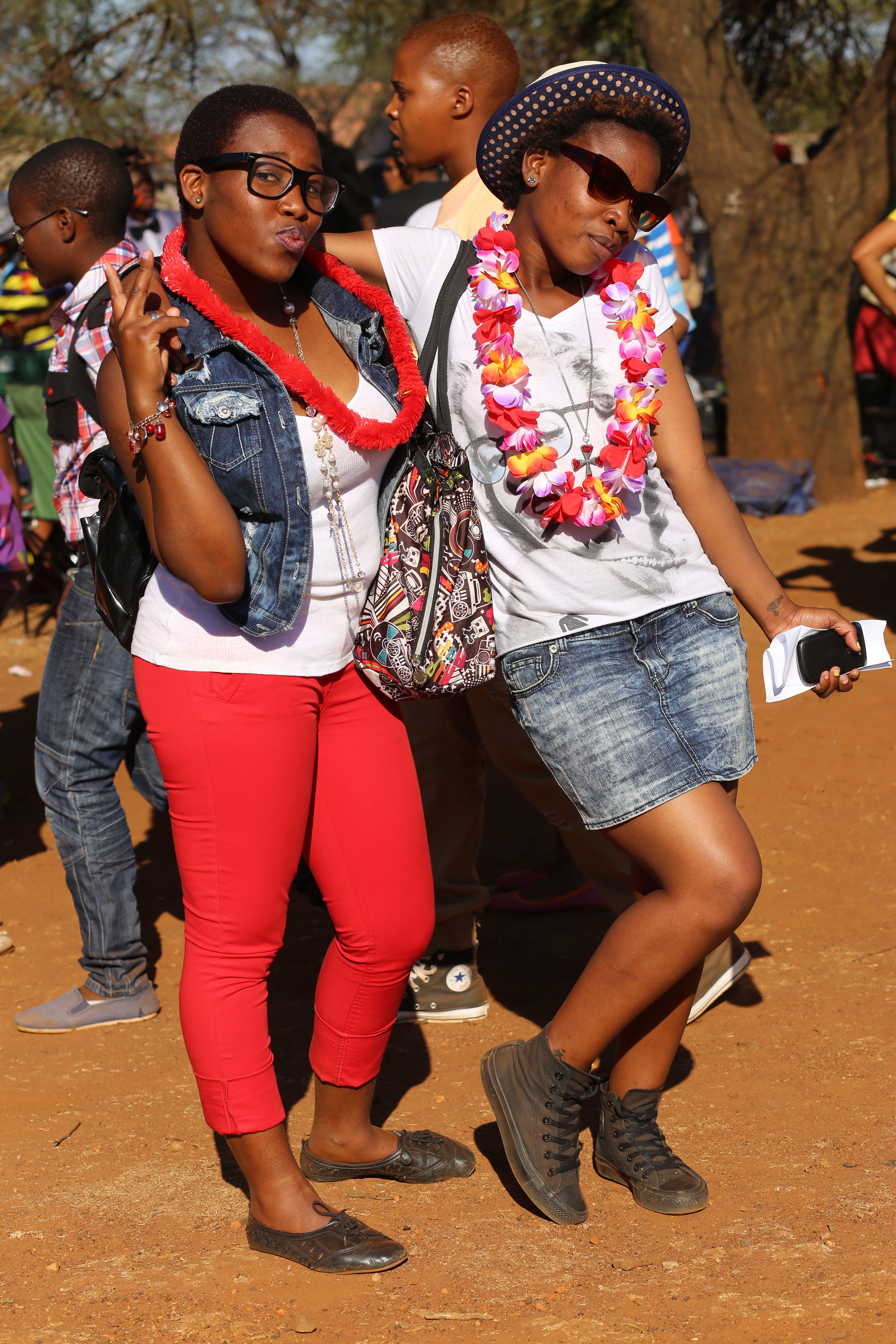
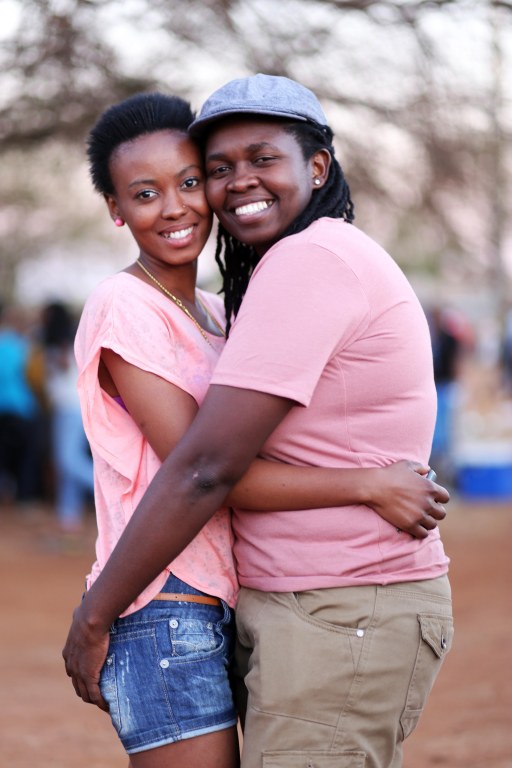
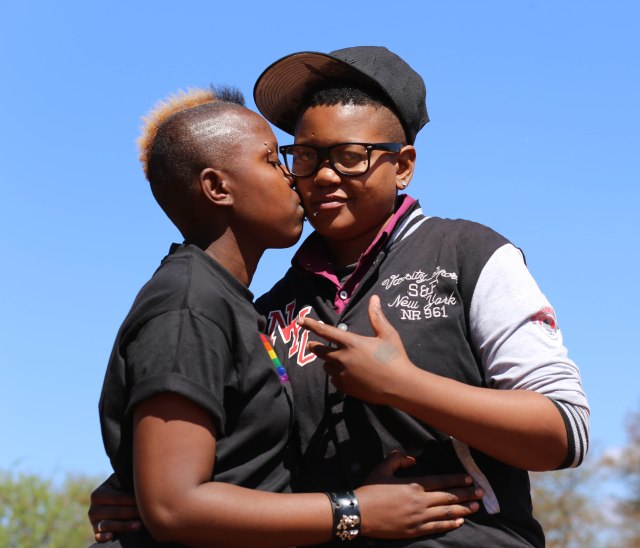
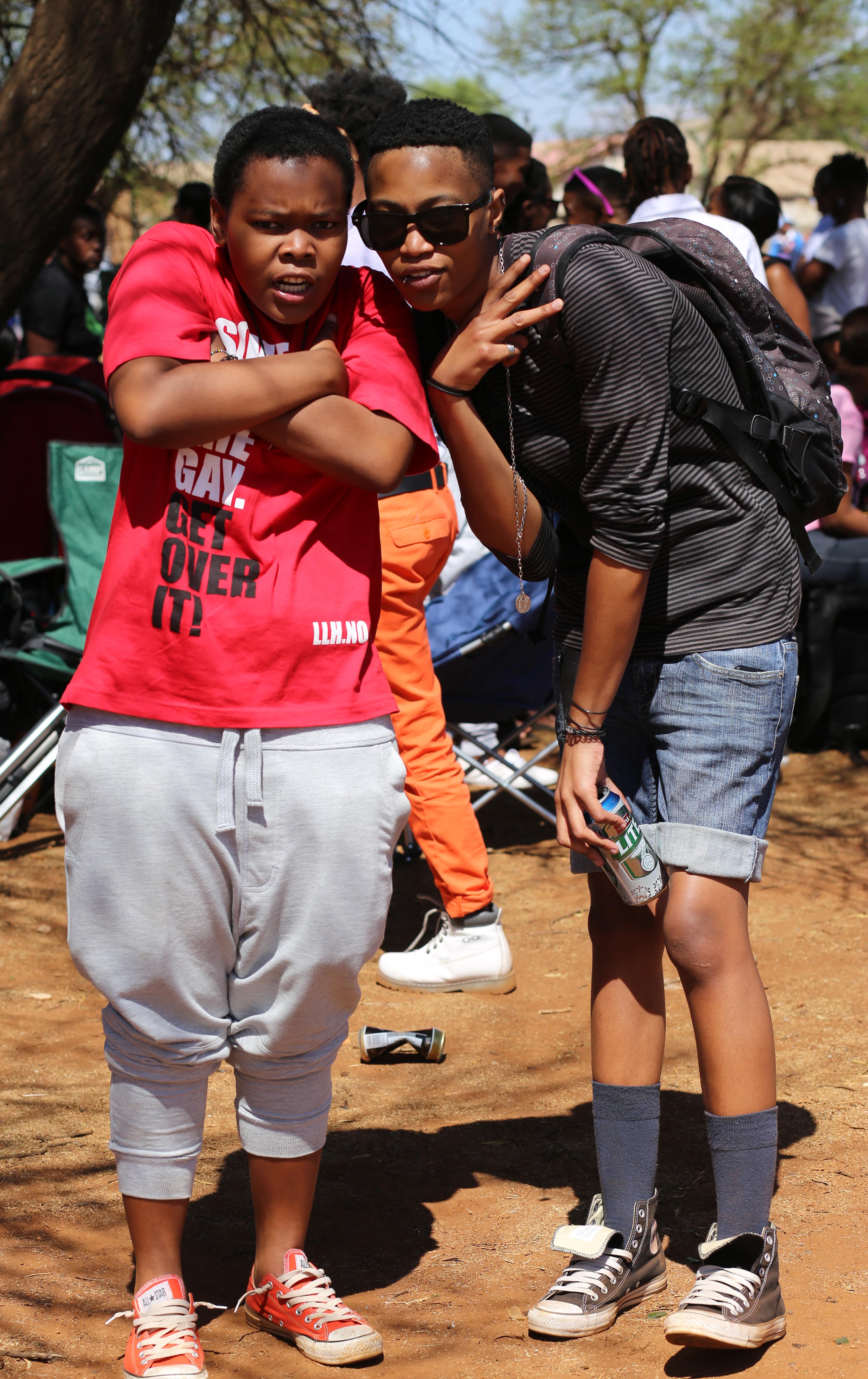
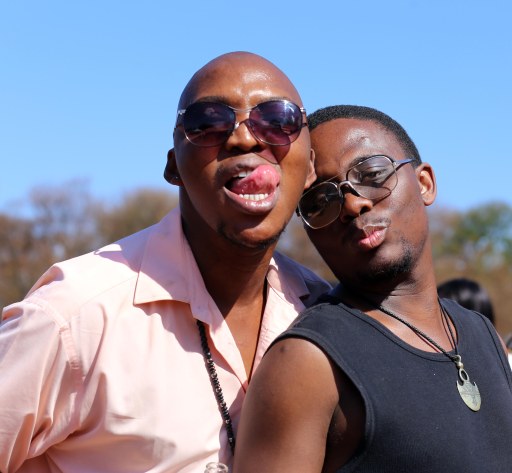
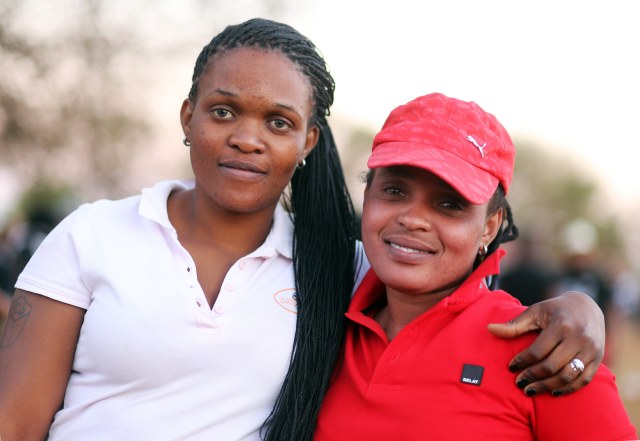
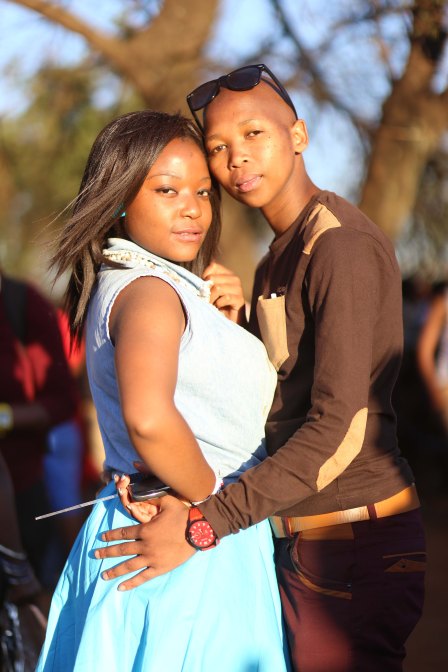
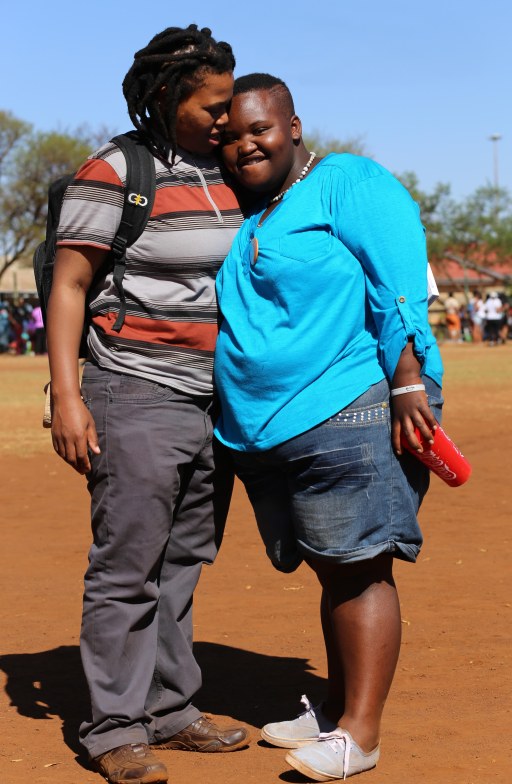
2013 Sept. 30: Intimate kisses at Soweto Pride 2013

2013 Sept. 30:    Intimate kisses  at Soweto Pride 2013


Baby dyke_7405


Maureen & Musa_7364


Beautiful ppl_7381


friends_7457


Amanda & Ayanda_7137


Baitiri & LesEgo_7409


Kopano & Handsomes_7358


Fifi & Friend_7280


Keba & Nosi_7164


lovers palesa & palesa_7471


Katlego May Phooke Candice_7220


Leptie_7197


Friendships_7252


Beauties & handsome_7418


marco & friend_7155


Gertrude & friend_7455


koyo & friends_7184


Cindy Daughter Charmain_7361


Busi Ayanda Bathini_7428

Bathandwa & friend_7389


Asanda Zim & friends_7458


Busi & Nqobile_7463

Boni & friends_7417


Funo Akhona Lesiba_7152


Margo & Luc_7431

Manika & V_7126


Lynne & Xana_7099


nini khambule_7372

ntokozo & friend_7395


Phumla Masango & Partner_7429


LesEgo Virginia and Friends_7262

Thabisa & Lethang_7119
Thami & friend_7161
Sandra & partner_7440

tumi & friend_7398

Vanya & Kemelo_7169

Zi Koketso & friend_7189

Vintage friends1_7177


photo friends_7467


Location:  Credo Mutwa Park, Soweto. Johannesburg, South Africa.

Photos by Zandile Makhubu & Zanele Muholi
© 2013/09/28


Previous article on Soweto Pride

2013 Sept. 29: Soweto Pride 2013

Posted in Activism, African Queer Beauty, Another Approach Is Possible, Archived memories, Archiving Queer Her/Histories in SA, Arts, As we are, Beauty, Before You, Black Queer & Gifted, Characters, Collaborations, Collectivism, Community, Crea(c)tive senses, Creating awareness, Cultural activists, Democracy, Documentation; Filming; Photography; Community, Empowerment, Entertainment, Evidence, Exposure, Expression, Friendships, Gender naming, Homosexuality, Human rights, Independence, Inkanyiso crew, Johannesburg, Kisses, Know Your SA Queer History, Lesbian Love Is Possible in South Africa, Life, Life partners, Love, Media works, Our lives in the picture, Participants, Photo album, Photography, Power of the Voice, Queer community, Queer visibility, ReClaim Your Activism, Records and histories, South African Black Female Photographers, Textualizing Our Own Lives, Together we can, Visual history is a Right not a luxury, Visual Power, We Are You, We were (t)here, Women who have sex with Women, Women's power, Youth voices, Zandile Makhubu, Zanele Muholi | Tagged | 40 Comments

2013 Sept. 29: A fierce episode


by Xana Nyilenda

For a while I had been out of reach from the world and friends.

I decided to have nothing to do with technology, parties and alcohol, a monstrous beast that had consumed my entire life.

I ran away, from thoughts, feelings, and lost all logic and reason. I was living in my own world, one where my only worry was if Daniel Nyathi would die in a cage without anyone ever noticing he went missing (that’s a reference to the television soapy “Scandal” for those who don’t know).

I had gone AWOL, too busy feeling sorry for myself to even care if anyone would notice. I created my own world, a place where I had fooled myself into thinking I had regained control of my life. However mundane and monotonous it had become, I didn’t care, it was mine and I owned it.
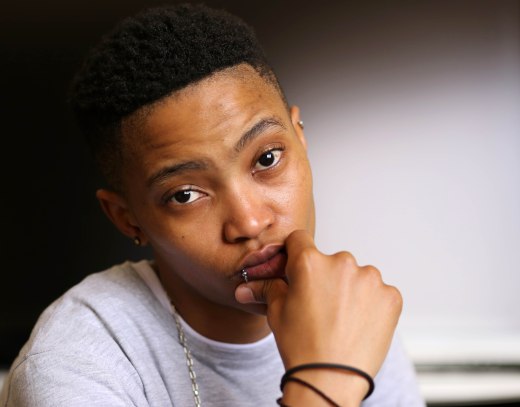
Image

Xana @ Room 810 Miyako Hotel in Los Angeles on the 21st Sept. 2013.
© Zanele Muholi

What pleased me was that I was beginning to find myself again, having come to terms with the reality that is the bi*@t* some of us call life.

 I eventually found the “Me” I had lost so long ago.

About a month ago, after a fierce episode of “Survivor” reality show (that’s how exciting my life had become). I was about to lay my head to rest when…

A call came in, It was a private number; anyone who knows me will tell you that I don’t answer those. Especially after hours because of the upsetting period when I received calls from an unknown enthusiastic breather earlier this year. This one I answered though.

Why? I asked myself that too.

After hesitantly pressing that green button I heard a voice,

ME: Hello?

Caller: Xana?

ME: Sho…

Caller: It’s Zanele Muholi… You wanna go to LA with me

ME: What?
(Confused as hell)

ZANELE: Los Angeles, California ndoda(man)!

Do you wanna go?

ME: Yeah! When?

ZANELE: I’m in Paris right now I’ll text you then email the details.

For now send me a copy of your passport.

ME: Sure ngizokusendela manje (I will send it now).

ZANELE: Perfect!
This will be your freedom.

Sisonke! Bye.

ME: Bye.

That was the end of that call and the beginning of a new thing in my life.

“Freedom” that word stuck with me echoing in my mind, God knows I needed to be free again.
After having imprisoned myself in my mind and within the confines of four walls that housed my bed where I had found my solace.

Freedom I thought. Igama enganikwa umzali kodwa ngingalazi ukuthi liqonde ukuthini.
This was my chance, my time. After endless nights of meditating, soul searching and praying for a sign, hoping for change big or small, I had been answered.

Inkululeko … thoughts of how life had been until that very moment when I decided to answer that call rushed over me.

Suddenly overwhelmed with feelings of fear and excitement, anxiety and panic but change and freedom were beckoning and I wasn’t going to ignore them. I said a silent prayer of thanks and for the first time in 9 months I fell asleep soundly.

First thought I had waking up was that my mother; who had been my pillar of strength in my darkest moment would be the first person I’d tell- it would surely bring a smile to her face again.

I went back home, after being away and alone for so long. I witnessed her kneeling every morning and evening praying for salvation never for her but for me. Her daughter who had become the empty vessel she could barely recognize anymore.

I was right she did smile, pausing to say, “Usameleni?

Hamba uyogeza khona uzolungisa izinto zakho. Ngizokwenzela ukudla.

“What are you waiting for?

Go bath so you can prepare your stuff, I’ll make food for you.

She was happy for me I could tell even though she tried to contain it. It showed, I saw my mother a strong woman shed a tear of relief. She gave me her approval and I set out to get everything in order to acquire my visa.

I was going to the birthplace of one of the biggest film making industries in the world, Hollywood. Being a filmmaker myself, this was huge – if that wasn’t a big sign from the universe to me, don’t know what is. This was a dream coming into fruition one that I had forgotten in the insanity of pleasing others.

My non-immigrant US visa application required me to fill in an online form called a DS-160, which can be found on http://www.usvisa-southarica.com. While doing this I realized that nothing is private except only your thoughts and intentions. Answering questions such as a where you live, where you work and how much you earn. To questions such as what your father’s name is where he was born etc. This made me wonder why they would care when you don’t- (different story for another time). I successfully submitted my online visa application, which was the easy part

I had book an appointment for a mandatory interview that every applicant trying to get into America has to do. How?
I couldn’t for the life of me figure it out, even after days on end spent doing research on the matter.

Being a first time applicant and having to do this by myself was so frustrating and intimidating.
I honestly wanted to give up and revert back to the little bubble I had created to protect myself but
I didn’t want to turn down this opportunity. I didn’t want to let down a friend and organizers of the symposium so I pushed hard, anxiety and all.

I decided to go the Durban consulate of America myself to clarify everything. I was lucky enough to be let in the consulate without an appointment to get the information I needed which I’m told hardly ever happens. This in turn led to me getting my interview booked five days before intended day of departure- cutting it close I know – but I can confidently say I did it all by myself.

Anyone interested on how to apply http://www.sa.visa-info.comis a perfect place to get step-by-step procedures. Word of advice though for those interested in visiting other countries to be prepared for long hours on the Internet, frustrating phone calls. Call centers where you are put through to operators with accents that are impossible to understand much like how they won’t understand you.

Which makes one wonder why they have them in the first, because they are about as useless as wearing heels at the beach. Be prepared to stand in long lines at the bank and police stations.
Make sure all your documents are in order to determine your entry into that country. I cannot stress enough how important it is for you to know the address of where you will stay and contact details of your host, otherwise you’ll get a big fat NO.
Meaning all the money spent for the procedure goes down the drain. I didn’t encounter many problems with the acquisition of my US visa as it was approved after answering only one question. I considered myself to be lucky, don’t make the mistake of not studying your documents and doing all your research with regards to your trip.
I received my visa a day before travel, I packed and said my goodbyes and set off on a bus trip to Johannesburg (Jozi) where I would meet up with Muholi before heading to OR. Tambo Airport. On the way to Johannesburg, It seemed my luck had taken a turn for the worst when we encountered a serious accident.

This caused a three-hour road closure and for me to be stuck in a static vehicle with strangers and no room to move or even breathe.

I honestly didn’t think I’d make it on time for the flight but by the grace of some powerful forces I arrived in Jozi safe and sound.

Nine hours on a bus from Pietermaritzburg to Johannesburg, anticipating the longest flight I’m yet to experience.  They say your whole life changes in an instant, in my case, mine literally changed at the click of a camera button.

To be continued…

Previous article featuring Xana

2013 Sept. 23: Leaving Los Angeles


Posted in 1987 -, Art Is A Human Right, Art is Queer, As we are, Beauty, Before You, Crea(c)tive senses, Exposure, Expression, Friendships, Inner feelings, Know Your SA Queer History, Networking | Tagged | 2 Comments