
Where: BELGIUM
Photos by Zanele Muholi & Themba Vilakazi (10.08.2013)






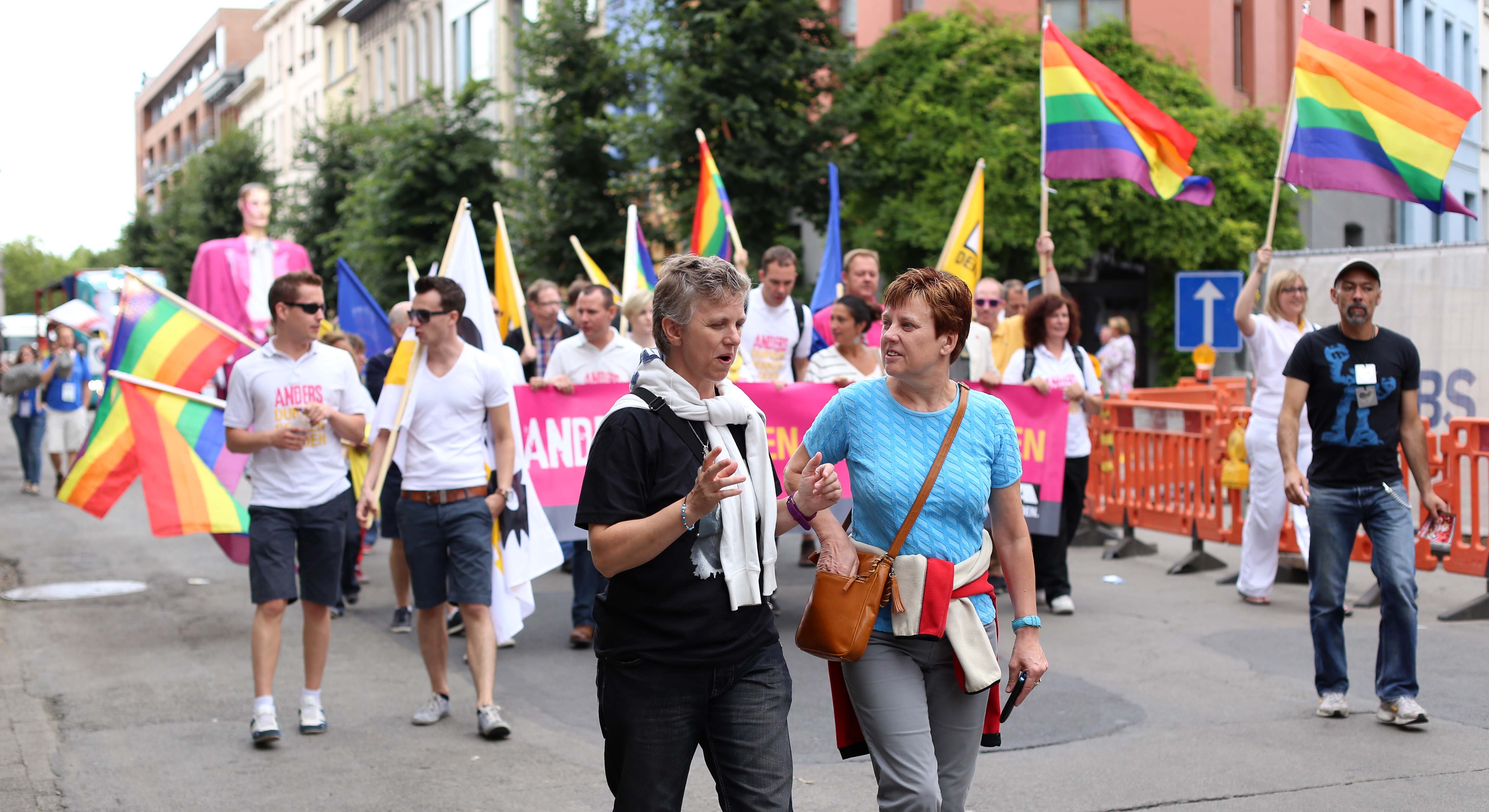
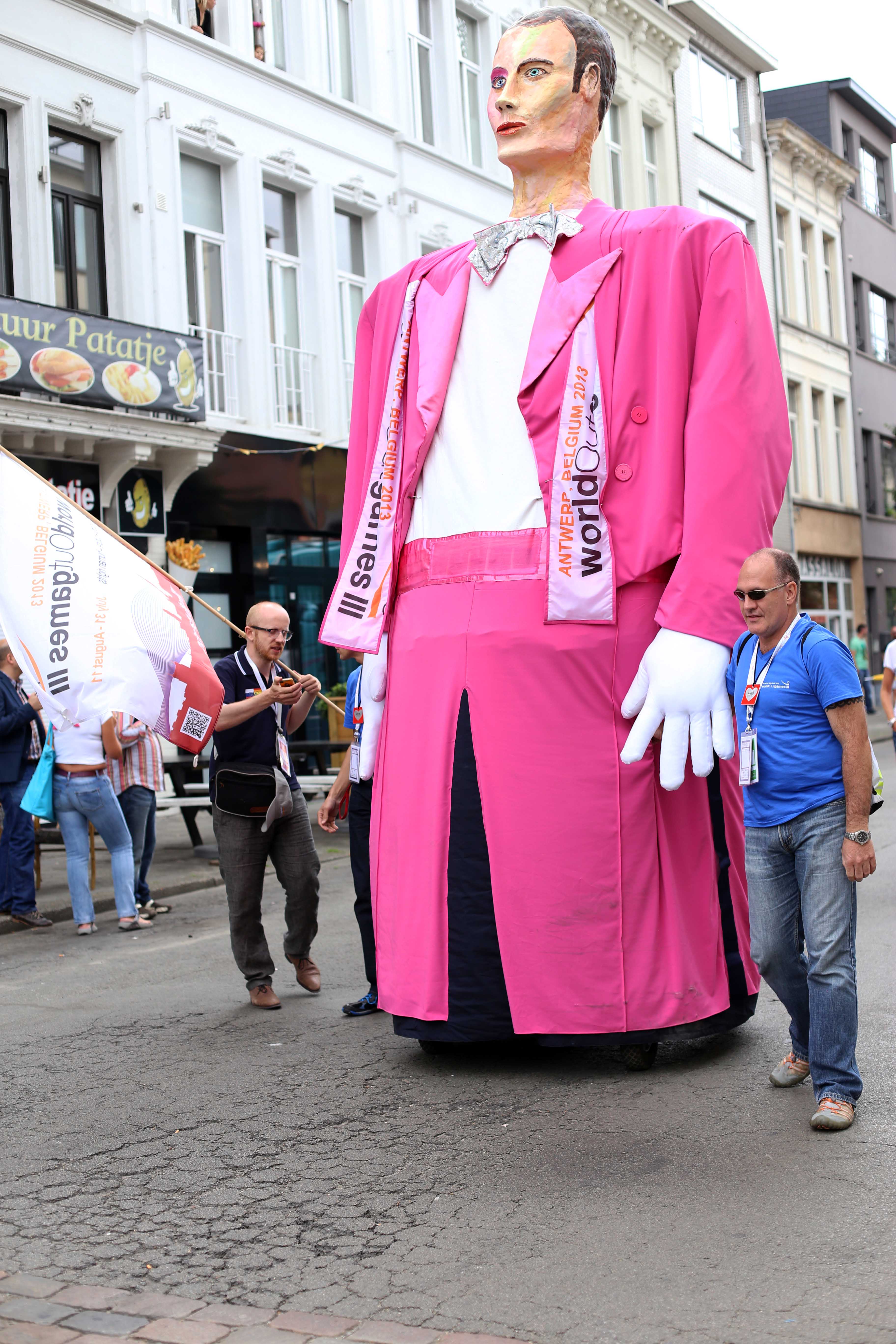

Where: BELGIUM
Photos by Zanele Muholi & Themba Vilakazi (10.08.2013)
by Dikeledi Sibanda
Where: Antwerp, Belgium
What: 2013 World Outgames
When: 31 July – 11 Aug.
First of let me acknowledge the National Women’s Day to all the women in South Africa, it is hard for me to say Happy Women’s Day since we all know the hardships that many women are faced with in our ‘democratic’ country.
I might be writing this note right now and yet a woman or a girl child is being raped or violated. Personally, at this moment there is no cause of celebrating this historical day till all women in my country are free from the entrapment of gender based violence.
On the 8th August 2013, I was awarded with a gold medal by WOGA officials for making it through to the finals and as well as beating the Russian team we played against. However, somehow the medal I wore around my neck did not feel special instead it made me sad.
I say that because I didn’t win the medal playing with the team I belong to, which is Chosen FEW. I won the medal with a Belgium team that I was placed in just so that I could play soccer.
However, that is not the case, I am here alone to represent the whole team, a team of capable and talented young black lesbians, but due to financial support the team couldn’t make it to Belgium.
With that said, I refuse to keep quite and not voice out my frustrations about this whole thing.
Chosen FEW applied for the World Outgames scholarship well in advance as to make sure that we get full package. Coming from poor families, we knew that we couldn’t afford to pay for ourselves and wanted to participate in the games that are by and for us gay people.
After registering for the outreach program, WOGA responded and offered the team partial outreach, which only covered registration, accommodation and allowance. The biggest challenge that we encountered was the return flights for 13 soccer players from South Africa.
We wrote to the WOGA organisation and explained our situation and our grievance fell on deaf ears.
We then as Forum for the Empowerment of Women (FEW) did everything in our best to fundraise for the team to get flight tickets and sporting equipments.
We held a range of activities and events to raise funds, we used social media networks and website to ask for donations and support from individuals who were willing to assist us.
We even sent out concept notes to relevant funders and companies e.g. South African Sports Confederation and Olympic Committee (SASCOC), soccer city and the Gauteng Departments of Sport (GDS).
Different individual donated but still it wasn’t enough, all the money that was raised wasn’t enough to even to pay for one person’s return ticket. Coalition of African Lesbian also pledged to pay for one person to go and represent Chosen FEW.
With all the different support received it was still not enough because we didn’t get sufficient assistance from our own government particularly from the Sports & Recreation Department and private sponsors.
The whole experience of struggling with financial back up showed that we still have a long way to go when it comes to accessing services for black lesbians athletes in South Africa.
It’s even worse now that I am here, the welcoming was cold. The place that I am hosted at is not a good space. The sports tournament is too white and discriminating. I felt that white people enjoyed certain privileges more than the minority blacks.
There’s nothing good, friendly or equal about the 2013 World Outgames.
There are not well organized, and people who needed support the most were not given.
To say that the aim and goal of creating an equal space for queer people who love sport with no action is just a fantasy.
Queer sport spaces are not yet accommodative when it comes to black LGBT’s especially for black lesbians. The spaces are predominantly white and male dominated.
The absence of black queers in the organization of the Outgames I feel is the cause of this racial division within, expecting white people who do not relate to issues we deal with as black queers is illogical; but then again, if us as black people we don’t involve ourselves in such spaces such divisions will always be felt.
I sometimes ask myself what’s the meaning of the World Outgames and what purpose do they serve?
I first attended Chicago Gay Games in 2006 and for me that was a lifetime experience and it will never be the same again. Those games had brought people together, we shared our stories with other countries, and we were well received and our presence there was greatly appreciated compared to what I am experiencing here now.
I feel the absence of Chosen FEW at the World Outgames, considering the fact that it is the only ‘outspoken’ black lesbian soccer team I know off from the African soil.
Their presence would have made a queer, political statements: of inclusivity and equality like they did in all previous gay games we attended.
I feel that the lack of support from sports departments in South Africa is homophobic, but what do we expect from a country that doesn’t respect rights, which are enshrined in the Constitution.
I would like to edge that South African sport bodies, to start taking us: black lesbians sport persons serious and support queer people in any other forms like they do with other minority groups like Amakrokokroko.
They must be proud of us because we are deserving/ talented/ passionate about sports.
We want to represent South Africa at international games.
Related articles by Lerato
2013 June 17: Fundraising for Chosen FEW
and
Previous by Lesego
2013 Aug. 6: Invisibility of black lesbians ‘From safe harbours to Equality’
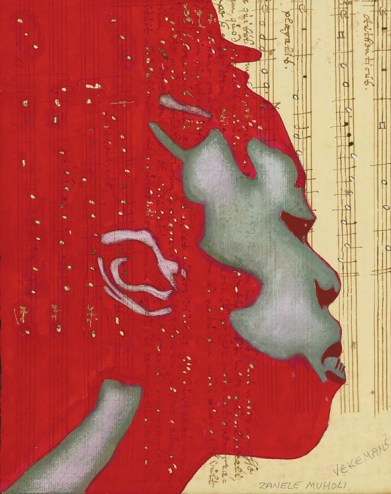
Activist seen by an artist… (7th Aug. 2013)
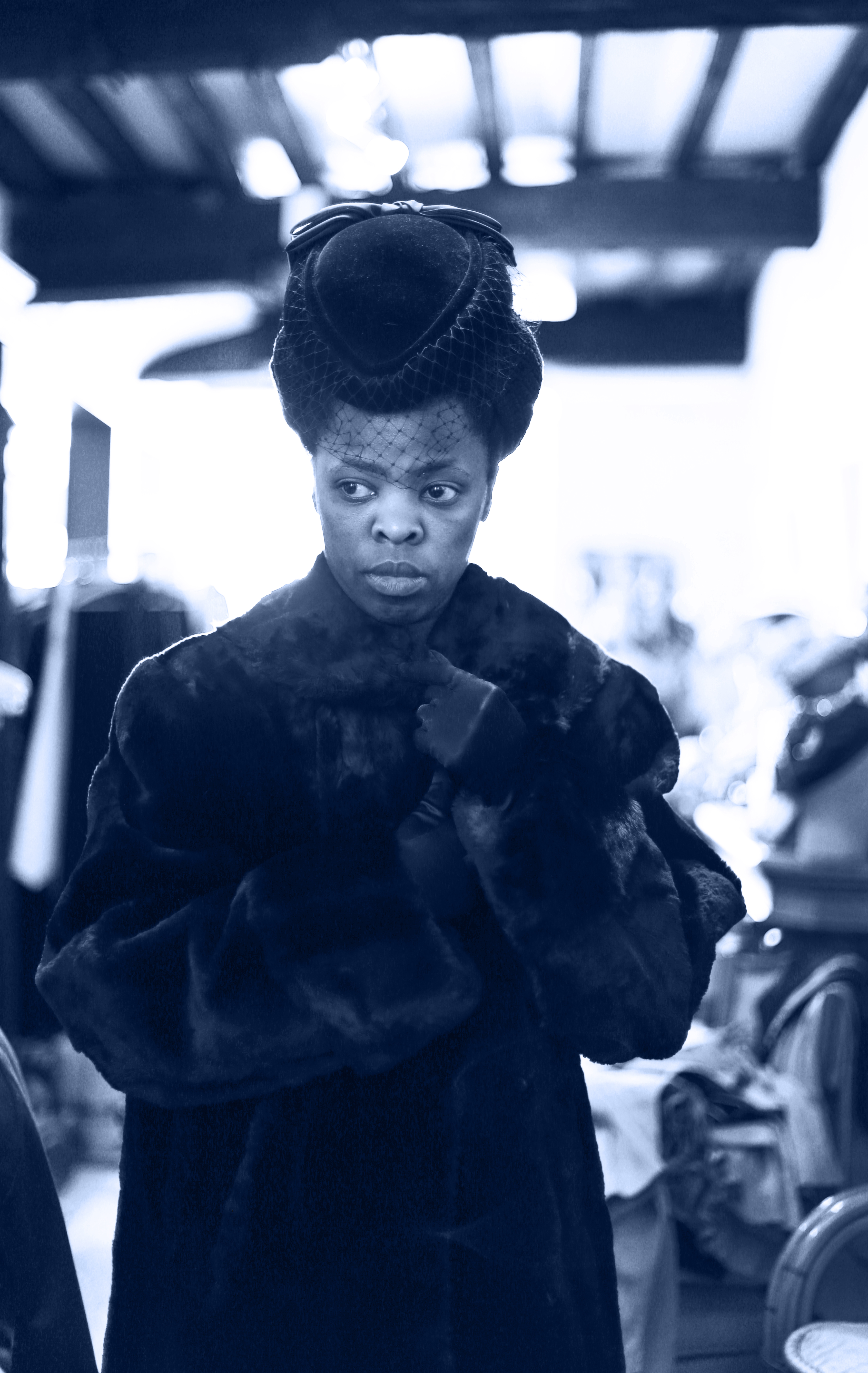
Photo by Themba Vilakazi at Anne Van Verbeeck’s vintage shop, Antwerp.
(9th Aug. 2013)
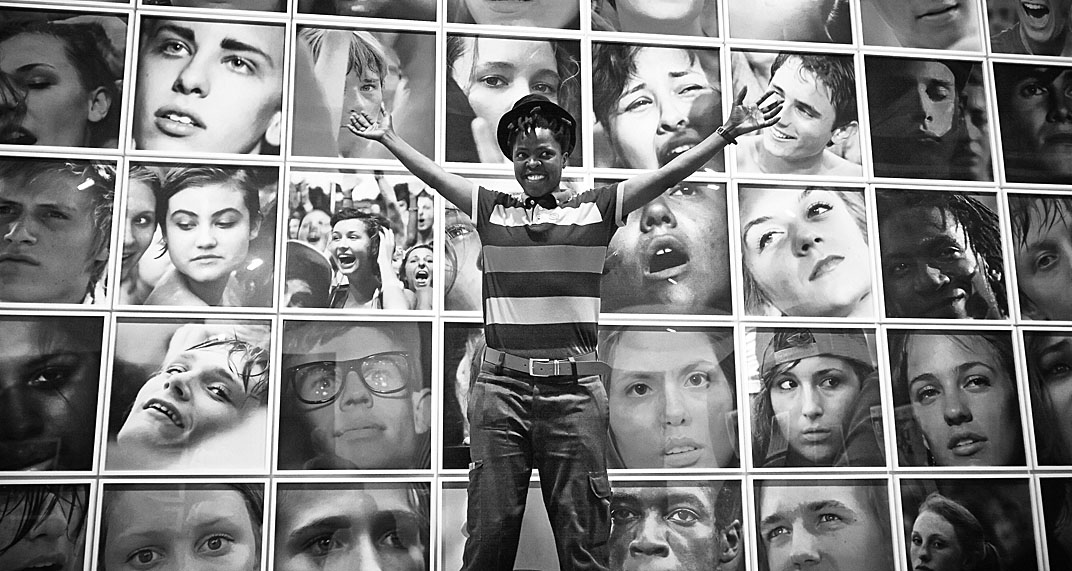
A visit to the FotoMuseum (FoMu), Antwerp.
Photo by Alain Six. (6th Aug. 2013)
Location: Antwerp, Belgium
Related articles
by Kopano Sibeko
According to the PR person at the Press room, he stated that only 31 South African athletes made it to the 2013 World Outgames, Antwerp. There are 17 males and 14 females whose race cannot be disclosed due to privacy.
He did not know how many of those individuals were offered outreach package.
One cannot imagine the number of LGBT talent that is out there with(in) a population of +48 million.
It’s been eleven days since I arrived in the beautiful city of Antwerp, Belgium. I am still intrigued about how the name of this city came about, quite exciting and weird. This city holds a lot of historical background and all that surrounds it dates back to some historical event some how, which is rather pleasing and adventurous.
The beauty that Antwerp, Belgium holds, is quite evident in the pricing of food and clothing, life here is pretty expensive. Going back to my previous draft about the food here, I am kind of adapting but I’ve pretty much stuffed myself with hamburgers and fries those are the closest kind of foods that can relate to our oh so diverse food in South Africa.
However, buying a burger is expensive, the cheapest burger is 3 euros which is equivalent to R39.00 in South African rands. So, basically if I eat three meals a day I’d have to multiply that 3 by R13 = R39.00, in total I would have spent R117 a day on food alone. I speak not of the fact that my colleagues also have to have had three meals a day if I start counting I’ll lose it. The broader picture here is that it is really expensive to visit Europe countries without finances/ sponsorship.
Another reality check is that I came to document the 2013 World Outgames, apart from Inkanyiso Productions, the mainstream media from South Africa is not here to cover these games which is quite disappointing since we are a democratic country. It bothers me that the outgames are not even recognised by African media houses like the mainstream World Cup and Olympics. South Africa legalised same sex marriage in 2006 and amended the Constitution in 1996. The holy – queerly book reads that no one should be discriminated against on the grounds of sexual orientation which is clearly stipulated in the Bill of rights, Section 9 subsection 2.
Now I have so many questions and wandering in this foreign space.
Is our SA government totally oblivious to the fact that there are such games?
I mean maybe my exceptations are pretty much way overboard I guess, when South African Football Association (SAFA) fails to recognize or sign Chosen FEW which is the only outspoken lesbian soccer team in Africa and have long existed let alone represented us at 3 major international games. It is a shame that Chosen FEW could not travel and represent again due to lack of resources, even when some players tried to fundraise still they could not make it to this year’s Outgames.
It is not only soccer players affected by lack of sponsorships but other sporting games. This is not even on a national level but worldly stance.
Does this not mean anything or South African government could not even be bothered to help such queer initiatives?
Yet another reality hits me that even these games are white dominated maybe we could justify it by concluding that most african states are not so liberal and that the thought of advocating sexual rights through sports would be something else, maybe my thoughts are a little far off, because I could literally count the number of African states that were present on one hand, or we could easily say that maybe people are not as expoesd to information to use such opportune moments, but how am I to know of such if I don’t have access to internet, maybe black people are lazy. I don’t know but my observations are giving me the notion that there will always be standards.
The WOGA games also don’t have a lot of women participating in sports and maybe we could assume that women are generally not interested in sports or we could look at the factor that sports has had an element of sexism, women have always been sidelined and placed in a more domestic role, even in such spaces gay men are predominate and maybe women don’t want to be in the forefront but there needs to be a balance which means that the games need to be promoted and if the state doesn’t want to co-join with us with sports when we are openly gay then maybe they should place aside funds that allow us the same opportunities. Women who are openly gay cannot participate in sports and if they do they have to be secretive about it.
Why is it that we still have to hide that’s even besides the point, why should who I have sex with have anything to do with my work?
How will that affect my performance I mean realistically speaking?
It saddens me that the only sport that we can say that black people actively participate in is soccer and other sports we can point out the number of people or one black person, and if any they are lucky because they got the luxury of attending a multiracial school which offers more than public schools, infact public schools don’t even have sporting grounds.
My reality seems to be in check constantly since I came here. I’m always mentally awakened especially by the fact that although we say to the world we have moved on from racial borders but truth be told white people are still presented with opportunities and monetary power than people of colour could ever be.
People here have received us well but we still get those stares as if being black makes one half human.
I find it rather awkward that most of their relationships here are biracial maybe it would be wrong of me to assume that most black people that reside here marry white people to get citizenship or maybe I’m just overstepping my mark here I don’t know.
My observations could be obscure and maybe negative, but these are some of the things that I observed that happen everywhere around the world and until we deal with racial, sexual and gender borders we could move towards the right direction of living in a liberal world.
The Outgames are still on until 11th Aug. 2013.
Inkanyiso will continue to report live from Antwerp.
Previous by Kopano
2013 July 31: Almost all about my first time abroad
and
2013 July 15: The virus has become a silent relative
and
2013 July 10: Chaotic memorial service for Duduzile
and
2013 May 11: Actually, absolutely, definitely NO!
and
2013 April 21: Living a legacy is always better than leaving a legacy
and
and
2013 April 16: Not just a handsome butch lesbian
and
by Lesego Tlhwale
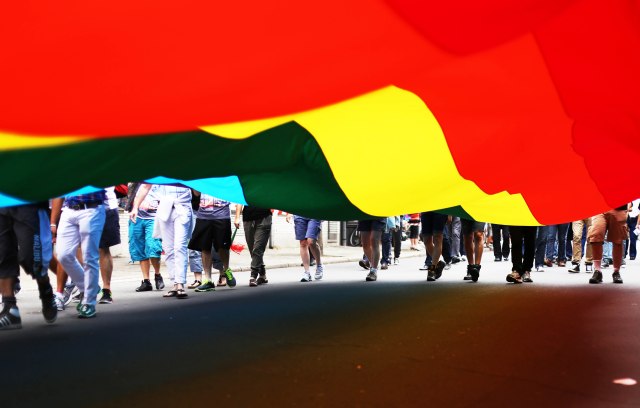
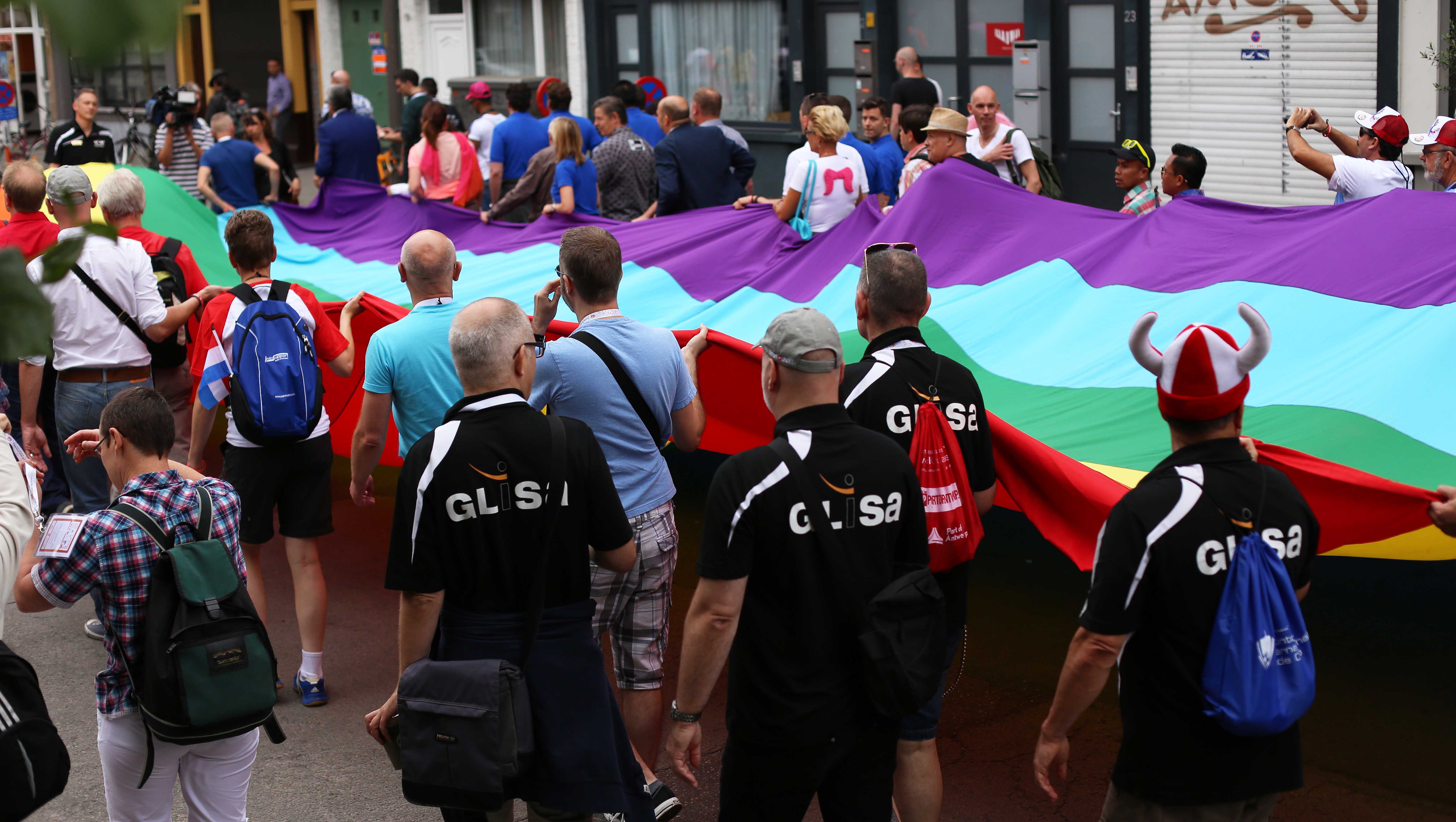
Colorful countries flags rose up in the sky with pride as hundreds of people walked in the Wanganitie grounds where the official opening of the World Outgames III in Antwerp, Belgium took place.
The anticipated 20,000+ participants from all over the world had arrived and looked ready to partake in different sporting events.
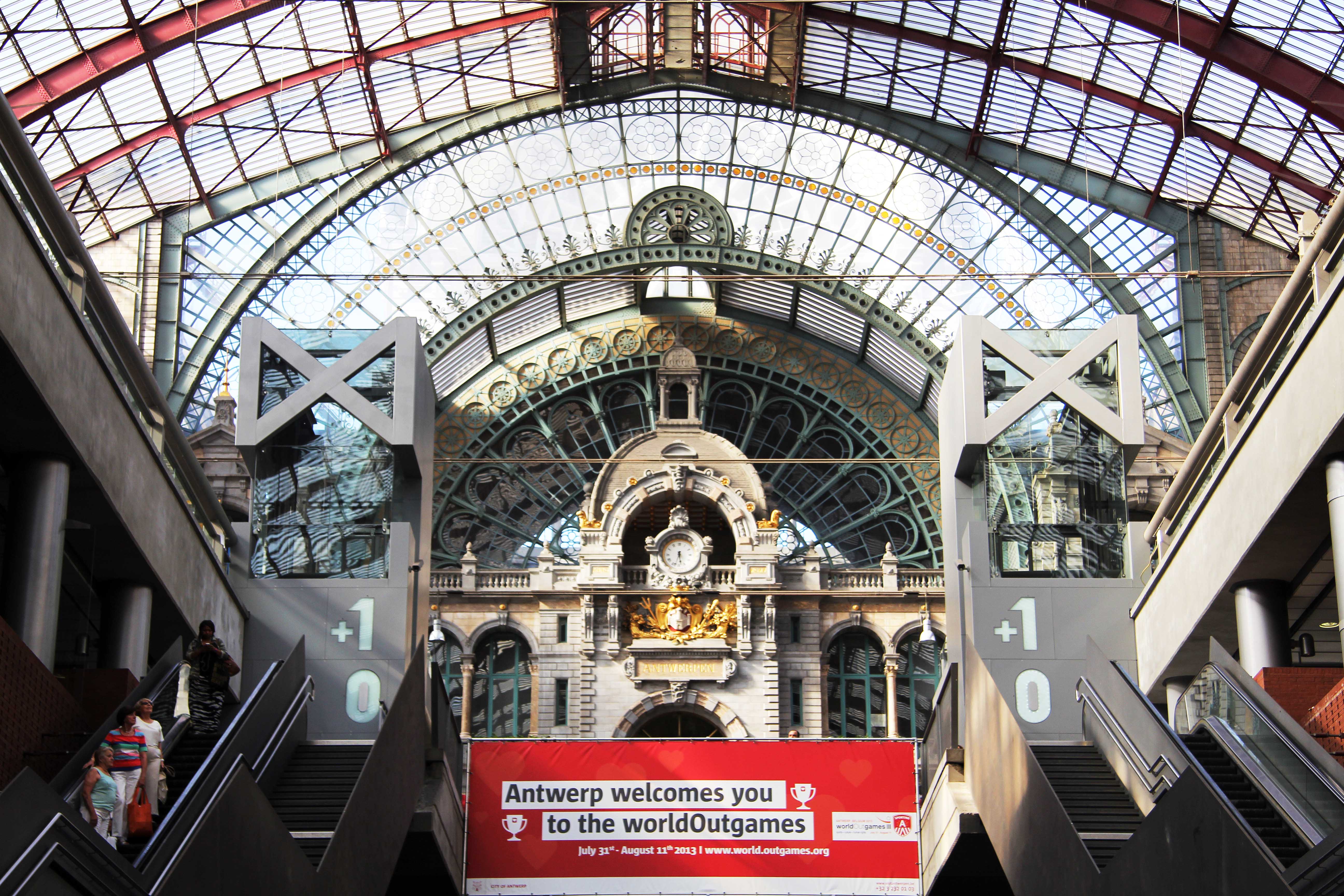
The WOGA banner at the Antwerp Central station.
Photo by Zanele Muholi (04.08.2013)
According to the chairman of WOGA over 100 countries registered to participate in the games and 20,000 people were expected to be part of the WOGA 2013. However, with such staggering statistics only a handful of South African athletes are in Antwerp and among those only one black lesbian is visible. We, as Inkanyiso are here to document since it is our ritual to cover such events and surviving through private funding.
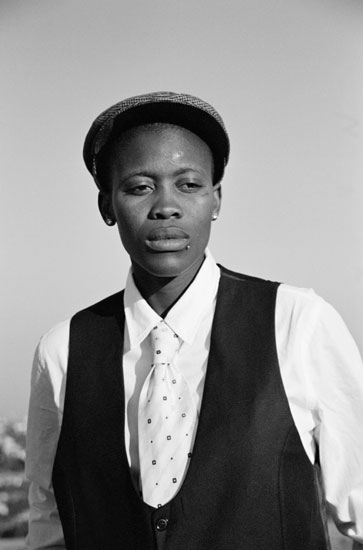
Dikeledi Sibanda, featuring in Muholi’s Faces & Phases. Photo taken in Yeoville, Johannesburg, 2007
Dikeledi Sibanda who is a member of Forum for the Empowerment of Women (FEW) and a team player of Chosen FEW, the only out black lesbian soccer team in South Africa was there to represent South Africa from Johannesburg.
Though one would wonder how is that possible for only one teammate to come all the way to represent in sport activities without the whole team. I mean it is a known fact that a soccer team is made out of 13 players inside the field.
Sibanda came all the way from Johannesburg to Antwerp alone to represent her team; this is due to the fact that the entire team that was invited could not raise enough funds for travel expenses to the host city.
According to Sibanda, the team was awarded an outreach package; however, the outreach condition was that the team had to pay for their travel expenses and visa cost and when they got to Belgium they would get refunded.
The outreach that Sibanda is talking about was given to most participants of the Outgames, however it had different reservation as some teams which were awarded the same outreach, their flight tickets were purchased for by the organisers of the Outgames.
Sibanda realized this when she asked some of the participants she’s sharing with where they went to get their refunds, and they responded by saying they didn’t have to get any refunds as their travel expenses were purchased by the Outgames organisers.
From what Sibanda has shared and from what I have observed I realize that the Outgames favored certain groups to other and this was evident in the manner the whole outreach thing was handled. For the coordinators to expect a team that is managed by an NGO which it self sources funding to function to pay for +-10 people return ticket is absurd.
This for me is a form of discrimination to the poor countries, sports men and women who have the talent and will to participate in such event but are unable to because of lack of financial support.
At the opening, mostly white participants where visible, and all of those white participants came with their team. I noticed this when countries were introduced on stage; Namibia was called on stage and only one black person came on stage, but when Russia or other European countries were called on stage, a bunch of people filled the stage.
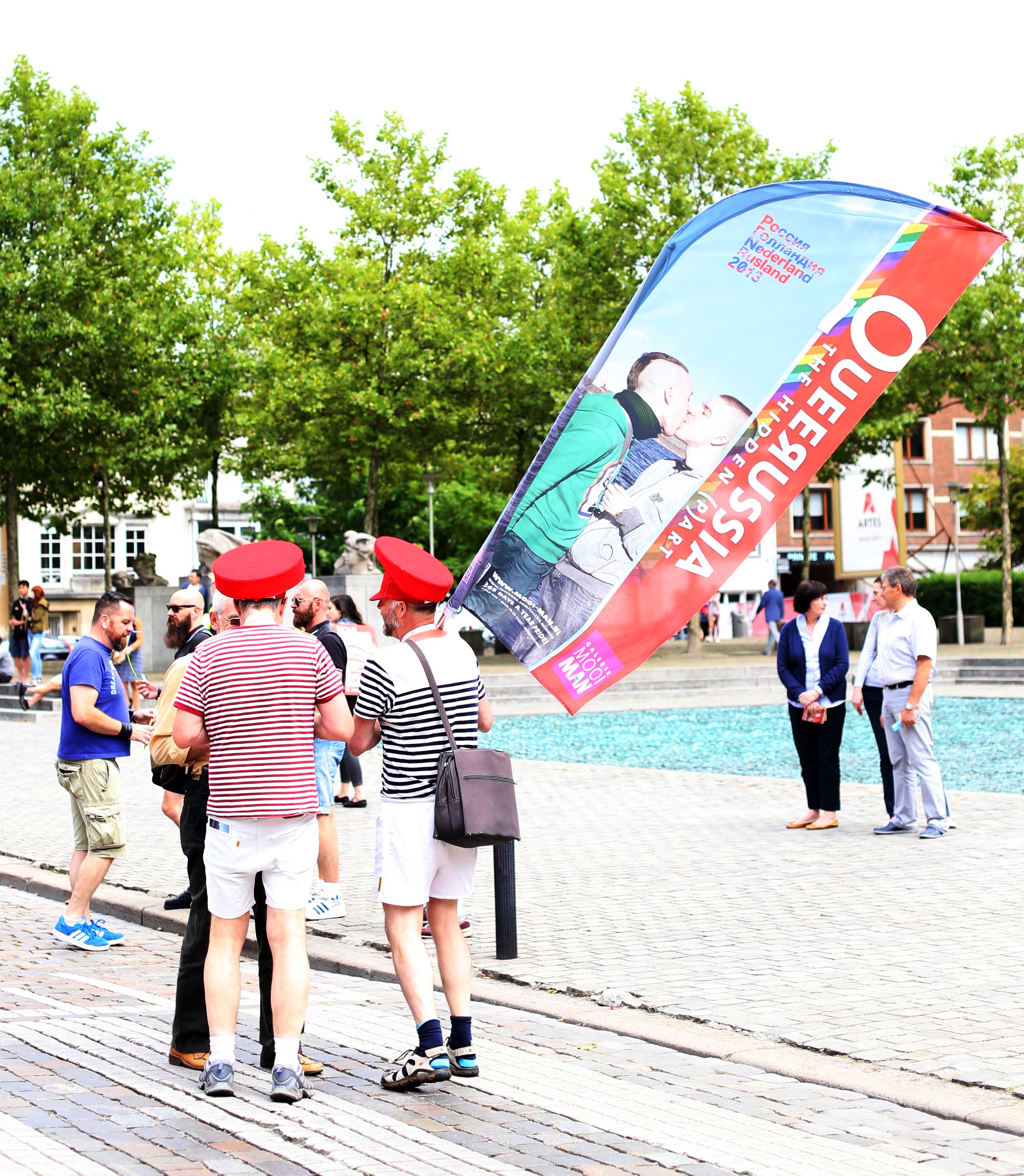
Maybe in Russia’s case the reason they had many participants at the Outgames is because of the current political climate regarding the passed law against ‘propaganda of non traditional sexual relations’ of which its understand, but that doesn’t mean other countries should suffer because we want to prioritize a certain country, everyone should be given equal opportunity.
The manner in which the outreach programe was handled was not viable at all. On an off the record chat with one the sponsors before the Outgames, he said, “I don’t understand why the Outgames outreach pakage has so much reservations because the way everything is done, it will result in other people interested in coming not being there, especially those from poor countries.”
The Human Rights Conference that was held on the 31 July to 3 August 2013, took place prior to the Outgames opening was another issue on its own. The conference was dominated by white males and mostly from Europe.
As I gazed around the room, I quickly realized that besides me, there were only two black lesbians present at the conference, one South African and a Nigerian.
The other black people there were gay men who are from Africa but had since got asylum from European countries, because they feared persecution in their own countries.
When the few were on stage recounting their experiences back home I was touched but I thought me as a black lesbian from South Africa, I also have a lot to deal with.
South African lesbians are faced with gruesome corrective rapes pandemic, but we are never invited to share our stories, and he only time these issues are only talked about is passing or when another is killed.
Even in the conference programme, lesbian issues were not part of the agenda. Everything else was focused on gay men, their health, safety and lively hood.
The only talked about topic in regards to African queers was that of asylum seekers who are presumably facing execution in their countries, and sitting there I wondered how many of those asylum seekers are really faced with execution and whether or not their situation is worse that a lesbian living in a South African township?
Why aren’t black lesbians flown to these international spaces so they can talk about their experiences?
The conference was themed ‘From safe harbours to Equality’, however, to me that wasn’t the case as there wasn’t so much equaliy in race and gender in the jampacked room.
Alice N’Kom a Cameroonian Lawyer and founder of an LGBTI organization in Cameroon called Association Pour la Defense De l’ Homosexualite (ADEFHO) gave a powerful speech which painted a vivid picture of what LGBTI individuals and groups are going through in Africa.
N’Kom recounted on the recent killing of a prominent Cameroonian gay rights activist and journalist, Eric Ohena Lembembe and briefly on Duduzile Zozo.
Lebembembe was tortured and killed in an attack that his friends suspect was related to his activism. He is now counted amoungst many prominent gay activists who have been killed because of their activism. One such case is that of Ugandan Human Rights activist David Kato killed in 2011.
N’Kom expressed outraged about these murder and said such killings shouldn’t be accepted. She also urged African activists not to stop the fight for human rights as one day the WorldOut Games will be hosted in an African country.
The need for solidarity and allies was echoed throughout the conference but when the final statement/ guidelines taken out of the conference was deliberated and presented, nothing on showing solidarity and creating allies with South African lesbians was said or noted.
I have come to notice that in such spaces some issues are more important than others and some people will be sidelined in favour of others. If one doesn’t stand up to be heard, no one will know or care about their grievances.
As a young Black South African Lesbian, I realised that our generation needs to be heard and visible in such spaces. We cannot afford to be sidelined at conferences as well as sport spheres. It is our duty to reclaim our stance in political spaces as LGBTI individuals especially at events is a much needed reality.
The World Outgames are quardral games born in Montreal, Canada, in 2006. There are more than 18,000 participants from 111 countries as conference delegates, athletes, volunteers or participants in the cultural program.
Copenhagen, Denmark was selected to host the 2nd World Outgames in 2009 after a competition with several other cities. Nearly 100 nations represented their countries, and up to 20,000 people were registered as participants of the Outgames in Copenhagen.
The third games in Antwerpen promised nothing less but a bigger and better event, however, they stil have a long way to go in making sure that equality is the main roots of such important games.
The Outgames goes on in Antwerp till the 11th Aug. 2013.
Related articles
Parade opens World Outgames in Antwerp
Previous by Lesego
2013 July 27: African Lesbians and Transgender Facing Belgium
Previous by Kopano
I listened to my heartbeat as it started beating fast, thought of a man on top of me, maybe two; three or even five men taking turns in raping me because ‘I deserve it.’ Laying there with the sun hitting directly on my face I wondered if dead people could feel the sun. I wondered if Duduzile Zozo could feel the sun blazing on her.
Imagining a bottle being pushed into my vagina just to prove a point that I too can get fucked by a man and enjoy it, or maybe a toilet brush like they did to Duduzile. Feeling all the pain from each of their thrust inside me. I started weeping but my eyes had no tears because the paroxysm was deeply rooted. This body of mine became exposed beyond measures, passerby saw my nakedness and all of them were dismayed by the sight of me. I could feel the pain in their hearts as they watched my body being used as a subject of hate crime.
I started thinking of how Sizakele Sigasa and Salome Masooa were brutally murdered at Meadowlands in 2007 July 7th which marked the 777 campaign against hate crimes in South Africa.
My heart started pounding with sadness when I remembered how Eudy Simelane was brutally murdered in Kwa-thema, Springs in 2008 and I thought of Noxolo Nogwaza who was also brutally murdered not far from households in Tsakane, Springs in 2011.
Being there and thinking of all these hate crimes and ‘corrective rapes’ made me think of my own mother, of how our parents have to go through tragedies just because we are homosexuals.
At that moment I realised why most of our parents don’t approve of us being homosexuals because that automatically puts us at risk. Our families live in fear of us getting raped and killed. I feel the pain of every mother and father that let their homosexual kids walk out the door everyday with the hope they will come back in one piece. I hear every mother’s prayer asking God to save us from this homosexuality that has put us at risk.
Today I had to take a walk in my mother’s shoes, in Duduzile mother’s shoes and felt every needle that pieced their skin every time they hear on the radio that another homosexual was killed when their own child is nowhere to be found.
Now I understand when my mother says “ubeka impilo yakho engcupheni.”
I fully understand when our parents find it difficult to accept who we are because this world is so cruel.
Everyone present at this shoot is an LGBTI person and here they are seeing what could be the next case of a hate crime victim. It downed on me that indeed hate crimes leaves all families depressed and wondering what their child did to deserve such brutality.
I saw a picture of my mother crying out to God asking him why my child!
Crying “ngomntanani” that time I am denuded.
Suddenly I felt my entire being stupor to another world. My heart sank deep into a depression mode when I remembered all the hate crime victims I know off, all the women who have been killed by their partners and all the women and children that get raped every 6 mins in this country. Who will be next?
My body could actually be found in the fields because some men hated the woman that I am, because a man decided he has more power and he could take my life away from me.
Our justice system continues to fail us as women living in this country. My soul is crying out to the creator to bring solutions to this problem. On this day rape continues to escalate and the safety of women is still a dream for many of us who live in the townships.
*Scripted on 19th July 2013, 6 days after Duduzile’s funeral.
Previous by Maureen
2013 July 20: I’ve lived with her for years
and
2013 June 21: The Princess of Norway pitched just for Muholi
and
2013 June 4: My Only Man
and
and
2012 March 20: There’s a strawberry garden between your legs

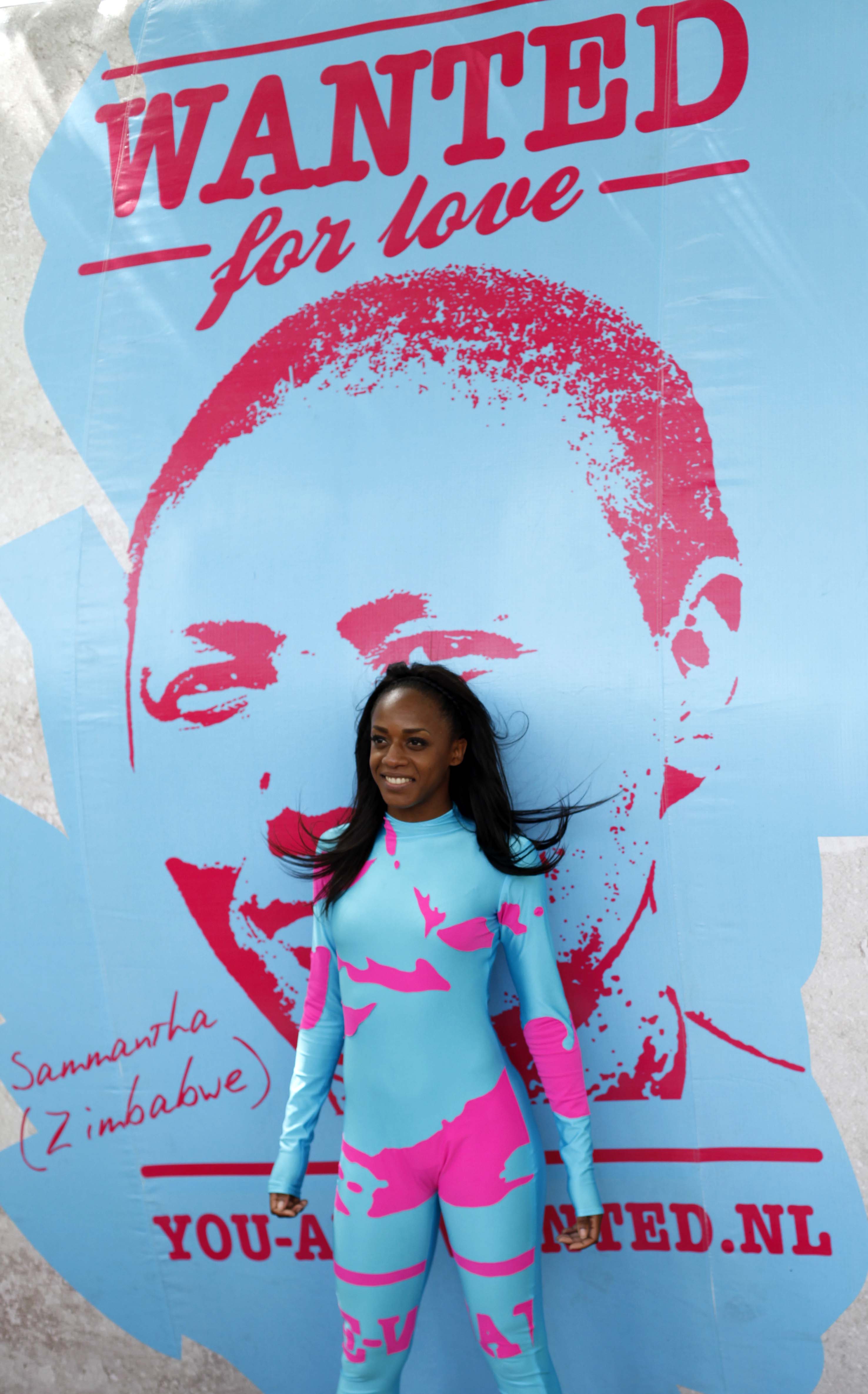
photo from Wanted for Love campaign by Hivos…
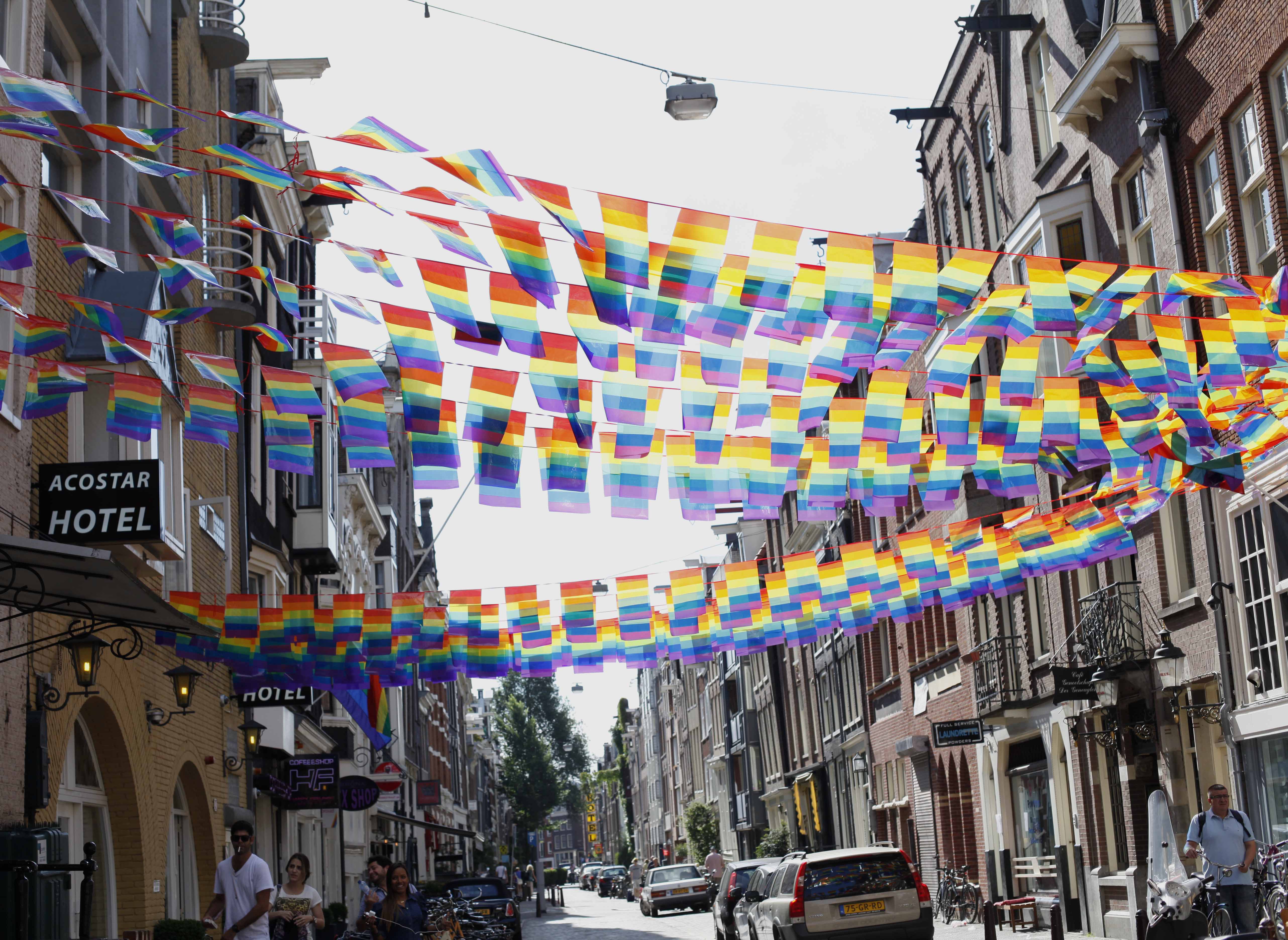


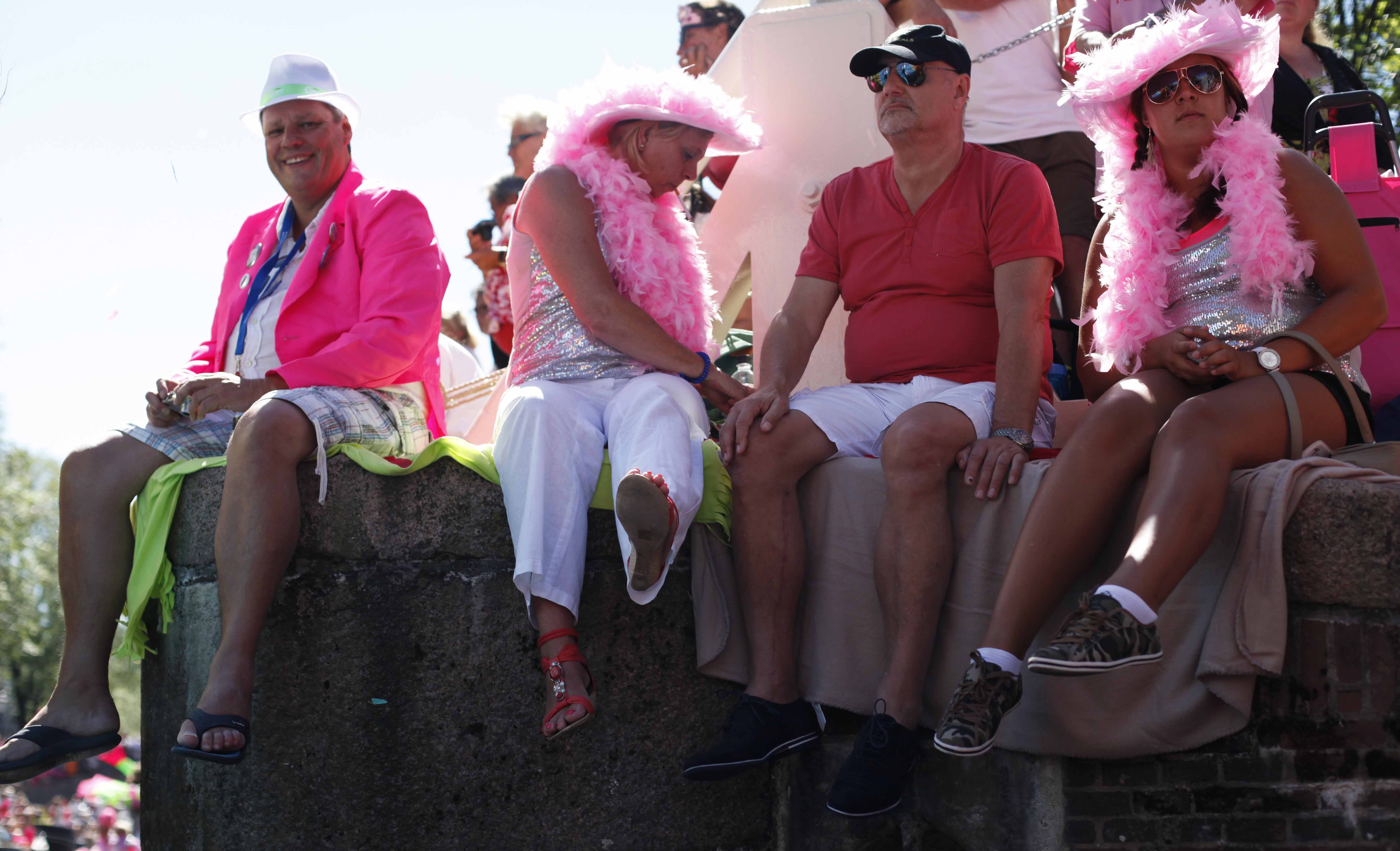

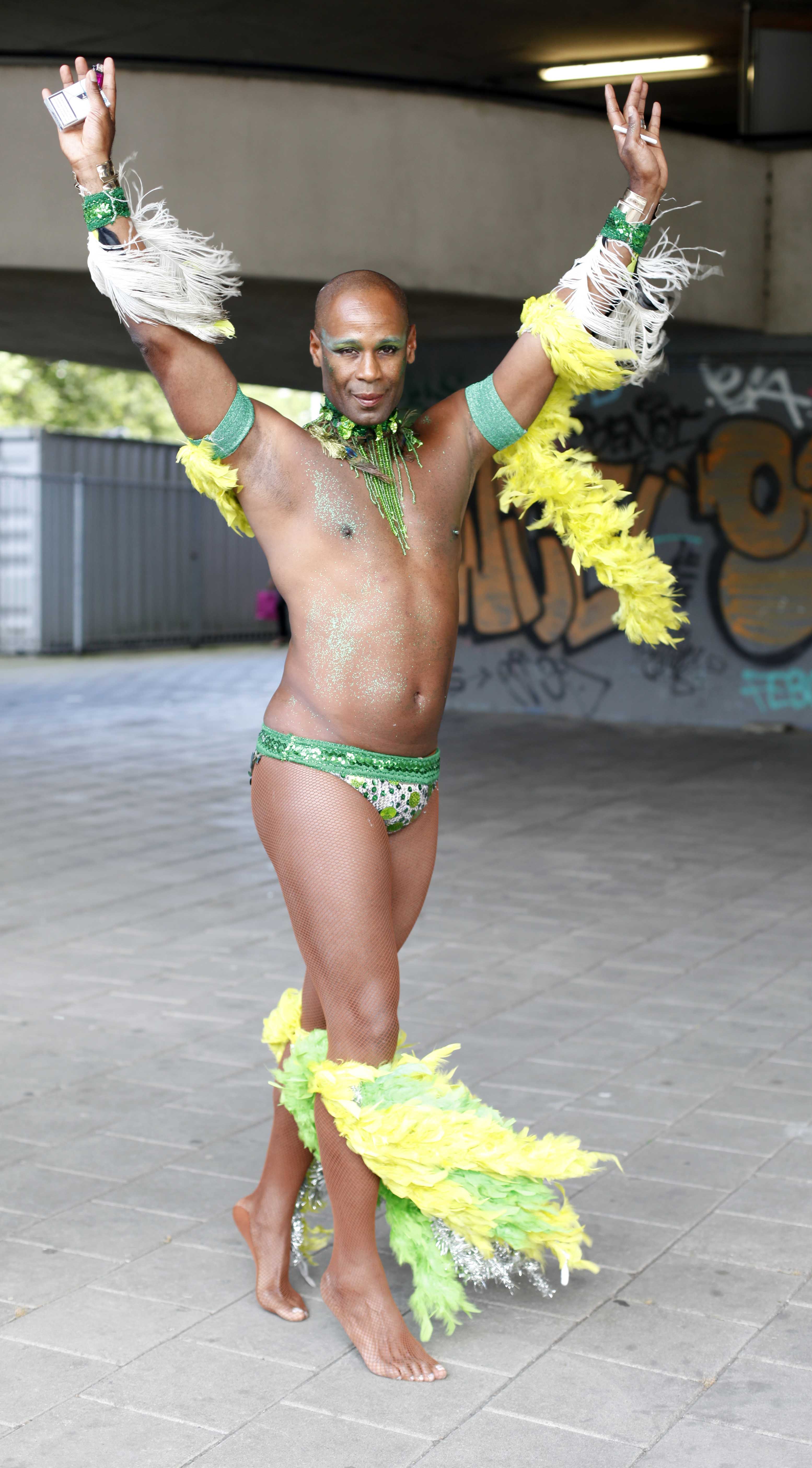
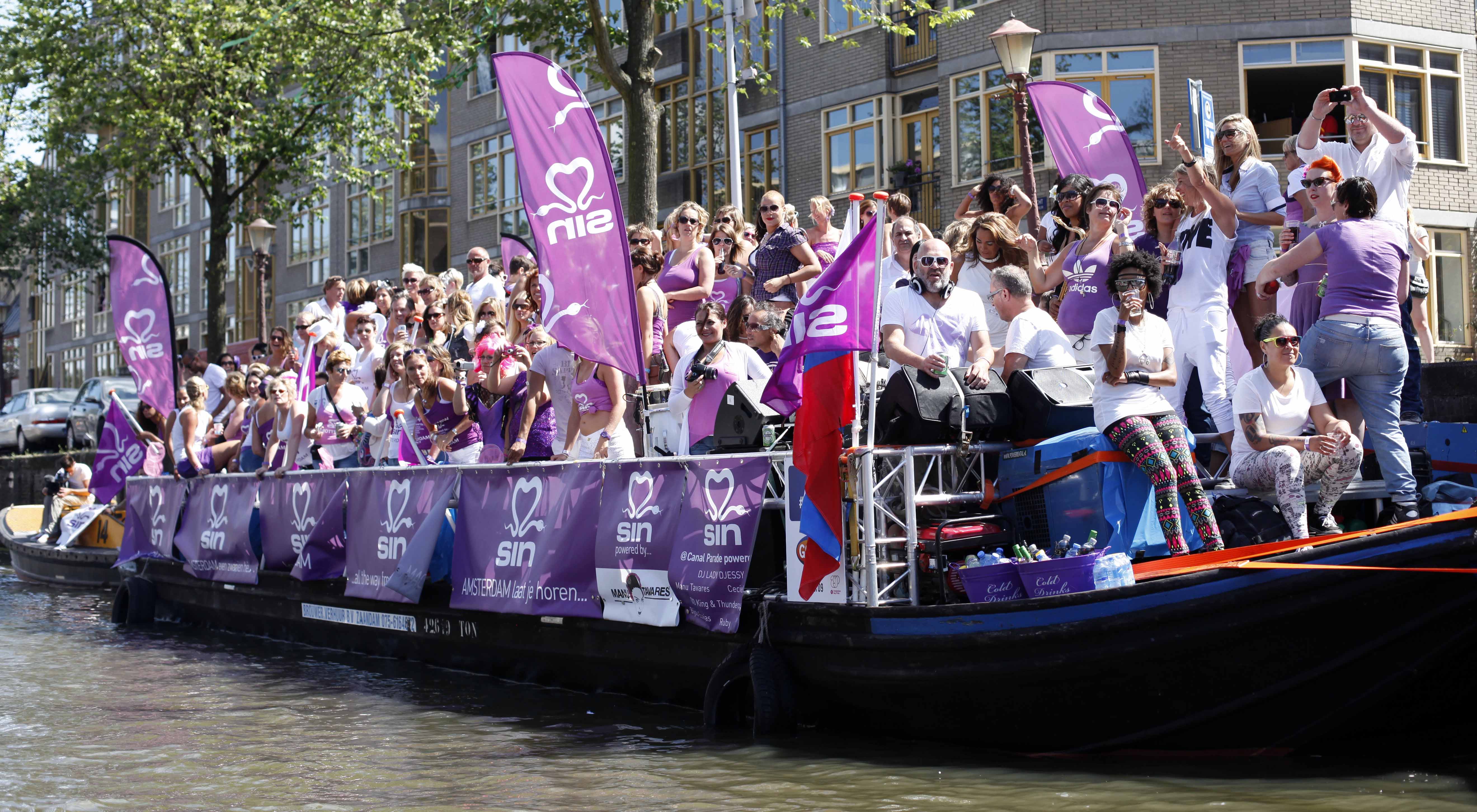
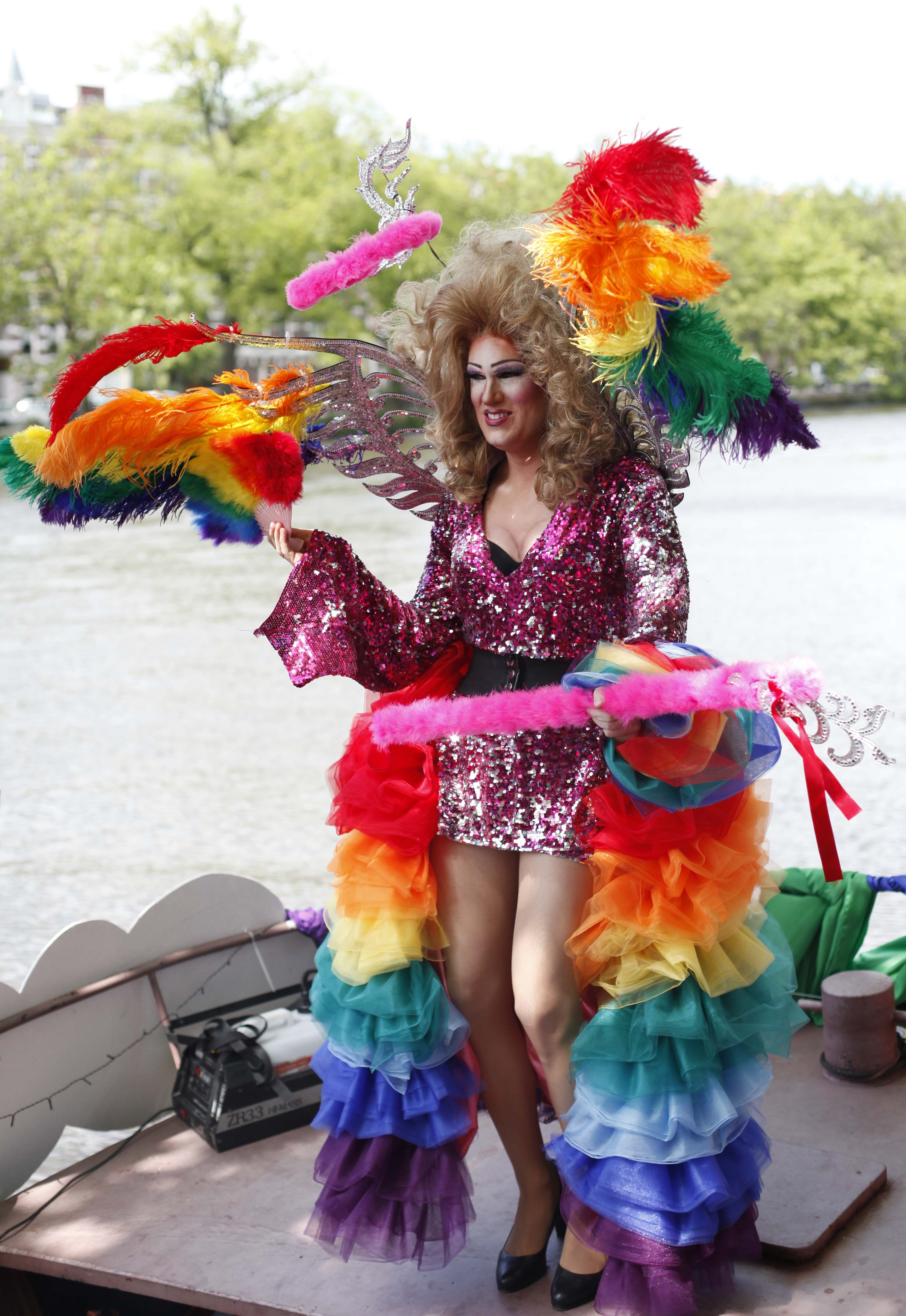


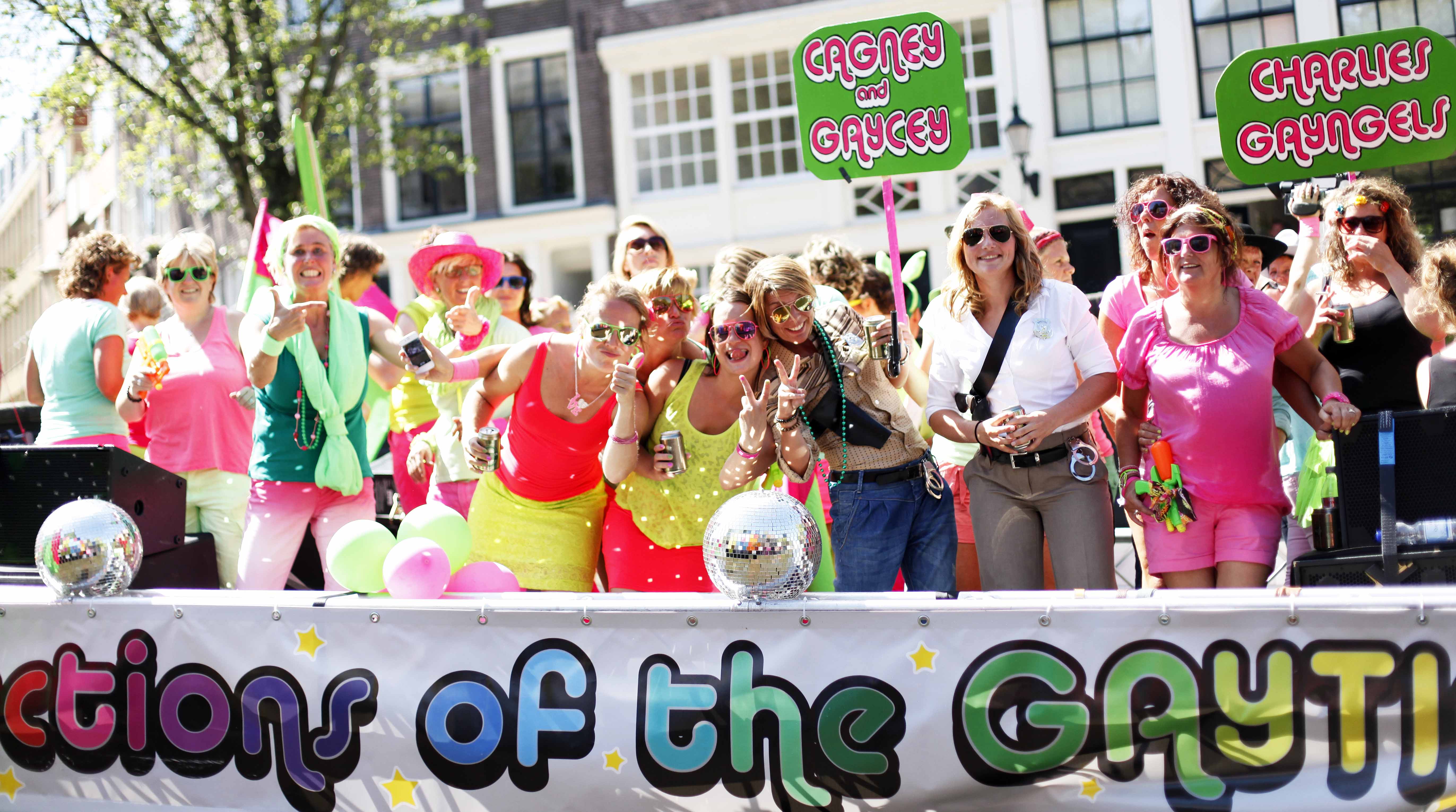

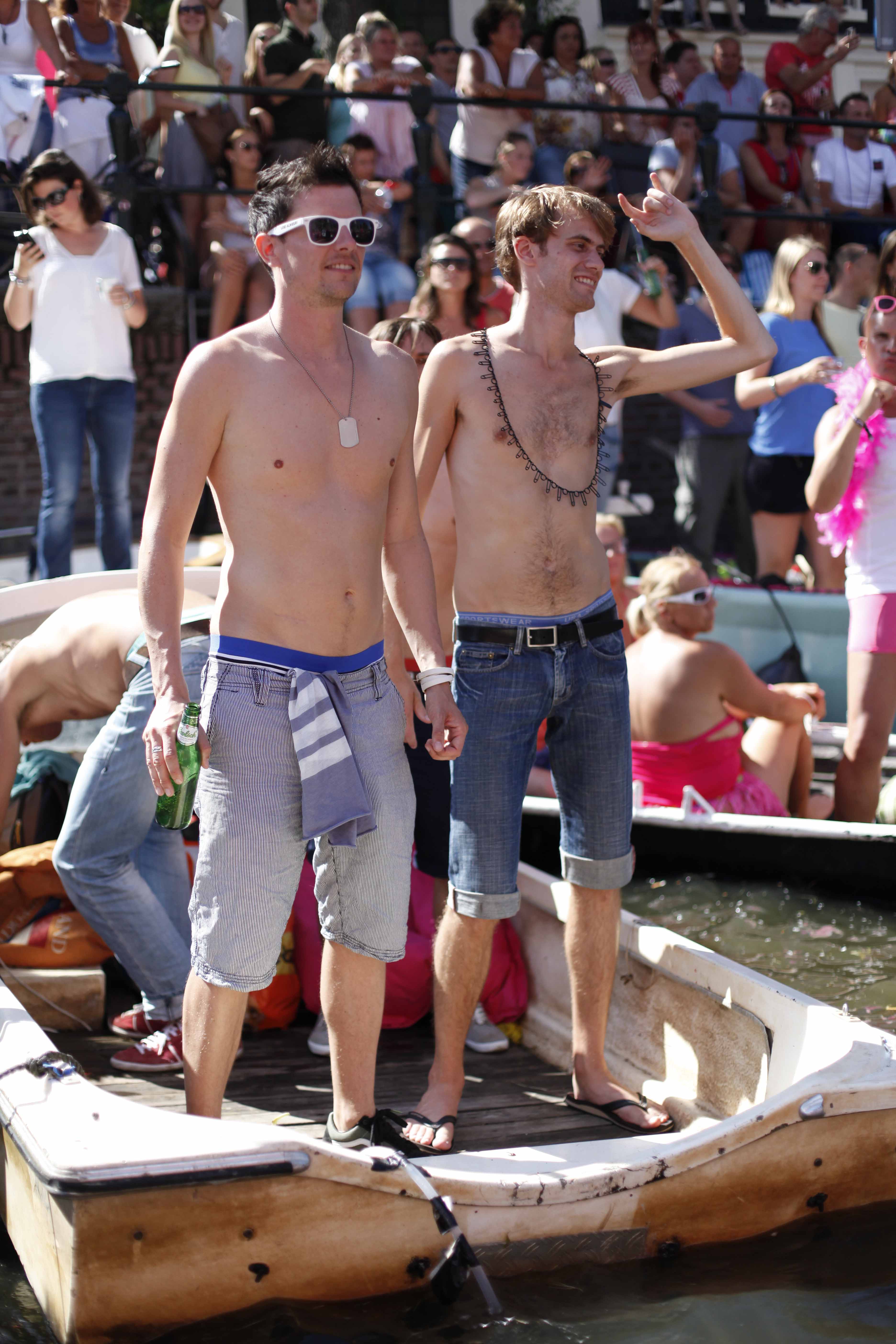
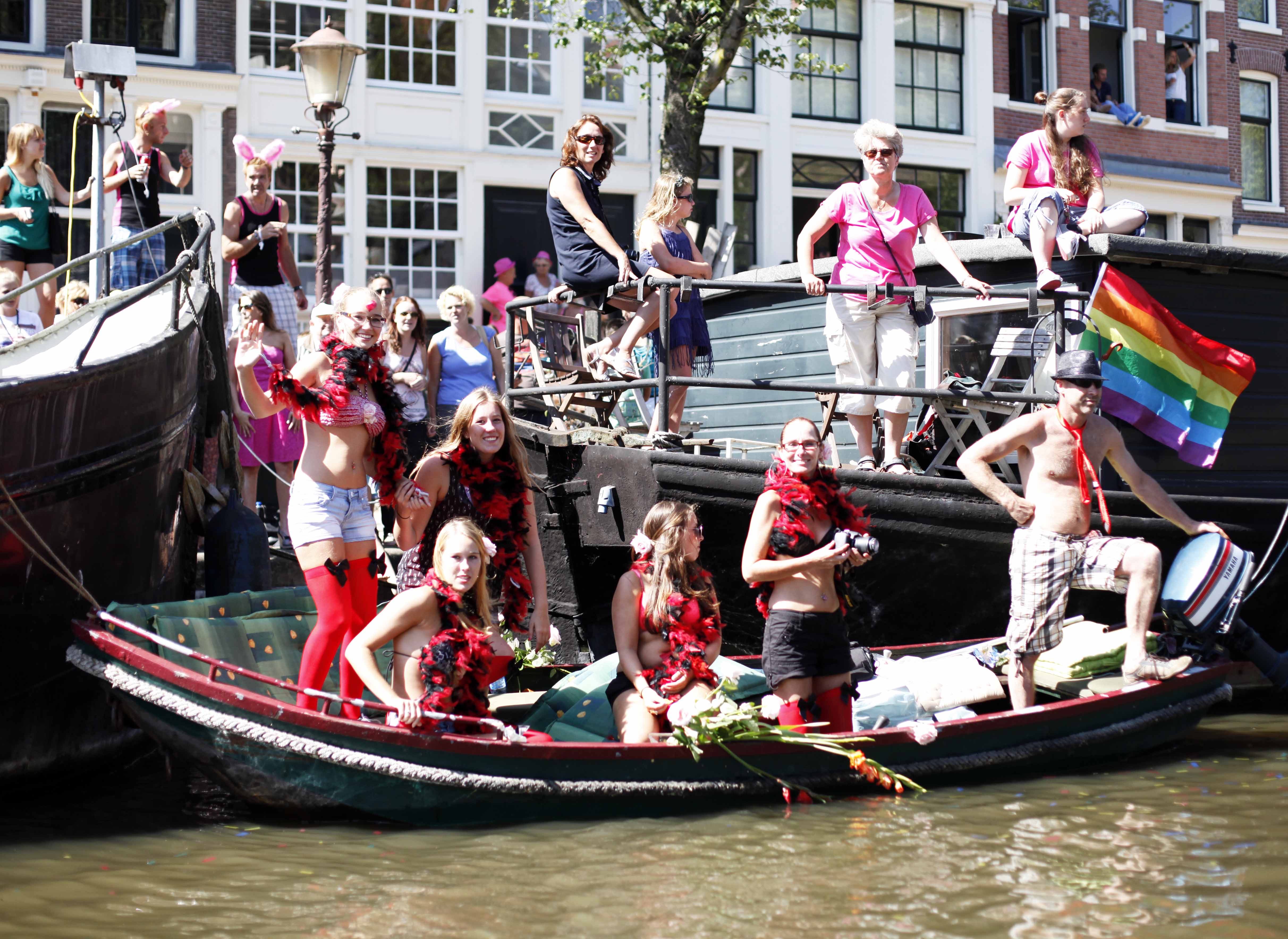
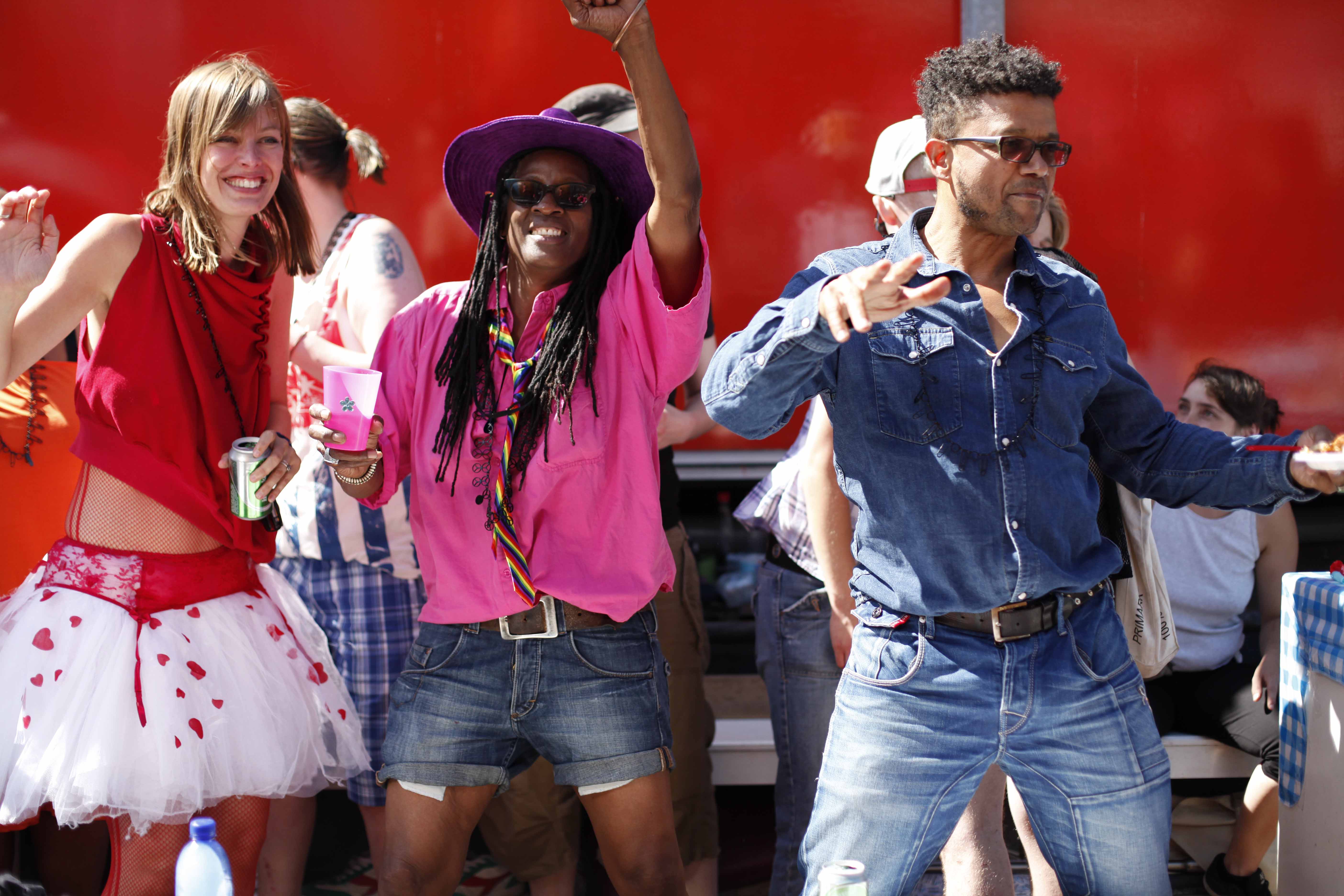

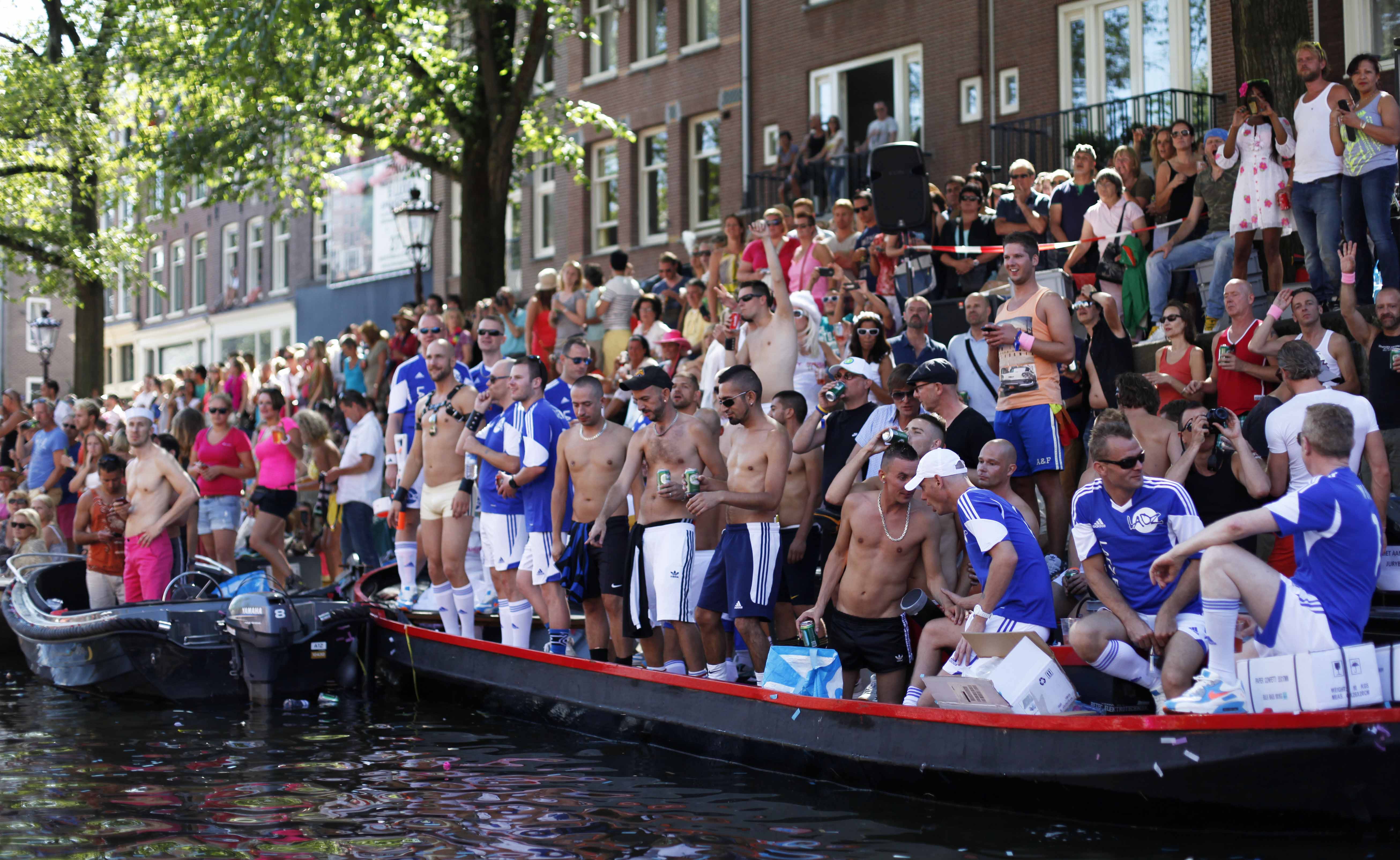 Photos by Bongi Thekwane Mpisholo (3rd Aug. 2013).
About 200 000 individuals flocked in the streets and canals of Amsterdam to celebrate this year’s Pride.
The parade took place on Sat. 3rd Aug. 2013.
There were different floats numbered from various organisations and clubs who came to mark their presence at this remarkable event.
This took place after a week long of Pride activities in which African activists participated in a special event hosted by Hivos and Human Rights Watch.
Inkanyiso members were there also to present and to document variety.
Check this space for me photos and articles from Amsterdam.
Related stories
Amsterdam floods pink for Gay Pride festival
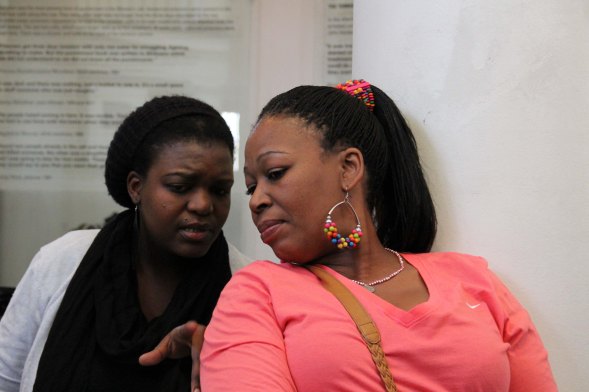
Bontle and Surprise of EPOC organisation
Exactly a year ago now, I joined the Forum for the Empowerment of Women (FEW), activists and allies to celebrate the 10th anniversary.
FEW is the black lesbian organisation that Donna Smith and I conceptualized in 2002 at a garage we called a home at # 7 Panther Street, Kensington, Johannesburg.
The event was held at the Women’s Gaol, Braamfontein, Johannesburg on the 4th Aug. 2012.
No one knew that a black lesbian organisation will live that long. It is with great pleasure to share the photos of those who were present.
It is a pity that those who were there at the forefront of the FEW were not present due to commitments or were not informed.
As we head towards 20 Years of Democracy, I’d like to share we many of how we started FEW and why.
Allow me to take this opportunity and express my gratitude to all those who were involved and also the current staff members who are pushing it today.
On the 27th January 2013, FEW celebrated her 11th birthday.
May FEW live longer and see 20 more years to come.
Siyabonga!
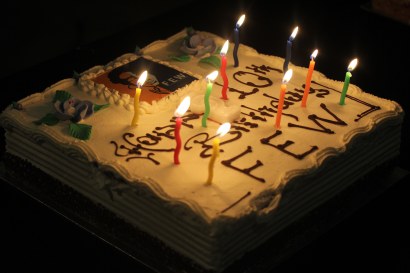
the cake that bind us…
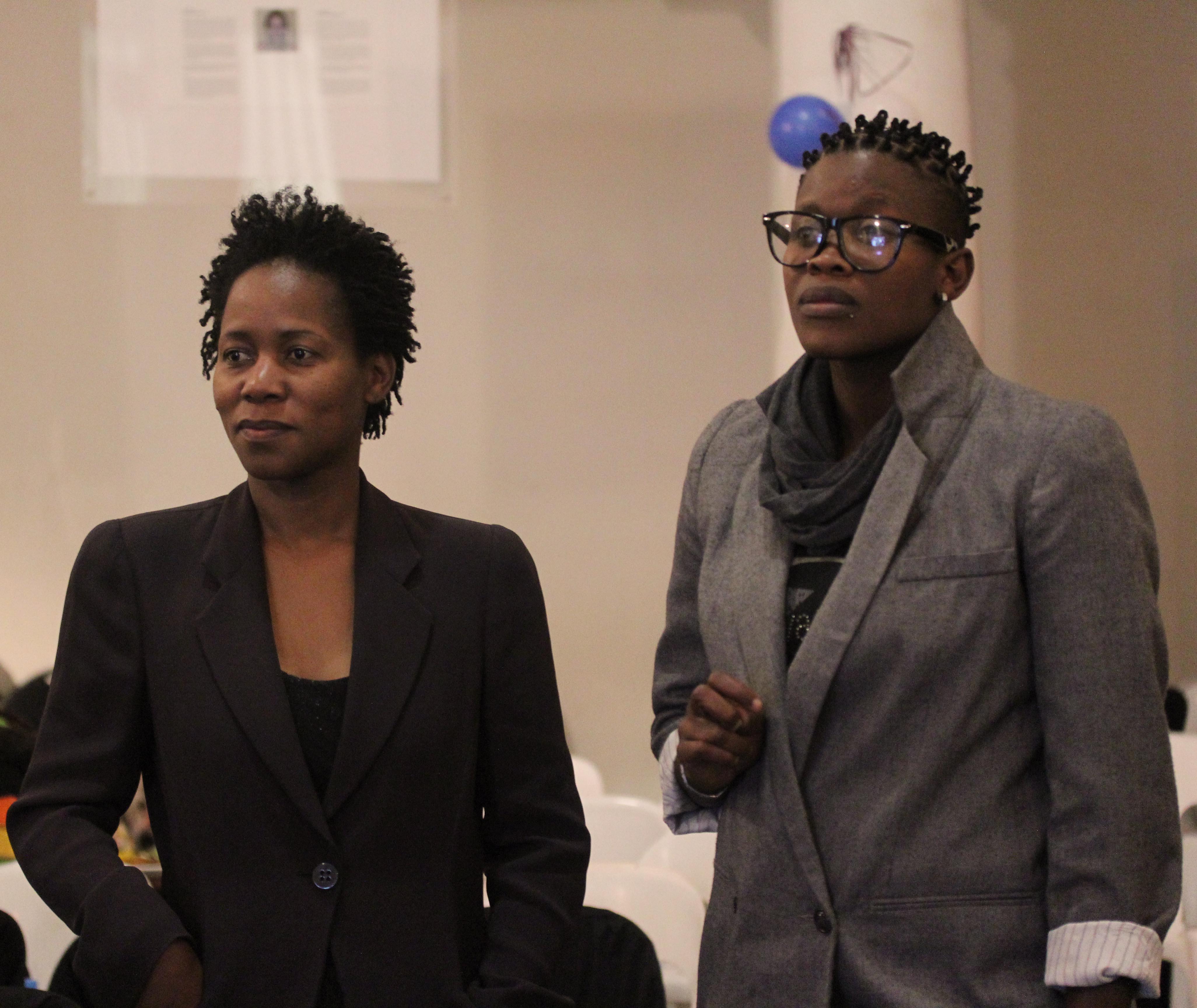
L-R: former FEW director Zoleka and staff member Dikeledi Sibanda
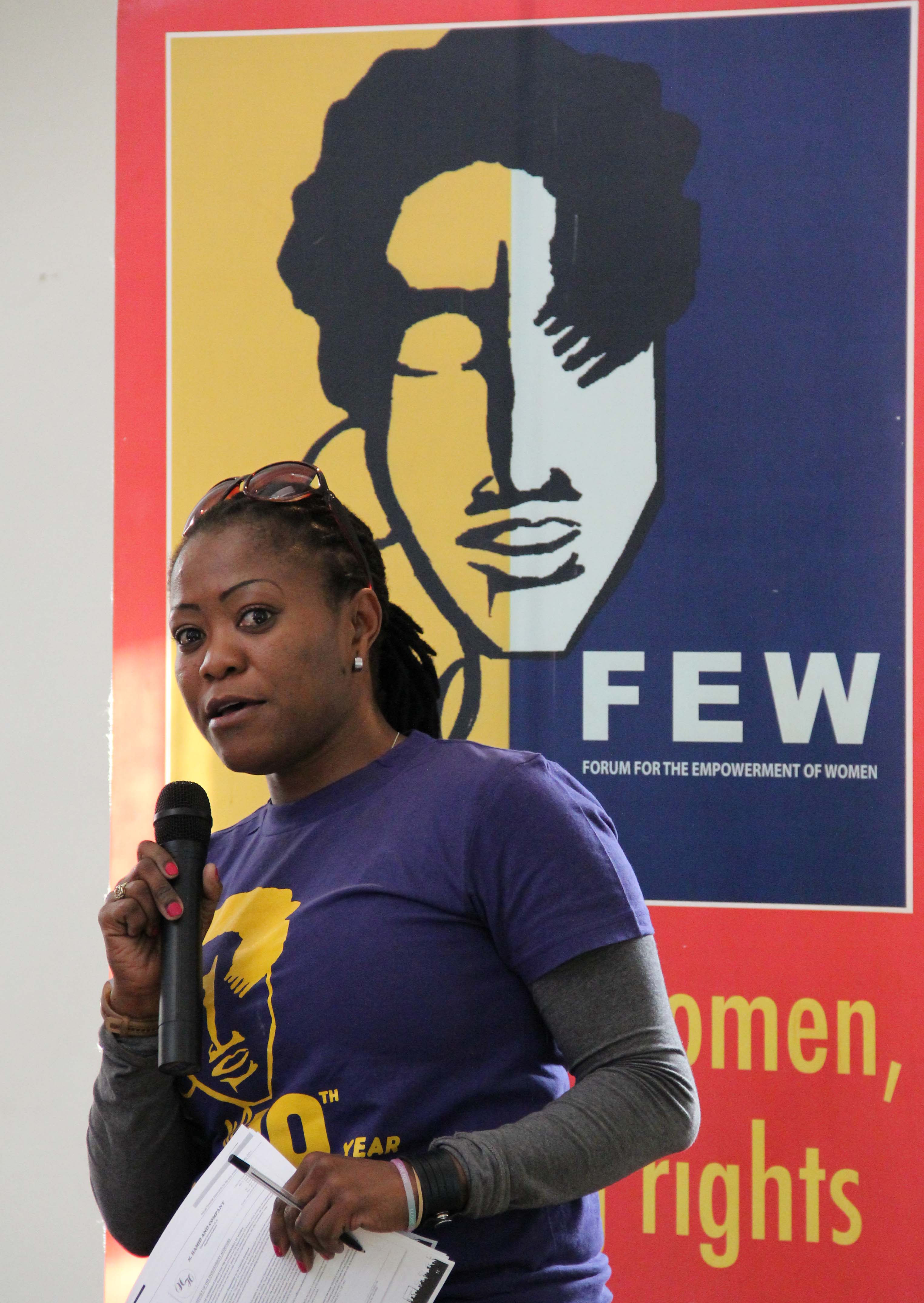
dedicated FEW staff member Phindi Malaza
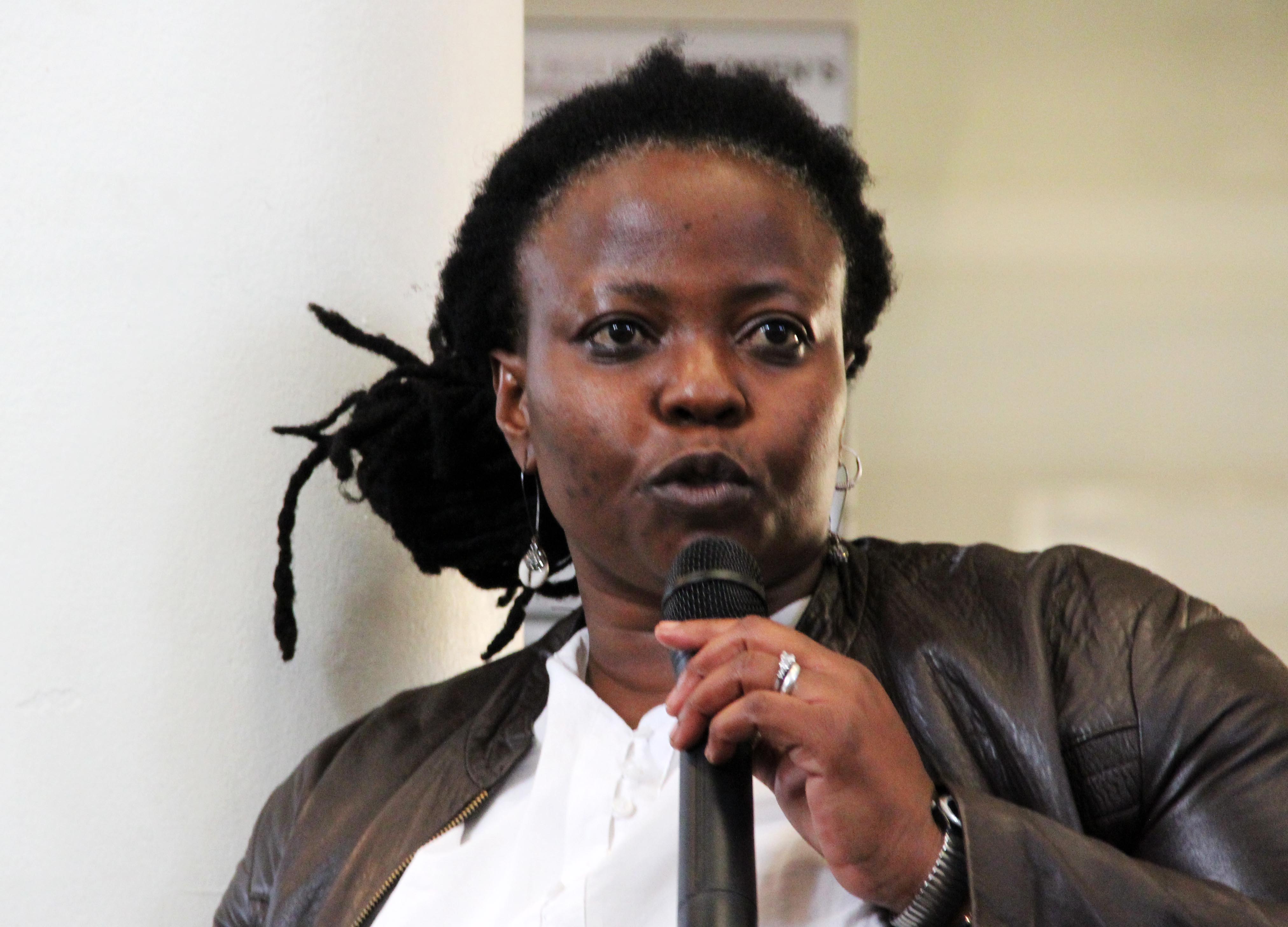
Fikile kaNtanzi
Centred is Cindy Molefe all the way from Limpopo also the founding member of Limpopo Proudly Out LGBT organisation
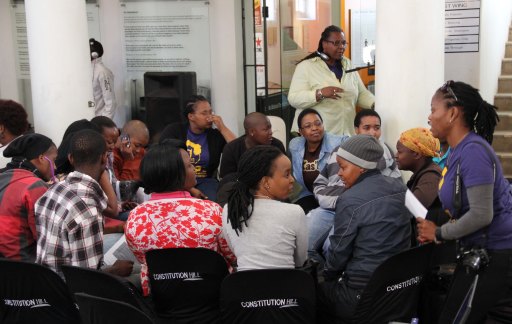
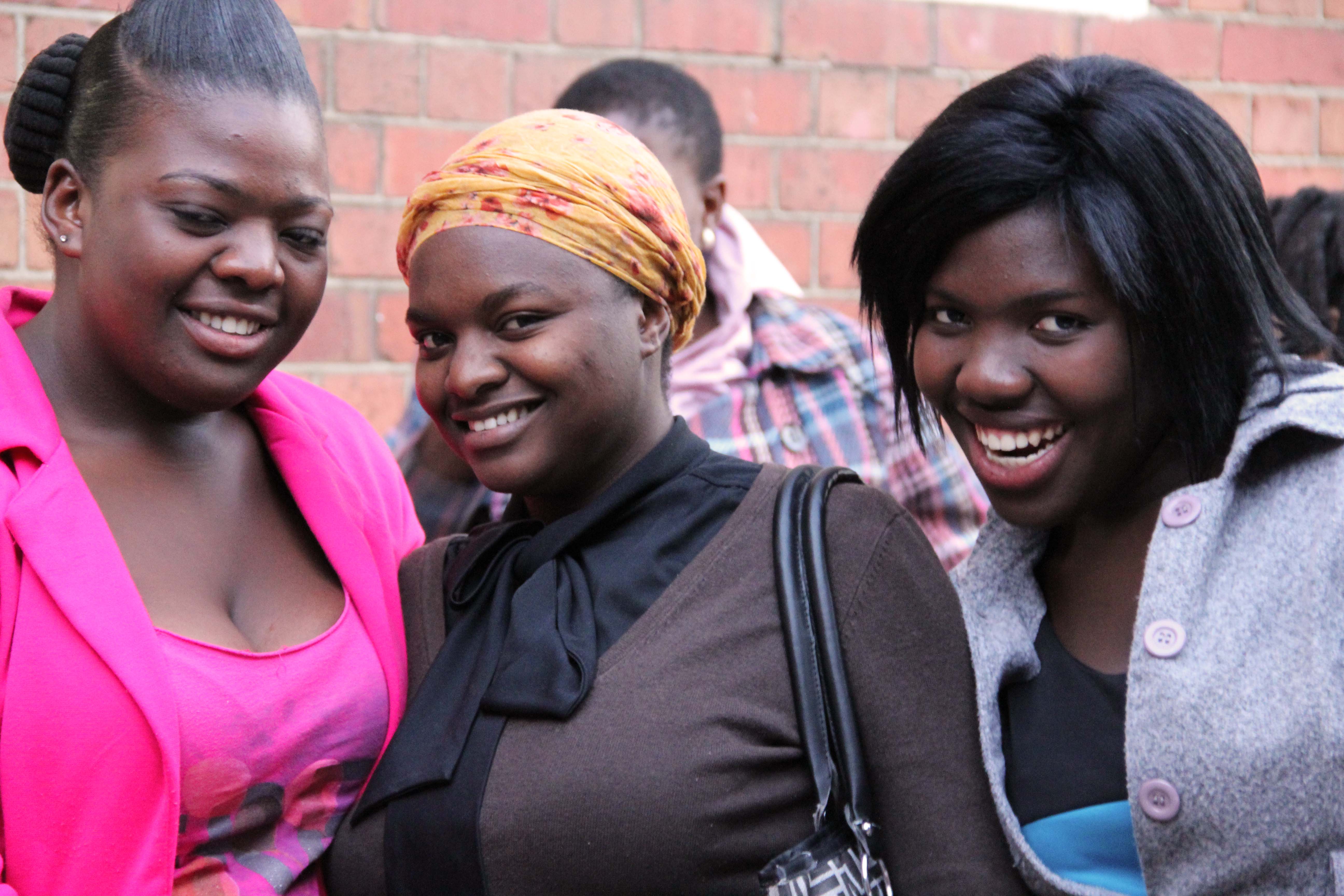
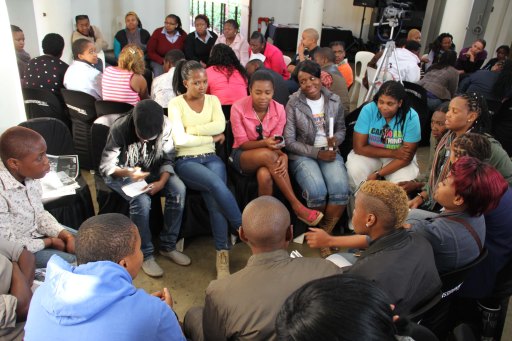
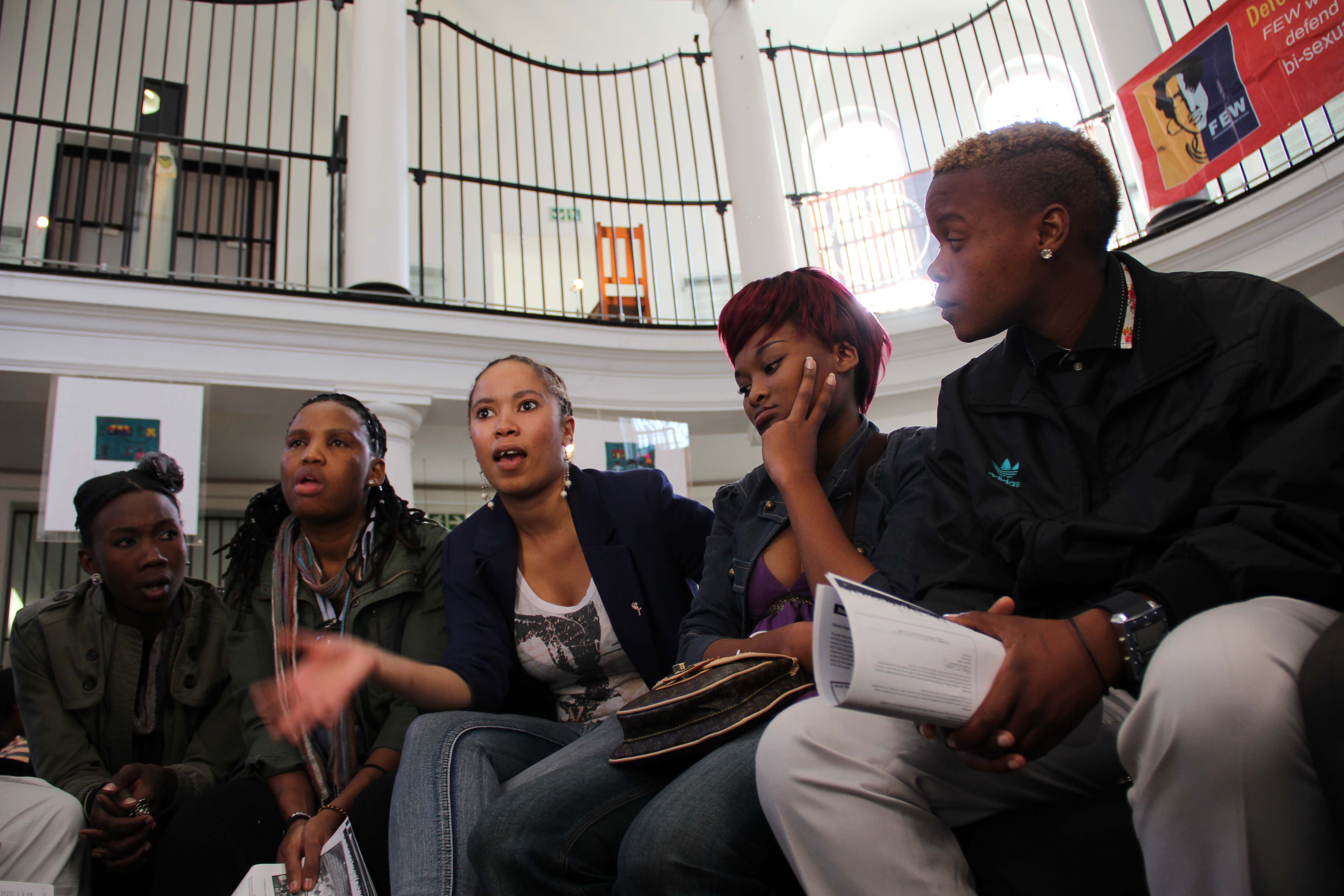

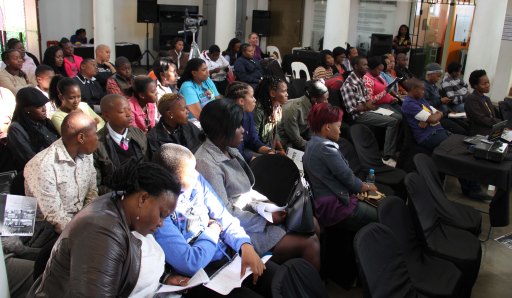

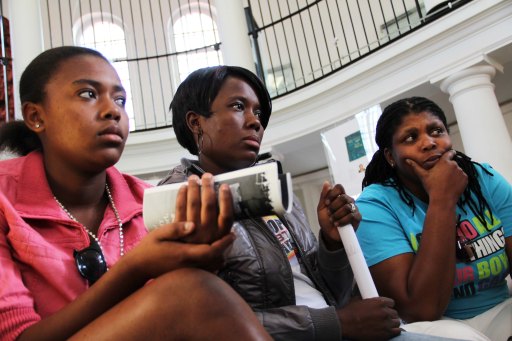
L-R: former FEW directors and board member at the centre.
Zoleka, Sibusiso, JP, Donna and Dawn
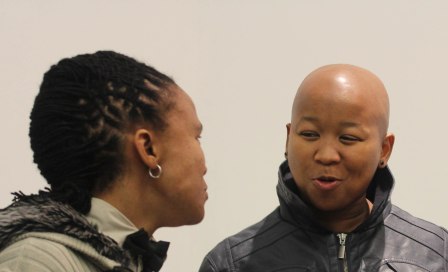


the intellectual, Jade Madingwane
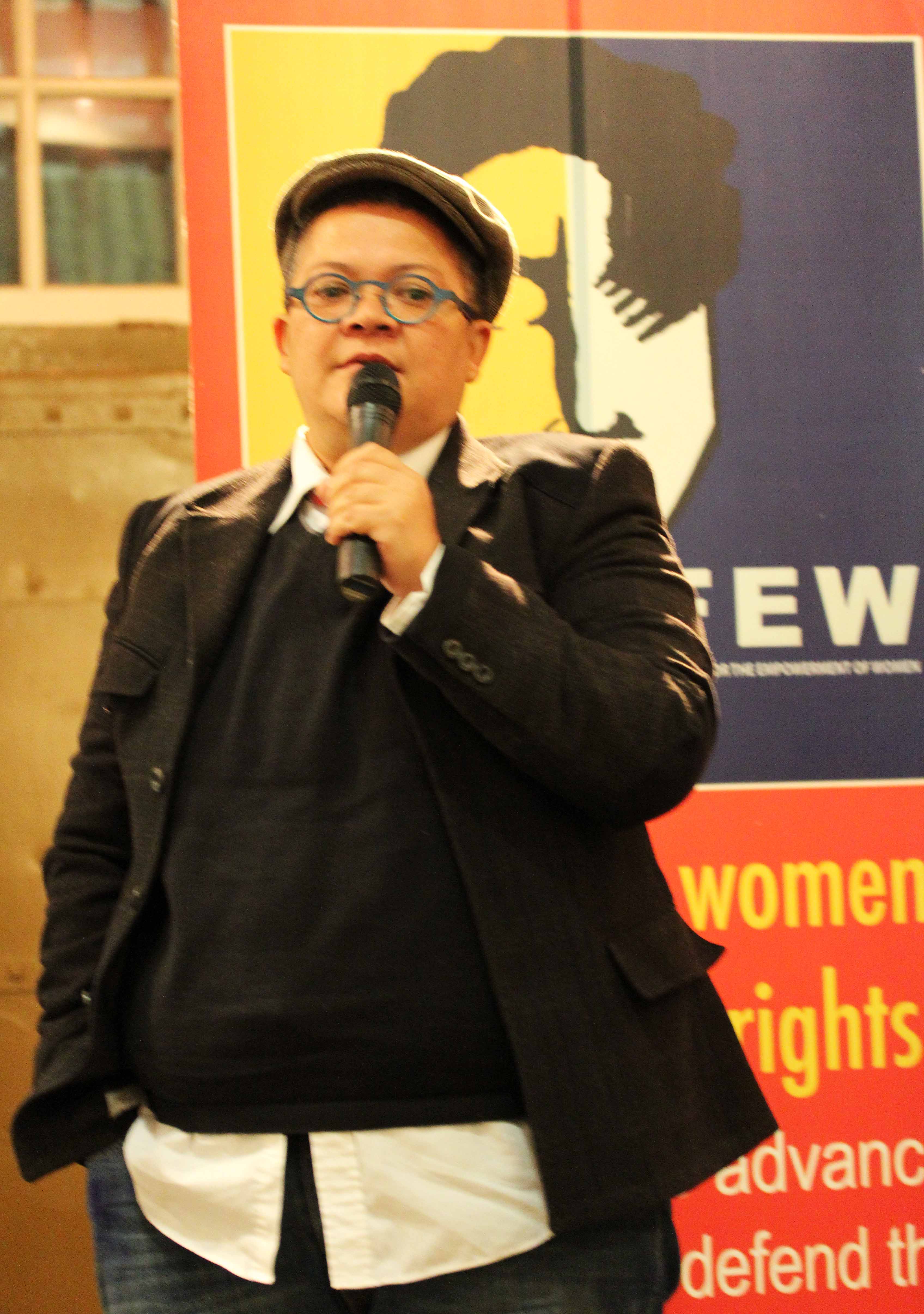
the archivist/activist, Jabu of Iranti-org

Zanele Muholi presenting FEW story video archived since 2005.
In the pic is Sizakele Sigasa, hate crime victim who was brutally murdered in 2007.
Maureen Velile Majola, who was on an on about Rea vaya and PUTCO s needed dialogue
our poet and writer, Nhlanhla Nkosi





Zama Sibiya a staunch member of Chosen FEW soccer team and CDP creative staff
Far right, Nqobile Zungu
L-R: Zoleka, Dawn and Virginia
FEW Board member, Ntlotleng Mabena
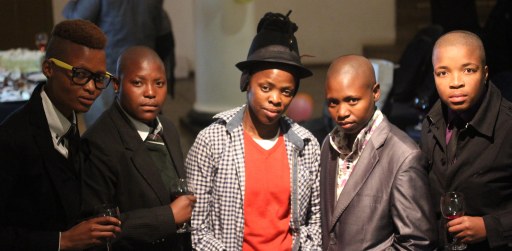
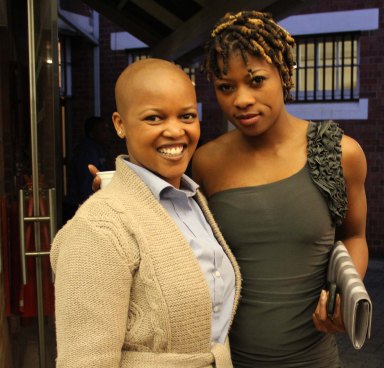
Article, transcript to follow…
If you know any person in these photos or remember what was said, kindly share with us.
Photos by Zanele Muholi (4th Aug. 2012)
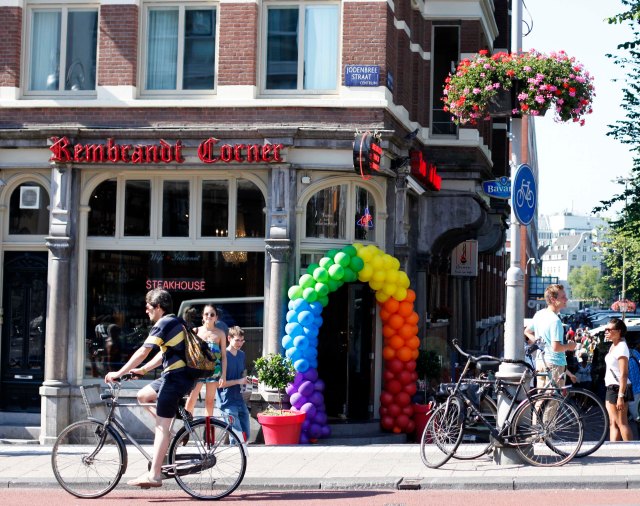
by Thekwane Bongi Mpisholo.
2nd Aug. 2013
… from Joburg, South Africa to Antwerp, Belgium
by Kopano Sibeko
This time last week as I recall I was anticipating Tuesday, 23rd July as that would be the day I collect my visa, as two days after that would be the day I leave Johannesburg, South Africa for Antwerp, Belgium. Days went really fast after that and the last thing I remember I was waving goodbye to my family and friends. 10 hours later I was in another country, Abu Dhabi International airport experiencing the excruciating heat wave it presented to my awkwardness I still had my boots and my winter jacket on as when we left Johannesburg it was really cold. My guess is I slept throughout the flight experience, yes it was my first flight and the excitement must have worn me down.

L-R: Kopano Sibeko & Linda Vermeriene
At 20:00 I was at the Galerie Verbeeck van Dyk at the opening exhibition of Linda Vermeiren & Zanele Muholi‘s Faces and Phases hosted by Paul Verbeeck, the gallery owner and Bruno Devos, the curator of the same space which happen to be in the cultural program of the 2013 World Outgames, Antwerp as at July 31 until August 11.
To my amazement and amusement it’s still sunny and bright outside and yet is it at night time. While I’m trying to digest that it than hits me that apart from Zanele Muholi, Lesego Tlhwale and I there’s only one black woman in a crowd of +/- 100 people who was at the exhibition that we attended. The next question I asked, “Could this be normal?”
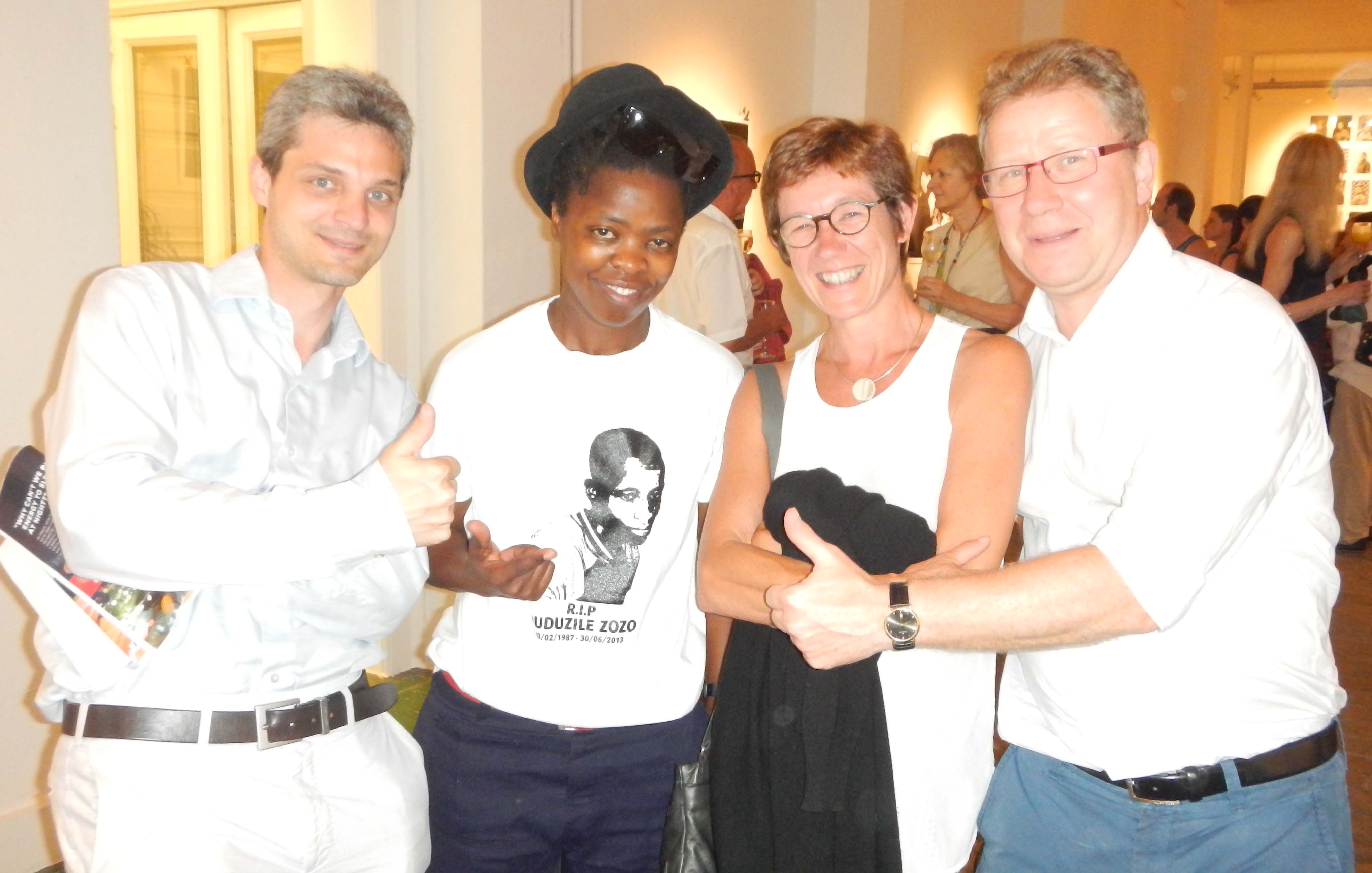
According to Yvette Gongha, the only black amongst white locals most of her friends couldn’t make it because the space is mainly predominated by white people “I wish there were more people of colour because we should represent. People feel it, they know it but they are afraid because when they come to such places there are a lot of white people and white people start staring at you.”
She tells me that she came because she has been following Zanele’s work for so long and it inspired her particularly because she’d also love to produce documentaries.
“To bring black people to such events I think we should think of our own culture and how we celebrate it. This is really nice for them and for us is a huge step to come and see a follow black person exhibiting, but maybe if we have exhibitions in another space here in Antwerp accessible for black people maybe they’all be more exposure”, she shares with excitement.
Linda Vermeriene explains that she is honoured to be exhibited alongside the amazing work of Zanele, “I have always been a photographer, I had my first camera when I was 12 years old” she said. She further shares with me that her first biggest exhibition was in 2007 exhibiting 55 portraits of 10 transversites, “for me it was actually a test to see how people would react and so far people are responding positively.”
Linda says she had to familiarize herself with other transverstites and their bars so she could meet more of them since she first met one in 2003 and from then she never looked back. “To me sexual identity is not important, people are people” she expressed.
The room was packed with smiling faces, fascinated with the beautiful work of art hanging on the walls. Professor Johan Swinnen, a lecturer at the University of Brussels had the crowd attentive while he read and explained the arty work of both artists.
The lecturer of history and philosophy of photography said “I am really happy that I am opening this exhibition of Zanele Muholi here in Antwerp in a really important gallery, because I remember I discovered Zanele last year at Documenta (13) in Kassel, Germany and it was really interesting for me to see her work”, he chuckled.
The people were very warm and very inquisitive about what the story behind each face. Most were particularly moved because Lesego who features in the series of Faces and Phases was present and made them extremely intrigued.
On the other hand while I try to blend in with the crowd and enjoy the attention, it came as a shock to me that most European people still have this ‘twisted’ perception about African states and most of them felt so sympathetic towards us, maybe they should, I mean South Africa is notorious for all this negativity she embodies.
Overall the exhibition was exceptionally extraordinary, the people were inviting and I love the atmosphere. As I type this I feel a little hungry and that just triggered the thought that yesterday Lesego and I had to walk to find McDonald’s because the food here is tasteless but most of all expensive. I’m not sure if I like it much in any case I’m not adventurous with food, so being in a foreign state, eating foreign food and spending two weeks with foreign people now that’s my idea of a fun working holiday.
Related article
2013 July 27: African Lesbians and Transgender Facing Belgium
and
 | lindiwedhlamini on Let’s go back to the drawing b… |
 | inkanyiso2009 on 6th January 2013: Victory Mini… |
 | Nondlela mjomle on 6th January 2013: Victory Mini… |
 | Elton on 2013 Aug. 27: Because I a… |
 | Nomthandazo Ngwenya on LGBTI Destiny First Gathe… |

 inkanyiso.org