2019 March. 11: Spending my day at VMCI in Sebokeng

Text by Bajabulile Dhlamini

Photos by Z Muholi

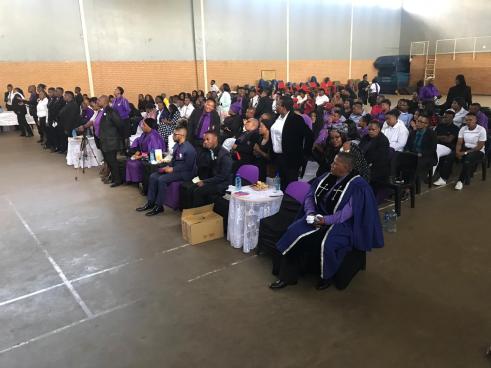
Waking up to a beautiful and sunny Sunday morning, Inkanyiso team and I prepared to attend a service at Victory Ministries Church International (VMCI). They were officially opening Vaal branch on March 3rd 2019 and ordaining to Deaconship an elder Fumi Nkosi, who comes from Soweto.

PHOTO-2019-03-03-12-50-32_1

We got to church at 12h00, the ceremony had already started and we missed the ordaining ceremony. We were on time for the main service where welcoming was underway. We were welcomed by a word on the book of 2Corinthians 9v7 and then a worship session started, singing and praising the Lord.
I noticed a dish of water circulating the pastoral section and they all partook in the washing of hands, which seemed to be the tradition of the church.

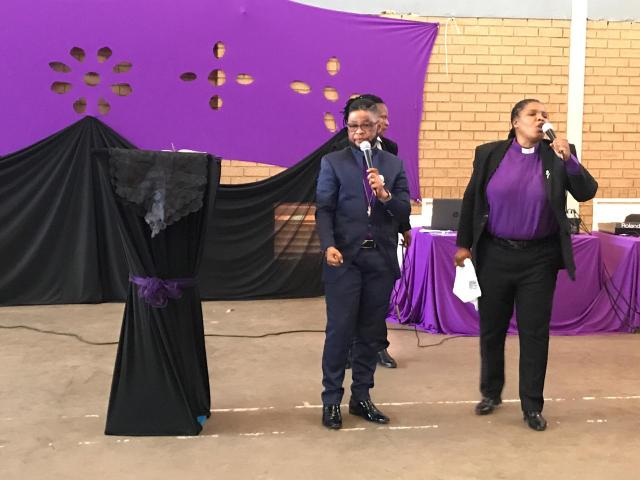
Then the Senior pastor of VMCI Apostle Z. Zungu observed all protocol and acknowledged pastors and leadership in the house. He also welcomed all congregants. Pastor Moshodi was Co- sharing the pulpit as the interpreting Pastor. Apostle Zungu preached the word and delivered the sermon of the day from the book of Luke 15 whose emphasis is on the parable of  “Lost and Found”.

“Luke 15 is the fifteenth chapter of the Gospel of Luke in the New Testament of the Christian Bible. It records three parables of Jesus Christ: the lost sheep, the lost coin and the lost or ‘prodigal’ son.
PHOTO-2019-03-03-12-50-30
These parables introduce the importance of sinners for Jesus, and thus for disciples whose drama is built on the tension of an attempt to find something that has been lost. Anyone who has lost anything or loses anything on a regular basis can identify with this tension.” (Scriber’s interpretation)

Apostle explained the link and the importance of being found. He used daily expressions and experiences to exhibit God’s love and passion in finding the lost. He then made an alter call for those who wanted to accept the Lord as their personal saviour. Zungu prayed for them as they entered their new salvation path, ridding the old and being reborn.


Zungu also prayed for the Pastorate and officially declared the ” VMCI Vaal branch opened” with Pastor Mokgatla as the leader of the branch. Attending the ceremony and service was Pastor Mazibuko from Soweto, Pastor Royo from Katlehong, Evangelist Puseletso from Joburg cbd, Pastor Sibisi from Kwa-Thema, Evangelist Bafana Mhlanga from Nelspruit. They all broke bread and shared Holy Communion amongst themselves and the congregation after Pastor Mazibuko had blessed the “Eucharist”.

Pastor Sibisi who was the M.C took offering, pastor Ramathavha (youth pastor) made announcements and notices while Sister Mamokete  closed with prayer.

©️ BVL  @Sebokeng,Gauteng
03/03/2019

Previous from VMCI:

2015 Feb. 16: VMCI is a home away from home

2014 Feb.4: Newly ordained pastors of VMCI church

2014 Feb.2 Bayanda abefundisi eVMCI

2014 Jan.5: Ishaya ngolunye unyawo I-VMCI kulonyaka

2015 April 6: VMCI Baptism at 2015 Easters in Durban

2016 March 25: VMCI unpacking the crucifixion of Jesus

Posted in Holy Spirit, Religion, Spiritual activists, Uncategorized, Victory Ministries Church International, Victory Ministry Church International, VMCI | Leave a comment

2019 March. 7: Gallery hopping on Tuesday for the love of art and learning.

This gallery contains 2 photos.

By Lindiwe Dhlamini The day started with laughter around the breakfast table, sharing a meal with Professor Sir Zanele Muholi, Lindeka Qampi, Bajabulile Dhlamini and my childhood friend Khabonina Makhoba. The plan was to go to Wits University Drama Department, … Continue reading

More Galleries | Leave a comment

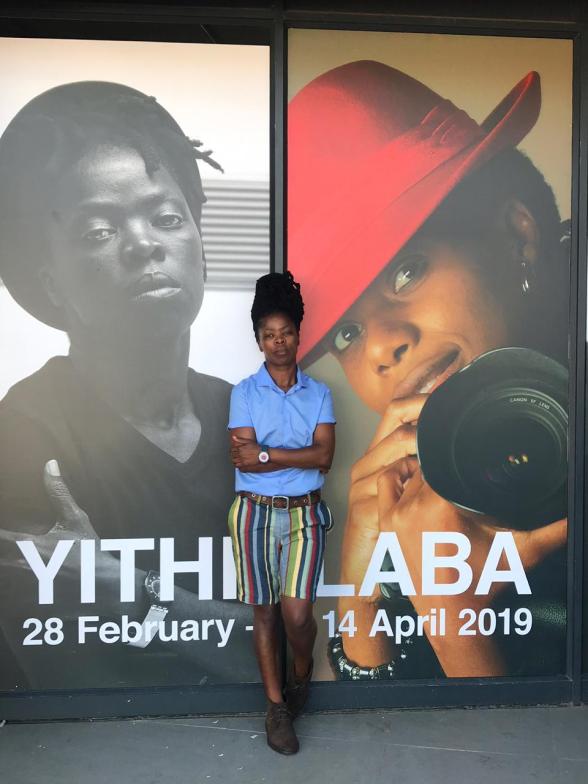
2019 March 3: Yithi Laba Exhibition Opening

by Lihle Mkhize

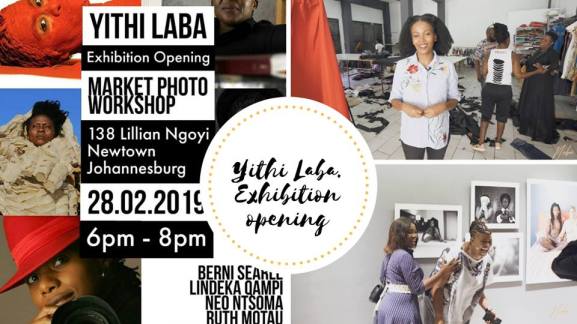
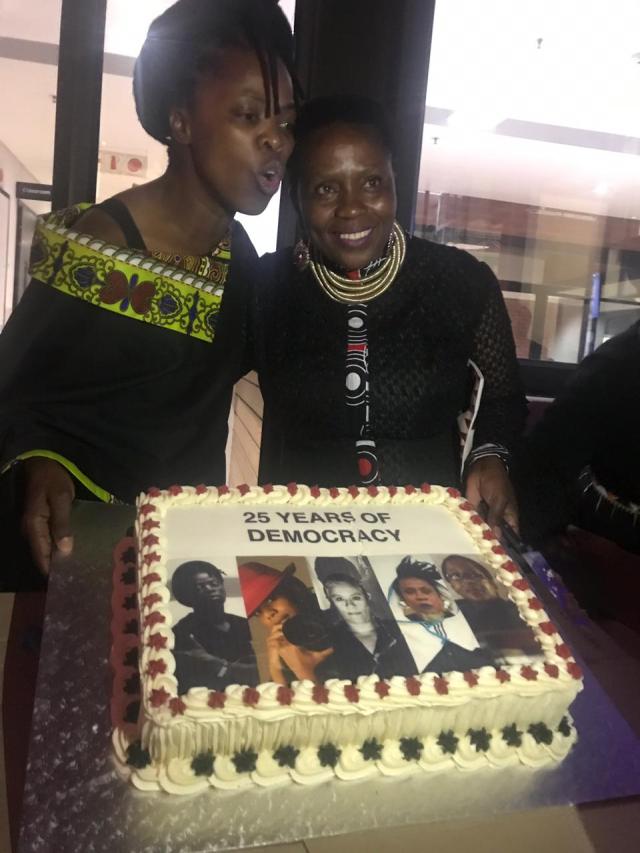
The exhibition titled Yithi Laba is a celebration of reflection and commemoration of five women photographers in response to the Twenty-five years of Democracy.

The show features a combination of five award winning photographers including Professor Zanele Muholi, Lindeka Qampi, Neo Ntsoma and Berni Searle. The exhibition took place on February 28th 2019, at The Market Photo Workshop, situated in 138 Lillian Ngoyi Street, Newtown Johannesburg.


Yithi Video


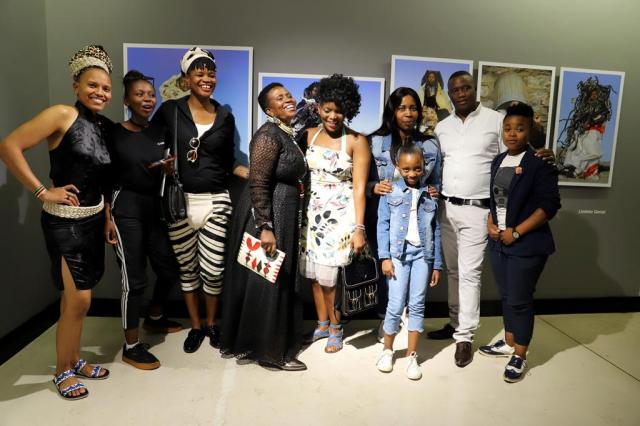
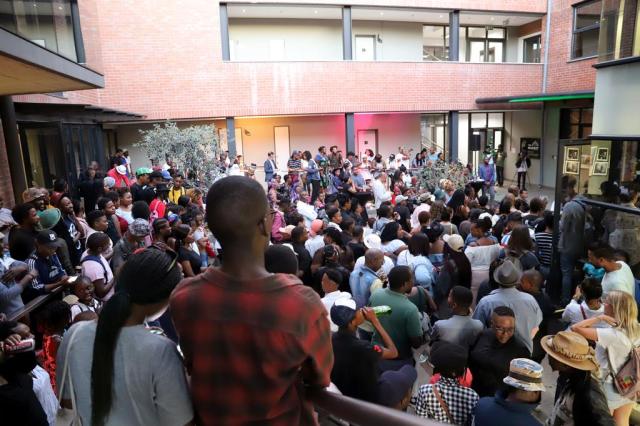
The audience’s response to the exhibition was amazing. In my experience of exhibitions, especially openings based on photography. I have never seen such an amazing event. Everyone was free, motivated and happy about the work of these five photographers. They were really celebrated.

The viewers, young photographers, visitors and members of the community received priceless motivation from the celebrated photographers.

“Note that the camera has no gender so those who are scared to touch the button, it is possible” said Prof Muholi. The power of these words decreased the fear of success in photography. They further mentioned “it is possible to make money through photography”. The exhibition was productive and helpful to all the attendees.

This was the most unique exhibition, It was not only about photography. Poets and singers also performed during the exhibition opening. It was everyone’s platform. Africa rises tremendously through art, silencing poverty and unemployment.


Related Articles

2019 Mar. 1: Yithi Laba State of Photography Address


and


2019 Feb. 20: Yithi Laba exhibition


and


2013 Nov. 4: From Market Photo Workshop to Bremen University


Posted in Another Approach Is Possible, Lerato Dumse in conversation with Lindeka Qampi and Zanele Muholi, Lindeka Qampi, Lindeka Qampi and Zanele Muholi, Lindeka Qampi sharing her PhotoXP experience to Valerie Thomas, Photos by Lindeka Qampi and Zanele Muholi, Uncategorized | Tagged , , , , , , , , , , , , , , , , , , , , , , | 1 Comment

2019 Mar. 1: Yithi Laba State of Photography Address

By Lindiwe Dhlamini

Photos by Inkanyiso Team


PHOTO-2019-03-01-06-40-19

Qampi & Muholi, are friends and co-facilitators of Mobile School of Photography who celebrated with the guests at the exhibition opening. Photo by Kamo Petlele (2019)


The echoing voices of the crowd that was in attendance during  Yithi Laba (This is us) exhibition opening curated by Lerato Dumse & Zakara Raitt at the Market Photo Workshop in Newtown, Johannesburg on the 28th February 2019 are still resounding in my head.

The sounds of joy, laughter and mind-blowing poetry still gives me goosebumps and one cannot deny the power that the five photographers Lindeka Qampi, Bernie Searle, Ruth Motau, Neo Ntsoma and Professor Zanele Muholi have. They gathered over 200 people in the same gallery, at the same time to witness greatness hanging on the walls. The works displayed spoke a different yet similar language, it was definitely the language of LOVE of different spaces, different objects, different people with different expressions.


PHOTO-2019-03-01-17-29-48


I was first captured by the beautiful poster display on the glass doors of the gallery with images of each of these legends mentioned above, and the work displayed inside was even more breathtaking. I have never in my life witnessed such a historical and powerful collaboration with images that told stories I could relate to as a Black South African queer person from a township. Walking around the gallery, looking at how some of the people in attendance were encapsulated by the works of these legends. I had the pleasure of getting vox pops from some of the people who were there, the interactions were genuine as people felt relatable to the space and the artworks.

Speaking to some of the attendees, here are some of the comments I gathered;  “This is by far one of the best exhibitions I have attended in a long time. I love the Black *women only collaboration, I wish I could see more collaborations like these from other artists in South Africa and abroad. This was just brilliant.” – Luyanda Makhubo

I am a die-hard Lebo Mathosa stan, the minute I saw her image on the wall captured by the talented Neo Ntsoma I knew the show was going to be LIT!” – Mzwakhe Nkambule (28)

PHOTO-2019-03-01-11-35-23_8

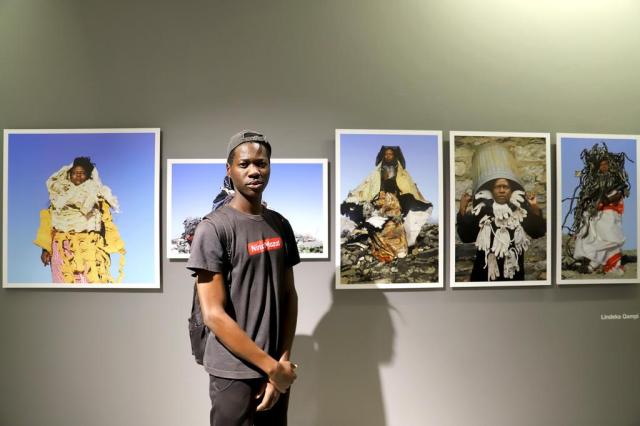
“I am particularly drawn to Lindeka Qampi’s work because I never thought that trash can be transformed into something so beautiful – this is pure talent, creativity and everything great about art – I am blown away. I also love Bernie Searle’s images, the use of color and how it transcends from one picture to the other is so fascinating, bold and forces you to take another look– over all powerful show” – Lungile Mdluli (24)


PHOTO-2019-03-01-11-35-23_7


“As a spiritual person I relate more to Ruth’s work. In an era of false prophets, I thought that was a powerful selection to remind us that no matter what we must always keep the faith alive, I loved it” – Serati Moeti (33)

While not everyone in attendance had good things to say about the show, the positive feedback outweighed the bad. The show was a success and the people were happy to see one of the best shows end February 2019 on high spirits. As if that was not enough, the attendees broke out into struggle songs in celebration of the brilliance they had witnessed. The festivities of the night carried on, food and drinks were shared among guests before taking different transport safely home covering several Gauteng municipalities.


PHOTO-2019-03-01-11-35-23


The showing photographers mingled with the crowd, while also taking selfies with them. In the midst of all that I managed to scoop a comment from Lindeka Qampi who was looking drop dead gorgeous in a beautiful Black maxi dress with African print design. “You know Lindi, I have never had a birthday and this today, what I am seeing here, feels like my birthday and I am so happy to see my work being celebrated. I am so blessed to have people like Muholi and all of you in the crew, you are family to me and all the love you have shown, and all your teachings resulted in what you see on the walls today.” Lindeka Qampi – Yithi Laba exhibitor.

The next day, we were called in to do interviews at the Market Photo Workshop where the Yithi Laba exhibition is still on show till 15 April 2019. I had the honor of interviewing Ruth Motau and Neo Ntsoma, whose responses reignited a fire in me to never stop dreaming. I was inspired by the way they both managed to break through boundaries to be where they are today. It is always encouraging to see Black woman who have paved the way for young upcoming Black female photographers sharing the stage and doing it so gracefully. I cannot wait to see the final interviews and overall show.


Related link

2019 Feb. 20: Yithi Laba exhibition


Posted in Bringing photography to schools, Bringing photography to the community, Documentation; Filming; Photography; Community, Exhibition, Exhibition opening, Exhibitions, For the love of photography, I love photography, Lerato Dumse in conversation with Lindeka Qampi and Zanele Muholi, Lindeka Qampi, Lindeka Qampi and Zanele Muholi, Lindeka Qampi sharing her PhotoXP experience to Valerie Thomas, Market Photo Workshop, Photography and Video, Photos by Lindeka Qampi and Zanele Muholi, Social documentary photography, Uncategorized, Yithi Laba conference | Tagged , , , , , , , , , , , , , , , , , , , , | Leave a comment

2019 Feb. 20: Yithi Laba exhibition

Date: 28 February – 15 April 2019
Time: 6-8pm
Venue: The Market Photo Workshop, Newtown, Johannesburg.

Yithi Laba meaning This is Us is a command announcing the coming together of five South African photographers. Lindeka Qampi, Neo Ntsoma, Prof. Zanele Muholi, Ruth Motau and Berni Searle celebrate, reflect, commemorate and respond to 25 years of South Africa’s democracy.

Muholi who is a Visual Activist conceptualized and initiated the exhibition and invited four photographers who have “shaped and changed” Muholi’s visual life. Muholi believes that the exhibiting photographers are remarkable and that every person interested in visual art and activism should know about their work and that their content should be used to educate students in schools, colleges and universities. It is the consideration of future generations that compelled Muholi to bring this exhibition to life, to coincide with the country’s democracy reaching a silver jubilee.

lindeka-qampi-wired.-copy

This unique mix of photographers features three alumni of The Market Photo Workshop. The Market Photo Workshop has played a pivotal role in the training of South Africa’s photographers; this is where the exhibition will be housed for nearly two months.Lindeka Qampi has placed herself in the centre of her frame, offering images and a poem titled Inside My heart, as a point of departure speaking on the societal problem of violence, while breaking the silence and denouncing these prevalent acts of abuse. Using recycled material, the Cape Town based artist highlights the gravity of the subject in the story. She uses public spaces to produce these self-portraits, working from the beach to open veld.

neo-ntsoma_profile-pictire

Neo Ntsoma enters with a “self- reflective body of work, which aims to capture how style/fashion can become a sense of masking oneself and an expression of one’s dreams”. The portrait series titled I Am WHO I know I Am is older than South Africa’s democracy, produced to counter Apartheid’s lack of “positive images of black people in mainstream media”. Ntsoma approached the series with the belief that fashion is not just about clothes but a statement about society, dress sense, cultural identity, expression and can even be a way of resisting oppression. Ntsoma is the first female recipient of the CNN African Journalist Award for photography (2004) and her photographs have been exhibited at various international film and photo festivals.

zanele-muholi-zava-amsterdam-2014-press

Prof. Zanele Muholi, is set on their mission ‘to re-write a black queer and trans visual history of South Africa for the world to know of our resistance and existence at the height of hate crimes in SA and beyond’. A special Yithi Laba selection includes intimate self-portrait images featuring Muholi and collaborators who were Muholi’s partners and some friends. Muholi will also showcase video material looking at lesbian intimacy and bi-racial relationships.

Seopedi.JPG copy

After studying photography for over three years, the dawn of democracy signified Ruth Motau’s launch into the field, later becoming the first black female photo editor in SA. Motau is a social documentary photographer influenced by photo journalism and the marginalization of black people and communities.


Berni Searle Colour Me 1

Cape Town native Berni Searle comes on board with art experience dating back to pre-democratic South Africa. Searle employs time-based media such as photography, video and film as a tool to capture her work with performative narratives and the self as a figure to embody history, land-memory and place. Searle will be exhibiting her series of photographs Colour Me as well as a video.


Posted in Uncategorized | Leave a comment

2019 Jan. 12: Land discussion

by Mercury Duma

December 2018 the last Saturday of the year saw an informative and intriguing land discussion by the participants of the Mobile School of Photography in Durban. Lindiwe Dhlamini facilitated the session and requested participants to first read an article in the newspaper in relation with different themes discussed in the group. Discussions included religion, racism, gender, sex work, colour and so forth. After reading an article, each participant had an opportunity to present in front of the group what their article is about and how it [article] relates to the land issue. Each presentation sparked a discussion with regards to the land issue.

During the discussion participants were very articulate and had strong views towards the discussion. The conversation was robust and Lindiwe had to jump in to restore calm in the discussion.

The discussion saw very important matters being addressed, participants would even use their personal experiences as a reference to put their point across supporting themes each article had.

The discussion forms part of the shoot participants will be doing connected to the land issue. The objective of the exercise was to make it effortless when participants capture images relating to land issues.


Posted in Uncategorized | Leave a comment

2018 Feb. 18: To those who create: Photography Bootcamp

by Matlali Matabane

There’s a saying in Sesotho that goes “Matsatsi ha a chabe ka ho ts’oana.” Meaning each day has something different to offer. January 28th 2019 waone such a day as we began our workshop focusing on Gender Based Violence and thus beginning, for me personally, an inquiry into the self. Little did I know that beyond the confines of my perspective that new ideas, sisterhood, tears and healing awaited. Participants of the workshop were Mats’eliso Mots’oane, ‘Mamohlakola Letuka, Ts’episo Mahooe, Maleballo Mokhathi and Tsebo Phakisi whom collectively later related to as my tribe. 

We inquired why violence strikes a chord for most women and if this is an injustice we should still be fighting for in the modern world. The concensus was we live in a patriarchaworld where law and systems were established within predominantly masculine settings barely accommodating the unique needs of the feminine counterpart. 

As the day continued we shared a little bit about ourselves through the gentle guidance of TambuMuzenda and Lerato Dumse. Lebogang Mashifane, the third facilitator was behind the scenes and shared here and there. Posing for a group photo marked the end of day one, we then headed into day two with a better understanding of what the workshop was to explore.

Day 2:

We got hands on with research and photography, hitting the streets to find stories and faces. We came across a group of ladies who were kind enough to share their stories among which one was a victim of “ho shobelisoa“, which is a Sesotho custom where a man takes a woman as a wife without her consent. The practice is common in the rural areas as she explained she was from Mokhotlong; a district in the north of Lesotho. She went on to detail how she was ambushed by two men sent by her “suitor” then physically beaten and threatened with a gun. Upon reporting to the authorities, the policefailed to bring the man to justice as he still had access to the family and constantly frequented heir family compound.

She then expressed how she has never healed and has no true sense of freedom in her owvillage. Further up town, we met a herbalist who shared his knowledge with Matseliso. From that conversation what stood out was when he mentioned that there are more women than men; a common justification used men to cheat, mistreat and often abuse women. Later in the day we finally met Professor Sir Muholi, the creative genius and Thobeka Bhengu the grounded choreographer. With them we further dissected the idea of GBV and opened up our perspective on the issue: how it isn’t just fiststears and blood, nor being failed by our administration but rather how we are constantly violated by bodies in public spaces and how our silence as artists is a deeper kind of violence unto ourselves. 

As the conversation concluded, it was highlighted that we ought to be aware of the current affairs of our country, to question everything, dig deeper into the many realities we are experiencing as Basotho; that is where the real stories lie.

Day 3

The Inkanyiso team invited us into their personal spacewhere they were housed. Here we shared writings, stories and listened extensively to Zanele, Tambu and the rest of the team as they shared poetry, philosophies and content. The Lesotho team, having a strong literary background engaged the Inkanyiso team as a beautiful exchange of art was documented. Our concepts were further sharpened through writing exercises and we later went on to the field to shoot pictures relating to various exercises meant to expand our thinking processphotographyconceptualization and visual communication skills.

Day 4:

Started us off with exploring a route Zanele and Tambuhad been hiking over the week,  which landed us on top of a hill and into the hands of Thobeka for morning stretches, breathing and movement exercises. This then ushered us into a day full of writing, an interactive camera operation lesson, team work among the participants and deeper sharing facilitated by TambuAs the evening rain poured we headed to a screening of a documentary featuring Prof. Muholi at Café What? where we shot and interacted with fellow artists and the community at large.

Day 5

The final day was primarily presentation day where each participant selected their best pictures followed by a critique sessionThe sum of sleepless nightsdaily shooting, making friends, scars, mountain topsnatural hair and art i5 pictures. Everyone had grown in their own way or at least hope. As for me and my concept of exploring the self, mentioned earlierit comes to this; that in as much as we are ourselves a part of that is the sum of who we know and love. In a violent world love is the only thing to look forward toIn the end we gave thanks and hugs to those we have connected with and are to soon see again.

Little nuggets to keep.

Mantra : Frame, focus, shoot. (Would look great on a t-shirt)

Wisdom : Do not sell yourself short. Dream big. 

Lesson : Share what you have, you never know who you are healing.

Many blessings and well wishes to the Inkanyiso and Ba Re teams.


Posted in Uncategorized | Leave a comment

2018 Feb. 18: Opportunities dressed as challenges

by ‘Mamohlakola Letuka

In life there are many opportunities, some of which are disguised as challenges. It was an ordinary Sunday evening when I received a Facebook message from Lineo, Ba re ene re coordinator. Lineo being the person I look up to, I was thrilled, but nothing prepared me for the news carried in the DM. I danced; literally did a celebratory dance when I learned I was invited to a workshop, the next DAY with Zanele Muholi. I have been to ba re workshops and never have I felt like I wasted my time by attending, so a week learning photography for a curious being like me was an early birthday present.

By Monday morning I was ready for the week ahead. I knew it was going to be important and I was going to learn as much as I could. Little did I know or even understand how pregnant the week was to be. I stuttered during introductions and to say I was anything short of intimidated when I learned the caliber of people in the room would be a lie. During the introductions there was fluency and purpose of the workshop and I felt I shouldn’t be in the room, this wasn’t my space. Don’t get me wrong, I was determined to learn, interact and make friends, with the hope that I would contribute something, however as flexible as the day was, it was also awkward for me. This opportunity came at a time when I was struggling with self-love and feeling safe in a space filled with women. I felt out of place but it all got better with time. The day moved incredibly slow. It finally ended with an assignment to shoot. Of all the six people who had attended the workshop, only one did the shoot. Maybe its because she had a camera or she was the only one who understood the assignment.

IMG_8557

Day two passed incredibly fast. I was finally getting the hang of the workshop, and having Prof Sir Muholi in the midst was amazing. The first thing I fell in love with was the hairstyle. Muholi wore their hair with so much pride and boldness. I have never met any one as bold and artistic, they played with their hair. Being a hair fanatic I instantly fell in love with their passion and ambition, this pulled me toward them. I was wowed! We were then assigned partners from Inkanyiso team for Wednesday. The whole day I had been struggling with my concept, and Lerato Dumse was able to help put things into perspective. She made suggestions but of course I still had the last word on the concept. The next day, which was Wednesday we set out to meet an individual who experienced gender based violence. Upon our arrival we brainstormed on catchy phrases for a topic and we settled for “are men drowning in masculinity?”

The interview went well. We left setting off to shoot around town. Lerato helped with the basics of portrait shots. We walked from She-hive to Mohokare guest house where we were to meet the team. When we arrived we shared on the events of the day and I was inspired. Thursday came and we hiked to the mountain (ratjomose), there we exercised.

I believe Thursday was the best day of the week. Yes we worked harder than any day, but we also looked forward to the book launch. Most of the day I used point and shoot instead of a DSLR. I wasn’t happy with most of my pictures but reality is, we had limited time. Matlali would let us use her camera as often as we needed it and I took pictures, that was pretty amazing also. With the chaos and shoots happening time passed and soon we prepared for café What? The experience was magnificent, the screened Art21 documentary was moving.

The screening was affirming for me, I felt that the little I have done in my community really was big. We all went our separate ways from Café What? to rest for the big day. Friday! We had to present our pictures. I didn’t understand the concept of presentations until I was presenting. As luck would have it I went first, and I was disappointed in the pictures I selected for the presentations. Well it didn’t go well; I had selected pictures which I had shot with point and shoot. Prof. Sir. Muholi gave their critic, which was frank and honest. I was grateful for the feedback and determined to work harder.

Overall, the week was amazing and eventful. I have learnt more than I could process in a week. I am still processing the whole week to date. I am determined to study hard, even outside of the group if I must. After the sessions, I feel loved and part of something bigger. I have managed to create a family, I have sisters all over, I have friends and I can proudly say, I spent five days amongst stars! Either I am the sky, the moon or a star myself.


Posted in "There are few good men", 2019 Lesotho Photo XP, 2019 Photo XP, About PhotoXP, Gender Based Violence (GBV)., Gender expression, History of PhotoXP, Lesotho, Lesotho Mountains, Photo Expressions, PhotoXP, PhotoXP photographers, Uncategorized | 1 Comment

2019 Feb. 18: Reflections Part 1: Go tell it to the mountain, it is violence in the ear

by Tambu Muzenda

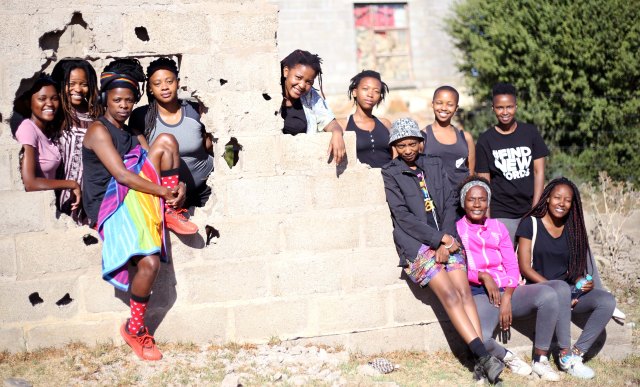
On the 27th of January, we arrived in Lesotho for the Photo Experience workshops and field work with participants we didn’t even know would touch our lives so deeply. After several days of interactions, discussions and tears, at the end of the long day we all left to relax. For some of us, we still worked into the night and looked forward to the new dawn. Mornings brought so much joy to my spirit, as I took walks to the mountain meeting so many unfamiliar faces. The gaze remained the same, unspoken and piercing from the few people I encountered during my morning walks before sunrise. School girls in their uniforms, workmen in their luminous vests, worn already before the sun can shine on the safety vests for visibility. Unfortunately, the effects never seen as daylight makes no sense for a luminous vest. Some girls walked in pairs carrying large and long sticks. Men carried their lunchboxes by their waist side, loud traditional Basotho music blasting from their hips. Some young men seemed to prefer the subtle plugging into their ears, listening to unknown, and never heard sounds of music, a way to escape time and maybe even the sound of birds, crickets and frogs. For the most part the walking routine was the same, with the exception of two incidents in which our movements seemed monitored as we walked passed the barracks. Yet, the escape to the high mountains was such a pleasure to which my dear friend Prof, Sir Zanele Muholi also joined me since their arrival two days later. So I took the lead to the mountains, a little joy we found as we escaped the city dust to perch ourselves like the birds in the kingdom’s sky view.
LesIMG_8735 copy

On this particular morning, we walked in silence for some time until we met an elderly man with his lunch bag, blasting an old song by Dolly Parton, ‘My mistakes are no worse than yours’. Muholi and I were stunned and still not sure what to make of it. As my mind raced to speak what I had heard, I could only imagine how violent the song sounded. Not the melody. The tune was a memorable one. I even remembered such songs being played on radio, late on Sunday nights as part of the country music selection. In those days, radios with a cassette recording and player, were the flavour of many households. And if the DJ could only remain mum for a while, it was possible to come out with a few playback tunes. Of course saving one the trip to the record store to buy a new cassette. But as on the day, Muholi and I realised the power of music and at the same time the violence that is played over and over in the music we listen to without a thought of someone crying out for help in the music’s lyrics.

And so we laughed, and still discussed further the realisation of such violence, a concept we had been engaging with for the Photo XP in Lesotho. We walked until we reached the mountain top and in sync started to identify the songs that made us be, the songs that we cried about, and some we made love to. In that moment we stripped the lyrics of the songs to understand what it all meant. Dolly Parton was just one song that broke the violence of the ear. The song relates to a woman apologising to a man, that she is not what he imagines her to be-an angel. Parton continues to express her frustration at the man judging her for not being a saint after being dumped by a man who then goes on to marry another woman, leaving her to deal with the same of being loose. The consequence of her not being chosen to be the man’s wife, wearing his wedding band. But unlike man, woman is then categorised as loose, when the same is not afforded of man who takes (has sex with) a woman and never marries her. The same woman as Parton relates, suffers more than her counterpart—a man as she is stigmatised and called names like whore, slut and many more. But the sad part of the song is how she has to explain and express herself to have the man understand her, as though seeking redemption in actual fact, and finally acceptance by the man.
IMG_8429

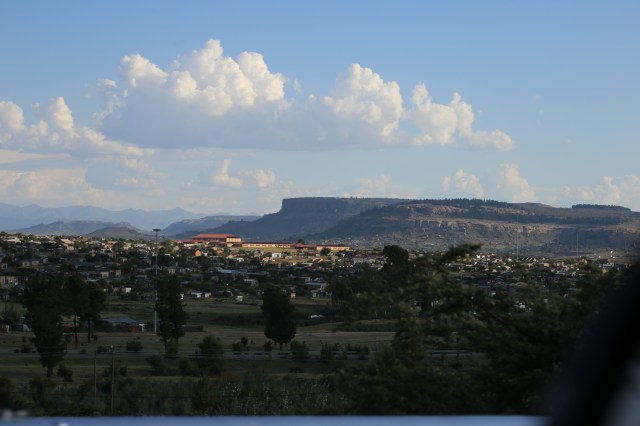
Beautiful landscape and scenery guide the path from South Africa to Lesotho. Image by: Lerato Dumse

Muholi and I, under the influence of the mountain skies make a list of many songs that we remembered, danced to and without a thought, these hits prevailed to remind women that they were and remain minors or inadequate as adult humans. The consequent of our own queen of Music, Brenda Fassie declaring and accepting to be a ‘Weekend Special’. If you cannot get it al then, take what you can get type of thing. Woman again explains how the man will not see her in the week, doesn’t even call to say he is busy neither does he take a chance. But come weekend, the woman is raised, promoted to my all weekend treat status, a weekend special. And that is all she becomes. Dolly Parton’s song affirms this weekend special woman. Not sure why she apologies to the man because he is disappointed that she is fine being a weekend treat. Who condemns the man having a takeout for the weekend? Double standards. Then Karen White’s ‘I am not your super woman’ takes it another level letting the man know she is not a super woman, expected to make all things possible for this man- who just prefers to read to the newspaper otherwise. But, Aretha Franklin doesn’t puss foot on it, she spells it out R.E.S.P.E.C.T, is all she needs and she has got it too. To understand demanding of respect is something so violent. Respect should be mutual.

If women begging and confessing to love is not enough, one can only listen to the ‘Waiting to Exhale (1994)’ Sounds track, which is self-hating and sacrifices that women make for men. Again an issue that speaks to the social sanctions in which women ought to just keep doing until they run on empty. Through the rights or wrongs, whose business is a relationship of adults? But this album is a revelation of regret that Gladys Knight (1994) singing ‘I don’t want to know’ speaks of what has transpired in a love relationship and being left for naught, that one just feels that it’s not worth the time to explain. ‘I gave you the best, the best days of my life through all your ups and downs…God knows there were wrongs… I should have been long gone. I gave you three hearts.’ And after all that the man walks out on their loving home for some girl born yesterday. And Gladys belts it out so deeply that we can all connect and still feels sad. It’s a violent song that is moodily presented with such triggers, one can cry or just listen and have no words to say. Yes, all that women do is sacrifice and it is also then critical to understand even in our daily lives, how the social sanctions on woman are rolled out. What is this so called sacrifice? It is when you know how you feel and still do it anyway to please the other? Could we imagine that sacrifice is like being strung on a cross to die for a nation to absolve their sins? Can woman really carry these sins for love? And why? I ask because I have no answers. Only to understand that music is a melody for to provide some kind of language we can’t yet speak and when we can it makes us smile. The music speaks deeply of wounded females, who once fell in love and then got hurt, even disappointed, and still continued to love and now most just survive. That survival mode is often so outwardly driven, to a point of being an outer experience that is not internalised. Maybe it hurts so much. Maybe it helps temporarily to cope, so that no one knows what is going on or play the heart of stone- unbroken till the sun comes down and cry to sleep.

Gladys Knight remains one of my leading ladies of all times. From the ‘Midnight train to Georgia’ to the ‘End of the Road Medley’ one can be inspired to stand dance away. Yet for many of us listening to the music today, the voice aches and the violence perpetuated to the ear is not considered. Could music be injurious to the mind that its expression can violate those who find comfort to that which they can’t speak out? Yet, the violence is played over and over in our ears. Reflecting their pain or what they sing about what they experience or other people they know. To be violated by this irregular and stressful melody is clearly something that the modern mind is yet to consider a strain. Triggering tears at times even, as we mourn or sing praise. There is something about the melody that brings one to tears without making a sound, it feels you up and the rupture of feelings from within are all the ear can tell.
LesIMG_8608 copy

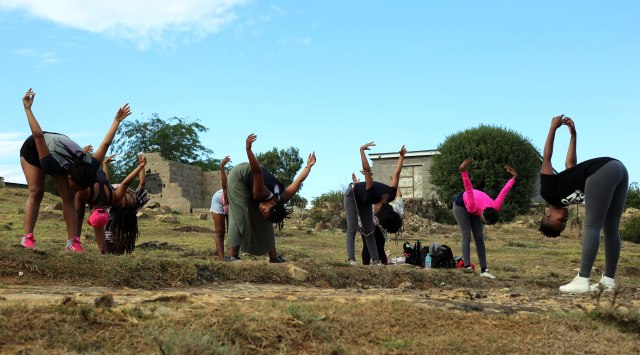
Stretching and flexing muscles during the session. Image by: Lerato Dumse

Telling it to the mountain seems a way to which music just makes noise and they are unmoved. Some pieces are generational and while memorable the musical pieces represent a time so powerful and yet the melody consists of melancholy and depressive emotions. What the ear deciphers can be expressed as agony, grief and despair to which the music we merit as artistic presents violence in a pervasive manner that is so embraced. It may likely be a relief for the composer and musician who tells of such violence. And between the loud speakers and being plugged in with earphones, only the ear can tell what a catharsis is likely to take place whether as poison or relief. This psychological release to the ear of the listener could have an influence of some kind that can either be negative or positive.

The songs we listen to when we are homesick or thinking of our loved ones while on the road play a significant role to our emotions. Just as we play ‘I will survive’ by Chantay Savage (1996) remake of Gloria Gaynor. A song of letting go and telling your lover you will make it. The songs forces the ear to listen to the one who doesn’t need the other anymore and that as long as one knows how to love they will survive. Is love about surviving after all or living the experiences? Surviving love? The emotions to the moment and even relieving the experience when the song plays when you are seated with your new love surely evokes emotions. And so when Boy’s to Men sing, ‘I will make love to you’, their 1994 hit song, I think about consent. ‘Close your eyes and make a wish… pour the wine, light the fire… your wish is my command’. Then the next thing he tells her he will make love to her: she throws her clothes on the floor and he throws his too. And then he holds her tight, until she tells him to let her go.

A song I remember listening to and even children would sing it back in radio, without understanding what it meant. Unconsciously, we chuckled as children came on air and say about making love to someone until they say stop, yet they are holding them tight. Cynical to have a vision of that song, and still have memories of pure and gentle love. These songs have a tune or melody that has normalised pain to the extent that we do not hear this violence to silence as the rhythm touches one’s senses. To listen to these songs carefully requires an ear to familiarise with the music and hear the subtle innuendos that are sexist and leave women to no choice, but sanctioned to beg throughout their lifetime to be seen, loved, respected, dignified and cared for. The list of songs is long, and most of it already been listened to—reminiscing to the violence of others, and still violent to our ears. But the reality is that music has the potential to keep us in a conundrum-changing moods, shifting atmosphere and encouraging a different attitude or behaviour. While the man we encountered in passing was probably just making noise in the air or truly just having a listening pleasure, there is much to be said to the power of music brings to each individual- culturally, morally and emotionally in understanding that compass. For music the effects are real whether positive or negative. From wanting just a bit of distraction or relaxation, there has to be some ways in which music influences our thinking or behaviours. Typically one will see the effects of music in a horror movie versus a children’s or a romantic comedy. While we can say it is just music, the potential influence music has cannot be understated to the psychophysiology of a listener and their emotional state depending on the amount of music one listens to. While music could be an escape for others, to some it have no emotional response- unresponsive. I also imagine what effect the music is upon the next generation, that no longer sings just about violence, but names the victim and presents a show so violent to both visual and audio senses that it feels numb at times to experience. It is crass, riotous and public, often dismissed as innovative and showing creativity. Perhaps the ear has immunity to the effects to violence perpetuated to it with mass production of violent content that we are plugged into for many hours on end. Maybe the ear will one day seek poetic justice to stimulate the passions that strengthens the hearing to constructively be in tune with loving realities.
IMG_1253

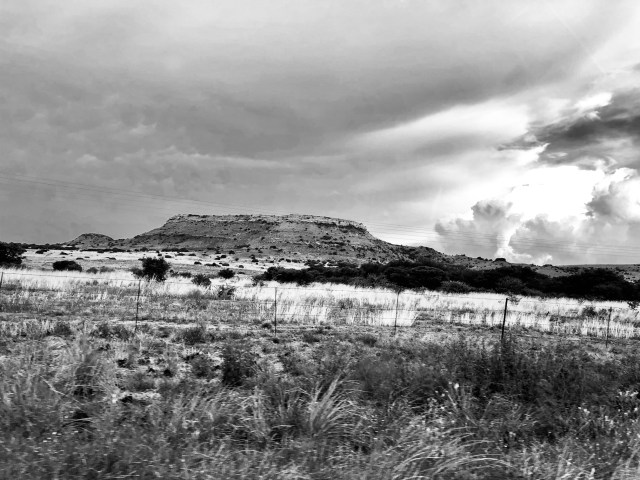
Capturing the landscape while driving across borders to share photography skills. photo by Lerato Dumse

On the other hand, music forms an integral part of our lives, a platform to which voices are raised through these lyrics, sharing experiences that are not necessarily needing to be transmuted into flowery realities. What rock does for one as the sound might not be a necessity of the lyrics, vice versa. Our return from the mountains, brought so much energy, sharing the songs and hearing the PXP participants engage too on the music they are growing up with, left us thinking that there is some form of violence to the ear that still remains unheard. However, whether music is directly linked to the provocation or evoking of emotions, the reality even as a past time kind of thing, it feeds some kind of hunger of the emotions which can be negative or negative. There is something to that Dolly Parton song that the man we crossed paths with on that Friday morning, relates to and understands its purpose other than making noise to the mountains. It is the mood expressed by the music, concentration levels to the song and exercised self-control that we often don’t stop in the streets to dance because social sanctions are a reality in any common place. Special attention to what is heard is a conscious decision or even unconscious to the violence that permeates into our ears to deeply touch us knowingly or unknowingly. And as the consumer of this violence to the ear, how does receptivity of this music impress on our lives. It is not unusual that it has become an enervating experience, and even as we feel and learn oppression and terror in the music, there is s longing to identify with some melody that triggers emotions, so greatly satisfying. Or is it?

Previous articles by Tambu Muzenda:

2014 Nov. 25: Faces and phases-embodying the freedom of being

2013 March 22: Gloom, glamour and graves

2013 Nov. 25: We have always been here

2013 March 8: Ndilele

Posted in 2019 Lesotho Photo XP, 2019 Photo XP, About PhotoXP, Gender Based Violence (GBV)., Healing feeling, History of PhotoXP, Legacies of Violence, Lesotho Mountains, Music, Respect, Respected, Traditional healing, Uncategorized, Violence | Leave a comment

2019 Feb. 15: Participating in the 2019 Photo XP

Text and Phots by Ts’episo Mahooe

A week of Muholi’s mobile school of photography was overwhelming. At first when I heard that Sir. Professor. Muholi was coming to Lesotho to facilitate a workshop I was very excited. First day when I get to the workshop venue all I wanted to see was our guest of honor, a celebrity for that matter. Then during the introductions no one went by the name of Zanele, what a disappointment. I didn’t know them very well because we’ve never met before hence I was still hoping that one of the coordinators would just say: “hey you know what, I’m Zanele, I don’t look like my photographs because I do a lot of make ups before the shoots.” I felt it was only fair to know that she was no longer coming, just to ease our minds about what to the expect.

The first day with the other facilitators was fun, cool and chilled. I even forgot that there was someone missing. The conversations we had with them were awesome. They got my mind all over the place. They made me think out of the box. Then the whole workshop got me out of my comfort Zone. It was a new experience all together. The tricky part about that day was when we were told we had to visualise our ideas. I was challenged but at the same time felt that was part of the workshop: to learn how to bring words into visuals.

IMG_0279

The second day when Muholi came, my happiness blossomed. Seeing them face-to-face was incomparable to nothing that has ever happened to me. That was when I thought maybe it was going to be easier to work out photographs with the professor. They were very firm, strict and stiff. I could read that in their voice while communicating with them. I felt like my worst nightmare was yet to begin. Hopes of maybe things will be better with them around became hopes of maybe things were much better without them. The third day, I couldn’t wake up with the same energy anymore. I couldn’t wait for Friday to see the workshop done and dusted. From the previous day I had felt like I was the only stupid one. I didn’t feel like I deserved the opportunity to be with them. I couldn’t understand even a single thing that was expected from me. When I met Sir. Professor. Muholi that day at the guesthouse, they were a total stranger.

IMG_0038

They were different from the previous day. They were jolly and fun to hang around. They were a friend and family. That was when I realised how deep Muholi loves their job. I realised how good Muholi wanted us to be at what we were about to learn. From then I felt I was indeed not by mistake part of the family. Going home everyday when we were all done with the day schedule was never part of my plans. I felt like the workshop would just go on and on. I wanted to be at the workshop day in day out. I loved being around everybody who took part at the workshop. My best highlight of the workshop was when my photographs impressed Sir. Muholi.

IMG_0275

The worst moment was when the coordinators had to leave for South Africa. I would like to thank Inkanyiso team for the great opportunity they gave us. I would like to also thank Muholi for not giving up on us. What we got from the team was a life changing opportunity. I’m willing to work very hard and make the team never regret knowing and giving me such an opportunity.

Posted in About PhotoXP, Arts, Arts & Culture, Body Politics, Camera work, Documentation; Filming; Photography; Community, Female Photographers, Gender Based Violence (GBV)., History of PhotoXP, Photo assignments, Photography skills, PhotoXP, PhotoXP photographers, PhotoXP since 2004 -, Uncategorized | Leave a comment