2013 March 22: Gloom, glamour and graves

by Tambu Glenda Muzenda

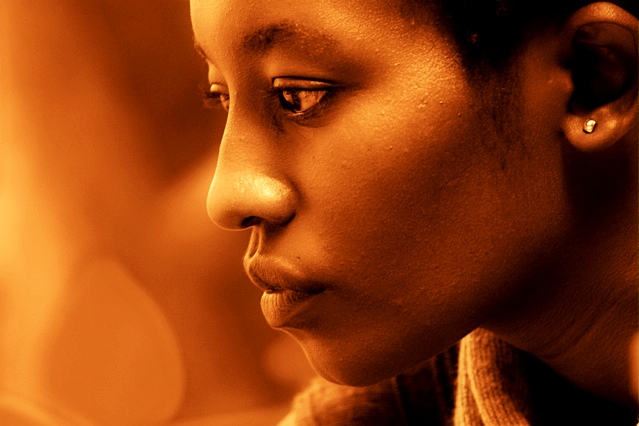
When we lay for the last time to rest the whole event is filled and felt with many emotions and for the one being sent away only silence prevails. Yet so much more happens in these spaces that are sometimes filled with much solemn, sullenness, unspoken resistance and weaknesses. The gloom that fills the home, neighborhood where the deceased lived is one of the many places of performance and purging. Marches of anger are followed by glamorous presence, one might mistake for a celebrity do. Red dust flies as groups of people from all walks of life make their appearance for the dead, and then it starts all over again.

Many years ago when I was growing up as I still am, I knew of people a few at the time who had gone missing and the neighborhood would look at every crack to find the missing person. Police were most helpful and people did not wait for an announcement on the radio or in the media to go help with the find. It was at will and neighborhoods were so much better and the joy when the lost was found- was just immeasurable.
Today, queercide as coined by Muholi, in South Africa make for one fear for the worst. It is rare that women escape death, and no longer is it that we help each other to find the missing person. The cries for help by the young women killed on a monthly basis. What is heartbreaking I the anticipation of a body being found and it being that of the missing woman. In fact, worst of all is that the perpetrator is a neighbor or from the hood. Known as a friend, a member of the hood, and a brother or son to many. Unfortunately this has become a common sight and with the event so sullen, comes much of the glamour.

What I have come to witness is a dynamics of such events- and celebrations of a life lived, sojourn and then lost. Once the death is publicized there is not a moment that goes without steps taken step by step to air out the anger, plan for the funeral, another march in the community and the last word of prayer. This can be seen unfolding on platforms such as Facebook, and through emails and media briefs. People gather quickly, the few known to the deceased and the masses of people who come from all walks of life.  A pitched tent usually is the marked point of the fallen one. The presence of people at funerals is larger than life for a brief moment.  Days before- a few people can be seen coming to pay their respects and consoling the family; mother, father (if he is there), sisters, brother, children of the deceased who on many occasions have no idea what has transpired. People come in and out of the home and the family sits quietly in a corner covered in blankets and dark clothing-in mourning. Muholi’s Mo(u)rning room at the Stevenson gallery depicts a clear picture of somber, helplessness and need to turn back the time for a life lost so young. 

What follows this quiet time to mourn is the body viewing and rituals and solemn activities-that mirror activist performances in many funerals. Masses of people easily mistaken for a fashion show, seating next to stranger and friends-the chair under the tent fill up fast. The rest of the masses dressed to the T-gather outside the tent and on a sunny day, umbrellas will bring brightness to the already glamourized presence by masses of mourners.  One after the other speakers relate of the life of an activist (which has become a relative term) fallen in her tracks. As the masses of people known to the deceased listen, nod their heads in agreements and disapproving of the killing, anger seethes at every mention of the deceased. The masses listen attentively, silence is all but for the preachers, priestesses, reverends who will give a life’s ceremony. Sermons on the word of God bring a sense of confusion to my mind and I will relate this momentarily. Screaming to a screeching sound prayers and the word what can be heard follows, “…of how God loved the world…, …emphasis of us all being made in God’s image,  that we are all the same…, …we are all God’s children…, … and it is the heavens that have chosen for this angel to come home,” The silence is broken with melodious roars of singing. Songs are heard and the melodies are o well coordinated and just bring our heart to pieces- what a performance.

With much of the singing as the body is taken to its final laying place, a hearse leading and in tour I the entourage that gives a lasting performance. The final sending is well prepared and coordinated, it leaves one stunned; the suede shoe, the two –three piece suits, sunglasses galore, hats so elegant one might imagine a derby. The high and low heels, the pants and the skirt, the pleats and the frills, and the whites, black and blocked color effect, all make for a sight of glamour. The funeral procession also has a few cars accompanying the hearse – small cars, which carries close relatives-a deals with burial franchise. Some get buses and in recent times I have seen a muscled up Hammer (American oversized military replica vehicle) that is out of this world.

Red dust flies in the air, a tent pitched at the burial site and ushers showing the way help along- as most days- the graveyard is ever busy. Burial time is limited to just an hour to allow for the next grave shift to go on. Cries, screams, hugs and emotions fill the red skies. A final goodbye and in time some forget to step delicately on the ground to keep the suede clean and in the original condition. Some fall to the ground in shock, realism and fear that a life is finally gone.

The burial party takes the tent down and the chairs. The speaker makes the last prayer, dust to dust as people throw soil into the ground to reunite the body from its beginnings. That is the end and the curtain closes. Masses disperse, friends and family return, lunch is had at the house and the many younger people take their next journey and before that they get together for after-tears.

All in this in mind, what rings in my mind is how this is a cycle with little benefit- hear me! I am glad that there are people who care for lesbians and women who are killed and I am also grateful that they get a dignified send off. Who is there and why- it does not matter right now- in the future I will address this. A funeral of a fellow human being can only be filled with people who come to show support, share in the grieving and give strength to the families.  What I want to understand is the elaborate and seemingly extravagant event that just ends and begins when another lesbian is killed.

The preachers whom I have seen most of them men- crying to God as they speak of the evil that has taken place and the whole bible scripture quoting-I wonder what happens after they depart and go back to their homes and wait for the next invite to bless the dead. I also wonder what they preach in their churches- how and if when they tell their congregation that hating, judging and killing are not a way of the church and that they need to work with us to stop homophobia and understand non-heterosexual. After all we are all made in God’s image right! So how do we stand for people who kill God’s image- found in many diverse sexualities.

What happened to the children and the family who has lost a child, sister, daughter, auntie, mother and lover? I man ye to understand how we make sure that the families not only see our presence in our glamour but with critical conscience to the livelihood for those left behind. Invitation to witness or talk to people about a death in the family through hate crimes- I can only imagine-it is very raw, hard and difficult. So bringing a mother, sister, partner to speak to a crowd about healing or evokes emotions- some feel that they can heal better and of those who don’t- with grandchildren asking for their mother- what do we do?

Away from the gayness as in happiness of our lives can we also take stock of how we present ourselves- to each other dead or alive.  Do we just come for the gays of our lives to mourn and what follows is divorced from us? I am sad to hear that “was“ can go to another funeral and be counted. At the same time as long as we are safe how can we have another graduation, wedding or baby blessing party?
Funerals are no longer as gloom as I can remember- we can celebrate lives and then again if it is true of heavens to cut short (which I do not believe) lives of young lesbian women in South Africa- then at least make sure you feed, clothe, care, reassure and comfort them through these hard and undeservingly hurtful emotions.

About the author
Glenda is a Researcher/Writer/Scholar whose focus is on Gender and Sexuality in Africa.

Previous article by Tambu Glenda Muzenda
2013 March 8:  Ndilele

Posted in Activism, Africa, Archived memories, Networking, Organizations, Queercide, Victims, Violence, Zanele Muholi | Tagged | 6 Comments

2012 March 20: There’s a strawberry garden between your legs

Man drools over it like he can see it

He has visuals of it in his head

There’s something between your legs

That makes him believe he can have that beautiful strawberry

You’ve nurtured it so well and kept it clean and fresh

Boy promised to take the garden and own it

He promised not to enter it before his rightfully allowed to do so

His mouth waters at the thought of your strawberry garden

He wants to have before anyone else does

He thinks it’s rightfully his

As he has seen you through all these years

Your beautiful strawberry garden

There’s something between your legs

Something that makes him drool over you

It makes him wish he could have you right there and then

Man decides to pick the only strawberry in your garden

He eats it all and leaves nothing for you to give to the boy who promised to marry you

All your future plans are ruined in just a minute in your precious garden

Man took away your pride

He took the only chance you had to a better life

Now boy will not marry you?

Because there’s no strawberry left for him to pick

You sit there and wonder

Why would your father do this to you

His a MAN

Like most man

He only wanted to have your precious strawberry and didn’t care about your feelings

He took it al like he owned it

Now your chances of a better life are over

Boy will not take a garden with no strawberry

by Maureen Velile Majola
© 20/03/2013

______________________

Previous articles by Maureen Velile
2013 March 14: Please don’t…

and

2012 December 27: on 2012 LGBTI Recognition awards

and

2013 Feb. 14: A love note for you

and

2013 Feb. 4:  The other me

Posted in Abantu, Activism, Art Activism in South Africa, Arts, Black Lesbians, Community, Community Mobilizing, Crea(c)tive senses, Exposure, Expression, Feminism, Networking, Queer poetics, revolution | 12 Comments

2013 March 20: Defining Self: Honoring the Work of…

by Isis Asare
_______________

If I didn’t define myself for myself,
I would be crunched into other people’s fantasies for me and eaten alive. ~Audre Lorde

The work of Cheryl Dunye and Yvonne Welbon created an unprecedented level of visibility and access for queer women of color – particularly Black Lesbians – in cinema. The movies and archives they created required major investments of time, energy, and money despite being often overlooked by mainstream media. However, those efforts broke new ground for queer women of color filmmakers.

The section below highlights some of Dunye’s and Welbon ’s most salient accomplishments to date and describe their impact on the queer women of color community.

The Watermelon Woman: The release of The Watermelon Woman was a watershed moment in Black lesbian cinema as it was the first full length feature directed by an African American lesbian. It was theatrically released and distributed by First Run Films in 1996. In that same year, the South African Constitution was amended to protect the LGBTI rights. Almost twenty years later, the film continues to inspire Black Lesbian filmmakers such as Tiona McClodden (black./womyn.:conversations with lesbians of African descent), Nekisa Cooper and Dee Rees (Pariah), and Zanele Muholi (Difficult Love).

Difficult Love flyer for Sistah Sinema screening in 2012

Difficult Love flyer for Sistah Sinema screening in 2012

Living with Pride – Ruth Ellis @ 100: In 1999, Yvonne Welbon released and self-distributed Living With Pride – Ruth Ellis @ 100. Like The Watermelon Women, the film provides a historical context to Black lesbian life in the United States. The film won 10 best documentary awards in film festivals across the globe. Road to Pride, a documentary centered around one of the first South African pride festivals, follows the lead set by Welbon by using cinema as a medium to record queer history.

Stranger Inside: Stranger Inside was Dunye’s second film. Financed by HBO, it aired in June of 2001 and reached a larger audience in one evening than The Watermelon Woman did in one year of festival release. With its clean-cut photography and linear narrative, it made an overtly Black lesbian film accessible to the general American public. In contrast, images of Black lesbian life are rarely included in South African mainstream media and queer women of color films such as Difficult Love, The World Unseen, and Road to Pride are screened more widely outside of the country.

Sisters In Cinema: Sisters In Cinema, both the website and the 2003 documentary, make a bold proclamation: Black woman filmmakers exist and are relevant. It allows the public to see, often for the first time, the breadth of film created by this community. Her site lists hundreds of films, and continues to inspire African and African American woman, such as Nodi Murphy (OutInAfrica) and Isis Asare (Sistah Sinema), passionate about building communities centered around cinema.

Both Welbon  and Dunye are being considered for the Tribeca Film Institute Affinity Grant for African American filmmakers breaking ground in their field of media. The recipient will be selected based upon the results of public online voting. It is exciting to have not one but two lesbian filmmakers to support in the selection process. Supporters can vote twice daily for as many filmmakers as they choose. You can vote here: http://affinity.strutta.com/entries.

______________

About the author

Isis Asare is the founder of Sistah Sinema, a monthly event hosted in various cities screening queer women of color (QWOC) cinema. Asare recently launched Sistah Sinema – Online, a queer women of color (QWOC) video-on-demand channel on BuskFilms.com.

_____________

NB: Please note that Inkanyiso will be screening Living with Pride @100 by Yvonne in May 2013.
Check upcoming announcements for exact date, time and place.

Posted in Activism, Archived memories, Arts, Contributors, Crea(c)tive senses, Documentation; Filming; Photography; Community, Exposure, Feminist Art, Networking, Organizations, Records and histories, Women; Voices; Writings; Education; Traditions; Struggles; Cultures | Tagged | 2 Comments

2013 March 20: 25 Pricks


 ‘The thing women have yet to learn is nobody gives you power.
You just take it
…’

-Rosanne Barr-

————————————————————————————————————————————

  1. 250ml vodka
  2. 25 needles
  3. Thread

No, this is not a shopping list for an alcoholic tailor.

Part of setting up for the ‘25 pricks’ video performance meant buying alcohol at 10am on a Sunday. That was not the hard part. The challenge was to ply myself with shot after shot of vodka one hour before show time and still be able to thread 25 needles in 25 minutes.

25pricks1
‘25 Pricks’ is her personal journey…

25pricks2
Of reaching out…

25pricks3
Of being seen but not heard…

25pricks4
Of being sin and always had…

25pricks5
Of enduring nasty pricks…

25pricks6

But still getting it done…

For the tortured souls we’ll always be

That shit will find a meaning with we

Lie a while if you must

But never fly the flag at half mast

One, two, twenty five needles

Yes, yes, life’s full of riddles

Life will send you a big storm

But keep calm and carry on

It’s birthday month for me this March. The Pisces in me anticipates a new set of gills to swim her out into uncharted waters.
I’m done being pricked.

Image

Jackie Karuti’s portrait
© Uli Zeisluft

Jackie Karuti also known as ‘Jackie the Third’ (the 1st and the 2nd were not relevant hence there is no mention of them) is a visual artist working in the fields of painting, performance art and installation. She also models for artistic photography, writes, illustrates and directs animation projects.
‘The Third’ is based in Nairobi Kenya and indeed speaks Swahili.
You can find more of her work and random musings here…

http://thethirdroomstudios.blogspot.com

Jackie Karuti's portrait by Zanele Muholi.  Johannesburg (2012)

Jackie Karuti’s portrait by Zanele Muholi.
Johannesburg (2012)

Jackie was amongst 24 Women artists and researchers ArtsWork Workshop (2012) titled Refiguring Women hosted by the Goethe-Institut in partnership with co-curators Nontobeko Ntombela and Jabu Pereira.  The arts series consisted of workshops and conferences.
It addressed different contributions from women in various art fields and also seeked to support the exchange among professional women in the arts in Africa.
The workshops also touched on how women in the visual arts and question gender related topics.

For more on Refiguring Women check:
http://www.goethe.de/ins/za/joh/kul/mag/frs/en10470224.htm


Posted in 2012 ReFiguring Women, Africa, Arts, Crea(c)tive senses, Exposure, Expression, Feminism, Feminist Art, Goethe Institut - Johannesburg, Performance, South African Curators, Women; Voices; Writings; Education; Traditions; Struggles; Cultures | Tagged | 2 Comments

2013 March 19: The monster

by Nunu Sigasa

Spears and guns are vanity,
Herbs and tablets falls short
Blood soldiers die before you strike
Your silence teeth are fatal
You bite lite a poisonous snake
You kill like a slow poison
Cause you are a coward monster
You are a witchdoctor
You poison lover’s fountain of love
Lovers drinks happiness and die
Lovers sleep and in bed and wake up in the grave
You smile when doctors fails
‘cause you know you driving the sick ones to graveyard
Monster where’s your sympathy?
You kill innocent nannies in the womb
You kill young couples and live orphans
You take away students, teachers and leave school’s empty
Oh you smile when mortuaries are full
You even celebrate when mourners showering tears
Today I know you well
Mr. Monster
I shall close my house of abstinence
I shall tighten my skirt
and
all my brothers shall zip up their trousers
I shall touch your poison-ment with safety gloves
Angeke usangithole
Mr. Monster
ngithi angeke
_____________________


About the author

Nunu Sigasa (2010) Faces & Phases by Zanele Muholi.

Nunu Sigasa (2010) Faces & Phases by Zanele Muholi.

My name is Nonhlanhla Theodora Sigasa (Nunu).
I’m 31 now and will be turning 32 in October 2013. My hometown is Heidelberg but currently lives in Germiston. I work as a learner – post basic pharmacist assistance since 2009. I will be completing the course at the end of June 2013.
_____________________

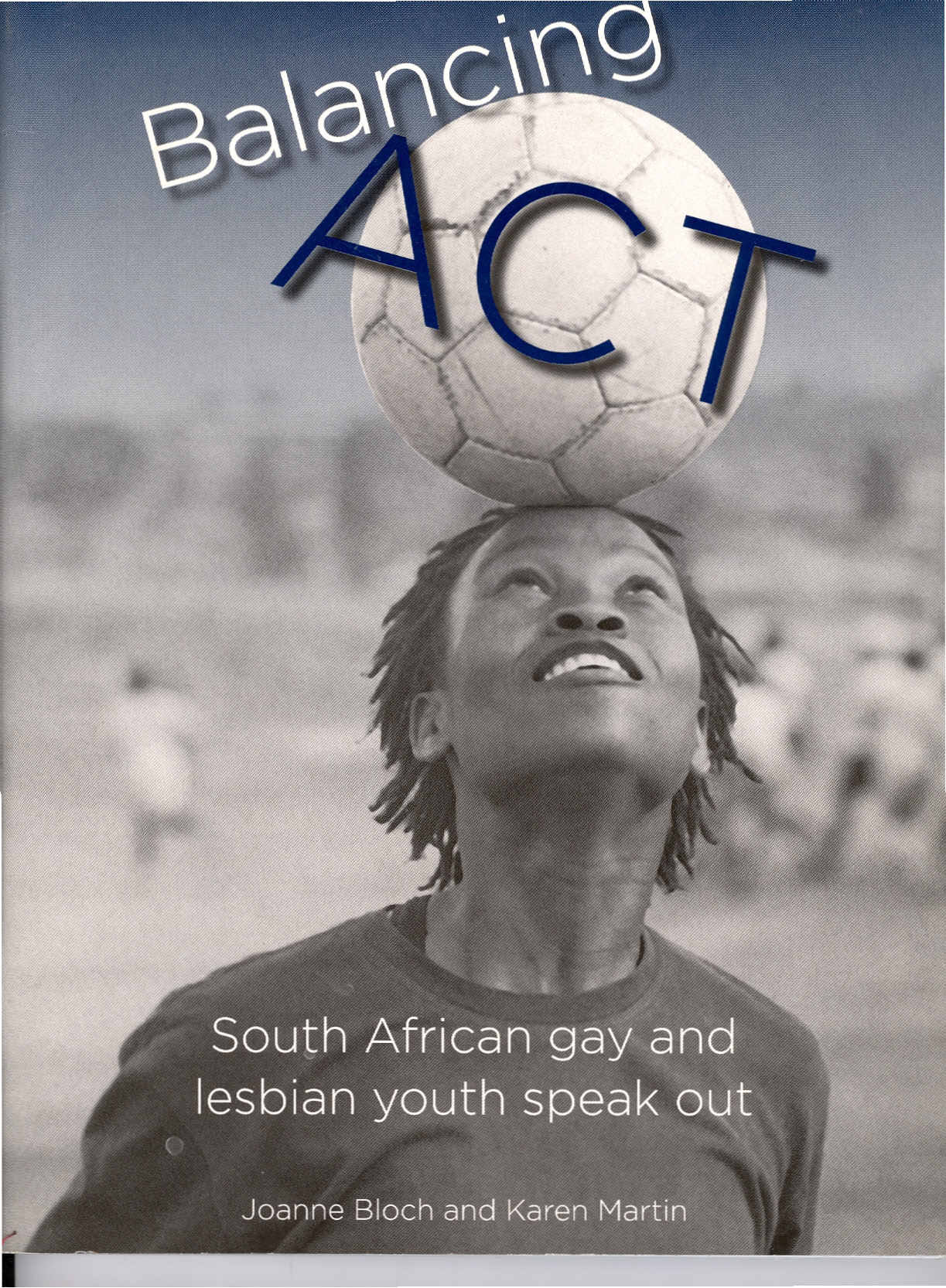
Balancing Act (2005) cover photo by Zanele Muholi. Book title named by Donna Smith & Zanele Muholi

Matsheko Kekana featuring in Balancing Act (2005) cover photo by Zanele Muholi.
Book title named by Donna Smith & Zanele Muholi

Sigasa’s early writing was published in Gay and Lesbian Memory in Action (GALA’s) Balancing Act (2005) book p.61-62, edited by Joanne Bloch and Karen Martin with Teaching notes by Sue Heese.
ISBN:  1-86928-418-6


Posted in Abantu, Activism, Archived memories, Art Activism in South Africa, Arts, Black Lesbians, Health, HiV/AIDS in South Africa | Tagged | 3 Comments

2013 March 17: Paris Is Burning with Candles…

 photo by Zanele Muholi in Paris (March 17,2013)

VEILLEE COMMEMORATIVE
Candlelight ceremony
When
Quand: le 17 Mars 2013
Where
Où: Angle av. de la Cascade – Av. Edouard Petit,
Paris 19 (Métro Botzaris)
When
Heure: @ 18h00

Inkanyiso & Les Dégommeuses hosted a candlelight ceremony to remember the victims of hate crimes in South Africa. The aim of the vigil was to unite, support and stand in international solidarity with lesbians, gays and trans survivors, as we continue to mourn the victims of hate crimes. Present were members of Lesbians of Color (LOCS) in Paris, artists, footballers, activists and feminists. Mimi from Rosa Bonheur supported the ceremony. Messages of support were written on a white fabric to be shared with other activists in SA.

Some of those remembered were:
Mandisa Mbambo (1978 – 2012), a soccer player from Inanda township, Durban.
Mbambo’s body was found in her outside room with multiple stab wounds. It is believed that she was raped before being brutally murdered.
Inkanyiso queer media documented the funeral.

Related article
Lesbians afraid after friend’s murder

Sihle Sikoji (1993-2012), was 19 years old when she was attacked for being a lesbian. She was a football player from the well-known Winnie ladies FC, in Gugulethu, Cape Town.
Sikoji was murdered on the night of Friday 9 November in Phillipi, Cape Town.  Buried in Unathi Crossroads (Cape Town) on Nov. 24, 2012.
Inkanyiso queer media documented the funeral.

Related article:
Lesbian speared to death by gang

Eudy Simelane (1977 – 2008), an LGBTI-rights activist, and a midfielder for Banyana Banyana, the South African national women’s professional football team. Eudy’s was murdered in Kwa Thema. Eudy Simelane on April 28, 2008.

Related article:
Eudy Simelane
http://en.wikipedia.org/wiki/Eudy_Simelane

All the three: Mbambo, Sikoji and Simelane were soccer players.
________________________

For Eudy
A poem by Makhosazana Xaba

I mentioned her name the other day
but blank shares returned my gaze
while all I could see was:
The open field in Tornado

I thought I could explain
but the rising anger blocked my throat
cause all I was thinking was:
This tornado of crimes
is not coming to an end.

Did anyone read a manifesto
that has plans to stop hate crimes?
Which party can we trust to bring
this tornado of crimes to an end,
an end we’ve been demanding?

How should we pen that cross
and put the paper in its place
while we remember painfully
that the open field in Tornado
is forever marked by her blood?

Name me one politician
who can stand up and talk
about the urgency to stop these crimes,
one who can be counted, to call them
what they are. Name me one.

Go, celebrate Freedom Day,
while we gather and stand
on this open field in Tornado
shouting for the world to hear
Stop these crimes of hatred now.

21 April 2009
The poem was written for the Lesbian and Gay Equality Project on the event of 27th April, South African Freedom Day.

_________________________

Read about Makhosazana Xaba on the link below

http://en.wikipedia.org/wiki/Makhosazana_Xaba

Posted in Art Activism in South Africa, Eudy Simelane, Les Dégommeuses, Paris | Tagged , , , , , | 10 Comments

2013 March 12: Trans(parent) interview

with Ricki Kgositau for RealDEAL – Izinto Zamampela talkshow produced by Inkanyiso at the 2011 GenderDynamix Trans Health & Advocacy conference, Cape Town.

From Inkanyiso archives

Posted in Abantu, Archived memories | Tagged | 3 Comments

2013 March 16: Dangerous love

by Lesego Tlhwale

Every morning when I wake up, the first thing I do is to login to my Facebook, check my inbox, read through my feeds then stalk people’s timelines (LOL). While I was doing my daily Facebook routine, I came across Zanele Muholi’s status update. I could tell that the status had already been viewed by a lot of people because it had 80+ likes and 25 comments.

I must say, I was puzzled by so many likes. I didn’t understand if they like the status for the fact that she spoke about her ordeal in public or because she’s a victim of abuse?
I guess I will never know.

Zanele’s update read as follow:  

“I’m a survivor of domestic violence at the hands of a woman I loved.

I’ve learnt that before I say sorry to any abused person I should face my own situation. My abuser told me that she loved me dearly but yet continued to abuse me:  physically-emot­ionally-verbally.

I stayed in that relationship because I loved her. It continued for a year, even neighbours were aware of the situation but could not help that much…

I know that there are some lesbians who are suffering in silence because there is no much service provision for many of us.

It is important that we speak out now not only during 16 Days of Activism…”

I must say, I was shocked by the status… I have read a lot of things written about and by Zanele, but I never even in my wildest dreams think that I would ever read about her being a victim of abuse.

Some of you might ask why was I shocked? People, this is “Zanele Muholi” I’m talking about here, an Icon to many in the LGBTI community; an achiever and someone I look up. I have worked with this woman, I have had heart to heart conversations with her, and not even once have I thought or even suspected that she might have been abused before, especially by someone she loved.

I guess domestic violence doesn’t choose who you are or what you’ve achieved, it can happen to the best of us.

However, I applaud Muholi for speaking out about domestic violence amongst lesbians.  This is a subject we hardly talk about especially in the gay community, and it is something that happens in most relationships. I know people who have been in abusive relationships, some have since ended those relationships, but some are still in those dangerous relationship merely because they think they are loved.

Reading through the comments on Muholi’s status made me realise that all sort of abuse
(Emotional, Verbal, and Physical) are rife amongst lesbian couples. A lot of women suffer these abuses in silence. I have a friend who was physically abused, but she never told me about the abuse in person. I heard about it from a mutual friend telling me in passing, and even after hearing the appalling news. I’ve never asked the friend about the abuse, and the reason I didn’t ask was because I always viewed abuse as a private matter.

There are walls of silence within the lesbian community when it comes to domestic violence, and to some extent, the lesbian community seems somewhat reluctant to address the fact that this does occur to many of us.

One of the first comments I read on the status read as follow: “I was also in an abusive relationship with a woman… She had been sexually/physically/emotionally abused as a child-and she carried on the family tradition”.

I have mixed feelings about such statements/views, I feel it is a statement used to excuse the perpetrators behaviour, I mean coming from an abusive family doesn’t compel one to be abusive, unless maybe I got the wrong memo of life… I think that one chooses to be whom and what they want to be, unless maybe being abused as a child is some kind of university that teaches one to be the ‘master abuser’. Abuse is abuse; we cannot justify it by our past.

Another striking similarity in these stories is that, they all stayed in the abusive relationships because the partner (abuser) told them she loved them. Well I guess them being battered was a sign of how much they were loved… some can’t leave because they’ve got nowhere else to go, the very same abusive partner might be the only thing closer to family, some provide for the victims financially and without them they’re nothing. These are some of the reason people succumb to abuse.

However, It’s important that we as lesbian adopt the nature of speaking out about such issue, let it not just end with us reporting gender based violence perpetrated to us by men only, let’s also report the partners that claim to love us but yet hit on us.

A lot of lesbians I know who have been abused hardly report their cases to the police, and those that do report these cases end up being ridiculed by police officers the minute they mention that their partner is a woman.

I mean, it’s no secret that the South African Police Service lack sensitivity when it comes to LGBTI victims of any sort, and maybe that’s one of the reason our battered lesbians hardly report such cases. I personally feel that specialised services are particularly needed for LGBTI people because reporting rates and prosecution rates are very low at this stage in South Africa.

Another thing that seems to be lacking in our communities is local resources, organisations, conferences and educational materials regarding Gender Based Violence in the LGBTI community. The subject of domestic violence is always swept under the carpet. We know it happens, we have close friends who are victims, and some of us are perpetrators but yet we fail to address the issue.

There are plenty of organisations that are for LGBTI’s by LGBTI’s in South Africa, what are they doing to address the issue of domestic violence between same-sex couple’s?
Is there any organisation that offer support to such victims?
Has there been research done to try and survey the problem?

Can’t we as the lesbian community have campaigns like Brothers For Life that rehabilitated men abusers to do the right thing?

More needs to be done to address domestic violence, like Muholi said in her status update
“It is important that we speak out now not only during 16 Days of Activism”.

_________________

Previous articles by Lesego Tlhwale

2013 Feb. 12: A dildo is not a man; it’s a fantastic toy…

and

2013 Mar.1: Definitely NOT “Gaysbian”


Posted in Activism, Archived memories, Expression, Gender Based Violence in same sex relationships, Life Stories, Organizations, South Africa, Victims | Tagged | 22 Comments

2013 March 14: Please don’t…

You almost met my dark side that night

That night you pushed me to the edge of the mountain

I told you to stop pushing

Or I’ll do something bad to you

You’ve never met my dark evil side

I don’t want us to travel down that path

It’s not safe for you

Please don’t put me in that dark cloud that blinds me

I don’t want to hurt you or do anything bad to you

I’m trying not to say anything

But how will I not react when all you do is push me to an unconscious state

A state I can never come back from

A place where I do all things bad and not remember a thing

Please stop pushing me to the edge

I only want you to have a happy memory of me, of us

Stop pushing or I’ll start hitting

Over and over again till the room is filled with silence
and the smell of your blood.

I’ll swim in the pool of blood we’ve created.

I’ll taste your blood and tell you how it feels to have it in my mouth.

Please stop pushing me over the edge

I don’t want to beat you up

I’m trying not to bruise you

Don’t make me hurt you

Please stop

Stop making me hurt you

You making me beat you up so bad

I want you to understand,

understand that you make me do these things

I never wanted you to see the dark side of me

But you asking for it

I’ll give it to you

I’ll show you my dark side

The dark side I hardly remember after revealing it

I told you please don’t make me do this to

Everyone will blame me

Everyone will say I’m the wrong one

No one will believe me when I tell them
I asked you not to push me

Push me over the edge
© 14/03/2013
_______________________

Previous from Maureeen Velile Majola

2012 December 27: on 2012 LGBTI Recognition awards

and
2013 Feb. 14: A love note for you

and

2013 Feb. 4:  The other me

Posted in Abantu, Black Lesbians | Tagged | 3 Comments

2013 March 13: A scrapbook under my pillow

As people we are all,
for speaking out for other people’s pains,
but our darkest secrets we dare not reveal.

I am not a dark secret, nothing in me is hidden…
I just forget sometimes.

There is no pain in me,
just thoughts and missed – understandings.

I do not cry for the child in me…
We are in different spaces.

You see when she was molested, for the first time,
I left her.

In my mind, she never existed.

In her mind she went to witness Gods glory in church for the first time.

She kept quiet!!
How could she!
Fold silence at a point of an important speech!!

She left me!
No I left her.
So whatever happened to her next, it was folded in her silence.

I was there!
The voice of all reason, but she wouldn’t let me talk.

Tied against her will’ we moved on…
She begged me not to remind her in my silent thoughts.

The second time it happened, it was becoming a habit.

No one knew her, so our silence was justified.

I left her…
There was no glory that day,
only a pattern of twisted minds,
idling thoughts and a devil toying with destiny.

Early in her childhood we learned to separate from what she experienced and who she was.

“I have never seen love displayed with hand motion and visional contact.
Unless it was directed to hurt me.

The verbal confession of love I heard first,led to an attempted rape case.

Closed, no discussion a pin that codes a hurt.
Don’t reveal.
It didn’t happen.

I have never taken life with a pinch of assault,
I just knew, shit happens.

So quickly I try to forget,
blinding the first time a knife was held against my neck.
At a holy cross, I found myself paled by Satan and his attempts to kill me.

I am not dead, not physically…
Emotionally, I take it a day at a time.
Everyday is a new day.

I am not dead, so spiritually I am a rebirth.
I don’t connect with yesterday, because I have passed it.”

I don’t cry for her, she is no longer with me.
I am not there and we both don’t exist.

Just a time, a path…
and I cant wait for tomorrow.
She says, she is ready to join me now.

She forgives me, even though, I don’t remember why.

I still don’t feel her pain
it was all in a dream.

I was never dirty, never disgusted with myself.
I knew it was them.

Them with sick hands, sick minds a devil I despised.
It was never me, I hated them.
I sometimes forgot why…

As people we are all,
for speaking out for other people’s pains,
but our darkest secrets we dare not reveal.

I am not a dark secret, nothing in me is hidden…
I just forget sometimes.

There is no pain in me,
just thoughts and missed – understandings.

I do not cry for the child in me…
We are in different spaces.

You see when she was molested, for the first time,
I left her.

In my mind, she never existed.

In her mind she went to witness Gods glory in church for the first time.

She kept quiet!!
How could she!
Fold silence at a point of an important speech!!

She left me!
No I left her.
So whatever happened to her next, it was folded in her silence.

I was there!
The voice of all reason, but she wouldn’t let me talk.

Tied against her will’ we moved on…
She begged me not to remind her in my silent thoughts.

The second time it happened, it was becoming a habit.

No one knew her, so our silence was justified.

I left her…
There was no glory that day,
only a pattern of twisted minds,
idling thoughts and a devil toying with destiny.

Early in her childhood we learned to separate from what she experienced and who she was.

“I have never seen love displayed with hand motion and visional contact.
Unless it was directed to hurt me.

The verbal confession of love I heard first,led to an attempted rape case.

Closed, no discussion a pin that codes a hurt.
Don’t reveal.
It didn’t happen.

I have never taken life with a pinch of assault,
I just knew, shit happens.

So quickly I try to forget,
blinding the first time a knife was held against my neck.
At a holy cross, I found myself paled by Satan and his attempts to kill me.

I am not dead, not physically…
Emotionally, I take it a day at a time.
Everyday is a new day.

I am not dead, so spiritually I am a rebirth.
I don’t connect with yesterday, because I have passed it.”

I don’t cry for her, she is no longer with me.
I am not there and we both don’t exist.

Just a time, a path…
and I cant wait for tomorrow.
She says, she is ready to join me now.

She forgives me, even though, I don’t remember why.

I still don’t feel her pain
it was all in a dream.

I was never dirty, never disgusted with myself.
I knew it was them.

Them with sick hands, sick minds a devil I despised.
It was never me, I hated them.
I sometimes forgot why…

by Babalwa Ngcivana Redseed
© December 3, 2011
__________________________________

About the author

My name is Babalwa Ngcivana Redseed.
I was born at the peak of South African apartheid in 1984. In a family of four with me being the second born.

I am what I call a white sheep of the family, besides the complexion. I’d say my path in life has made me to stand out.

Growing up I was shy and awkward because I didn’t fit in much. I had secrets, I didn’t see a reflection of me in the community. So I kept it with me till I was in my early twenties. I prayed and asked god why he made me like this, if he knew no one would accept me.
I realised the answer was in that question. I had not accepted myself first when I did it. It was enough. So I did research, looked at the definition in the dictionary of a lesbian, but it wasn’t enough. That single sentence couldn’t justify me.

My father is a journalist and my mom an uneducated woman who taught me how to read English and didn’t know it, herself. I later found out. She is a preacher and combined with my dad’s talents a poet was born.
I always say I have the best of both worlds – spiritual wisdom and intelligence.

I studied Advertising management though my heart was in film. I had no moral support so I opted for advertising.
I also studied a bit of journalism but my bigger dream still lies ahead.

I consider myself as also a motivational speaker, preacher/comedian.

Writing found me when I had bottled up enough pain, coming from a family of alcohol abuse and domestic violence.

I got to witness my dad make great strides and become the man my mother saw in him.

So I write with hope,
I write to make a difference.
I write to bring a smile and to lend a hand of comfort.
That thing will change.


Posted in Activism, Archived memories, Community, Community Mobilizing, Connections, Family, Health, Life Stories, Records and histories, revolution, South Africa | Tagged | 1 Comment