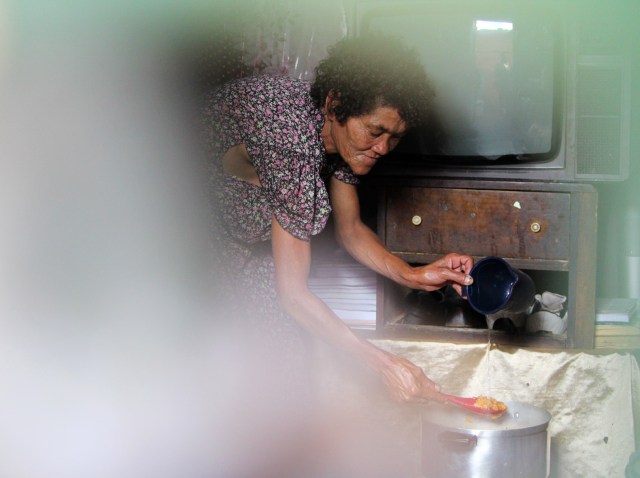
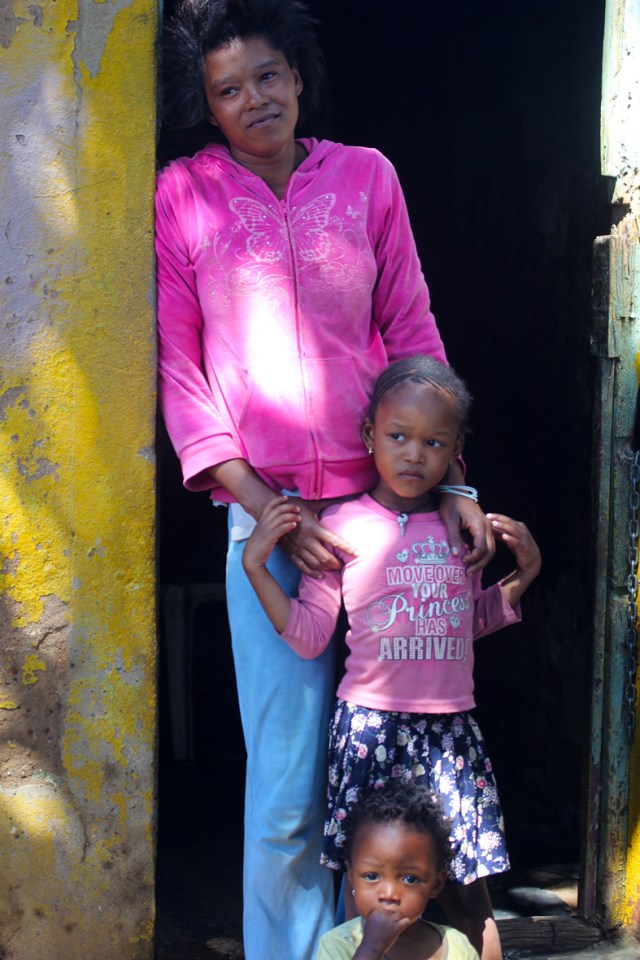
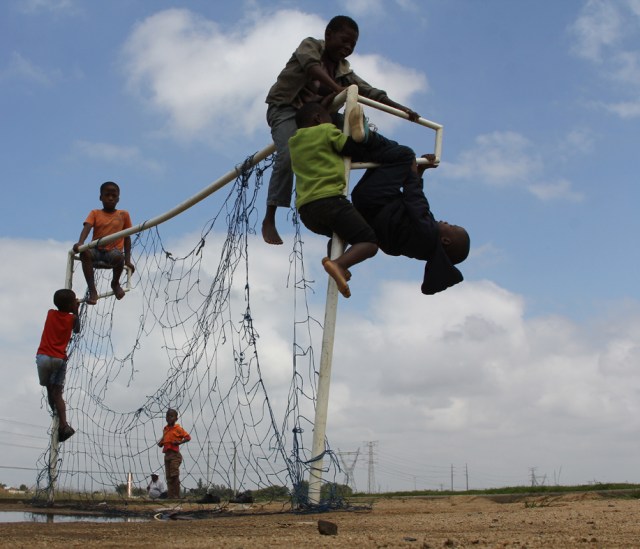
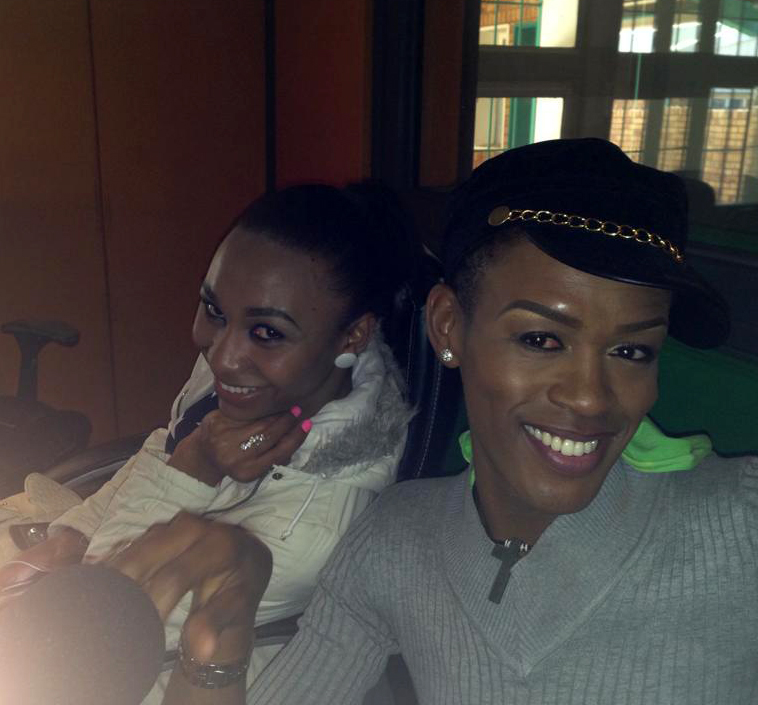
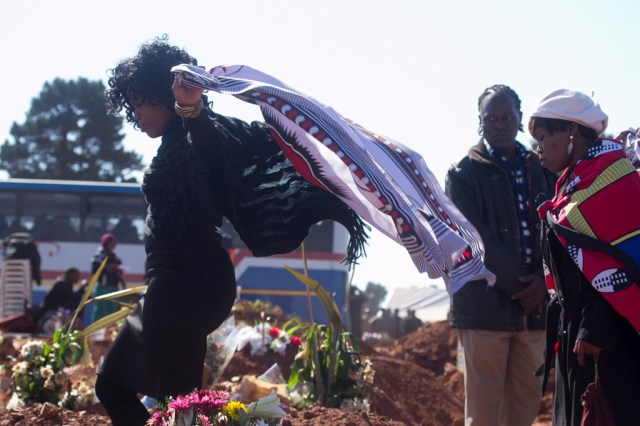
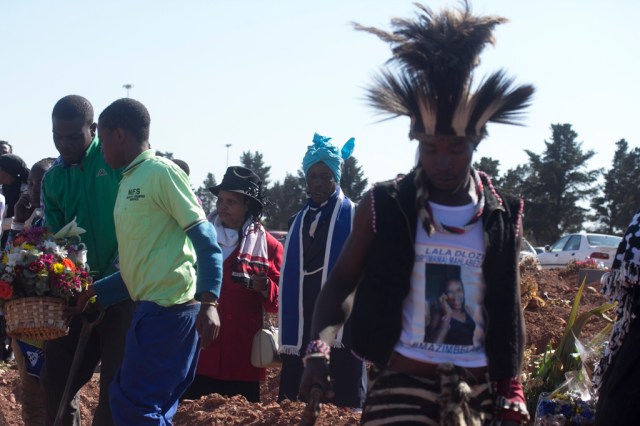
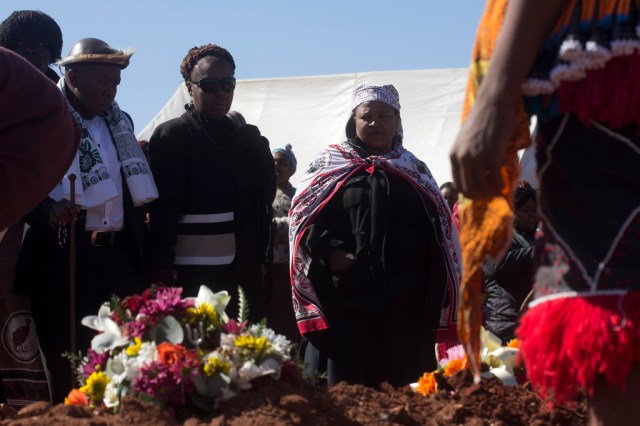
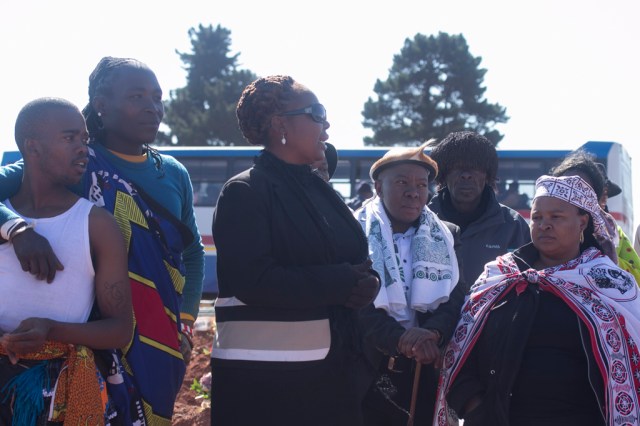
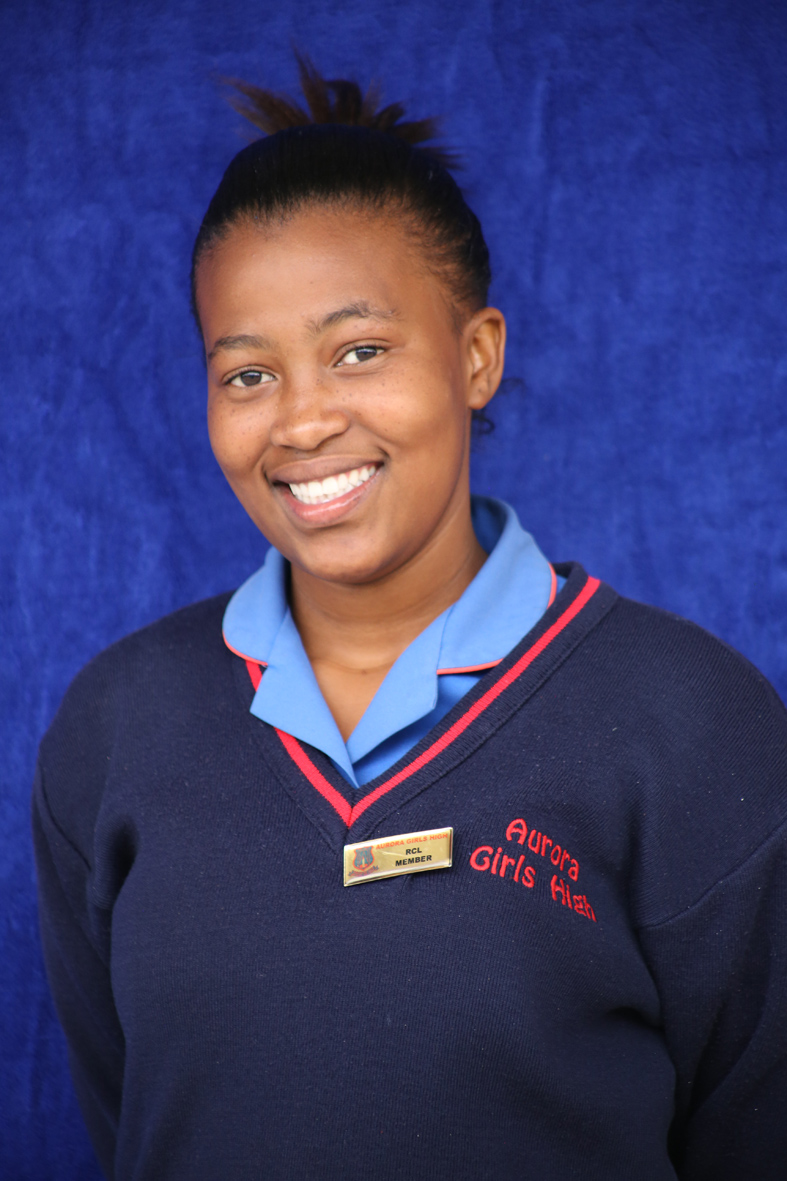
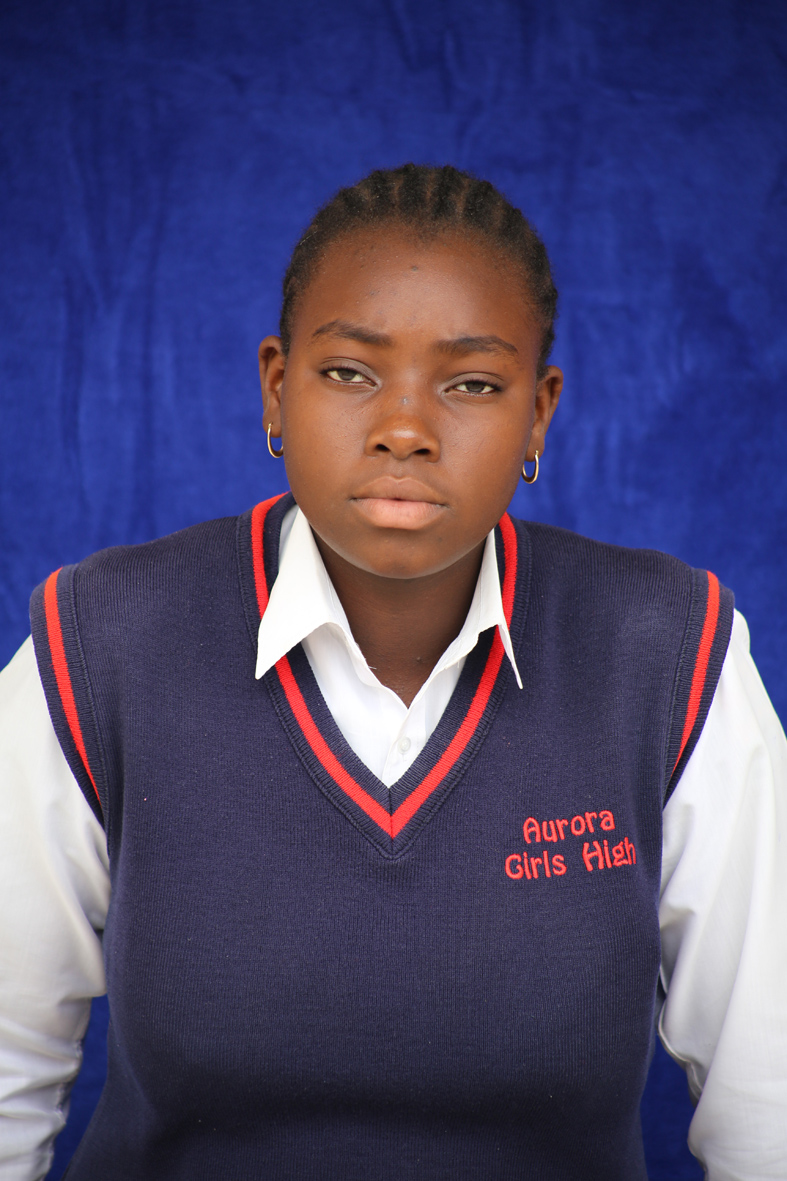
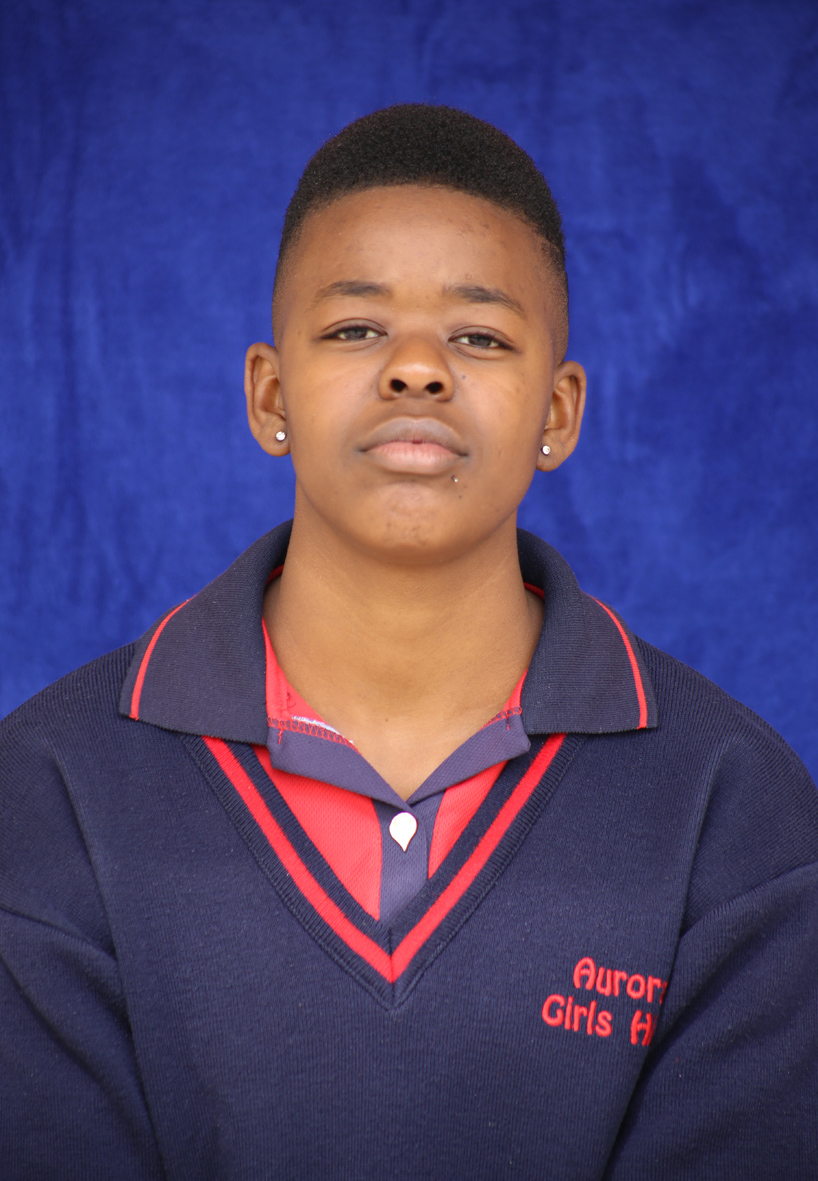
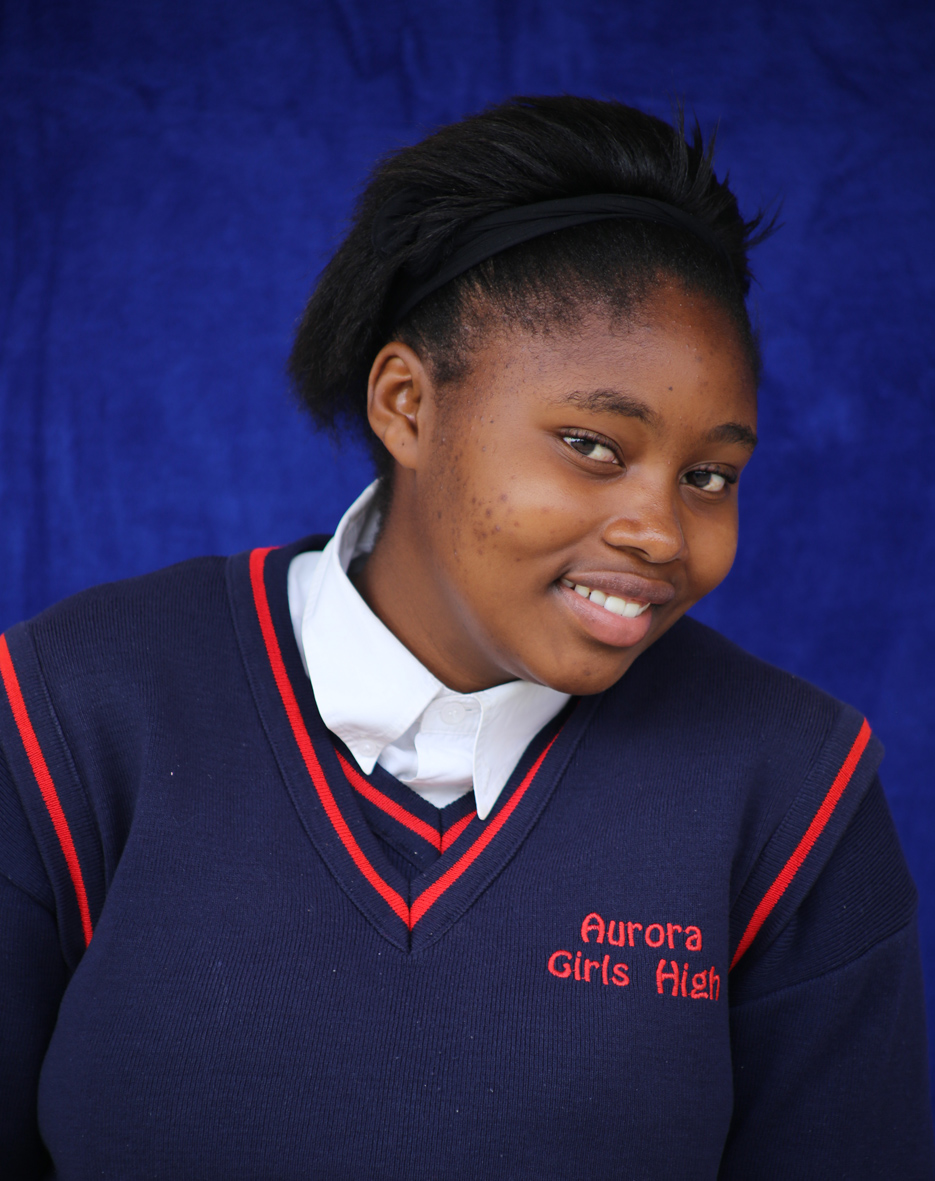
2014 July 18: Women’s Day lecture at UFS


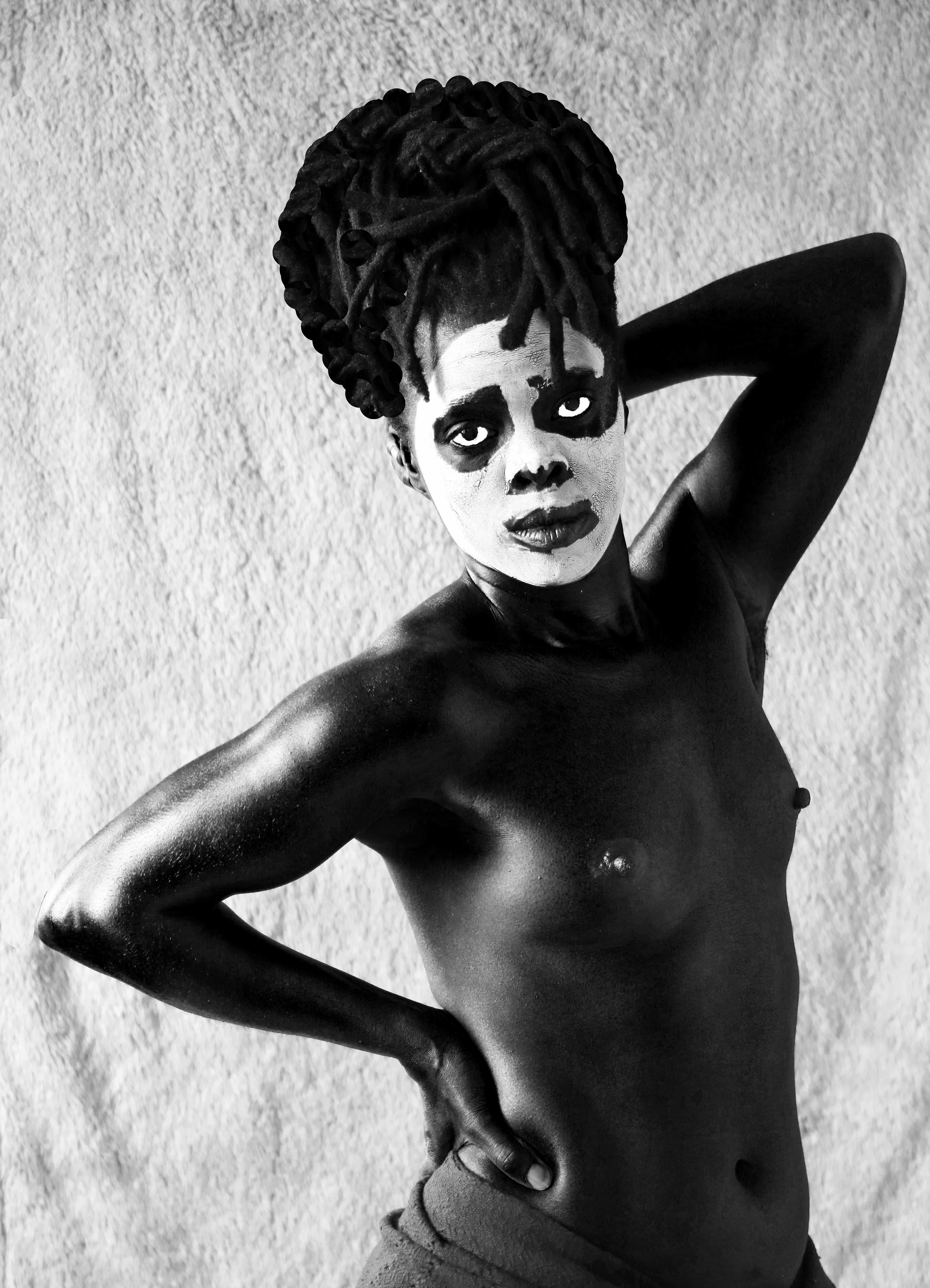
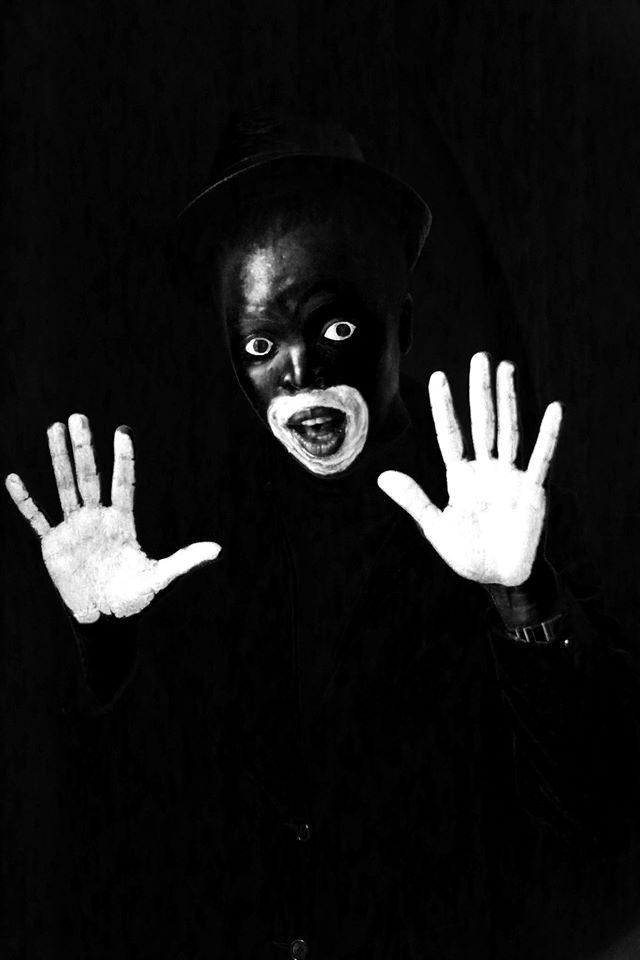
Featuring the  portrait of Siphiwe Mbatha, August House, Johannesburg, 2012
© Zanele Muholi


Previous lectures


2014 June 17:  Muholi’s Ryerson University (RIC) talk


and


2014 April 29:  Muholi to speak at UC San Diego


and

2014 March 21:   Photo of the day from Human Rights and LGBTI in Sub Saharan Africa class


and


2014 March 18:  Sharing South African Queer knowledge with students in America


and


2014 March 5:  More than an activist


and


2014 Feb. 4:  Black Queer Born Frees in South Africa


and


2013 Nov. 4:   From Market Photo Workshop to Bremen University


Posted in Activists Act, Announcement, Articles, Arts, Black lesbian visibility, Confrontation, Connections, Crea(c)tive senses, Creative activist, Details, Documentation; Filming; Photography; Community, Documenting realities of the townships, Education, Evidence, Experience, Exposure, Expression, Faces & Phases portraits, Facing You, Family, Feelings, Friendships, From Johannesburg to Free State, Gender, Gender naming, Johannesburg, Lesbian beauty contests, Lesbian Love Is Possible in South Africa, Moments in herstory, Our lives in the picture, Participants, Participation, Photographs, Photography, Photography as a therapy, Portrait, Power of the Arts, Power of the Voice, Privilege, Professional black lesbians in South Africa, Proud lesbian, Queer visibility, Queer Youth, Readings, recognized, Relationships, Respect & Recognition from our community, Respected person, Sexual orientation, Sharing knowledge, Siphiwe Mbatha, South African Black Female Photographers, Supporting each other, Textualizing Our Own Lives, Together we can, Townships, Visual activism, Visual Language, Visual narratives, Visual Power, Visual sense, Visual Voices, Visualizing public spaces, We Are You, We Care, We love photographs, We Love Photography, We Still Can with/out Resources, We were (t)here, When Love is a Human Right, Women's power, Women; Voices; Writings; Education; Traditions; Struggles; Cultures, Words, young women, Youth voices, Zanele Muholi | 12 Comments

2014 July 17: Ack B(L)ACK aches

Self portraits

© Zanele Muholi
2014/07/17
Where:  My bedroom/ studio @ Cite Des Arts in Paris
Camera used: Canon 60D with zoom lens EF-S 28 – 135mm lens (gold)
on Manfrotto MKC3-H01
No artificial light.

2014 July 17 Muholi in Black sm_554719h47
17/07/2014


fifiyela sm_554019h44
17/07/2014


2014 July 17 Muholi in Black sm_554319h45
17/07/2014
two days before my birthday


on zamumania20h05
18/07/2014… mourning all the innocent lives lost that morning


still mourning521h13
… on zamumania
tackling – ‘racism’ through art -activism


Am indebted to Valerie Thomas, Laurence Prat and Cynthia Caubisens for bringing some of the important political issues to my attention…


Previous articles


2014 July 19: Paris post cards from Cite Des Arts


and


2014 July 15:  “Intombi” – Photo of the day


Posted in "Scratching the surface", Another Approach Is Possible, Art Activism, Art is Queer, Art Solidarity, Art Therapy, Articles, Articles; South African Celebrities; Arts; 2013 Feather awards; Lerato Dumse; Song; Dance; Kelly Khumalo; Thembisile Ntaka; Brenda Mntambo; Recognition; Thami Kotlolo; Gays & Lesbians; 5th Feather, Before US, Black bodies, Black Bodies of Silence, Black skin whitelined, Black veil, Blackened, Brutal Killings of children, Captioned, Captured, Creating awareness, Creative Writing, Crime rate, Darkness, Dead-line, Education, Female being, Globa crisis, He(ART), He(Art)less, Hope, Human Beings, Human Equity and Art (Heart), Humiliation, Hurt, Hustling, Influenced, Knowledge, Laws and regulations, Legacies of Violence, Mourning, Muted, Ownership of the self, Peace, Photography, Politics, Politics of representation, Propaganda, Queercide, Racism, Rape(d), Self mutilation, Self portraits, tackling racism through art, Terms and conditions, Underground, Visual Language, Visual sense, When home is a crime scene, Women suffering, Xenophobia, zamumania | Leave a comment

2014 July 16: Through the eyes of young women photographers


2014 June, 3rd

Lindeka Qampi sharing her PhotoXP experience to Valerie Thomas

“I am proud of the Aurora visual project. It is a very powerful and strong project, if I were to compare it with previous projects I have co-facilitated before.

For me, photography needs to be included in the school curriculum, especially for those who will never have the opportunity to go to University. Indeed many teenagers are unemployed in the townships, because of their poor results in high school.   My daughter is an example of this circumstance.

In the townships, photography is a new concept. What I am doing is giving back what I have learned, to the people – my experience with photography. I don’t want to die without sharing what I know.

I was 36 years old when I started photography. It came by accident in my life: we never know our future.


Katlego1_0006 Katlego, a young traditional healer
© Sindisiwe Ncube

The proud lesbian traditional healer

Katlego Mofube is a 22 years old proud lesbian and traditional healer from the middle of Soweto Naledi East. She was born in 1992.

As all the traditional healers, she did not choose to become a Sangoma (traditional healer) but she believes it is a gift from her ancestors. They are the ones who give Sangomas the gift and this is not something you can run away from. If you try, it will haunt you until you die. Therefore, Katlego choose to accept the gift from those that have gone ahead.

The gift came unexpected and she fainted after her name was called by an ancestor.  She had always been described as different. She grew up wearing boy’s clothes, known as “tomish” (tomboy). Her parents ended up understanding that she was indeed homosexual. She cannot say her parents accepted it but they tolerate it. Her mother is like a sister her because they can talk freely about everything including her girlfriends. Katlego’s dad is furniture salesman and sells beds for a living. She is helping him by being a bookkeeper. She is using her gifts to give her father some direction on his business as well. She was never in the closet and she was very free to talk to me.

She is also a very talented soccer player. She played in a team called The Fair Ladies. We used to play together. Her dream is to play one day with the national team, bafana bafana. She is dating a 17 years old girl.

I learnt from this story that your sexuality must not stop you from reaching your goals and dreams.

I am now looking forward my next story, which is about the albino homosexual who married what others would consider a ‘normal black’ woman.
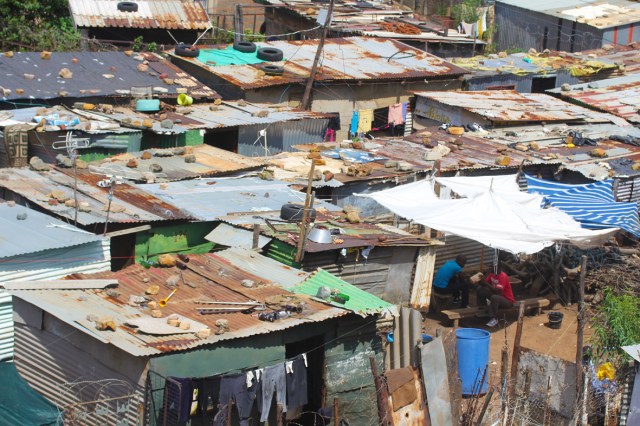
 

Housing issue_0425One of the informal settlement in Soweto
© Thando Methane
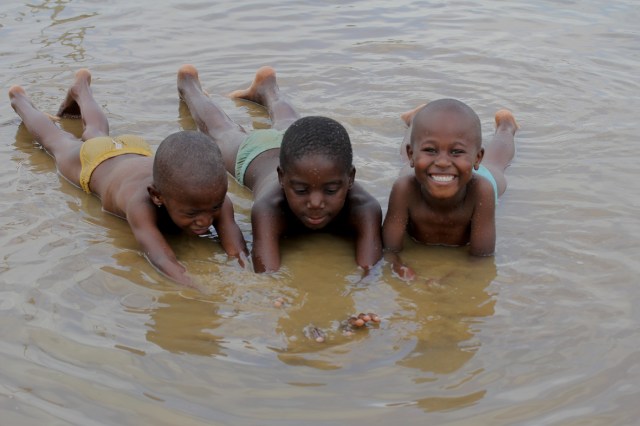
 

Children @ Play_0196Few days after rain and the boys play in dirty water 
© Kamogelo Petlele
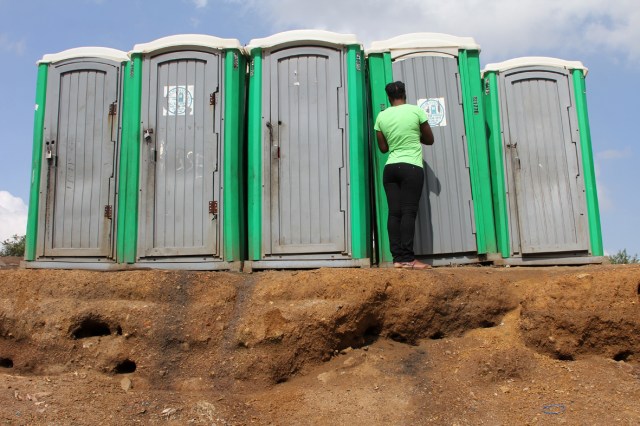
 

Green public toilets_0593Public toilets shared by the informal settlement squatters
© Kamogelo Petlele


Woman Washing_0650Public toilets shared by the informal settlement squatters
© Kamogelo Petlele
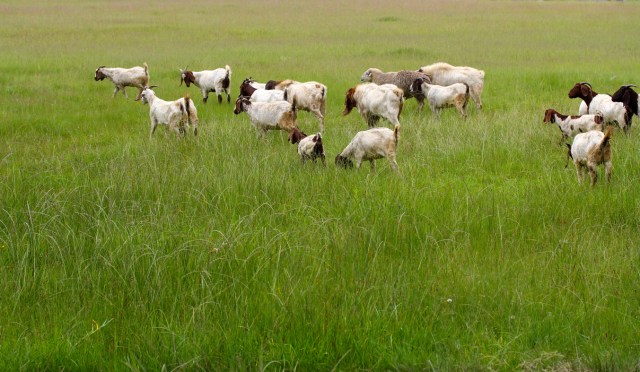
 

Goats grazing the fields_0158Goats grazing the fields…


marie main_0640Miriam cooking meal at home
© Thobekile Zwane


My story is about a Lady called Miriam, aka Kippie.

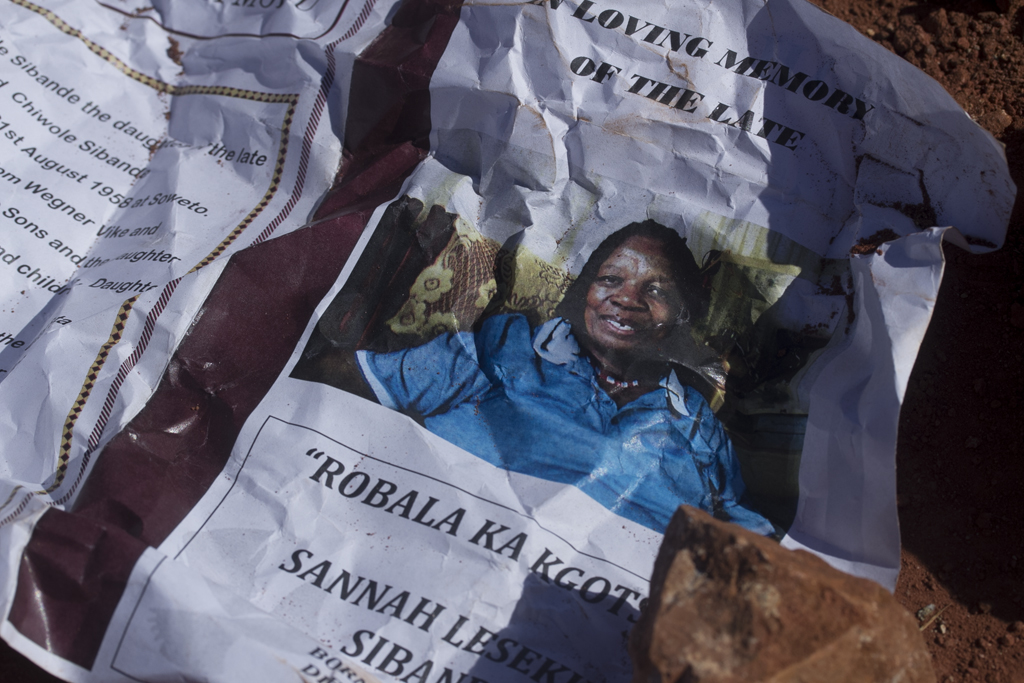
She was born on the 3rd of November 1964 and she died at the age of 50, on the 4th of May 2014.

The colored lady  (one of South African races), and very well known in Kliptown, living with black people in this area, in a very bad situation.

She lived in one room.  It was a kitchen, bedroom – her everything. One can see the dangerous stove smoking in the middle of the room. I tried to capture the lady and the smoke, through the keyhole: it shapes like half the picture. We photographed her in April when we met her. She was welcoming to us. We had the intention of meeting her again.  Unfortunately we found out she had passed away before we could go back. She was sick and  died in May.

She told us she had two children, whom she lived with alone, after her husband left in 2004. He died 6 years ago. He was not taking any medication. ­­­­Her children were young then. Today the eldest is 17 and the youngest 13. They are both still in school. She found out she was positive for about 10 years. At the bottom of her portrait there is a picture framing four kids. We did not ask who they were. We recognised the two younger ones.

She was not working. She could not take her medication because she could not afford to pay for the transport to go to the clinics where free treatments (ARV) were delivered. Those places were too far and it was too expensive to get there. She was not taking care of herself, of her sickness.

I met with her last born child named Given, when I went back to Kliptown. He was wearing a red T-shirt that day. He was the one who passed the news to us that she was very ill. He is now living with a father he does not know because they had been separated for a long time. He grew up without him. We did a short video of him. He was crying and we ended up all crying. I learnt a lesson that tomorrow is not promised. Do not leave any gap. If there is any thing you have in mind just do it.

The last image of her and her family is that of the lock used to close her shelter after she passed.  Those images are like stamps that no one can wipe away. It will always stay there and help the children remember that this person was once alive.

This is the power of images.


locked by SIHLE_0235 The day we went back to Marie’s we were told that she died few days before and she was buried on the 3rd May 2014  
© Thando Methane
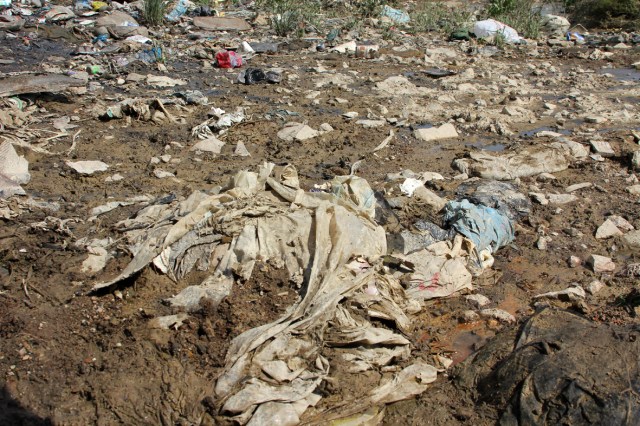
environment_0617


boy playing with trash_0690Boy playing with trash
© Thando Methane
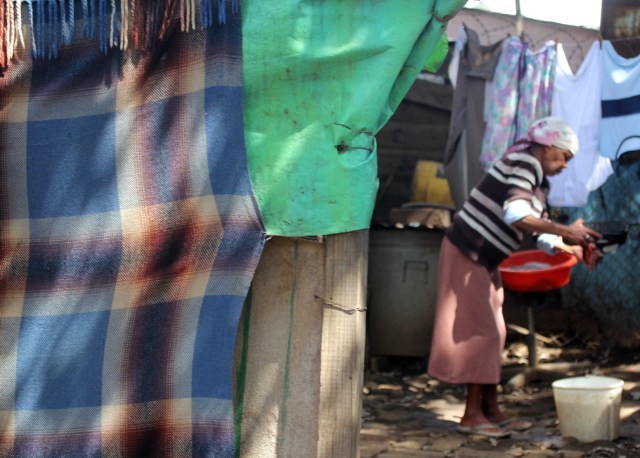
 

Woman @ Work_0418Woman performing daily chores…
© Thando Methane


kids @ play_0268Kids reading in the veranda
© Kamogelo Petlele
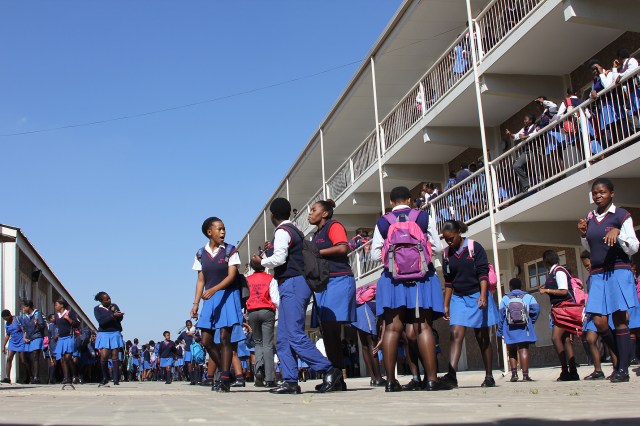
 

AGHS pupils_3355Pupils at Aurora Girls High school where the learners are schooling
© Kamogelo Petlele


Angelo @ home_9841Angelo is a Grade 12 student at Aurora.
© Kamogelo Petlele


17 years old: Angelo, the teenage mother

I have called my stories “Apartheid then and apartheid now

My first story is about Angelo. Angelo has experienced so many challenges in her life. She grew up, in an Orange Farm in Soweto, living with her aunt and her aunt’s disabled child. She had to live with them because of the poverty in her original home.

One afternoon, while she was feeding the child, he suddenly fainted and could not move. He suddenly passed in her arms. She ran out screaming and calling for help but the baby could not be resuscitated.  The aunt got very angry and started to believe that Angelo killed her only child. She sent Angelo back home immediately within a blink of an eye.

To make a living, Angelo’s mother was selling chicken heads and feet on the street. She is the main breadwinner. She was already stressed out and struggling to support the whole household. One day, she had to rush to the hospital because Angelo fainted in the classroom. They discovered then that Angelo was pregnant again. The mother called a family meeting and they decided on the route of adoption.

After a few weeks the grandmother who was living with them said otherwise: “children are a blessing” she said “no matter what the circumstances, the child has the right to live with her biological mother”. She convinced the whole family including her daughter, Angelo’s mother. Angelo’s was relieved and thrilled even if she knew nothing about motherhood. Angelo gave birth to a handsome baby boy.

She is now back in school. She found a job and she works in different provinces every weekend and during school vacation, to help contribute to the household. She is struggling with her studies but she is trying to strength her mind. The father of Angelo’s child is contributing as he can. They want to get married. But Angelo’s mother disagrees with a traditional marriage because then, Angelo will belong to the stepfamily …

When we interviewed her, she reflected on her history. She struggles with the same poverty that her mother faced. She is now doing her grade 12 and she will soon be finishing school.

Big challenges.


Thando Methane_0346Her face tells it all
© Kamogelo Petlele
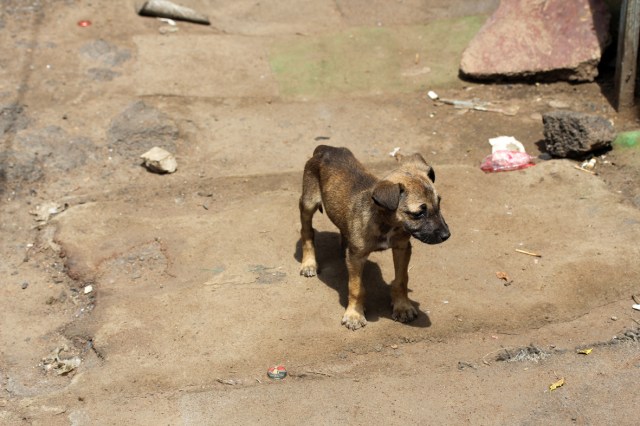
 

puppy by ntombi_0437Wandering puppy in the hood
© Kamogelo Petlele


sleeping boy_0262Oh boy…
© Kamogelo Petlele


Young mother & children_0359


Boys playing with Goal post_0568Beyond 2010 World Cup, boys playing on goal post
© Kamogelo Petlele


The Making of (…) With Aurora’s learners I spent three or four sessions per week since March 2014. For instance on Sunday I was in Soweto at eleven in time to teach and we finished at 5 pm. If we go out on the field, we tend to spend even more time than that. We were in Kliptown for the national election and we managed to get some video of the school as well.

In the photographs and video wanted the students to appear in the background as a symbol of their roots. We have got images at school and the community of Kliptown,which is one of the oldest townships in Soweto.  It very much reminds me of my own childhood. We lived in what was more of a squatter camp.  There are new RDP houses now. Squatter camps are birthed the idea of RDP houses.

There are so many things happening there and its always interesting to observe the daily happenings and how life unforlds there. You can see happiness. An outsider may think the community is poor but there is happiness and a lot of love there. You can see that people are very creative and use whatever they have creatively.  The children make balls from trash, people live together – it all works to starve poverty away.


To face the challenges

For some students, this was the first time to go out explore, as witnesses of their own life.  At first they were shocked and overwhelmed because they saw busy streets, trashed toilets, boxes accummulating,etc – the effects of overcrowding.

I took them into their community so that they could come face to face with the realities and challenges being faced day in, day out.

It is not easy to go out and shoot people. Sometimes, you have to face the attitude of the people. I was almost attacked by a guy while I was filming a woman cooking pap.

Most university students do not know how to interact with the world. Those from the townships understand it more. I teach students to appreciate everything. For one to better know themselves, they must accept their situation first. Learning and acceptance are good values to abide by in life.  It helps them understand the value of respecting one’s body, being careful of the relationships they get into, drinking alcohol, doing drugs or embracing prostitution as a career and ending up raising children alone.

Most of these children grew up witnessing crime and sometimes being caught up in crime. There are different generations to navigate between children of apartheid and born frees, whom they majorly are. Some of what they witness does not make sense to them because they cannot relate to the yesteryear. They are clueless when they see what they see now. They photograph individuals with visible and invisible scars and wounds.  That does not take away from the fact that the place is still bustling with energy; you can hear the music of the drums from the church and others have their chairs outside and they are just hanging out.

You can always see the beauty of it.

I want to say to the world:

Poverty still exists.  We cannot runaway from that. But from the experience of poverty, comes flexibility to face all challenges. Hope is the key to dignity and happiness,

The JOY is THERE!

I want to continue similar projects with other schools because women are a priority right now.


Related articles


2014 July 12:   From Soweto to Paris for the love of photography


and


2014 July 13:  “Give children cameras not candies”


Posted in 20 Years of Democracy, Act, Activism, Activists, Activists Act, Adoring, albino, Alternative career choices, Another Approach Is Possible, Aurora Girls High School, Beauty, Before You, Begging, Being conscientized, Black lesbian visibility, Bringing photography to schools, Cameras, Career, Collaborations, Collective, Collectivism, colored, Comfort, Commemorating the queer youth we lost along the way, Comments from the audience, Committed, Communication strategies, Community, Community based media, Community Mobilizing, Connected souls, Connections, Contests, Contributors, Corruption, Crea(c)tive senses, Creating awareness, Creative activist, Death, Documenting realities of the townships, Experience, Housing, Humiliation, Independence, Inkanyiso media, Intellectualism, Interpretation, Intervention, Interview, Interviews, Invisibility, Know Your SA Queer History, Knowledge, Lack of Resources, Life, Life Stories, Lindeka Qampi sharing her PhotoXP experience to Valerie Thomas, Living by example, Love, Love is a human right, Matters of the He(Art), May her soul rest in peace, Media works, Memories, Modeling, Moments in herstory, Motherhood, My collaborators: Linda Mankazana, My name is Zanele Muholi, normal black, Open relationships, Opinion, Orange Farm, Organizations, Our lives in the picture, Poverty, Power in our hair, Power of the Arts, Power of the Voice, RDP, Readings, Real, Reason, ReClaim Your Activism, Recognition, recognized, Records and histories, Reflection, Related links, Relationships, Reports, Respect & Recognition from our community, Respected person, Response, Reviews, revolution, Sadness, School portraits, Seeing difference, Seeking help, Self discovery, Self recognition, Self-worth, Sexual Politics education in South Africa, Sexuality, Sharing knowledge, sickness, Social responsibility, Society, Solidarity, South African Artists, South African politics, South African Youth, Soweto, Struggling, Support, Supporters, Supporting each other, Supportive mother, Teaching, Teaching young women photography, Textualizing Our Own Lives, The Fair Ladies, the writers, Together we can, Togetherness, Tomboy, Touch, Townships, Visual activism, Visual activism is a language, Visual Activist, Visual Activist in the classroom, Visual history, Visual history is a Right not a luxury, Visual Language, Visual narratives, Visual Power, Visual Voices, Visualizing public spaces, We Are You, We Care, We love photographs, We Love Photography, We Still Can with/out Resources, We were (t)here, When Love is a Human Right, Woman, Womanhood, Women loving women, Women who have sex with Women, Women's power, Women's struggles, Women; Voices; Writings; Education; Traditions; Struggles; Cultures, Words, Writing is a Right, Young black female photographers, Young black lesbian traditional healer, Young Black Women and Photography, Young talent, young women, Young Women and Visual Activism, Youth voices, Zulu is a South African language | 18 Comments

2014 July 12: Being treated like a Queen in Durban

by Sfiso ‘Candice’ Nkosi

It is Thurs. 26th June 2014, my friend, Precious Maqojana and I left for Durban Pride from Johannesburg Park Station at 22:00. We stopped in Montrose for some refreshments and a bathroom break. I was starting to get anxious because the only thing on my mind was “which toilet will I use?”
I was afraid of the crowd and people who don’t understand queer society; Its hard to be queer because you do not really get to express nor live your life freely like a bird. I must be in makeup, dresses and/or stilettos, to use female public toilets. When I’m just my natural self with no makeup and weaves, I raise eyebrows..

I did not take advantage of my bathroom break and eventually we safely arrived in Durban and checked in at Hilton Lodge. We immediately took a nap as we were so tired from the long trip.

precious and candice

After resting, we updated our pages and Facebooked our friends and fans that were in Durban. It was like we were having a show! People came out in numbers to meet us at our hotel. It was awesome meeting new people.. One of our close friends and sister Le Sishi, showed up and she was also staying at the same place. It was a priceless moment to see each other again.


... Le Sishi in a gold dress

Beauties in Durban. Stephanie, Candice… Le Sishi in a gold dress and Precious

I went out for clubbing the night before Pride, just to get the feel of the place and socialize. I went to Club 101 of which was close by to our lodging place. It’s a club of mixed genders and sexualities, very welcoming and queer friendly. I met few friends and quickly left to sleep because I needed some rest to revive my energy for Pride.

Precious and I took a bath and had breakfast. Pride started at 10:00 but we didn’t arrive on time. We Queens dear, makeup, dress codes have to be on point. After everything we took a cab to Durban Pride. Just when we arrived we caused a scene and everyone wanted a picture with us. But we were surprised to see such a small number people at Pride. I don’t know if it was organised by different people from last year because in 2013 was epic and very full.

We took lots of pictures, the music was good and we danced our butts off. We met new queer people from trans to lesbians and gays. Around 20:00 people started to show up in numbers and we got confused on why at this time?
For so many reasons – Asazi!
We left to prepare for the after party and dress warmly since it was too cold and the sea breeze was so not friendly.


candice candice

For the night, we first went to Club Adixions, a queer club owned by a black lesbian woman. It was packed and very hot, there were fans (air conditioners) but they were not working.
I wondered why because people could pass out due to the unbearable heat. The DJ was so bad and kept on repeating the same songs over and over again. We decided to leave the club and go to Club 101 lapho zikhipha khona (where it was much more fun). We felt that we having fun as Durbanites are so friendly, I must say.

I used to hear people saying that some Durbanites are homophobic but we didn’t experience that as all we were getting were compliments of how beautiful we were. Others were asking for numbers and we then partied hard !!!
I met a young transman who is a soccer player who stays in Durban. His name Njabulo Nothando Xulu and he works for Ukhozi FM.

Njabulo and his friends treated us like Queens and that was too exciting. They made sure we were comfortable and safe.I started having the bathroom anxiety again. Maybe queer toilets should now be implemented. I went to a female’s toilet and when I got there some black woman jumped from the base and said “no!!!
This is a females toilets eyamadoda ingale!!!
I didn’t want drama so I left the club and went to the lodge to use the toilet. I don’t know why I have to encounter issues about the toilets.


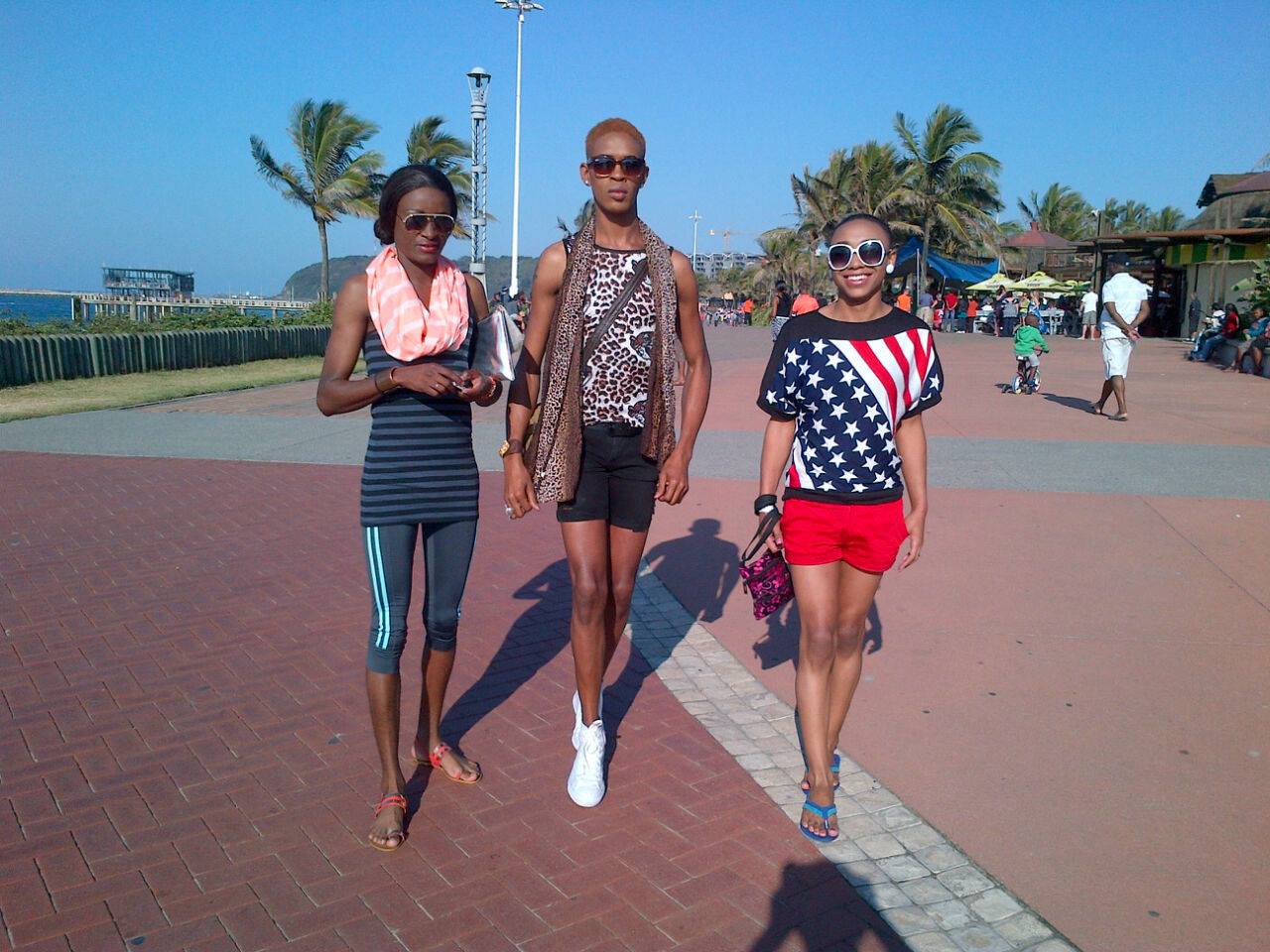
L-R:  Stephanie, Precious and Candice at Durban South beach

L-R: Stephanie, Precious and Candice at Durban South beach


On the following day we left for the beach. I could not be in Durban and not go to the beach as that would be a crime. Firstly we went to Shaka Marine, had lunch and took pictures around and finished our day at the beach. It was awesome I tell you.

The welcomes were heart warming but the goodbyes were emotional especially for me. Thinking that I was going back to Johannesburg, the city of depression and frustration made me cry. I seriously didn’t want to go back home but then I had no choice but to leave with hope that I will come back and see those special people I met who made me feel human and special again. Being in Durban was an inexplicable experience; the love, the comfort, the freedom, the positive energy, the laughter, smiles and joy, which I cherish most in my life.

All thanks to my photographer, mentor and person whom I say I call my family Zanele Muholi for giving us the opportunity to revive our spirit of hope, not forgetting his brother Sbonelo Muholi for being so kind and supportive to our trip. I am honorably blessed and thankful to God.


Candice centered by Le and Mini at Durban South Beach in Dec. 2013

Candice centered by Le and Mini at Durban South Beach in Dec. 2013


Related link

2014 July 10: My remarkable Durban Pride experience


Posted in 1987 -, 2013 Miss Simply Blue, 2014 Durban Pride, Acceptance, Act, Acting, Activism, Activists, Activists Act, Adoring, African, African Queer Beauty, Alternative family, Another Approach Is Possible, Archived memories, Archiving Queer Her/Histories in SA, Art Is A Human Right, Art is Queer, Artists, Arts, Attention, Beautiful faces, Beauty, Beauty queens, Before You, Being Scene, Black bodies, Black lesbian activism, Black Lesbian Artists, Black lesbian visibility, Blackness, Body, Brave, Characters, Communication strategies, Community, Community Mobilizing, Community work, Crea(c)tive senses, Creating awareness, Creative Writing, Culture of reading and writing, Details, Disappointment, Empowerment, Experience, Exposure, Expression, Feelings, Female Photographers, Friendships, From Tsakane to Durban, Gender, Gender naming, Grateful, Gratitude, Hobbies, Human Beings, I can't do it ALONE, I was (T)here, I-N-K-A-N-Y-I-S-O, Identity, Inkanyiso media, Inner feelings, Insulted, Interpretation, Issue of toilets for transwomen, Know Your SA Queer History, Knowledge, KwaZulu Natal, Memories, Modeling, Our lives in the picture, Participants, Participation, Photographs, Power of the Voice, Queens, Sbonelo Muholi, Society, Sponsored trip, Toilets, Transwomen, UkhoziFM, We Are You, We Care, We love photographs, We Love Photography, We Still Can with/out Resources, We were (t)here, Women's power, Women; Voices; Writings; Education; Traditions; Struggles; Cultures, Words, Writing is a Right, Young Black Women and Photography, Zanele Muholi | Leave a comment

2014 July 15: “Intombi” – Photo of the Day

Title:  Intombi I

… in collaboration with Valerie Thomas, Paris (2014)


2014 July 15 Ntombi1 sm_5494


(Re)inventing Aesthetic and (Re)imagining Meaning:
(Re)creating Black Beauty


By Bridget Ngcobo


Zanele Muholi, a black South African visual activist standing in Paris, France stands in front of her camera and demands that we look into her face and see; take in her body and think. The confrontational nature of this photograph however exists, like much of Muholi’s work within a complex space of vulnerability and strength. Much of Muholi’s work in Faces and Phases engages the deadlock between eyes. The space between the women photographed and the viewer is always heavy with meaning, meaning produced by artist, subject and consumer. Reflective of her activism, Muholi has a way with engaging the humanity of all parties. This image is no different.
Muholi’s blackened body stands in a frame against a grey wall in the country where Sarah Baartman died. The exaggerated blackness of her body brings into sharp focus the white. The blackness of the skin between her around eyes, lips, nostrils and hairline makes me want to tear off and or wipe away the white on her face, I want to claw my way inside and see the face of Zanele Muholi in all of it’s blackened glory. Instead, Muholi against a wall in a country where Sarah Baartman, once stood, as a ‘freakshow’, a white scientists’ property, even in death; a body dismembered and on display in a museum for 150 years. Muholi stands in a questioning pose, her black body exposed, her right arm behind her head and left resting on her hip, she is standing as though her body itself were a question mark. Daring the viewer to meet the vulnerability and strength in the darkness of her gaze pupils against the piercing white of her eyes.
What does it mean to hold yourself up and look ahead as a Black South African woman?
What does it mean to while simultaneously know and questioning your beauty?
What is black beauty when it defined from behind a mask of whiteness?


The image of Muholi in France may not immediately conjure the story of Sarah Baartman, but in its overt engagement with the Black female body specifically in France it is impossible not to return to the question of history.
What does it mean to hold black femininity and beauty in your body?
What does it mean to engage that?
A French journalist viewing, the “Hottentot Venus,” Sarah remarked, “not appealing Venus especially after seeing a Medici Venus.” The history of this iconic racial and sexual figure is interwoven with the present conceptions of beauty and the Black female both at an individual and collective level.
How does a Black woman (re)imagine definitions of beauty on black bodies behind or regardless of the white mask?
How does a black woman create meanings of beauty at all?
In this photograph Muholi boldly confronts the delicate balance of vulnerability and strength of black female bodies collectively and individually.


It is said about Sarah, that even as they investigated her body after finding her, “she hung tenaciously clung to her modesty and only very reluctantly removed the traditional Khoi-Khoi apron she wore when she was publically exhibited.[1]
It is saddening to me that there is so little trace of Sarah the woman, I wish I knew what she thought as she took in this France and it’s people, how she thought of home, if she longed for love, did she remember that someone found her beautiful?
Did she find herself beautiful?
When they bought her bones home in 2002, what could they say not about Sarah the icon, but Sarah the woman? Through this photograph Muholi reaches into a space of complexity of confrontation around what it means to define and shape your beauty as a black woman. Through her use of color pose and expression she soundly situates herself and her viewers in a place that requires deep self-reflection on the part of any viewer, but particularly on the part of black female viewers.
Perhaps it is dangerous to single out a particular group not on Muholi’s behalf, but on my own. At the risk of being exclusionary, and still in the face of that danger I maintain, this photograph is an important call to black women. In the words of Steve Biko, ”you are either alive and proud or you are dead, and when you are dead, you can’t care anyway.”[2]
This image like much of Muholi’s body of work communicates the vulnerability of black female bodies not as weakness, but rather as part of the story of strength. It is undeniable that Biko’s politics regarding women cannot holistically be regarded as robust, but there is something to be said on the power of Black Consciousness, about (re)covering the lost and distorted pride, (re)creating art and activism, (re)inventing and (re)imagining meaning. I am a black woman living in post-apartheid South Africa hungrily taking in the lives and experiences of black women who exude the beauty I wish to claim as my own. I believe this Muholi’s photograph is an important call to young black South African women like myself to pay attention to the concept interiority; question the make up of our complexities. I urge young Black South African women to like Muholi’s expression question how what makes their beauty both vulnerable and strong?
What they choose to hold on to?
What they choose to let go of?
What angles they choose to expose?


Muholi’s body of work and has been able to communicate vulnerability not as weakness, but rather as part of what makes you strong. I believe the tangible way that Muholi communicates the fragility and tenacity of black womanhood both illustrates the abuses that have been meted out on the black female body while also giving voice to the journey of self-definition. To answer the question of what we want in a rich comprehensive way we should take head to the message to first acknowledge who we are, with all our contradictions and complexities. Looking internally reaching into that place that acknowledges that we do not live in a vacuum, how we see ourselves as black women does not exist untouched by history. It is through our connections with people, who question and who are living and consciously redefining myself that we learn a skill cannot be unlearned. We learn that it is possible to (re)define and (re)create meaning, even under the weight of history, perception and foisted meanings of both blackness and femininity alike.


[1]Maseko, Zola. “The Life and Times of Sarah Baartman, “The Hottentot Venus”” African Studies Review 44.1 (2001): p130.


[2]Biko, Steve, and Aelred Stubbs. I Write What I like. New York: Harper & Row, 1979. Print.
____________________________________


Special Thanks for Cite Des Arts in Paris and French Institute.

Merci beaucoup!


Posted in Artists, Arts, ‘freakshow’, Baring, Being Scene, Black bodies, Black Bodies of Silence, Black Queer Artists, Black Queer Professionals, Body, Body Politics, Brave, Breasts, Bridget Ngcobo, Choice, Claiming, Collaborations, Comfort, Cultural activists, Culture, Demonstration, Description, Details, Different positions, Disappointment, Discomfort, discourse, DNA, Education, Emotional support, Eyes, Feelings, Friendships, Grateful, Gratitude, Health bodies, Health matters, Heartbreak, Hearts, History, Hope, I use CANON, Interpretation, M(asked), My name is Zanele Muholi, Not Science, Owning our bodies, question of history., Reflections, Relationships, Robing, Self recognition, Shining abroad, Skin, South African Visible Arts, Stripped, Studio format, Touch, Valerie Thomas | 3 Comments

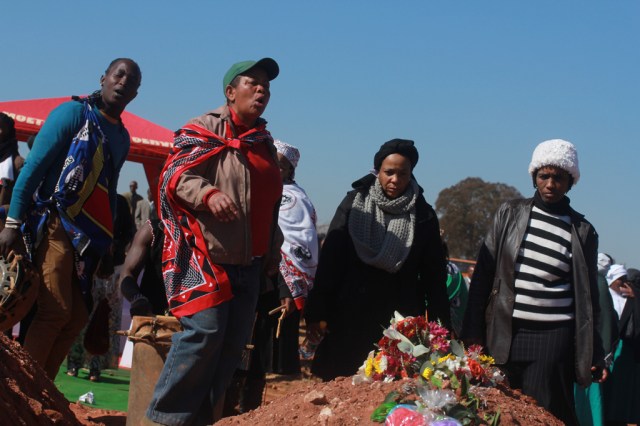
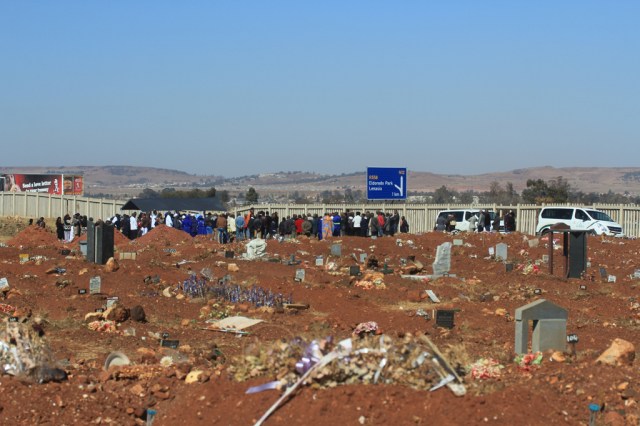
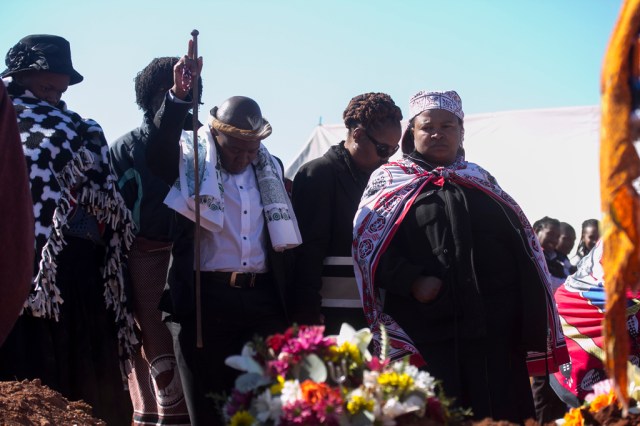
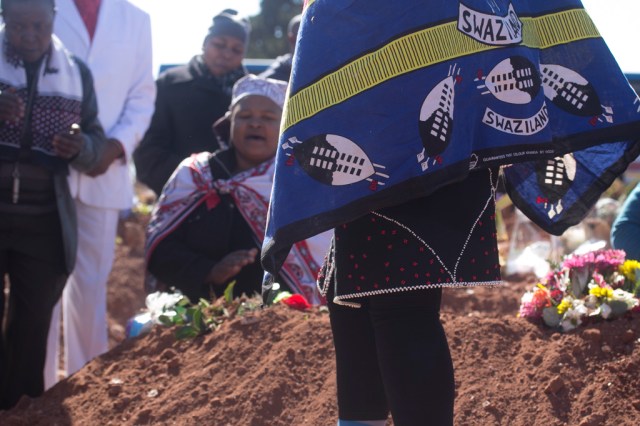
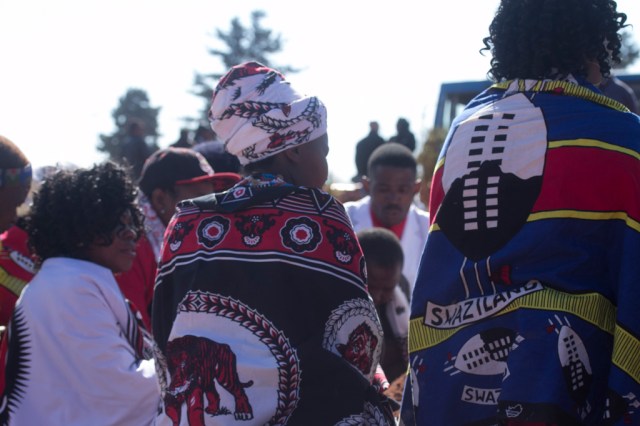
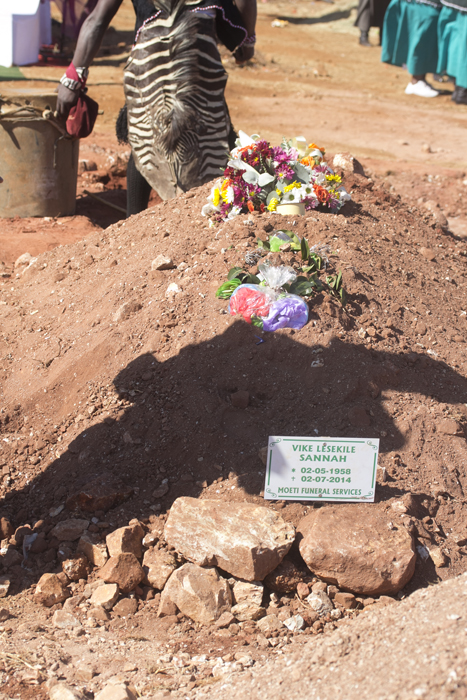
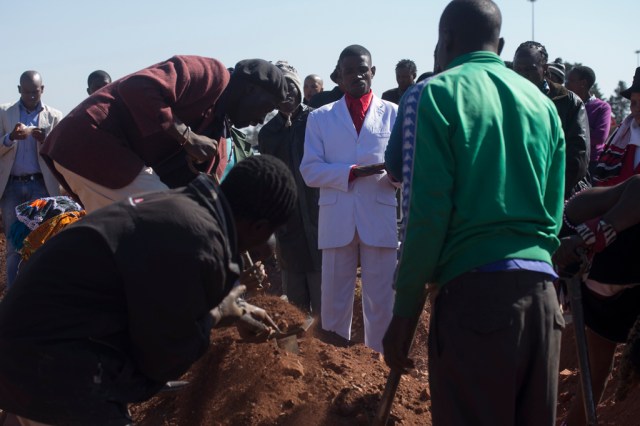
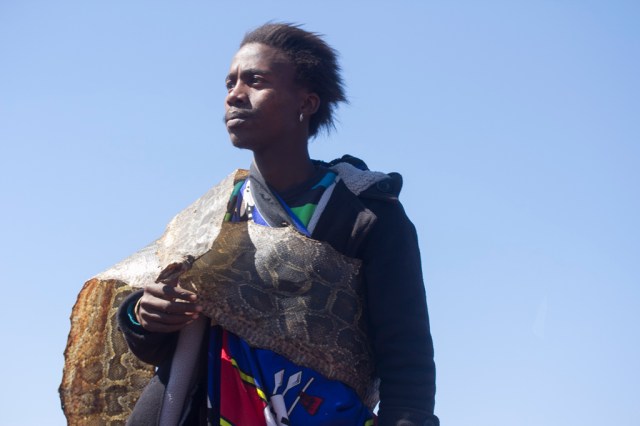
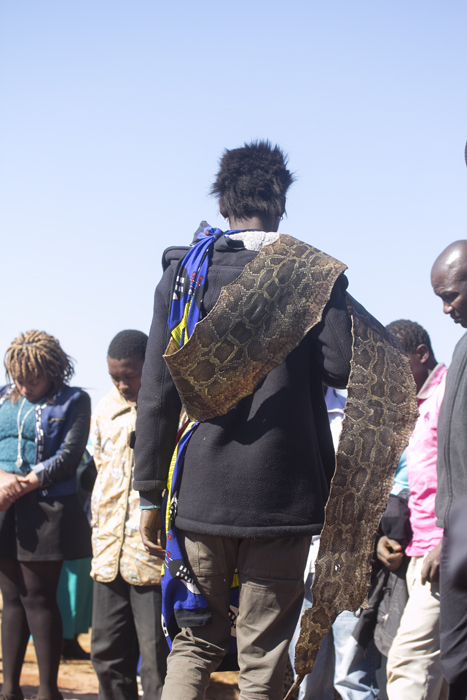
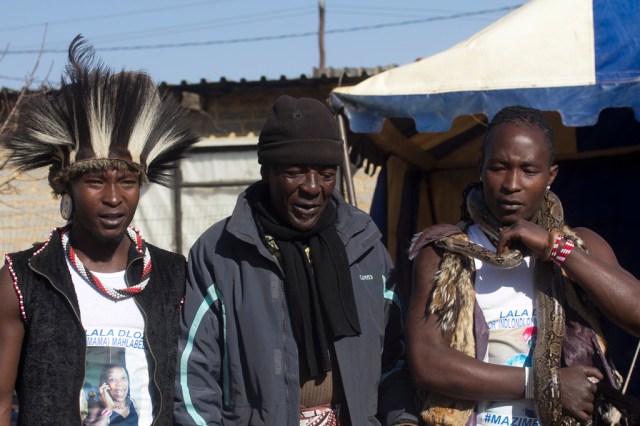
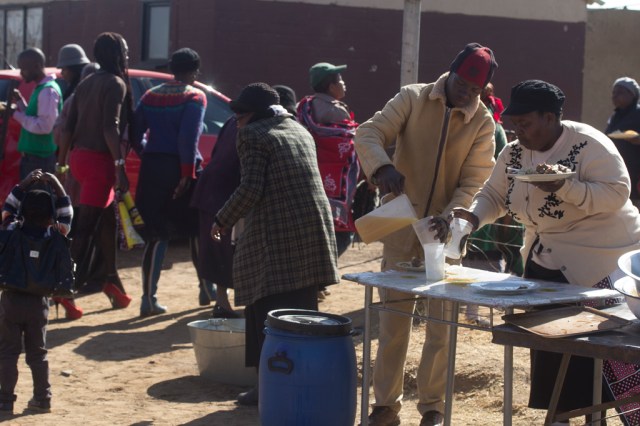
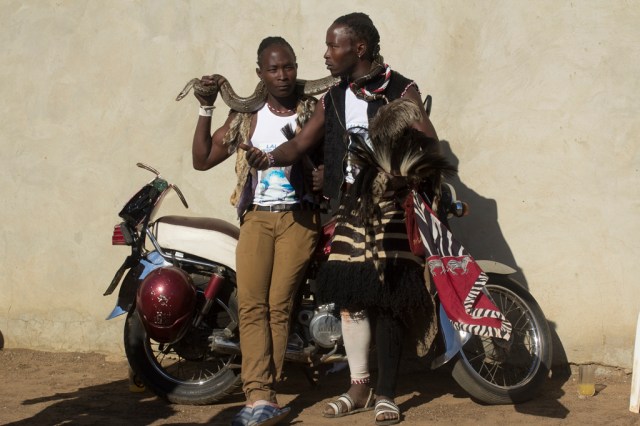
2014 July 14: A healer is laid to rest

All photos by Charmain Carrol
12/07/2014


IMG_8616


IMG_8557


beaded skirt


IMG_8541


IMG_8597


IMG_8572


IMG_8644


nkunzi


IMG_8548


IMG_8538


IMG_8474


IMG_8492


IMG_8575


IMG_8517


IMG_8549


IMG_8607


graveyard


IMG_8600


IMG_8498


IMG_8580

ft tshidi


back of snake skin


IMG_8722


IMG_8670


IMG_8742


ft granny_8668


snake skin guy


IMG_8611


May her beautiful soul rest in peace.


Previous article


2014 July 11: Another expert in black lesbian community dies


Posted in Acceptance, Activism, Activists, Activists Act, Africa, African, Africanised, Alternative family, Another Approach Is Possible, Archived memories, Archiving Queer Her/Histories in SA, Art for Humanity, Art Is A Human Right, Art is Queer, Articles, Bereavement, Black Lesbians, Charismatic, Chief mourner, Death, Evaton cemetery, Family and Friends, Few people, Health, Herbal medicine, Human Beings, Johannesburg, Loss to the black lesbian community, Lost Lives, Love, Loved, Myths, Photographs from the funeral, Prophecy, Proud lesbian, Queer Power, Real, Reason, Recognition, Records and histories, Relationships, Respect & Recognition from our community, Respected person, Sadness, Self-worth, Sexuality, Sharing knowledge, Silence, Snakes, South Africa, South African townships, South African traditions, Speaking for ourselves, Support, Supporters, Supporting each other, Survived by..., The traditional cloth, traditional healers, Traditional healing, We love photographs | 2 Comments

2014 July 13: A sincere thank you to all my ex lovers

by Sade Langa

 
It has taken me a marriage to even think of writing such! When my exes broke up with me, I was heartbroken. I even had stalking tendencies. I checked them out from a distance, asked people about them in passing just to see if they were ok, maybe missing me, maybe regretting breaking up with me. I always had fantasies that they would come crawling back to me, begging for me to take them back, which never happened. This added to my heartbreak because I always thought of myself as a catch.

 
I mean to blow my own horn I always knew that I was a catch, but these women never saw that! At some stage it messed with my confidence, maybe, just maybe I wasn’t as I saw myself. Then I started doubting myself because I never wanted to party like they did and spend money on useless stuff! By the way money I never had. A friend told me that these women were looking for status, they thought because I stayed where I stayed I must have money, only to realize when they got to know me that I was actually just a struggling artist trying to make my mark in the world.

 
The reason why I thought I would actually take the time to write this to my exes is I met the most beautiful, kind, humble, intelligent person with the most beautiful smile and eyes. She has really changed my world and me. She loved me when I was a broke ass and changed the way I view love and life. The thing about meeting my wife was she made me see myself for who and what I am. I realized I had found someone who loved me – flaws and all. When I look back I realized that my exes didn’t have the balls to challenge me thus they cheated and left.

 
She on the other hand would call me up on my bullshit, challenge me if I was on the wrong and she still does. In my past relationships I never had arguments because they knew I would just say sorry, don’t want to fight or just a plain old NO. Looking back I was a typical douche and it was either my way or the highway. Guess what when someone broke up with me it was their fault never mine. Of course it was never my fault, I never cheated, and I never paid attention!

 
I would really like to give a shout out to all my exes for not realizing I was a gem, platinum if you may. I am really glad they did not take the time to know me, invest in me, question me because they would have found what my wife has found and I might have been miserable all my life because my wife wouldn’t have found me. It was a blessing in disguise.

 
Meeting you was a must as it prepared me for the journey I am on. This also includes the father of my child. It is a shame I used to really hate his guts but now I just pity him for being a douche as he is missing out on the greatest gift alive.


Therefore, thank you to all my exes for playing the role you were supposed to play at the time. Because of you I am a better partner, lover, wife and I grow daily because I know what it is to be loved and love just as much.

Merci, Dankie, Ngiyabonga mina.

2014 July 14 Sade Langa portrait


Previous by Sade

2013 April 18: The last three months before dying

Posted in Arguments, Attention, Begging, Black Lesbian mother, Break ups, Civil Union, Crying, Doubts, ex lovers, Flaws, Gratitude, Heartbreak, Infatuation, Inner feelings, Life, Love, Loved, Marriage, Money, Precious, Reason, Relationships, Sade Langa, Struggling, Surity, We Still Can with/out Resources, We were (t)here, When Love is a Human Right, Woman, Womanhood, Women loving women, Women's power, Women's struggles, Women; Voices; Writings; Education; Traditions; Struggles; Cultures, Words, Writing is a Right | 7 Comments

2014 July 14: The French National Day in Paris

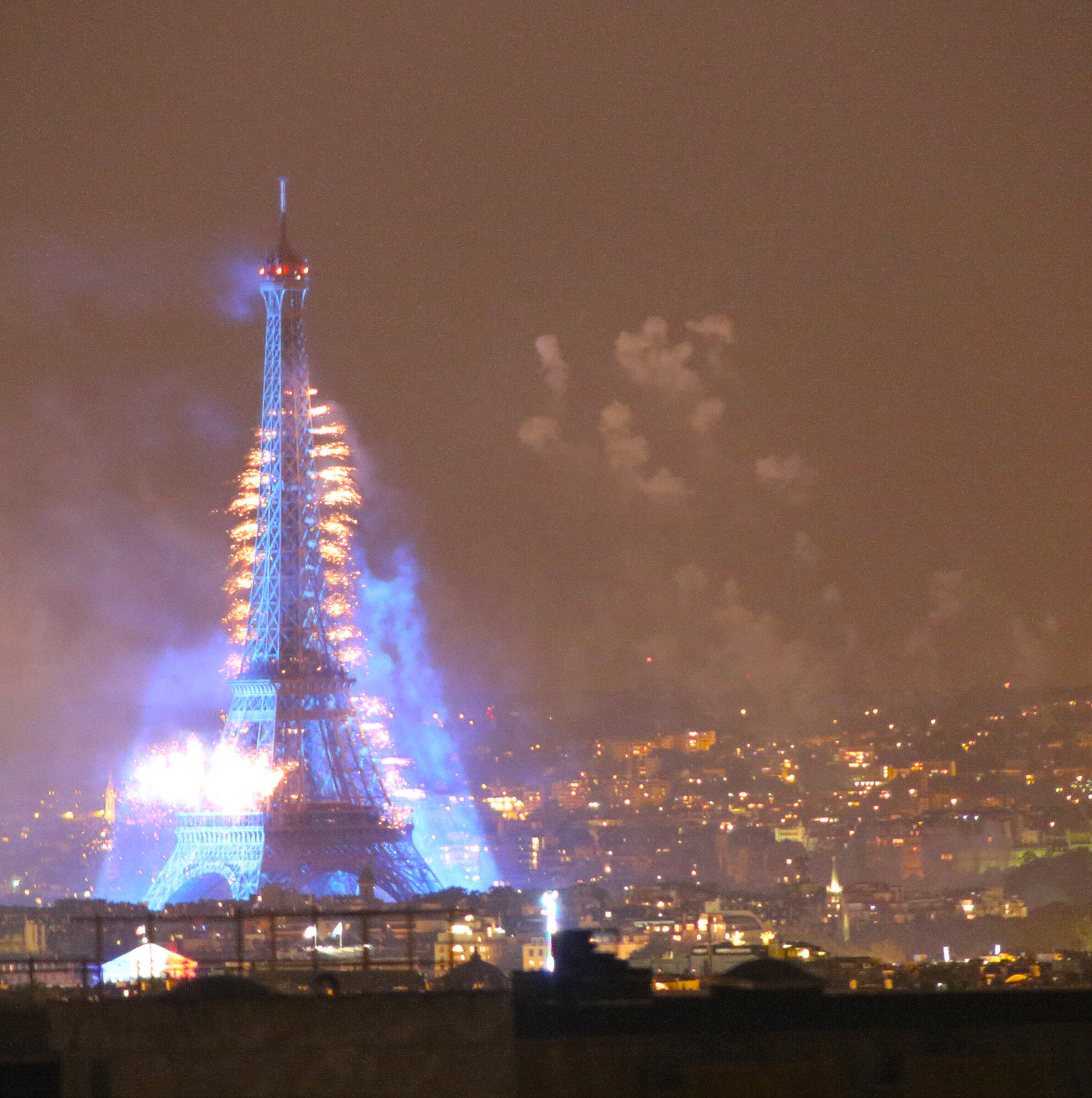
… also known as Bastille is celebrated by throughout every year on the 14th of July.
Read more about this.


tres-beau-cherie_4206


Eiffel tower_4188


2014 July 14 Eiffel Tower_4277


tres-beau_4160


eiffel tower blue_4182


Eiffel Tower1_4273

God gave us Eiffel Tower_4159

© Zanele Muholi
14/07/2014


… taken with Canon 6D and 200mm lens from the balcony of my lover’s apartment in Belleville, Paris.

Firecrackers next to

Eiffel Tower, the most visited site in France.


Previous photos of Eiffel Tower


2013 Nov. 4: Confronting the Eiffel Tower with the lens


Posted in 2014 July 14, Bastille Day photos by Zanele Muholi, Education, Feelings, National Day in Paris, Paris, Photographs, Photography, Queer visibility, Visual activism, Visual Activist, Visual Arts, Visual democracy, Visual history, Visual Language, Visual narratives, Visual Power, Visual Voices, We Are You, We Care, We Love Photography, We Still Can with/out Resources, We were (t)here, Women's power, Women's Work, Zanele Muholi | 1 Comment

2014 July 13: ” Give children cameras not candies”
 

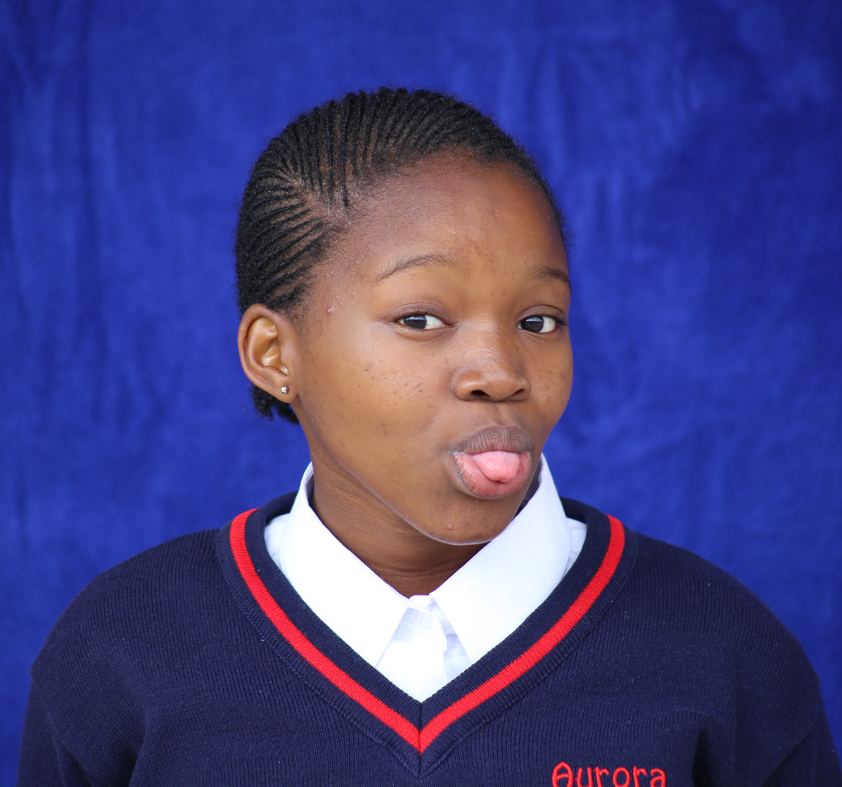
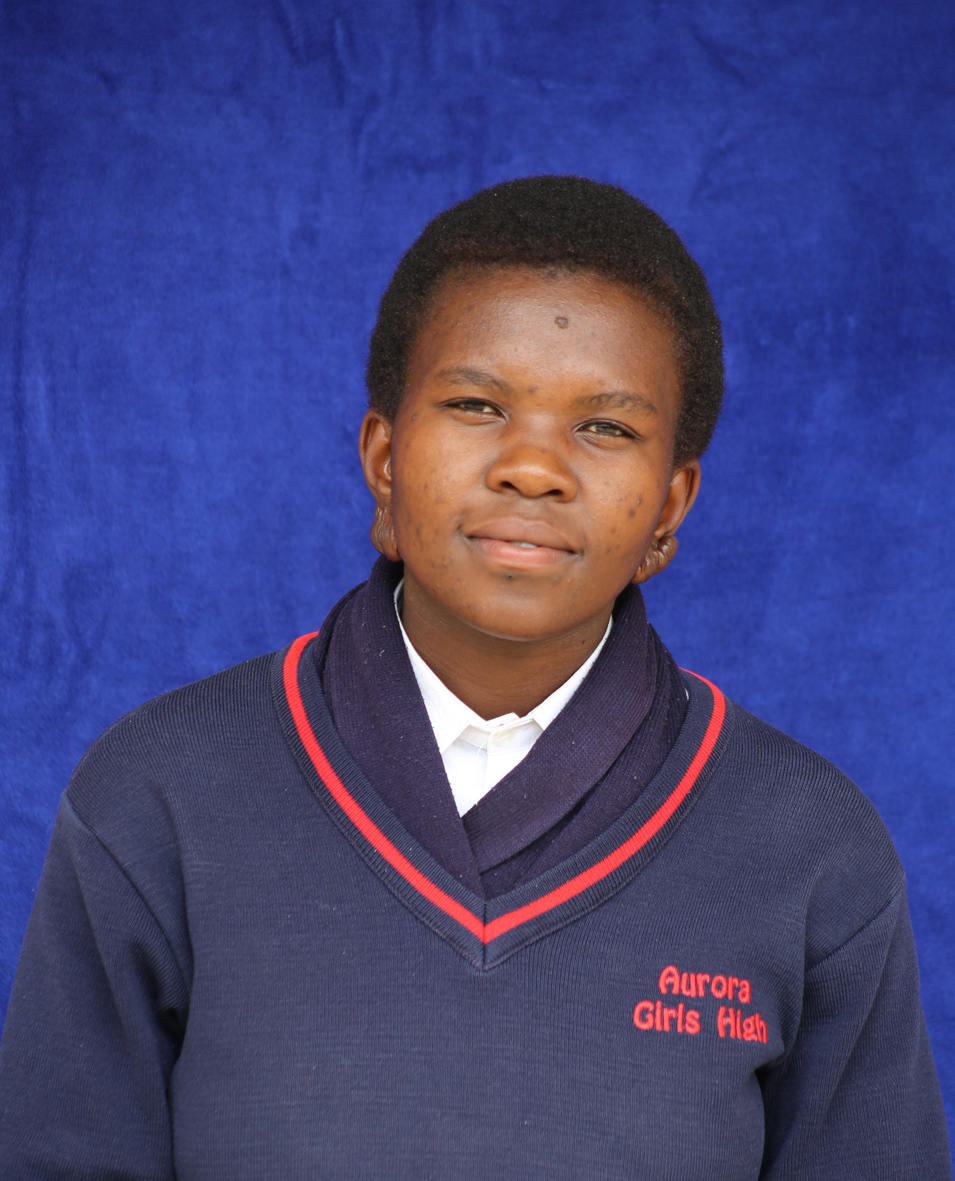
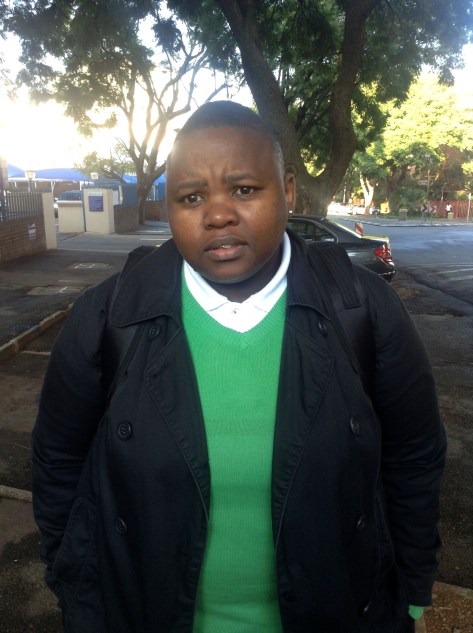
School portraits from Aurora Girls High School, through the eyes of photography learners.


Sindi & Nhlanhla_6524


2014 April 16
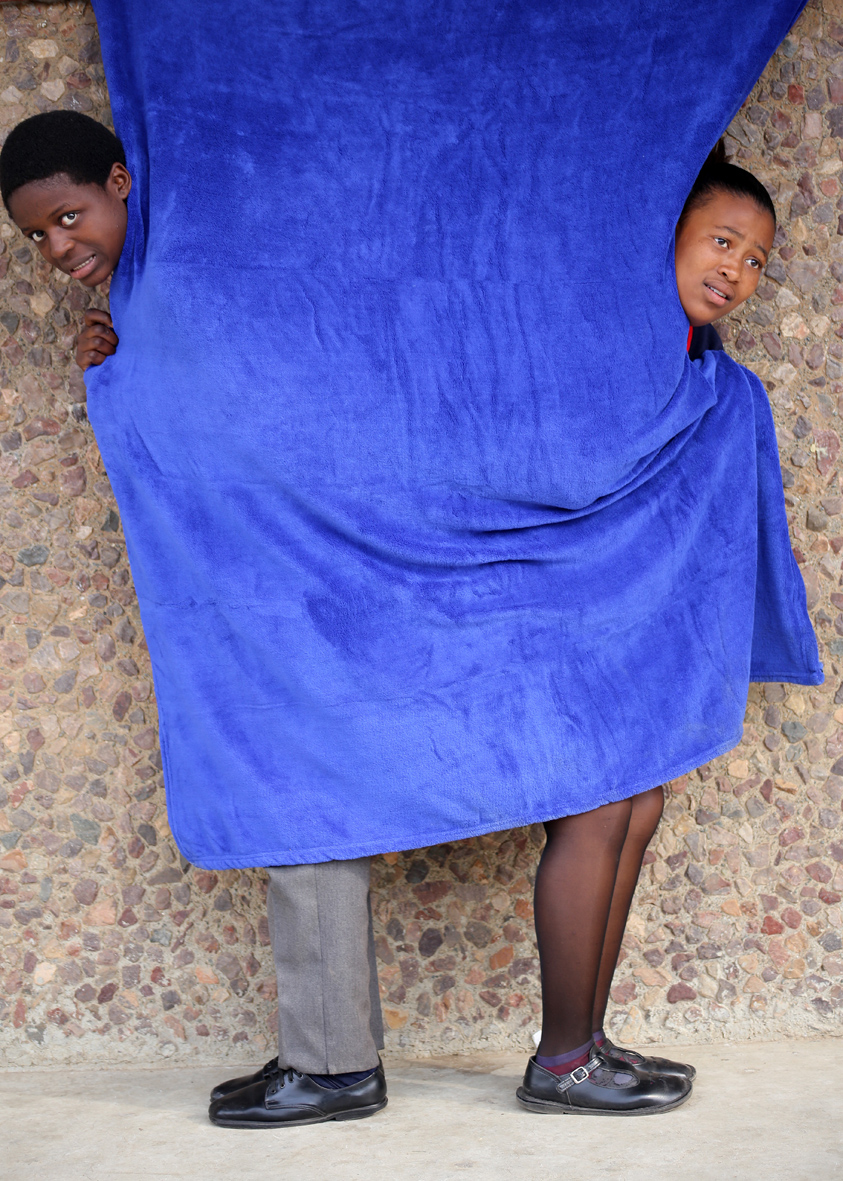
our participants, Sindi and Nhlanhla playing with the background we used for students’ portraits.


umfundi_6482

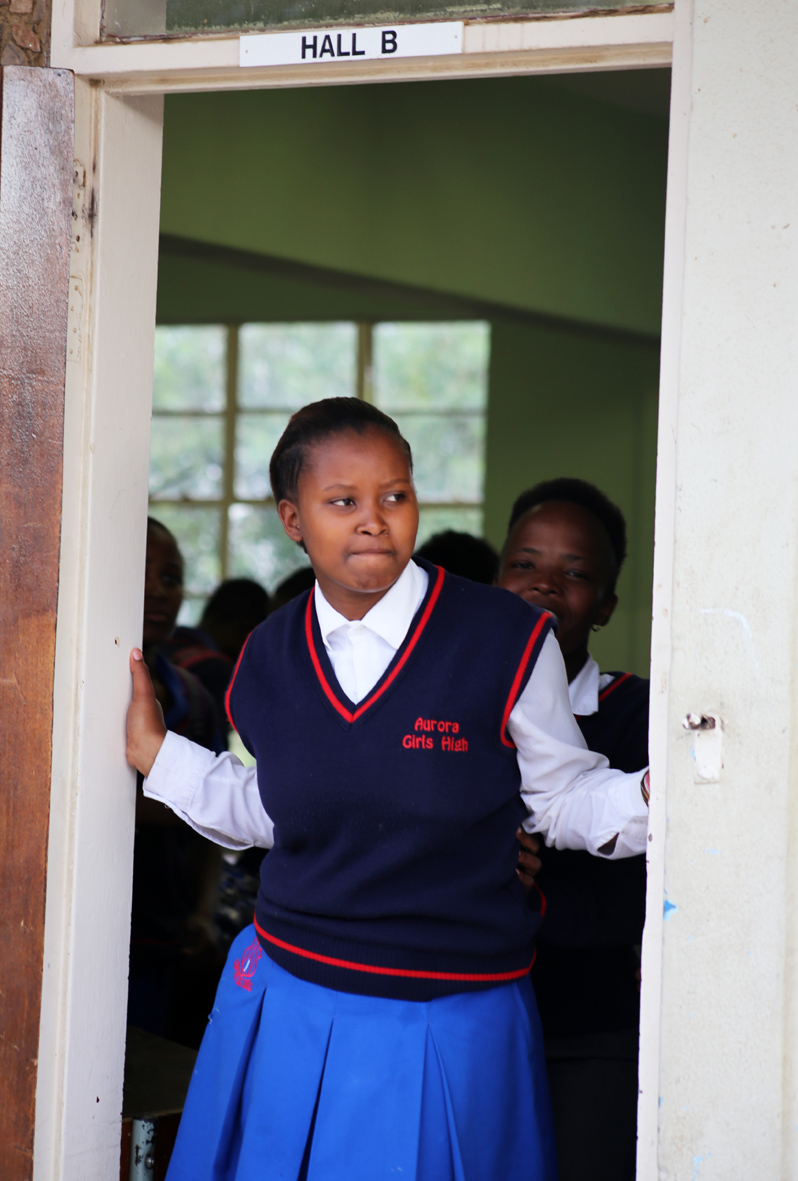
a fellow student peeping out after class…

nhlanhla_6516

ever smiling Nhlanhla who is also in the visual project.

Tshili_6230
I don’t know why Tshili was so serious that day.
She is also in the photo project and capturing amazing visuals.

Eliza_6227
Elisa...

Sihle_6221
Sihle…

ntombi_6215
Ntombi…


umfundi2_6523I like this portrait so much… Who is she shooting?


Kamo Petlele_6212
Young and sensible Kamo Petlele


sindi_6526Peace out, Sindi.

Thobza_6290
Thobza look so cool and calm in this one…

Linda & Lindeka_6517

Behind every successful learner there is a woman.
Linda and Lindeka are working tirelessly with the photography learners to meet their goals… 


Photographs by learners will be included sooner.


Related link


2014 July 12: From Soweto to Paris for the love of photography


Posted in Aurora Girls High School, Beautiful faces, Education, Exhibition, Facilitators, Give children cameras not candies, Human rights, Intellectualism, Interpretation, Lesbian Professionals, Lesbian Youth, LGBT community, Linda Mankazana, Lindeka Qampi, Photo album, Photo assignments, Photo Expressions, photographers, Photographs, Photography, Photography as a therapy, Politics of existence, Politics of representation, Portrait, Power of the Arts, Power of the Voice, Public spaces, Publications, School portraits, Soweto, Teaching young women photography, Townships, Transcription, Transparency, Valerie Thomas, Visual Power, Visual Voices, Visualizing public spaces, We Love Photography, We were (t)here, Zanele Muholi, Zulu is a South African language | 11 Comments

2014 July 10: My remarkable Durban Pride experience

by Sicka Jones

One of my dreams came true when I received a call from Siphokazi Nombande, the 2014 Durban Pride organizer, informing us that they have a slot for JacobsJones in their event which was held on the 28th June 2014.
On Thurs, 26th June 2014 at 14h00, we took a bus that arrived at Durban Station on Friday morning at 12:05am. We arrived wearing our coats because of the Johannesburg cold, but the beautiful Durban weather made us take them off and enjoyed the morning breeze.

Sharon Shaz Mthunzi also known as Sicka Jones

Sharon Shaz Mthunzi also known as Sicka Jones…  facebook profile photo

We travelled with Arthur our friend and graphic designer, who came out to support us. At the station we also saw other LGBTI persons including makeup artist Candice Nkosi and the 2013 Miss Simply Blue’s Precious Maqojane. We made our way to Phoenix where we would be staying. A lovely lady named Kwanda welcomed us warmly. Later that day we went to Miss Durban Pride. I was disappointed because the pageant lasted a few minutes, which was very unfair considering we had paid R50 for the occasion.
The next morning we got ready to meet with Siphokazi, whom we joined at Pride march around the Sharks stadium. It was a sight to behold. We were entertained with music and cars passing by hooting and drivers cheering. We were the first performers to get on stage so our only challenge was to grab people’s attention so that they could come closer to the stage. Because we are good at what we do, it was not much of a challenge. I opened the stage with my single track titled “LGBTI and I” followed by the crowd favorite “Drag queens”, “Rolling” and we closed the performance with “Top 10” which brought back memories to some people.
 
Anele, who was the MC was impressed that we were able to bring the crowd closer. I was humbled to see people from Johannesburg like; Nathi Dlamini, Somizy Sincwala and the drag queens who inspired us to write the song and whom we would definitely love to feature in the music video. Later on fans came and asked us to go on stage again. Our priceless moment came when we performed “drag queens”. We were blessed by the presence of Nathi, Somizy, Candice Nkosi and Precious on the dance floor. After performing we were escorted to the VIP area, which stifled us and we simply went to join the crowd and our friends. 
Durban was a great experience and the people there are friendly. At the end, we sold all the copies we had in our possession and even got some orders!

JacobJones cd


Our goal is to shoot three music videos for “Drag queens”, “LGBTI and I” and “Sizo Phumelela”, we have air play on Jozi fm and we must also hustle to get airplay on other radio stations. Another goal is to perform in the spring fiesta event and also overseas, seeing our album in stores, from now on we are doing things by ourselves because the company we are with is wasting time. Hustling must be done before the end of the year because next year we want to study filming and music.


About the author


... Sicka Jones with Major-short

… Sicka Jones with Major-short

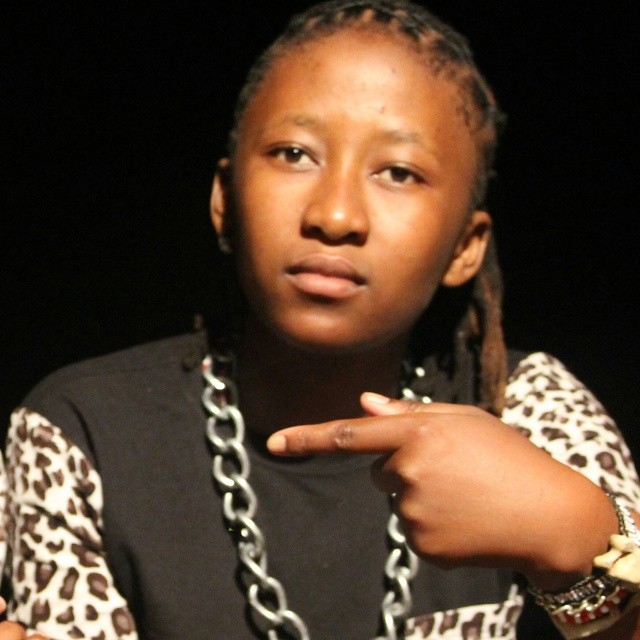
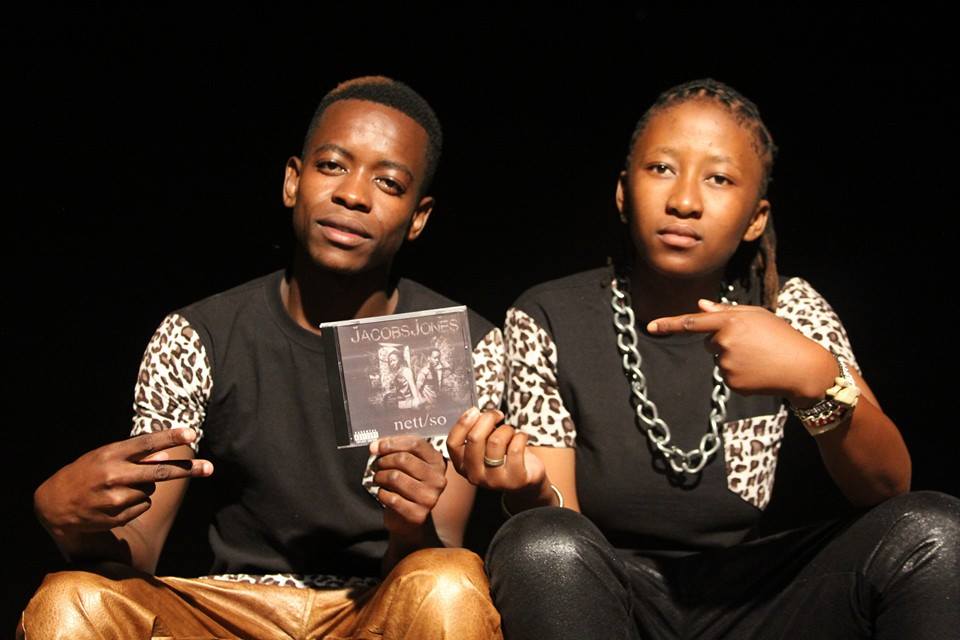
Sharon Mthunzi also known as ‘Sicka Jones’ is a young lesbian and one of the upcoming artists doing hip hop music working with Tshepo Jacobs also known as Major-short.
She was born in Daveyton where she currently lives with her very supporting mother and lovely little sister. When not on stage she is a traditional healer.

She is also working with Tshepo and Arthur on a project that helps other upcoming artists to grow and also stay clear off the streets. She is a very energetic and fun youngster who is loves learning from others.
On the 29th March 2014, JacobJones released their first music cd in Daveyton, Johannesburg.


Related link

Sicka Jones featuring in Faces and Phases series.


Posted in "Sizo Phumelela", 2013 Miss Simply Blue, 2014 Durban Pride, 2014 Miss Durban Pride, Audience, Black Lesbian musician, Daveyton, Drag queens, Durban, Durban Pride march, graphic designer, Hip Hop music, Hustling, Jozi fm, LGBTI and I, Memories, music video, Pageant, Performance, Performers, Phoenix, Precious Maqojane, R50 entrance, Radio stations, Sharks stadium, Sharon Mthunzi, Sicka Jones’, Siphokazi Nombande, Stage, Supportive mother, traditional healer, VIP area | 1 Comment