2013 June 25: The Men In My Life

by Lynne Carrol

I never got the pleasure of meeting my grandfather, but I heard a lot about him and through stories. Once characteristic that was starkly vivid was that he was a family man who loved his all his children.  Even though his children were from several unions, he made sure that they knew each other.  He passed away a year before I was born.  I wish I had been afforded a chance to meet him or even just shake his hand.

My Father has been absent all my life.  He will call me maybe once or twice a year if I’m lucky. I still find I love the man regardless.  But as much as I love him, I do not aspire to be anything like him.  My sentiments come from the fact that he has never deemed it necessary to take any responsibility for anything in his life, especially when it comes to being a father to me.

My late uncle, Nicholas Carrol (may his soul rest in peace), although flawed, was the closest thing to a father within my bloodline.  He was younger than my father and he used to baby sit me while my mother worked.  I closely tagged along him so much that when I started grade 1 I listed him as my father when we were doing family tree activities. I did so again in Grade 2 but my mom explained to me that it was not so.  My other uncles, Trevor and Tylor loved and respected my mom.  That on its own makes me have immense respect for them, even though I do not see them often.  They also taught me that it was ok to be in touch with my feelings.

Now let me tell you about the man I call DAD.
His name is Vile (pron VHI-LAY). He is not my biological father, did not formally adopt me nor even my mother’s partner.  But he has been more of a dad to me than my real father.  He is the one who has remembered my birthdays, gave me random phone calls and sent me frequent text messages, just to check in on me.  Those gestures are priceless and mean so much to me.  I have known him since I was 2 years old and even though we have moved on to different parts of the world he manages to always keep in contact. I wonder if my father knows my birthday.

Now I am who I am today because of all these men in my life somehow I feel I have a piece of them in me. A man does not have to have a “penis” to be a good father/role model.

Previous by Lynne and related article

2012 May 14: Expelled from school due to mother s sexuality???
and


2013 Feb. 8: “Let your voices be heard”


Posted in Another Approach Is Possible, Archived memories, Before You, Community, Connections, Creating awareness, Creative Writing, Expression, Family, Father figure, Friendships, Gender naming, Interpretation, Life Stories, Love, Power of the Voice, Records and histories, Relationships, South Africa, We Care, We Still Can with/out Resources, Writing is a Right | Tagged , , , , , , , , | 5 Comments

2013 June 6: Dangerous is not the Young Black Men in Daveyton

2013 June 6:  Some Portraits of Young Black Men in Daveyton


Portfolio II by Collen Mfazwe

young man smoking_4281
young man_4273
young man_4293
young men signing_4268
young men_4241
young men1_4133
young men2_4144
young men4_4186
young people_4307
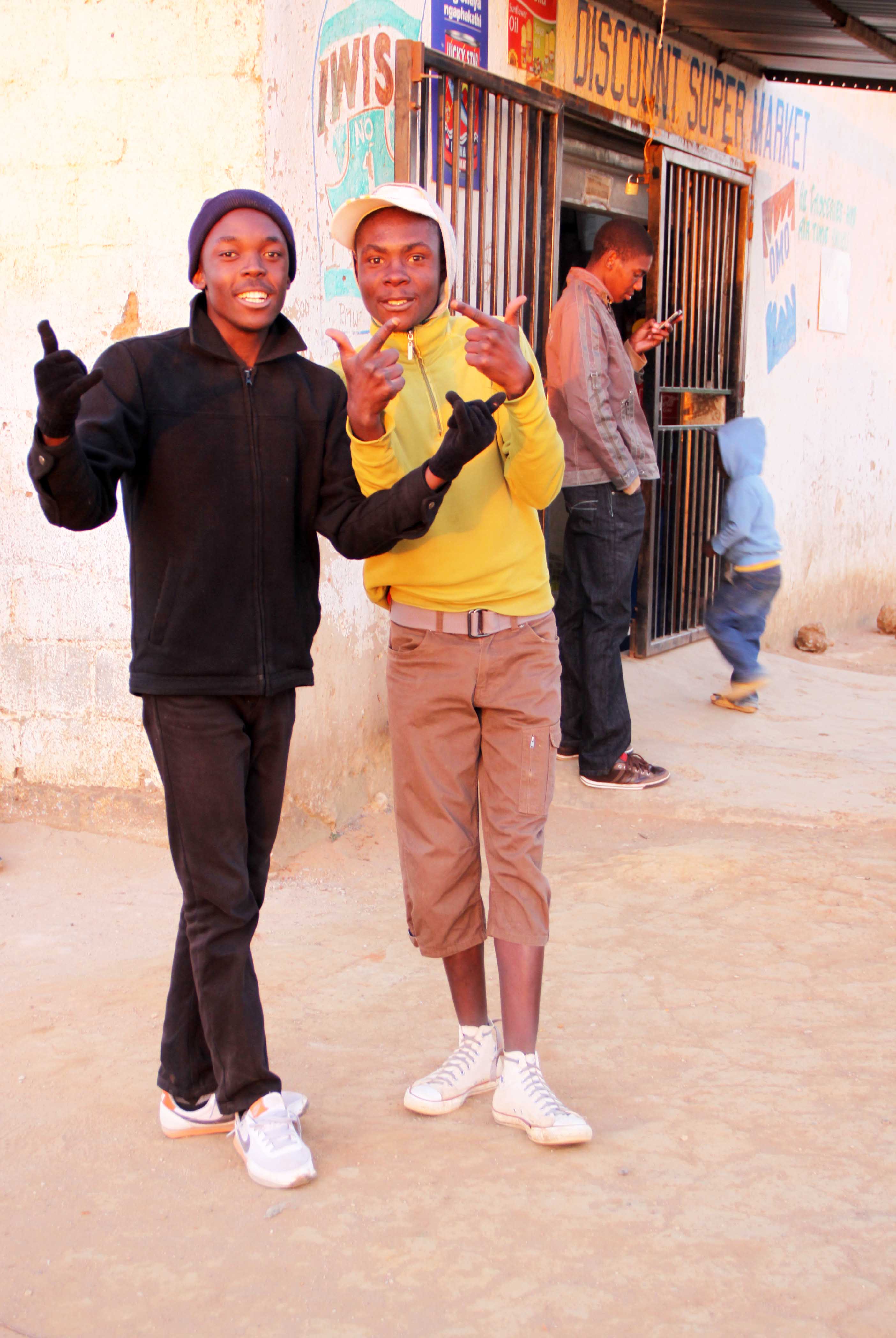
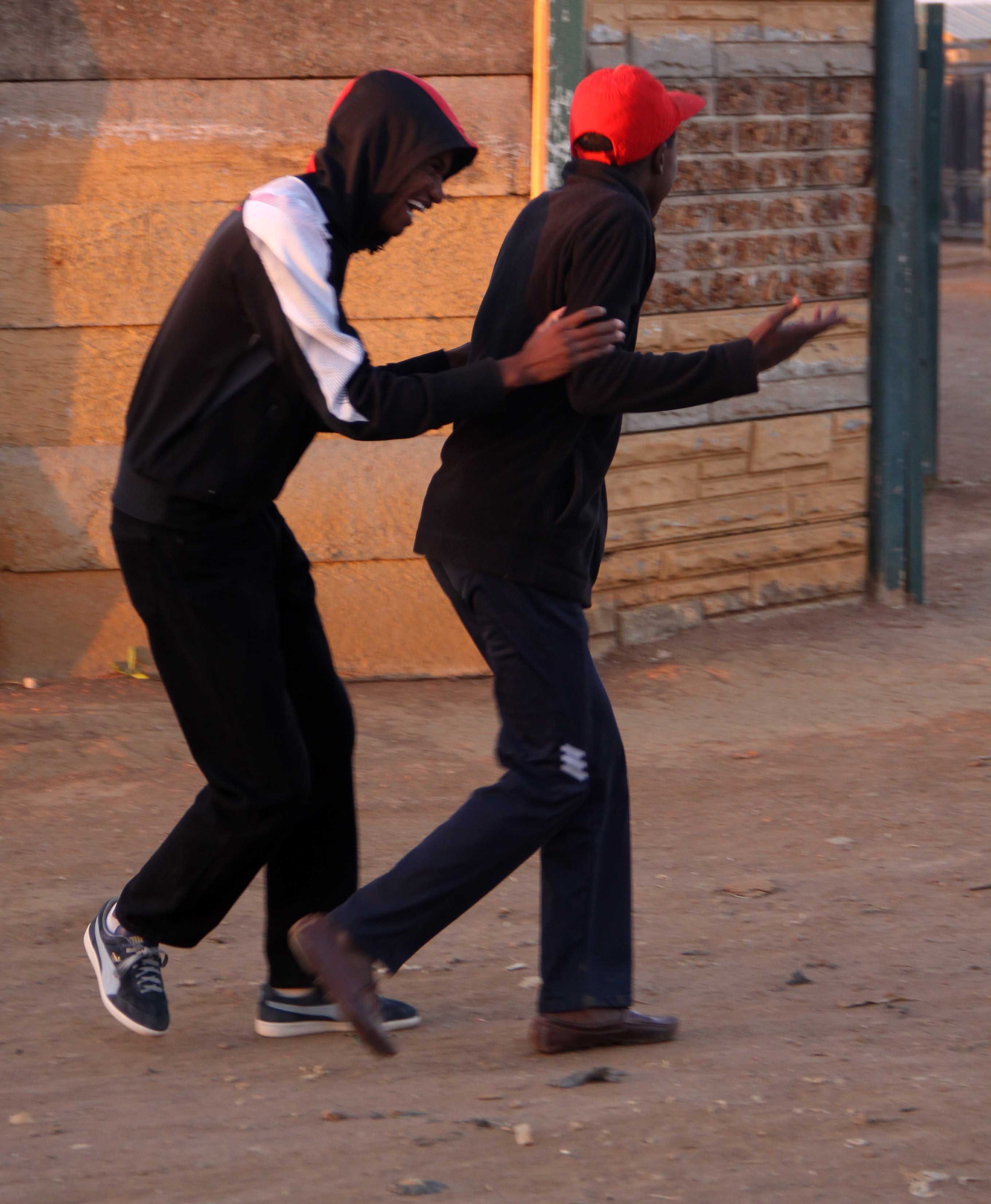
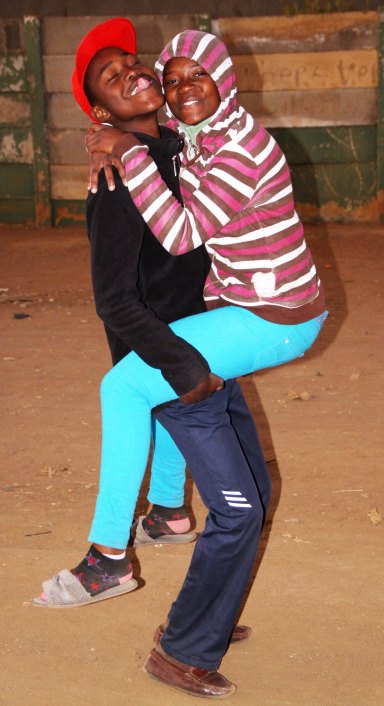
This visual project is about some  young black men who resides in Daveyton township where I come from. It is the beginning…
I want to share with the viewers that not all black men are hooligans or criminals as portrayed in the mainstream media.
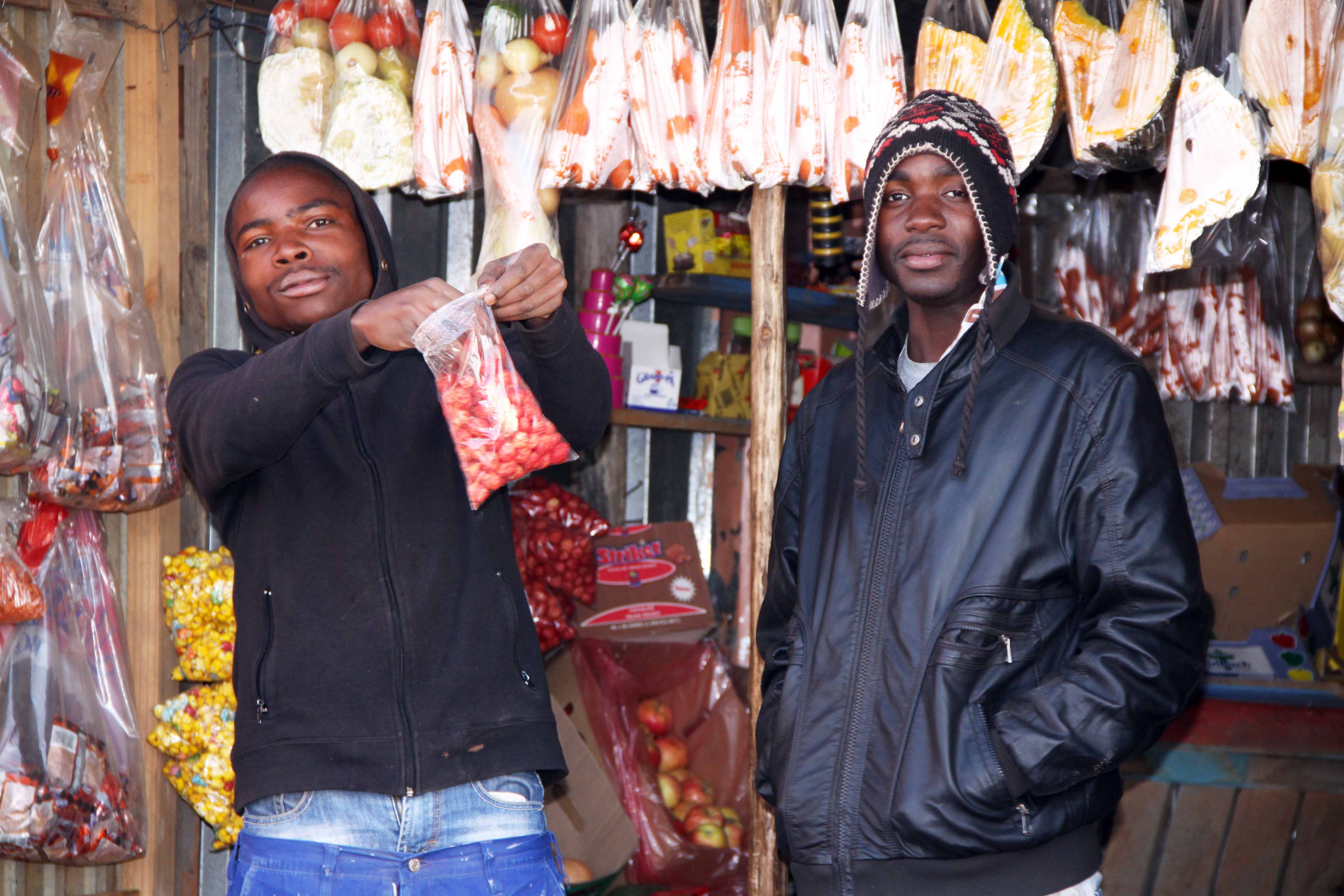
Some are making ends meet by selling fruits and vegetables at the corner stop nearby my home.
My mission is to change the perception and bring forth the photos plus the voices of those featuring in this particular series.
The project will also feature my younger brother.

There are thousands of men who live in Daveyton. I, as a lesbian woman have a general fear for men, but somehow I don’t fear all men, especially the ones who live from the same street as I do. I’ve realised that not all men are cruel and evil as we think.

Here in Daveyton there are strong men who fight for what they believe is right for everyone, the kind of men that take lesbians as humans and treat them with the respect they deserve.

Everytime I walk on the streets, and I see a bunch of men in the corner, and as the scream out to call my name, I am not scared to go to them because I take them as brothers, friends and neighbours, so sometimes there’s no need for me to be scared.

The kind of black men I’m talking about here, is the one that worries  about putting food on the table, so they strive to wake up and be at the corner selling their sweets, chips, fruits and vegetables.

If we take our time and think positively we will see that they are good black men that live amongst us, we need to remove the mind set that says a black man is always black and bad.

NB:  Project to be continued…


Previous by Collen

2013 May 19: There’s beauty in aging
and

2013 April 17: Collen’s black & white album


Posted in Community, Creating awareness, Crime rate, Daveyton, Love, Our lives in the picture, Photo album, Portfolio, Portrait, Poverty, Relationships, Townships, Visual history is a Right not a luxury, We Care, We Still Can with/out Resources | Tagged | 5 Comments

2013 June 24: Our deepest fear is that we are powerful

by Kopano Sibeko

A week and a day ago was what is nationally known as June 16, termed after the 1976 Soweto uprising, which spiraled because Afrikaans was to be shaved down every bodies throat as a medium language in schools in South Africa.

Now 37 years later, we are free from such oppressive obstructions and we are supposedly a “democratic” state, however politics are not what I want to blab about in this piece.

Rather I want to challenge the notion of mental slavery… Just how we enslave ourselves mentally and we in turn want to blame it on the government, yes I am well aware that we still live in divisional classes that don’t allow us the same opportunities at times, but we all have brain cells to change such.

Funny how we want to blame the government for our thoughts or lack thereof.
We as the human race in our own individual capacities, want to conform to what ‘society’ deems as correct. yes maybe societal norms are placed to shape our lives in order, but have you ever wondered how life would be if we challenged those norms.

For over three decades now, we are liberated in South Africa. free to choose if we want to speak or learn Afrikaans or not. We are free to get an education, sometimes the education is free, yes maybe we might not have the best educators, but education takes personal willingness and sometimes one doesn’t need a push for that.

We are free to get married to the same race, to the same gender and to foreign nationals, yet we abuse that freedom sometimes by constantly arguing about if those things are morally correct… to whom is it suppose to be correct to?
I ask. people still cage their minds to tradition, religion, sexism and racism.

True, maybe we are not as free mentally as I thought the country should be, sure maybe I can blame it on the government, but on which basis might I ask?

The great Jamaican singer and songwriter Bob Marley once said “emancipate yourself from mental slavery,none but ourselves can free our minds”.

The song urges listeners to “Emancipate yourself from mental slavery,” because “None but ourselves can free our minds”. These lines were taken from a speech given by Marcus Garvey in Nova Scotia during October 1937 and published in his Black Man magazine.

“We are going to emancipate ourselves from mental slavery because whilst others might free the body, none but ourselves can free the mind. Mind is your only ruler, sovereign. The man who is not able to develop and use his mind is bound to be the slave of the other man who uses his mind ” Marcus believed.

Sometimes poverty is a state of mind, if we break all the chains that distract our trains of thought, if we learn to prioritize and more importantly if we read so we can be more knowledgeable.

shock often hits me, when people complain about service delivery and yet they burn libraries, education is the service, use it!

Reading helps awaken ones inquisitive quality, let us not limit ourselves to what the media feeds us, to what the government offers us and  what the society tells us we can and cannot do.

So my thoughts are, rather than wearing uniforms, drinking to a pulp claiming to celebrate the lives that we lost and also sending out a bad message to the upcoming youth, let’s emanicipate ourselves by fighting for the very course of the struggle they fought for. Education… let’s take that day and fight for proper educational standards.

Let’s fight against this oppression, this suppression and this mental limitation, for the youth is doomed with the current education system.

It perplex’s me just how powerful the mind is, it is the only tool that one can  free you from all that chains you.

Inspired by these words by Marianne Williamson.

“Our deepest fear is not that we are inadequate. Our deepest fear is that we are powerful beyond measure. It is our light, not our darkness that most frightens us.
We ask ourselves Who am I to be brilliant, gorgeous, talented, fabulous?
Actually, who are you not to be?”

With these words I break all the things that enslave my mind.

Previous by Kopano

2013 June 4: I was not Her

and

2013 June 3: The Strength of Love and Acceptance

and

2013 May 11: Actually, absolutely, definitely NO!

and

2013 April 21: Living a legacy is always better than leaving a legacy

Posted in Uncategorized | Tagged , | 2 Comments

2013 June 24: @ 25 revisited two months later

by Lerato Dumse

To celebrate youth month in post apartheid South Africa, some people wear school uniform on the 16 of June. This is done to commemorate the defiant actions that claimed young lives 37 years ago who demanded English as a medium of instruction – education. That memorable event in our SA history is known as the 1976 Soweto Uprising.

The Youth of ’76 was hailed as “brave” and “selfless” for standing up against the Apartheid government. Refusing to have Afrikaans used as the medium of instruction, in their township schools. Nearly four decades later, that struggle story is still relevant, with lessons learned from that painful past.

Two months ago Inkanyiso, family and allies remembered the lives of our own, two remarkable individuals who spent their time fighting against the discrimination of lesbians and people with HIV in a democratic SA.

I recall the period when black people finally had the political power. We thought our problems were over. However we soon realized that with democracy and a new Constitution the “free generation” will face new challenges.

Pulling up the car at Goethe Institute, Inkanyiso member Nqobile Zungu has safely driven the last load of crew members working on the day. More than 110 individuals including young; old black lesbians; families and allies gathered at Parkwood Johannesburg,on Saturday the 6th of April 2013.

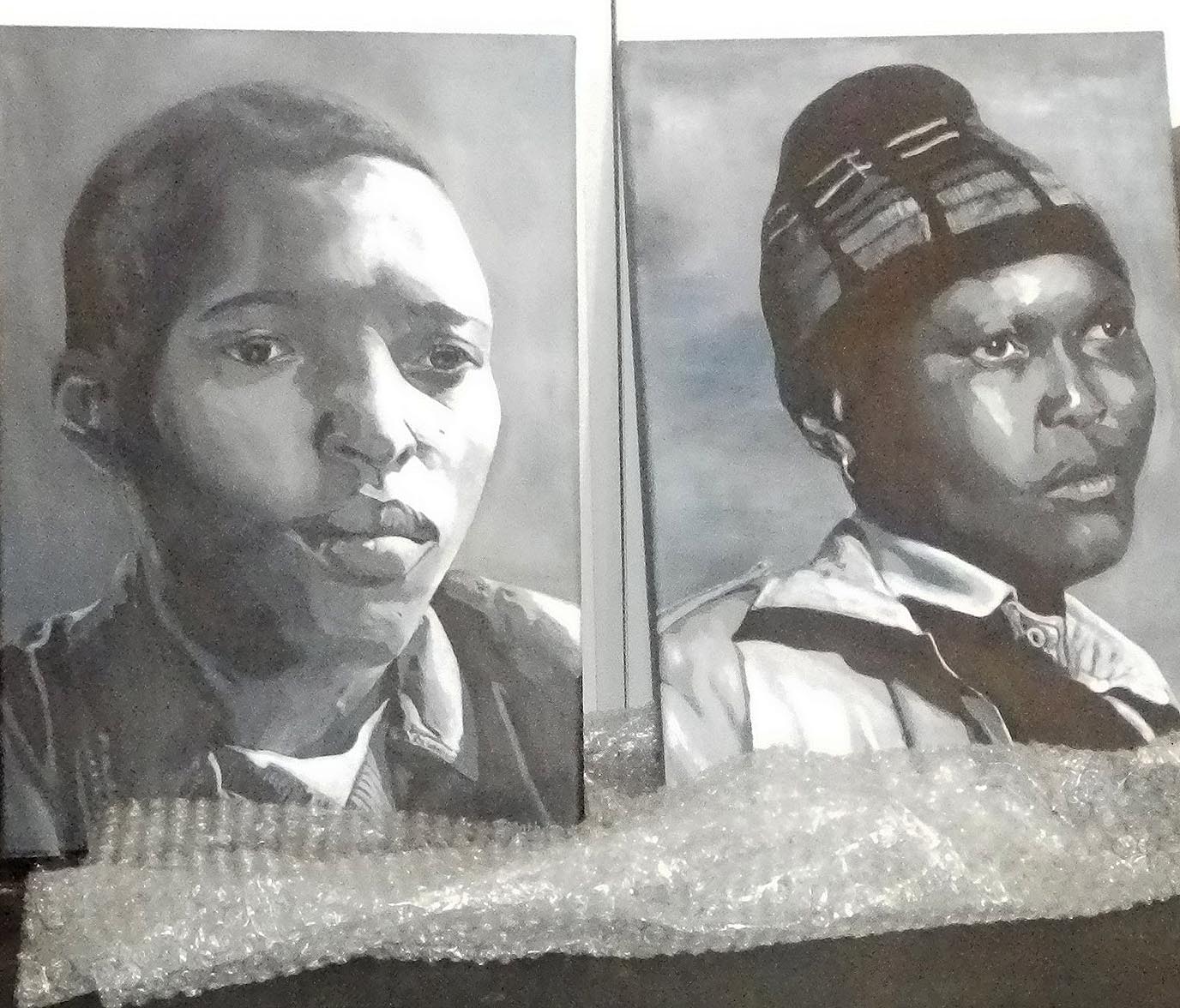
Paintings by Rene Mathibe

Paintings by Rene Mathibe

They came to commemorate and celebrate the lives of Buhle Msibi (1981 – 2006) and Busi Sigasa (1981 – 2007). Described as hard working activists, artists and passionate writers who fought for women’s rights, especially those of black lesbians.
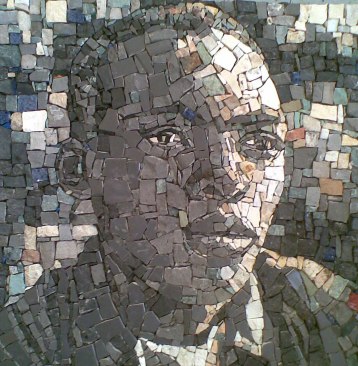
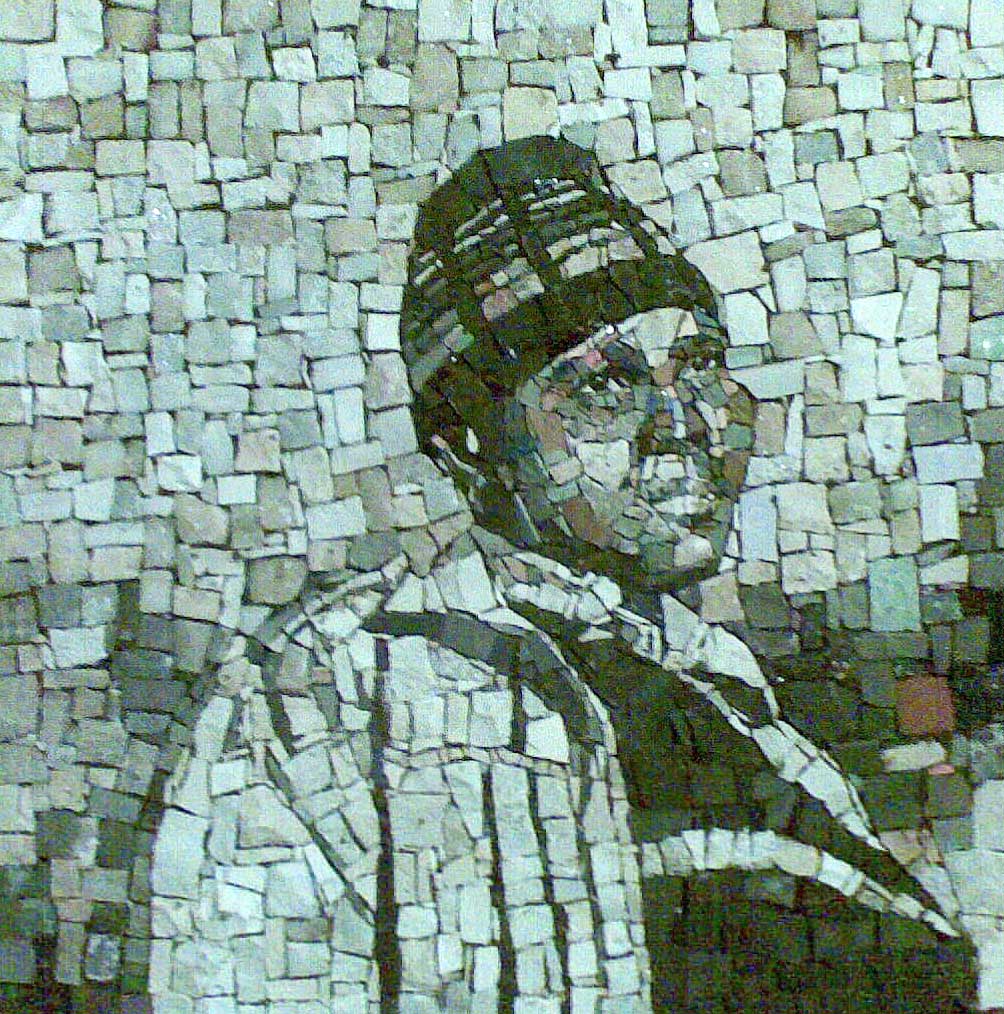
mosaic portrait of Buhle Msibi by Ziyanda Majozi.

mosaic of Busi

mosaic portraits of Buhle Msibi & Busi Sigasa by Ziyanda Majozi.

Before entering the venue we are reminded to sign our names on the white canvas on the table. The different types, sizes and styles of signatures already on the canvas, mark the presence of individuality and variety.
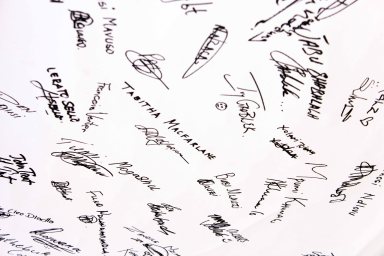
We Were There...

We Were There…

Members of Ekurhuleni LGBT from Tembisa were the first group to arrive  and waited patiently for the event to commence.

Ekurhuleni LGBT group who ensured that their presence is heartfelt

Ekurhuleni LGBT group who ensured that their presence is heartfelt

The @ 25 commemoration took its name from the age, that both women were when they died. Tears and laughter were in abundance as speakers and performers went on stage, some even shared the work produced by Msibi and Sigasa.

The two emcees, Donna Smith and Phumla Masuku, have decades of black lesbian activism experience between them. They shared with the crowd strong personal memories of the late activists. Reverend Nokuthula Dhladhla, of Hope Unity Metropolitan Community Church (HUMCC) opened the event with a poignant prayer reminding us of the importance of God in our lives in that shared space.

On stage, arty portraits made by Rene Mathibe, a Johannesburg based artist and fragmented tiles pierced together – mosaic produced by Ziyanda Majozi who lives in Cape Town. The artworks were unveiled for the audience to view and visualize those remembered. They gave a clear portraiture of how the pair looked before they died.
Various speakers spoke on behalf of their organizations and others on personal notes.

Dikeledi Sibanda, told the audience about her first encounter with Buhle when she visited, Forum for Empowerment of Women (FEW) for the first time.
“Buhle helped me to embrace and accept myself. We performed for SAfrodykes plays and Buhle gave me feminine roles even though I begged her not to” said Sibanda.

Among the invited guests was Msibi’s family, her son Nkosana said the day was very special to him. The teenager was seen chatting, laughing and taking pictures of people outside the hall during the interval. Unfortunately Busi Sigasa’s family could not attend due to unknown reasons, though informed in advance about the important event.

Poetry, singing and documentary screenings featuring the remembered activists, as well as a stand up comedian were part of the entertainment between speakers. A young woman shared her poem titled Ngizobufela lobutabane bami (I will die for my homosexuality). Her narration is that of defiant, despite challenges and dangers one faces daily as a black lesbian.
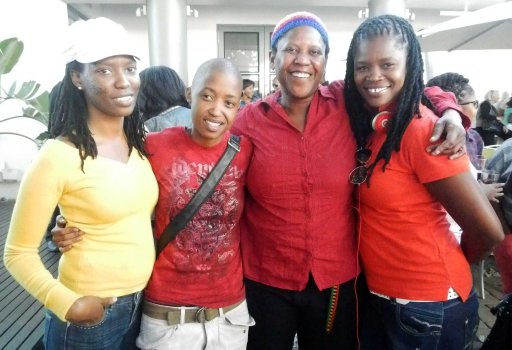
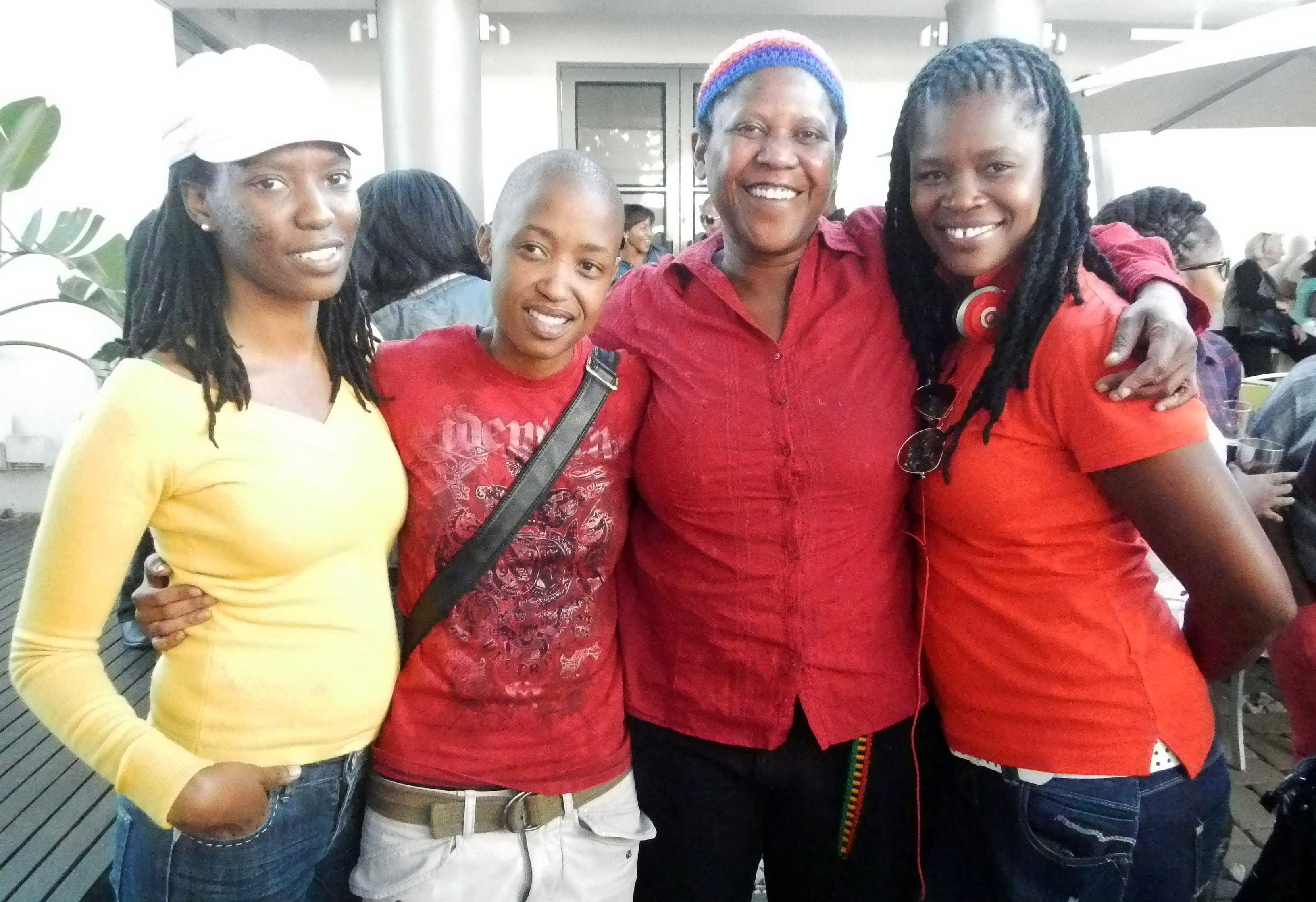
FEW former colleagues of Buhle & Busi. L-R:  Zodwa Nkwinika; Kebarileng Sebetoane; Donna Smith & Bathini Dambuza

FEW former colleagues of Buhle & Busi.
L-R: Zodwa Nkwinika; Kebarileng Sebetoane; Donna Smith & Bathini Dambuza

When the documentary Raped for who I am was screened, there was tension and heavy silence in the hall, it left a lump in my throat. Bathini Dambuza and Kebarileng Sebetoane who feature in the doccie were part of the audience. Dambuza could not hold back her tears as she flash backed the moments she shared with Msibi at Pride in 2005, a year before she died.

Sibusiso Kheswa, remembered Busi as a resilient person who didn’t look for handouts. Both women were HIV positive and outspoken about their statuses. Candles were lit by the commemorators inside the hall, and a moment of silence held for lives lost to HIV/Aids and brutal hate crimes.

Steve Letsike stood up and reminded everyone that lesbian women’s issues are still not addressed adequately especially in health sector in South Africa, despite that fact that the sector is having lesbians employed in big HIV organizations.
Like the late Buhle, Joyce Machapa is also a lesbian mom and has been living with HIV for 20 years. She urged people to speak out and break the silence and free themselves from the stigma.

Makho Ndlovu, a friend of Buhle and Busi pointed out how short life is. She encouraged the audience to use opportunities and nurture their talents. Ndlovu believes people will be remembered for the good they do, she shared memories of some of the kind acts displayed to her by Buhle and Busi.

Zanele Muholi, a former colleague and a friend of Buhle & Busi was determined to make this day happen, with or without funding.
Inkanyiso t shirt DSCN8391We are grateful to Goethe Institute which provided us with the venue and publicity and Khanyile Solutions which printed t-shirts for the crew. Both organizations offered services pro bono and that helped with the tight budget made solely available. We drove home with two canvasses full of signatures rest on our shoulders which marked that presence that caring individuals were there. I’m proud of my involvement on the day, having learned so much about our late heroines.

The actions and work done by Buhle and Busi might not have made international headlines but impacted on many black lesbian youth who worked with them. As a young person turning 25 in two months time. I have learned that young people are capable and have the power to fight for what they believe in. We can make a change, if we take a stand.

Related articles

2013 April 5: Video from private night vigil ceremony

and

2013 April 4: @25 Reminder

and

2013 March 8: Public Event announcement

Previous article by Lerato

2013 June 17: Fundraising for Chosen FEW

Posted in Another Approach Is Possible, Education, Poetry, Power of the Voice, South Africa, Visual history is a Right not a luxury, Writing is a Right, Youth voices | Tagged , , | 4 Comments

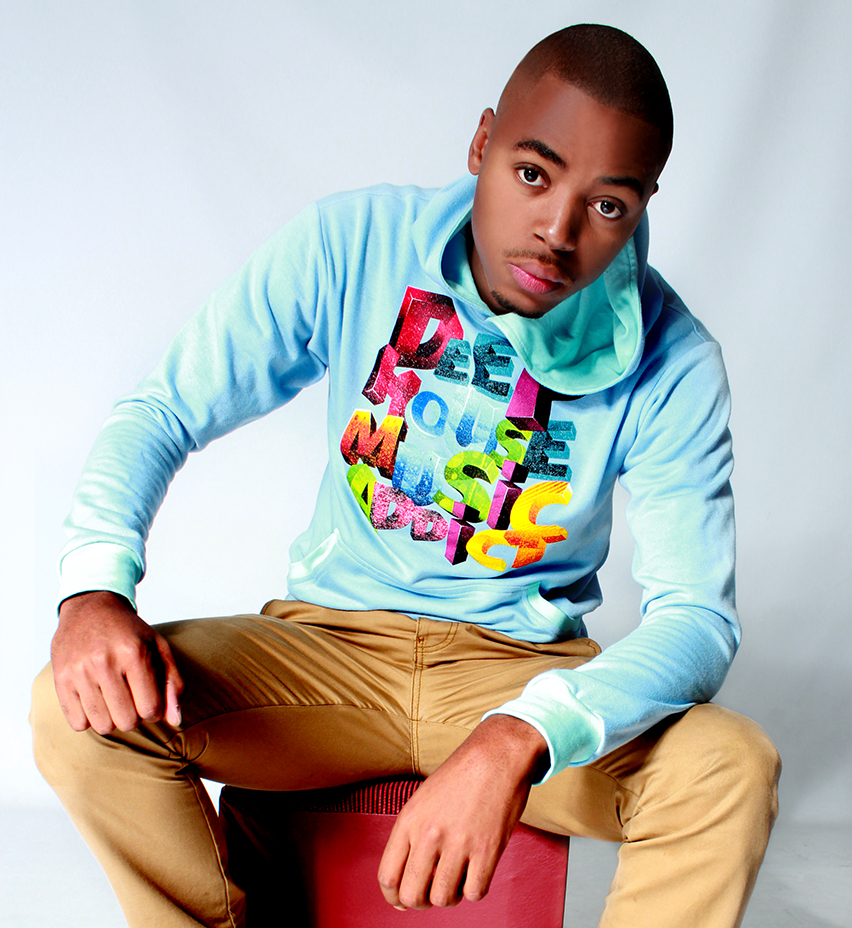
2013 June 18: New Brand For House Music Lovers

by Londeka Dlamini
Pule Mathonsi (28) from KwaMakhutha in Durban has launched a
new clothing label called Soulful-Star for house music fans, mostly
he designs t-shirts written about house music. He says he had an
idea about this brand two year ago because lot of brands are
targeting hip-hop fans most of the times so he wants to cater
for house fans as well.
This designer who is also a photographer and a video producer has
exhibited his paintings at the Durban Art Gallery and has won the
National Truworths Design A T-shirt Competition in 2010 and has
worked for a nuber of well known brands.

Samples of SoulfulStar clothing

Samples of SoulfulStar clothing

The Soulful-Star t-shirts are for both girls and boys who love house music. They are some Durban Deejays who are ambassadors of this brand.
“Now I have achieved introducing the brand in Durban so I feel it is time to implement
next plan which is to get the brand nation wide because its not just a Durban brand but
in order for it to grow it has to start here at home” says Pule.
He also states that he want his t-shirts to be sold in well known stores like Sportscene
because they have branches all over the country.
You can get these t-shirts in Durban at 320 Protea house office 513A and you get a free photo shoot or get them on facebook
www.facebook.com.SoulfulStar.

Portrait of the artist, Pule Mathonsi. Courtesy of the artist.

Portrait of the artist, Pule Mathonsi.
Courtesy of the artist.

Posted in Archived memories, Art Solidarity, As we are, Beauty, Before You, Collectivism, Evidence, Exposure, Expression, Fashion, Income generation, Londeka Dlamini, Media works, Portfolio, South Africa, Visual history, Visualizing public spaces, We Care, We Still Can with/out Resources | Tagged | 9 Comments

2013 June 22: Lesbians wed in the broad daylight

An article translated by Christie 

Two lesbians from Chesterville, Kwa Zulu- Natal tied the knot on Saturday the 15th June 2013, Ziningi Ndlela got married to Delisile Ncengwa, and they were married by Pastor Zinzi Zungu from the church they attend, the Victory Ministries Church International (VMCI). The queer community came out in crowds, dressed to kill in order to come and celebrate with Ndlela, who has been a member of the congregation for a long time, with Delile herself being a part of the church’s choir.

Both their families were part of the wedding, to the point that when the bride was being given over to the groom she was given over by her mother, who was also escorted into the church by her uncle. Delisile explained that the mother of her groom treated her as her own child; she did not see her as just a bride. All the speakers were advising the bride to be respectful at the home of the in-laws, especially to be respectful to her mother-in-law. In another scene, the bride’s side of the family were also very pro-active with the sisters of the bride singing beautifully, with glorious voices gracing the union.

This wedding was of a high calibre, the groom’s men were wearing designer suits and needless to say, the bride’s entourage never let their beautiful dresses touch the ground as the wedding took place outside the local Chesterville community hall, with the sun shining brightly complementing the delight of the service too. “I want this day to be a reminder to us, with these vows I promise that I will always be yours, I declare this in front of our family, friends and all who are present and even with the sun shining.” These were the words shared by Ndlela to his/her loved one. Bursts of ululations were expressed coming from the older women, with rounds of applause and whistling coming from the men; at this time the Pastor was concluding the ceremony ending off with

“I now pronounce you as life partners”.

The guests were waiting anxiously to hear what would be said when addressing the christening of the couple’s union, because traditionally at this stage ‘they should be addressed as man and wife’. The choir kept singing nice gospel songs with people standing up to move to the rhythms now and then, you would not ask what kind of people were getting married, as it was obvious that this was a Christian wedding. The bride also spoke a few words of gratitude, she stood up and brought the house down singing in praise even exclaiming that she is a child of God and she sings songs of praises at her church.

Both Ndlela and his/her wife made their families feel proud, their relatives, friends, their pastor as well as the congregation that they attend, in the fact that they never once mentioned that just because it is a same sex wedding, it would not be a blessed union. The simple fact is that this marriage is just the same as other unions, because it is about two people expressing love to each other.

Translated article

2013 June 16: Zishade libalele izitabane


Related article

2013 June 15: The Durban Lesbian Wedding of the Year

Previous by Christie

2013 April 11: Your kiss. Our touch. My Muse

and

2013 April 10: Another black lesbian activist has fallen

and

2012 Nov. 20: Mourning on commission

Posted in Evidence, Inkanyiso media, Love, Media works, Photo album, Records and histories, Relationships, Scriptures, Spirtitual activism, Translation, Visualizing public spaces, We Care, We Still Can with/out Resources, Writing is a Right | Tagged , | 4 Comments

2013 June 22: “Queer Art and Activism”

Skeive dager, Litteraturhuset 22.06.13

A presentation
by Ellen Mortensen

First of all, I want to thank the organizers of this seminar on “Queer Art and Activism”, FOKUS, SAIH, LLH and – Kunstplass 5, and especially Vibeke Hermanrud, for the invitation to take part in this seminar.

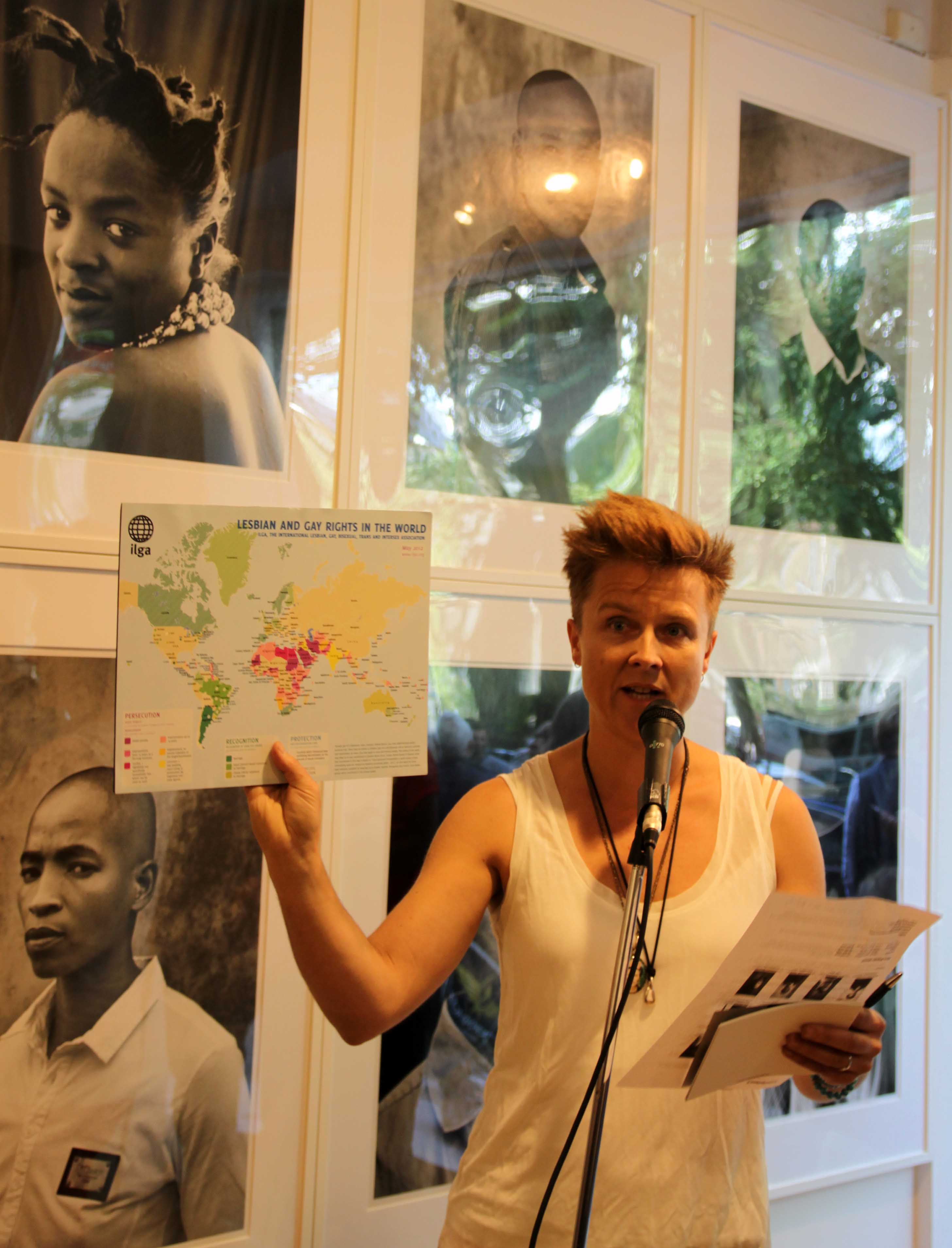
Ellen's reading her text at the beginning of the seminar. Photo by Maureen Velile Majola

Ellen’s reading her text at the beginning of the seminar.
Photo by Maureen Velile Majola

I am excited about the opportunity to dialogue with Zanele Muholi. Hopefully, this encounter between the two of us – a visual activist and an academic activist – may prove productive in our common aim, namely to instill and encourage political change.

audience_6214

Linn Cecilie Ulvin seated in front row

I should interject, however, that I am not an expert on visual art. In my research I have been interested in the relationship between aesthetic practices and activism, but my training is in literature, not in art. Like many of my fellow students in the 70’s and 80’s in Norway, we were actively engaged in leftist politics, the women’s liberation movement and in the gay liberation movement at the time. Working class struggles in Europe and at home as well as the Black liberation movement in the U.S. and the anti-apartheit movement in South Africa and the anti-coliónialt struggles around the world were important political causes for the leftists of my generation.

Being an open lesbian in the mid-seventies, I fought for recognition and a place within the women’s liberation movement in Norway. But we were often considered to be a liability and a threat to the women’s movement, which feared charges of being lesbian man-haters. Accepting lesbians in their midst made them vulnerable to such charges, heterosexual women argued. Accordingly, we felt the need to create our own lesbian-feminist organization. And in 1980, I was one of the initiators of Sapfo: Lesbian Front in Bergen.

At the time, I was a graduate student in American literature at the University of Bergen. Literature became for me a source of inspiration in my existential quest as a lesbian as well as a political activist. I therefore decided to write my master’s thesis on contemporary American lesbian-feminist fiction (Rita Mae Brown, Rubyfruit Jungle; Kate Millett’s Flying and Marge Piercy, The Hard Cost of Living). Ever since that time, I have tried to integrate my research interests with my own existential and political engagements, and most of my academic life has therefore been dedicated to the study of woman writers, feminist aesthetics, feminist philosophy and gender theory, all the while being a queer activist, both at the university and in society at large.

Through my studies and research, I have encountered a range of different approaches to the question of art and politics. In Marxist literary theory from the first decades of the 1900s, Georg Lukacs argues that realist fiction best manages to unveil the underlying class struggles that take place in the societies represented, whereas Bertholdt Brecht Continue reading

Posted in Allies, Archived memories, Art Solidarity, As we are, Before You, bifile og transpersoner/ The Norwegian LGBT (LLH), Collaborations, Community, Creating awareness, Education, Exposure, Forum for Women Development (FOKUS), Gender naming, Gender performance, Give credits where it is due, Homosexuality, Inkanyiso media, Institution, Intellectualism, Interpretation, Lack of Resources, Love, Media works, New Task Team, Norwegian Student and Academics International Assistance Fund (SAIH), Our lives in the picture, Power of the Voice, Readings, Records and histories, South Africa, Visual history is a Right not a luxury, We Care, We Still Can with/out Resources, Women who have sex with Women, Writing is a Right | Tagged , | 3 Comments

2013 June 21: Yesterday’s Reality Check

Breakfast dialogue:

Reality check: Understanding the lives of sexual minority women in South Africa.
Is lack of knowledge and misunderstandings causing sensationalism and victimhood in the media?

Each time we are represented by outsiders, we are merely seen as victims of rape and homophobia. Our lives are always sensationalized, rarely understood.

Zanele Muholi

faces99What does it mean to be female, lesbian and black in South Africa today?
How do we ensure a more accurate portrayal and how do we contribute to an increased understanding?

Friday 21. June
Time: 08:30 – 10:00
Venue: FOKUS “Verdensrommet” 4 etg., Storgt. 11, Oslo

The portrayal of African women and African lesbians by development organisations and media is often marked by sensationalism and victimization. Why are women and sexual minorities so rarely shown as active agents of change and persons with different positions and roles?

South African photographer Zanele Muholi counteracts victimization through visual activism.

Maureen Velile Majola Photo by Zanele Muholi (2012)

Maureen Velile Majola
Photo by Zanele Muholi (2012)

Together with fellow youth activist and poet Maureen Majola, Muholi will share her experiences and reflections on what it means to be female, lesbian and black in South Africa today.

One dilemma when using various media to create public attention is the appeal to emotions, use of stereotypes and simplification.
SAIH has contributed to the debate on this topic within the development sector in Norway and internationally. President of SAIH, Anja Bakken Riise, will share her reflections on how Norwegian organisations can contribute to a more accurate representation. Arne Backer Grønningsæter is a researcher at the renowned research foundation FAFO. His research focus is South Africa, Norway, sexual minorities and HIV/AIDS. Grønningsæter will share some reflections on the struggle for gay rights in South Africa and Norway.

In the panel: Visual activists Zanele Muholi and Maureen Majola from South Africa and www.inkanyiso.org, researcher Arne Backer Grønningsæter (FAFO), President of SAIH Anja Bakken Riise, www.saih.no State Secretary in the Ministry of Foreign Affairs Arvinn Gadgil.

Moderator: Gro Lindstad, Executive Director FOKUS www.fokuskvinner.no

Registration: gj@fokuskvinner.no /tlf. 23 01 03 00, by June 19.


Related articles
2013 June 21: The Princess of Norway pitched just for Muholi

and

http://www.kongehuset.no/nyhet.html?tid=116719&sek=26939

and

2013 June 20 Inkanyiso Sees The Rainbows with Norwegians


Previous articles by Maureen

2012 December 27: on 2012 LGBTI Recognition awards

Posted in Abantu, Activism, Another Approach Is Possible, Art Solidarity, Arts, As we are, Before You, Contributors, Crea(c)tive senses, Cultural activists, Evidence, Exposure, Feminism, Forum for Women Development (FOKUS), Inkanyiso media, Intellectualism, Landsforeningen for Lesbiske, Lesbian Love Is Possible in South Africa, Love, Maureen Velile Majola, Norwegian Student and Academics International Assistance Fund (SAIH), Visual history is a Right not a luxury, Visualizing public spaces, We Care, We Still Can with/out Resources, Women; Voices; Writings; Education; Traditions; Struggles; Cultures, Youth voices, Zanele Muholi | Tagged , , , , | 8 Comments

2013 June 21: The Princess of Norway pitched just for Muholi

by Maureen Velile Majola

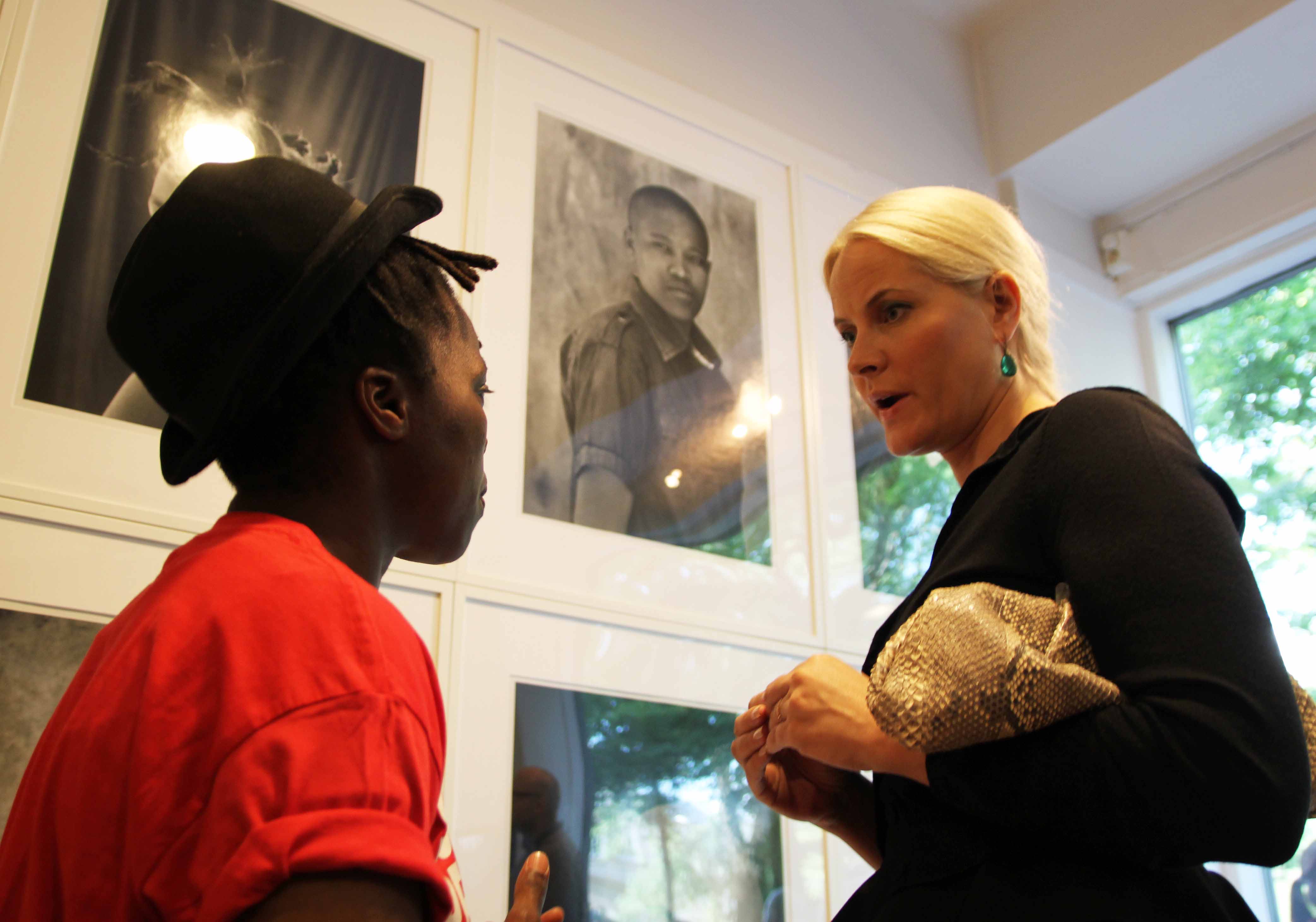
As we gathered at the Kunstplass 5 gallery waiting for the Crown Princess of Norway, Mette-Marit to arrive. The Princess made a special trip to the gallery just to meet Zanele Muholi and see the ‘I See Rainbows’ exhibition last night.

Muholi & the Princess.  Photo by Marna Eide

Muholi & the Princess.
Photo by Marna Eide

abantu_8740

About hundred spectators came for both Muholi and her Royal Highness, most gathered in/outside the gallery to meet the two phenomenal persons. Cameras were out hungry for a snapshot of the Princess together with Muholi.
As soon as she jumped out from the Royal Car every photographer together with me started taking snap shots of the beautiful woman before us.

Vibekke, the co-owner of Kunstplass 5 at the opening of I See Rainbows exhibition. Photo by Marna

Vibeke, the co-owner of Kunstplass 5 at the opening of I See Rainbows exhibition.
Photo by Marna Eide

Vibeke Hermanrud opened the exhibition and welcomed all the guests in the house. She then called Muholi to talk about her work.

Muholi then addressed the crowd of people and the Princess and spoke about lifetime project Faces and Phases (2006 – present). The black & white portraits of black lesbians and transgender persons from South Africa and beyond are also part of the South African Pavillion at the 2013 Venice Biennale, Italy.

Muholi urged the Princess of Norway to share and spread the news to other monarchs in the world especially in Africa that, “It is ok to be homosexual and African and the society should not be allergic towards LGBTI persons. Please let them know and convince the arcane of power because you have the privilege and power to do so”.

I had my own expectations of the Crowned Princess. Lucky me I managed  to put back my shoes right on time in just less than a minute before the Princess came in. If only I had known that she’s just a regular blonde with a banging body and great personality.
She actually made me realize how Crowned Princesses can use their power as a royal example to serve their communities, country and to influence others through their contributions in the social movements.

Part of the 2013 Oslo Pride activities continues till end of June.

i love oslo_5980


Related articles

http://www.kongehuset.no/nyhet.html?tid=116719&sek=26939

and

2013 June 20 Inkanyiso Sees The Rainbows with Norwegians


Previous articles by Maureen

2012 December 27: on 2012 LGBTI Recognition awards


Posted in Another Approach Is Possible, Art Solidarity, As we are, Before You, Celebrating Youth Month in SA, Collaborations, Collectivism, Community Mobilizing, Connections, Crea(c)tive senses, Creating awareness, Creative Writing, Cultural activists, Documentation; Filming; Photography; Community, Education, Exposure, Feminism, Forum for Women Development (FOKUS), Friendships, Give credits where it is due, Homosexuality, Inkanyiso crew, Inkanyiso media, Institution, Intellectualism, Interpretation, Lack of Resources, Love, Maureen Velile Majola, Media works, Norwegian Student and Academics International Assistance Fund (SAIH), Organizations, Our lives in the picture, Power of the Voice, Presentations, ReClaim Your Activism, Records and histories, South Africa, Visual history is a Right not a luxury, Visualizing public spaces, We Care, We Still Can with/out Resources, Writing is a Right, Youth voices, Zanele Muholi | Tagged , , , | 21 Comments

2013 June 20 Inkanyiso Sees The Rainbows with Norwegians

by Lesego Tlhwale

The Norwegian LGBTI community has been infiltrated by the most progressive queer media and visual activism organisation Inkanyiso Productions. From the  19 – 23 June 2013, Zanele Muholi and Maureen Majola will be representing Inkanyiso in Oslo at the I see Rainbows exhibition opened at Kuntplass 5, invited by Landsforeningen for Lesbiske, homofile, bifile og transpersoner/ The Norwegian LGBT organisation (LLH), in association with The Norwegian Student and Academics International Assistance Fund (SAIH) and, Forum for Women and Development (FOKUS).

Inkanyiso and Muholi are invited to come and showcase the work they do as well as participate in a couple of activities leading to the Annual Oslo Pride festival.

Muholi presenting Faces & Phases at the Kunstplass 5 on the 20th June 2013.  Photo by Marna of LLH

Muholi presenting Faces & Phases at the Kunstplass 5 on the 20th June 2013.
Photo by Marna Eide of LLH

L - R: The three (3) presidents of member organisations who invited Inkanyiso.  Gro Lindstad (FOKUS); Anja Riise (SAIH) and Baard Nylund (LLH)

L – R: The three (3) presidents of member organisations who invited Inkanyiso.
Gro Lindstad (FOKUS); Anja Riise (SAIH) and Baard Nylund (LLH)

Muholi is the main exhibitor in the I See Rainbows exhibition and she will be showing the Faces and Phases series. The exhibition includes a number of lesbians, gays and trans-artists from Norway, Russia, South Africa and other. The exhibition will be showing an image of the historical fight for gay rights and current portrayals of lesbians, gay and transgendered people.

Furthermore, the two will take part in two seminars. The first seminar on the 21 June 2013 is a discussion around methods for communication, representation and activism targeting information and development organisations. The team will be sharing Inkanyiso’s experience and analysis on how to avoid sensationalism and create spaces for multiple voices. A fitting discussion for them, as Inkanyiso through its blog has managed to create a space were black lesbians can have their stories told in a way they want to read them.

The second seminar titled Queer Art and Activism on the 22 June 2013, Muholi will be the main speaker and the seminar will be a dialogue between queer artists and academics from Norway and South Africa looking at how art can be used for activist, information and advocacy.

Majola will also be part of showing perspectives (art activism – queer poetics) around the issues from her experience as part of the Inkanyiso in South Africa.

The trip to Oslo is part of Inkanyiso’s international solidarity initiative and inter-generational knowledge exchange. Inkanyiso’s short-term goal is to ensure that all its members (a collective of ten black lesbians) travel abroad to learn and work in international spaces. Also to document and disseminate information with the broader community.

The next international stop for Inkanyiso will be in Antwerp, Belgium where the crew will be documenting the World Outgames III.

Previous by Lesego

2013 June 5: Lesego sharing the work of Inkanyiso at the LGBT conference in Salzburg, AUSTRIA

and
2013 May 18: After Mask … Hear Us Out


and
2013 May 15: SA Task Team representatives fail the LGBTI community

and

2013 April 28: Bleak freedom for black lesbians in South Africa

and

2013 April 12: Bros B4 Ho’s at the OIA film festival opening

and

2013 March 24: Recognition of LGBTI Activist should be a culture

and

2013 March 16: Dangerous love


and

2013 Feb. 12: A dildo is not a man; it’s a fantastic toy…


and

2013 Mar.1: Definitely NOT “Gaysbian”

Posted in Another Approach Is Possible, Archived memories, Art Activism in South Africa, Art Solidarity, bifile og transpersoner/ The Norwegian LGBT (LLH), Celebrating Youth Month in SA, Community, Community Mobilizing, Connections, Crea(c)tive senses, Evidence, Expression, Feminist Art, Forum for Women Development (FOKUS), Inkanyiso media, Media works, Norwegian Student and Academics International Assistance Fund (SAIH), Oslo, Our lives in the picture, Power of the Voice, ReClaim Your Activism, revolution | Tagged , | 14 Comments