2013 July 9: “A struggling artist”

by Andiswa Dlamini

Sitting on a chair, with the spotlight on me,
ambient music softly playing in the background,

the music stops as soon as I start to speak.

Hi.

I am an artist

And you know you can’t always say that when you introduce yourself to people so I’ll

Re-introduce myself

Hi.

I am a writer, sounds much better huh?

Or rather should I say I’m a copywriter

Re-introduction

Hi,

 My name is Andiswa Dlamini

I am an artist that loves to write and I have a degree in Copywriting it’s that simple really

and I will tell you my story because you want to know

In grade 2 I fell off the tree

And that memory will always be seen because

I have an upside down small letter E for a scar under my chin

I have two sisters

They are both yellow bones

I started to write my feelings down at a very young age

I’ll skip a couple of years

Basically I came out and I was already standing on stages wanting to be heard

It’s a bummer no-body ever told me

I’d struggle one day

Oh, my bad you should have told me

you wanted to know about me, now.

You should have said so in the beginning

Well right now, I am artist but for some reason

Every time I perform or write a something I don’t get paid so

I guess you can say I am a struggling artist

Cause I’m struggling every day to get my story out because

I imagine it on stage, with good lighting and stuff

I’m not trying to have the speakers bust once I say my first opening line which is the most important of course…

I imagine a full theatre with eyes that will be intrigued, hanging onto my every word like it were the last thing they will ever get to listen to but of course right now I’m struggling because the truth is my pockets are not deep and I will let all my dreams perform in the center stage of my mind.

I want to be heard, I want my work to be seen

Leave a legacy like Audre Lorde because she once said; “your silence will not protect you”

So I will roar and I will be loud

You will hear the roots of my passion speak about the world I see beyond these parallel limitations of life.

“I have come to believe over and over again that what is most important to me must be spoken, made verbal and shared, even at risk of having it bruised or misunderstood.”

I wish wrote these words but Ms Audre Lorde, we should give her a round of applause has inspired the mind once again so listen

Mina

I believe that I write to feed my soul

I write to make you see, I want you to feel, comment

I want to feed you with my thoughts

I want poetry to be the platform where my opinion speaks

Of issues that affect my direction or our direction

A poet activist in the making

So roll that camera because I will not stop I will push every wall until someone decides to give me the space to speak my words because I write for life.

I cannot kick around a ball and that is not the only way we can get our country to listen

This country needs to be told, needs to be shown that lesbians are humans with voices

And women can speak loudly

Give me the time, give me the space and you will not only be entertained but informed about what my eyes see, what my ears hear, what my nose smells and the things that I have felt.

I speak with my mind, body and soul.

Zanele Muholi once said; “she cannot give up herself and her soul simply because she needs some exposure”.

And I stand by her statement because although I want to expose my work to the world I will not bend myself to fit the social restrains of this world, I will not squeeze myself to fit the limitations of this parallel life.

Because my voice tells a story that is not only mine, it speaks of a life that we live, a sunrise that we fear because every day the lyrics I hear are frightening. There’s a reason why I look back when I walk because he said he wanted to change me. There’s a reason why I write, a reason why these words are written.

Spotlight switches off.

Previous by Andiswa

2013 July 3: Another fucked up case

and

2013 June 4: emotional confusion of a break-up

and

2013 May 16: Sex

and

2013 May 3: I resent you

and

2013 Feb. 10: Parts

Posted in Another Approach Is Possible, Art Activism in South Africa, Crea(c)tive senses, Power of the Voice, We Are You, We Care, Writing is a Right, Youth voices | Tagged | 1 Comment

2013 July 9: Living in and loving the lesbian boarding house in Hillbrow

by Collen Mfazwe

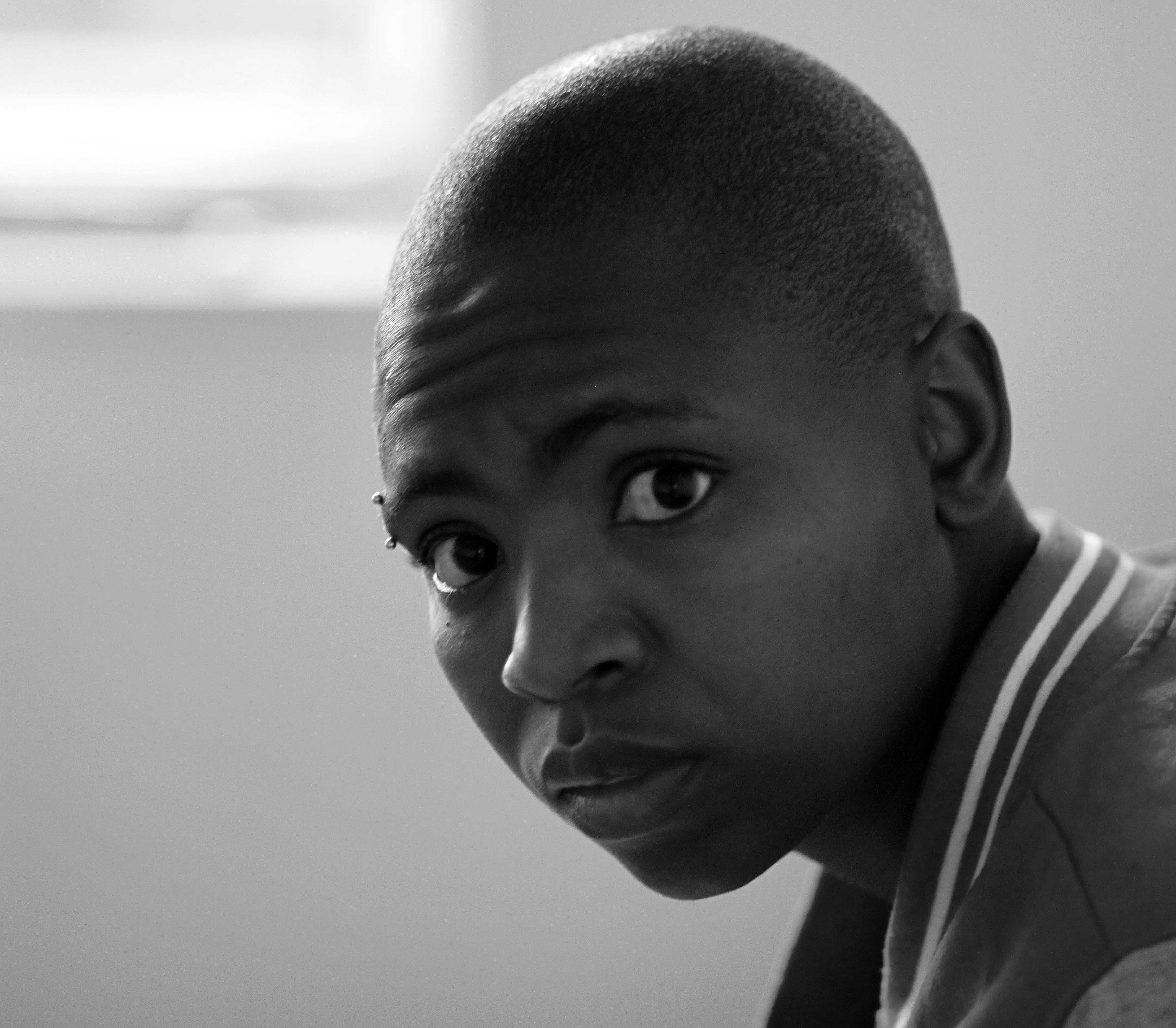
Collen Mfazwe's portrait  by Zanele Muholi (2013/05/18

Collen Mfazwe’s portrait by Zanele Muholi (2013/05/18)

They say blood is thicker than water but blood doesn’t make a family, love does. I say this because I am living testimony that this statement is true. I want to tell you about my family, not the family that I was born into but the family that I live with. We are not related by blood but we are related by love and pure passion to succeed in changing the world. We are called the Inkanyiso collective.

Room ### can be best described as a room full of love. There is so much joy and peace. It’s a small haven that our ‘blended’ family has constructed. We always have each other’s back and are always there for each other. Not forgetting that we have our own conflicts at times but have to resolve at the end of the day if not the week. It may sound simplistic, but we are always taking care of one another. Our belongings are everybody’s – – except women of course!

While Room ### is a home to us, an outsider may think that it is akin to a lesbian shelter or boarding school. There are about 10 of us living there at any given time, sometimes more. Through all this, I love about this is that there is mutual understanding and respect amongst us.

Without bordering on the unreal and sounding like we are in some sort of a utopia, I want to point out that we do bicker, just like any normal family out there. We make mistakes, we cry, we laugh a lot and most of all we document our lives and surroundings. We drive Zanele Muholi crazy most of the times. S/he is the head of ‘the class’.

What I like about my new family is that we all come from different backgrounds but we all envision one thing, success. We may all be different, beautiful and intelligent in our own ways but our end goal is the common goal of being productive and successful beings. Sometimes it seems unrealistic like some movie scene, but this is not a script.

Zandile, our kitchen manager preparing breakfast.  Photo by Collen

Zandile, our kitchen manager preparing breakfast.
Photo by Collen

One of the occupants, Zandile Makhubu says “ ### is a shelter for all, a place for intellectuals” and continues to say that it is her second home. “I’ve struck a bond with people who reside there. I’ve learnt a lot, I’ve learnt how to tell a story through photography, art and writing” she expresses.

Maureen Velile Majola supports Zandile’s statement and adds “it’s where we feel comfortable enough to show off our bodies and not be judged. It’s where one has sisters and brothers that care deeply for them and it’s where everything in the world doesn’t really matter, we laugh as hard and work as hard. That’s ### ” she says.

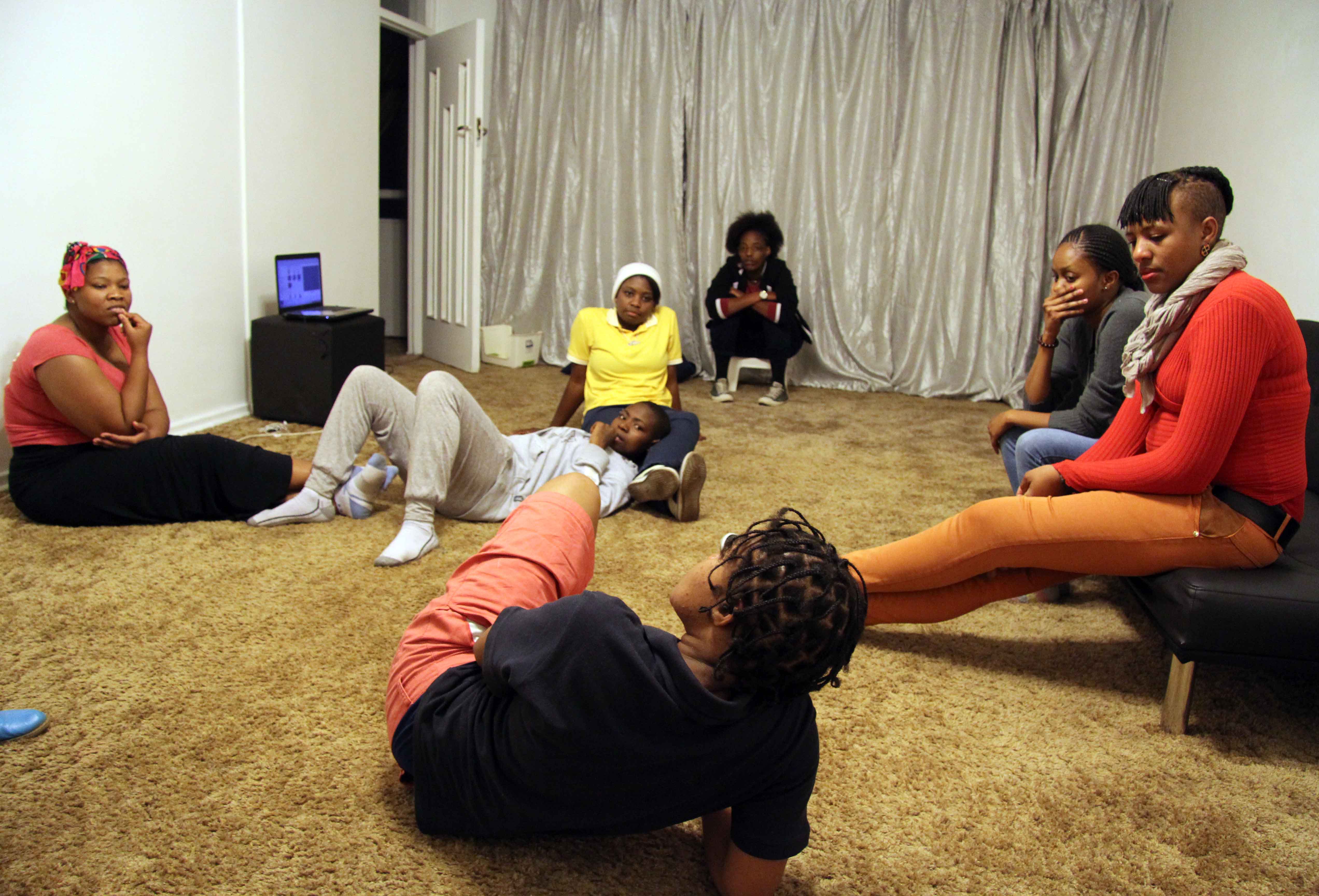
Crew brainstorming on lesbian health matters and our well being

Crew brainstorming on lesbian health matters and our well being

Everyone is a peer and we are all equal. We all sleep on the floor, and it bonds us as it is an odd but enjoyable endeavour. We don’t have a fridge to keep our food fresh and. We do not have any income or funding for some of the projects we do but we survive. Thanks to Muholi, the head of this commune, whose been the main source for the collective needs for now, a friend to the other, a father to one who never knew one and a great mentor to all of us. S/he has an amazing spirit and a giving heart. Muholi says, “ I have been embraced by many generous souls which is why it is my principle to transfer knowledge and resources to those immediate beings around me, especially individuals who are contributing into my photography.”

Even though we have the above mentioned challenges, we never go to bed hungry. We have all the equipment we need to get our work done. We contribute the little that we have to get some supplies, but most of the time Muholi ensures that we are fed. S/he also ensures that we are caught up on current affairs and that we are getting the necessary education that we may need to get ahead.

“I can never begin to express the joy, the peace and the love that this family has breathed into my heart”, Kopano Sibeko says. She explains that there is nothing as beautiful as doing what you love and living with people that understand you. “All I can say is nothing makes sense without the Inkanyiso crew anymore” she muses.

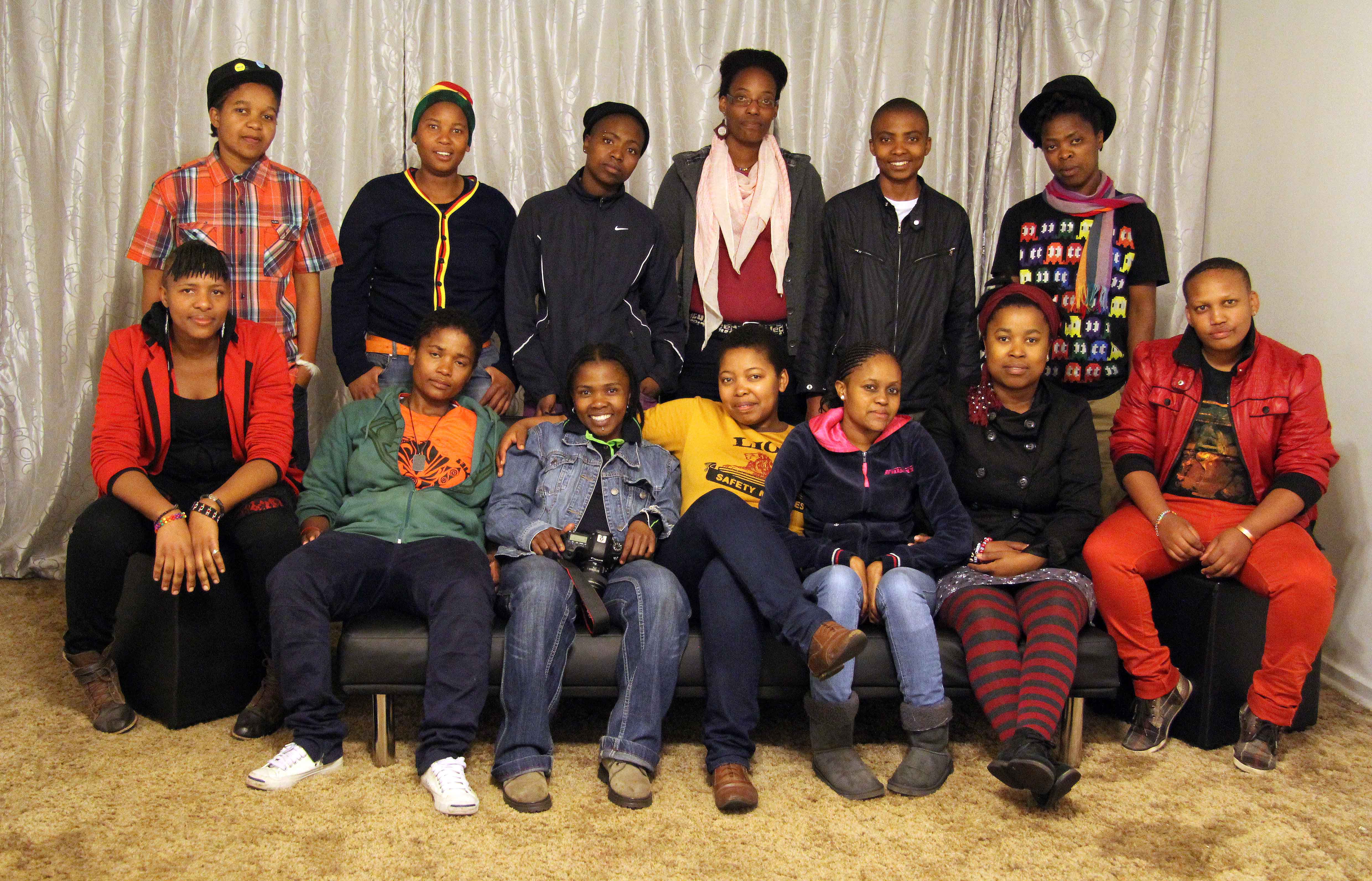
Inkanyiso crew members and friends. Almost all the individuals in this picture have contributed their time and work to the collective.

Inkanyiso crew members and friends. Almost all the individuals in this photo have contributed their time and work to the collective. This is our new generation of black lesbian youth, professional with brains… let alone beauty

Previous by Collen

2013 June 6: Dangerous is not the Young Black Men in Daveyton

and

2013 May 19: There’s beauty in aging

and

2013 April 17: Collen’s black & white album


Posted in Another Approach Is Possible, Archived memories, Art Activism in South Africa, As we are, Beauty, Before You, Black Lesbians, Inkanyiso crew, Interpretation, Johannesburg, Photo album, Portrait, Power of the Voice, Professional black lesbians in South Africa, Readings, ReClaim Your Activism, Records and histories, Relationships, revolution, South Africa, Translation, Visual history is a Right not a luxury, We Are You, We Care, We Still Can with/out Resources, Youth voices | 9 Comments

2013 June 29: Femininity in the lesbian community is stigmatized

by Kopano Sibeko

According to the most feminine lesbians, coming out as a lesbian is never easy because, ‘Fem lesbians’ as titled are frequently questioned about their sexuality because of the way they present themselves. It has become rather a dubious thing that only masculine lesbians are really considered real lesbians or as being sure of themselves.

Femininity is defined as the fact of being a woman or the qualities that are considered to be typical women. In the lesbian community the term “Femme” is used often, it is used to describe the more feminine woman in the relationship. However it is unfortunate that most feminine lesbians are not taken seriously either by their partners or the society at large.

When I spoke to Baitiri Lumka Seleka about coming out to her family and how society views her as a feminine lesbian, she expresses that “ coming out was the hardest thing I had to do because even when my family questioned my sexuality, they were not anticipating that I would tell them I was gay”. She also explains that being a feminine lesbian is fine because she hasn’t noticed any animosity or drawn unwanted attention considering the hate crimes that are mounting up.

Seleka also utters that “I don’t think that they (society) take me seriously because most responses I get are “you don’t look lesbian”. She further adds that only her close friends and family take her seriously and they know that she’s genuine and it’s not a ‘phase ‘she’s going through.

Thandeka Sibeko a member of Flamboyant, a student organization at TUT, told me that she feels that femininity in the lesbian world is stigmatized. “We are often labelled as the messed up ones in the community” she says. She also expresses that even though she’s come out to most of her friends but they still don’t take her seriously they think eventually she’ll out grow it. “I am even terrified to utter this to my parents because I fear being judged and told am confused because I don’t conform to the ‘justified’ lesbian look.” she added.

Sibeko also confirms that dealing with the need to be accepted is hard enough and now being second guessed by my fellow “friends” is another.

“We lesbians focus more on things that break each other down as compared to things that offer support. If we stood together whether I am bisexual or full on lesbian I still fall under the LGBTI acronym” she said.

Hloxx Mooki, butch lesbian says “I take fem women seriously, but not all of them. It’s hard to take most them seriously because of the way they usually carry themselves in public”. She also states that most of them often say they’re tired of men and they want to try lesbians and that for her is not genuine.

“I for one have been tired of women but I have never thought of dating man so what does that say about them?” she added. Mooki admits that it’s hard for society to take them serious because they already have a picture of what a lesbian should look like.

Previous by Kopano

2013 June 25: The other woman…

and

2013 June 24: Our deepest fear is that we are powerful

and

2013 June 3: The Strength of Love and Acceptance

and

2013 June 4: I was not Her

and

2013 May 11: Actually, absolutely, definitely NO!

and

2013 April 21: Living a legacy is always better than leaving a legacy

and

2013 April 23: Intraview II

Posted in Power of the Voice, ReClaim Your Activism, Relationships, South Africa, Writing is a Right, Youth voices | Tagged | 4 Comments

2013 July 7: Trouble Soul

by Maureen Velile Majola
drafted on 24.03.2013

Today I was looking at my pictures from my childhood. I realised how much I’ve changed and how I remained the same.

I saw a lot of pictures of me that I don’t have a memory of besides what my family tells me about myself.

Being a young girl in a household full of people was never easy. I had a lot of personal issues that made me a stubborn child that did what she wanted when she saw fit. At some point in my childhood I was a very bitter young girl who hated life and everything it offered.

There was a time when I was still in primary school when I used to cut myself, yes I mean cut my wrists with a blade and blood coming out, then letting it heal on its own. No one knows about this but I did this so many times that it became a part of me.

I started being suicidal, mind you nothing hectic was happening in my life. I was not molested or sexually abused at any point in my life. There was a constant need to die, I couldn’t control it, I didn’t want to control it because I understood that Velile HAS to die. In my head that awful music sounded so soothing and relaxing that nothing mattered to me but to slit my wrist and maybe die.

At the age of 12/13 I stopped doing this because I wasn’t dying like I needed to so I thought of a different plan. My grandmother had a lot of pills that she got from the clinic and I knew just where to find them.

One afternoon when I came home from school I found that there was no one at home. This was a perfect opportunity for me to try the pills. I went straight to my grandma’s bedroom and got the pills, took them to the bathroom and started swallowing them one by one. I don’t know how many I took but it was surely not enough since I’m writing this today.

Right after taking my beautiful pills that were going to kill me like I needed to, thoughts raced through my mind, wondering if I took enough pills or if I was really going to die this time around. I wondered if finally everyone would be free of me. I finally took a long nap only to be woken up by my grandma to ask if I was ok since it was unlike me to be sleeping during the day. I was so angry at myself, I hated that I didn’t die; I wanted to wake up only to watch my body lay there to rest. Waking up to my grandma’s face was not part of the plan. My needs were not satisfied I really needed to die and free my soul from me.

I was a troubled young soul who just needed to die that’s all. I started taking pills, trying to take my life but nothing ever happened to me. I mean I never even got sick from it. A lot of people will not believe this as they see me as this young strong woman with a bright future. But I tell you today this young happy woman has tried taking her life so many times she has lost count. I sit here writing this and I wonder, Why?
Why did I always have the need to do this?
Why would I want die?
It all just doesn’t make sense to me.

My body mind and soul needed a place to belong, a place to feel safe, somewhere I can call home, not that I didn’t have a roof over my head but I needed to feel like I was home. I remember how I would sit in the only place I felt safe in the house and I’d wonder how everyone’s lives would be without me. I imagined a free life, a happy life where everyone was happy without me. I saw a perfect life for everyone around me. That picture just seemed perfect as I knew no one would miss me but my beautiful mother. I am known for sitting in the bathroom for over 30minutes. Thinking about my life, how depressing it is to live and plan my next attempt to take my life. I sit there at times to write my poetry and read books; I create my own perfect life where only I exist. Everyone thinks I just love doing the number one and two. Well the bathroom is the only place in the house that I feel like I belong, it’s where my soul is at peace and I make sense of my senseless life.

My family means so much to me yet I don’t belong. I’ve always been different, the weird one, the crazy one that they all don’t understand and the rude kid. Well this is all true and I’ve always known that most of my kin don’t like me at all they just tolerate me. It doesn’t matter to me, I’ve come to understand that not everyone will love me or even care about me and my feelings. A lot of you who have known me forever will be shocked by this but this is the authentic ME, the young woman who hides behind bravery.

My soul is still searching, searching for a place to belong. I’m a troubled girl, who’s soul searching, trying to find herself and understand the people around her.


Previous by Maureen Velile


2013 June 21: The Princess of Norway pitched just for Muholi

and

2013 June 4: My Only Man

and

2013 May 16: Don’t touch ME!

and

2012 March 20: There’s a strawberry garden between your legs


Posted in Creative Writing, Expression, Family support, Hope, Power of the Voice, Records and histories, Relationships, South Africa, Visual history, We Are You, We Care, We Still Can with/out Resources, Writing is a Right | Tagged , , , , , , , , , | 7 Comments

2013 July 7: Muholi transition with virgins

2013 July 7:  Muholi transition with virgins

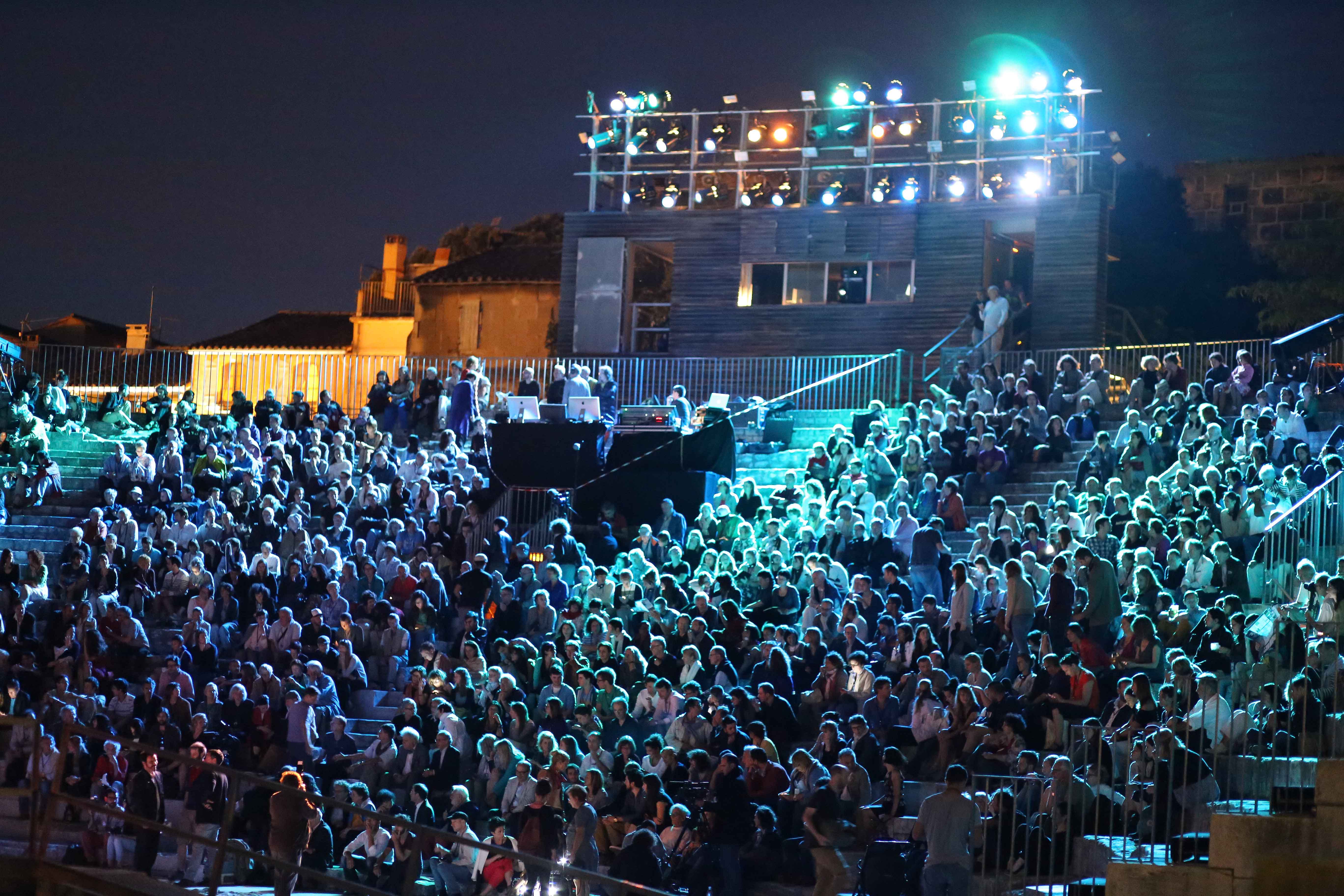
Izintombi zaseMpumalanga taken at the 2012 Zulu Reed Dance,
this is one of the photos on Transition exhibition by Zanele Muholi.

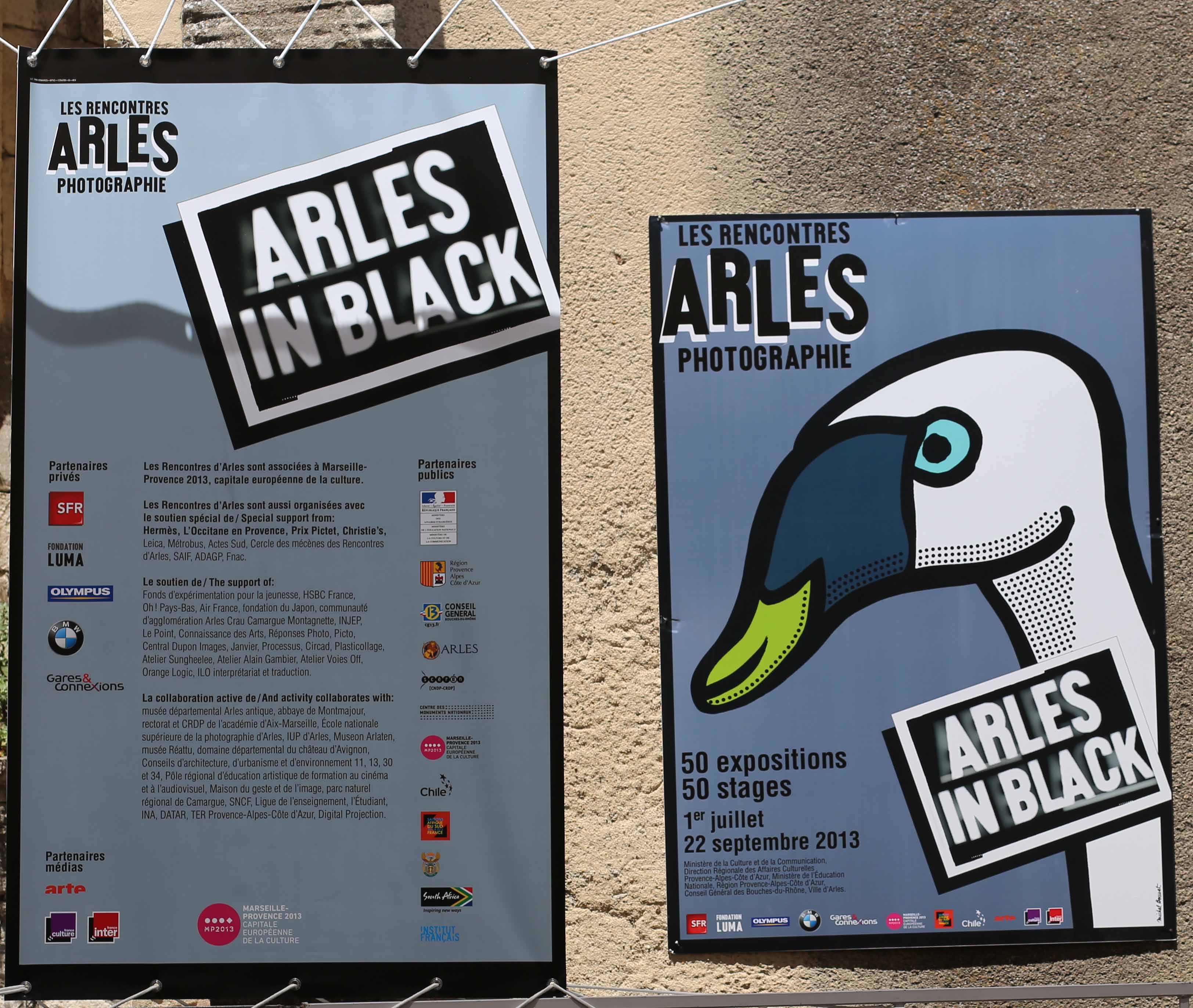
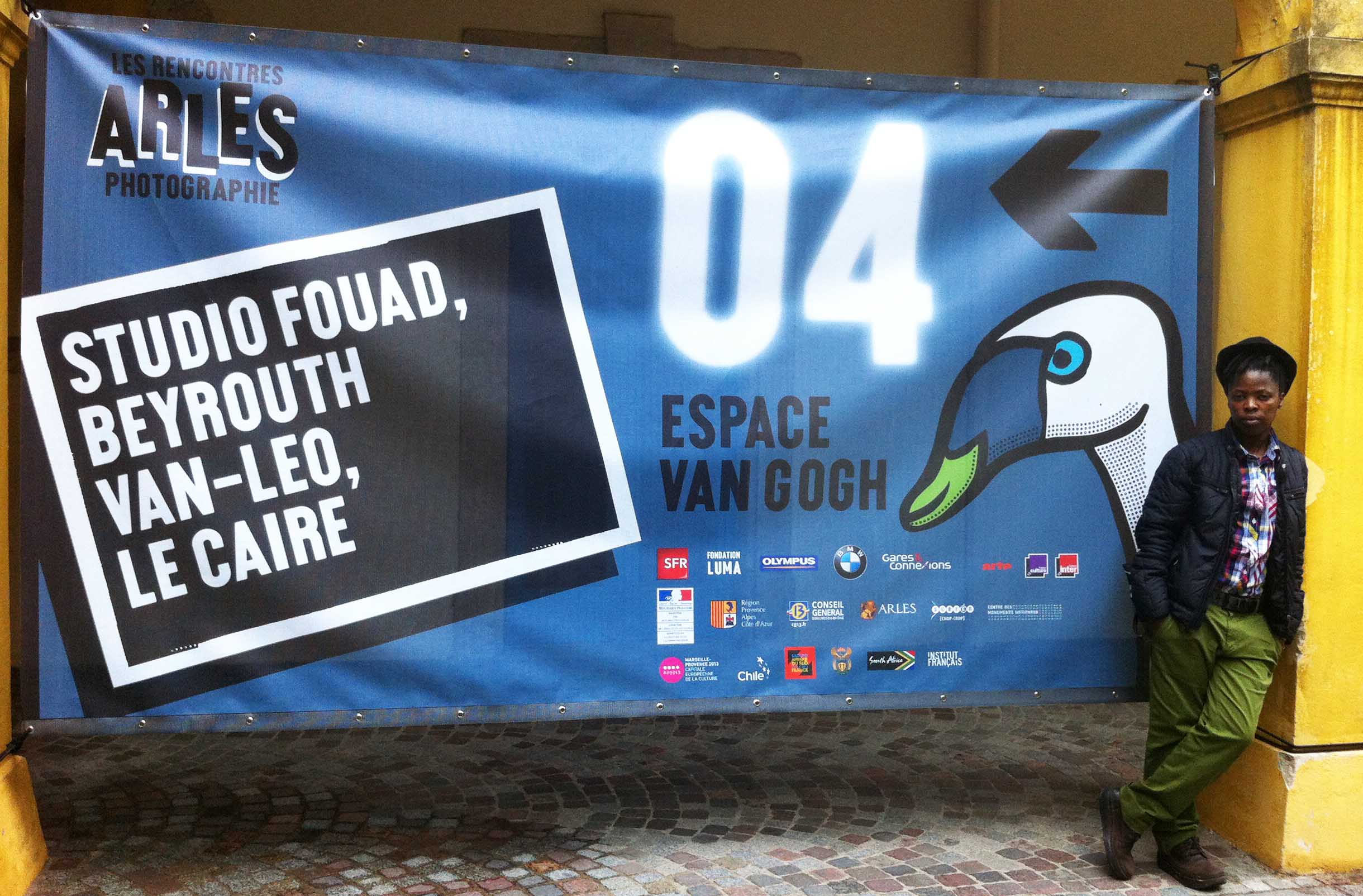
What:  Arles in Black

Location: Arles, France

Source:  On Social Landscape

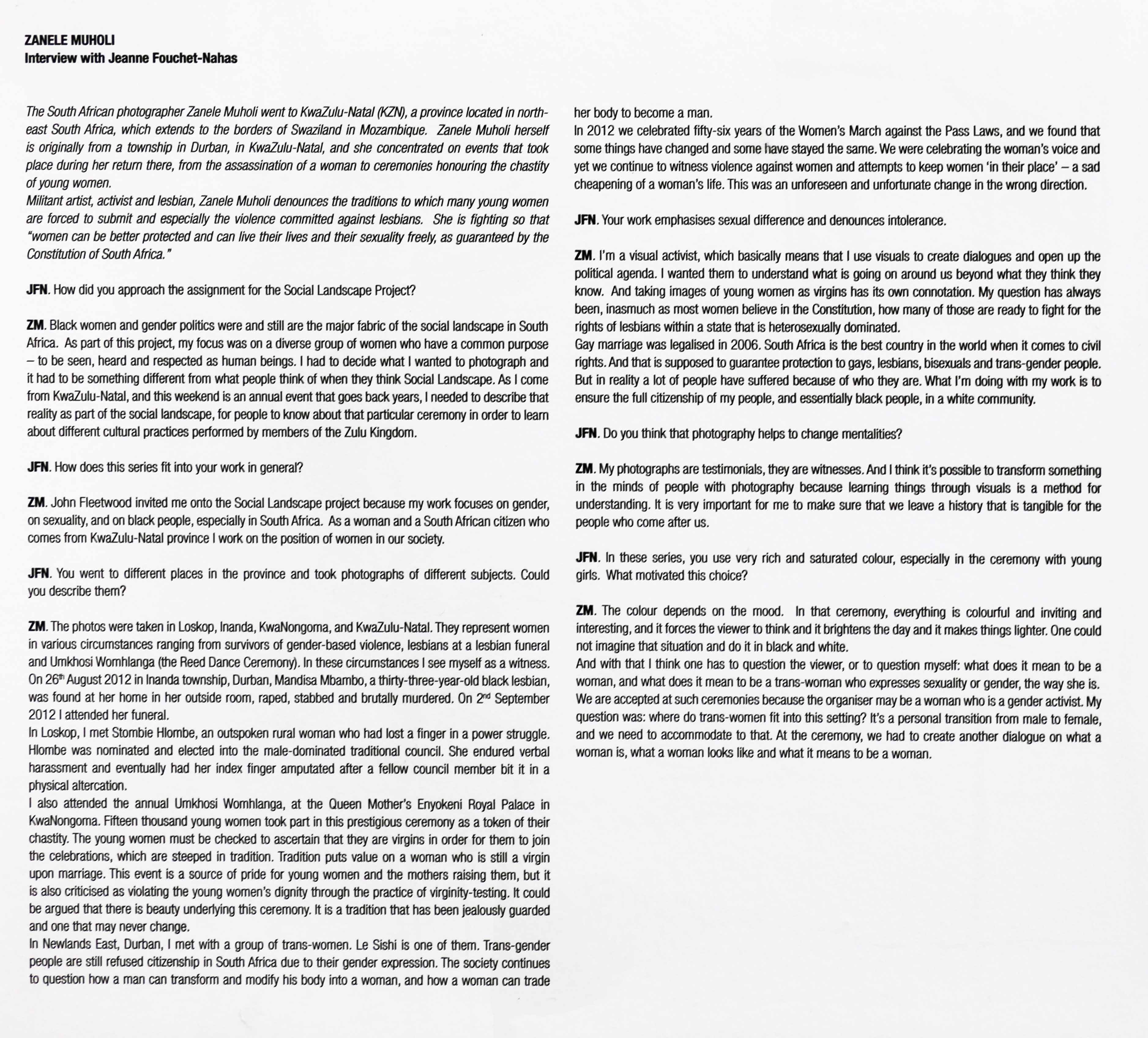
Market Photo Workshop is collaborating with Les Rencontres d’Arles for the France – South Africa Seasons 2012 & 2013. Under the curation and auspices of internationally recognised Director of Les Rencontres d’Arles François Hébel with Head of the Market Photo Workshop John Fleetwood, The Social Landscape project investigates ideas around land and the role that photography continues to play in the representation and re-imagining of land.

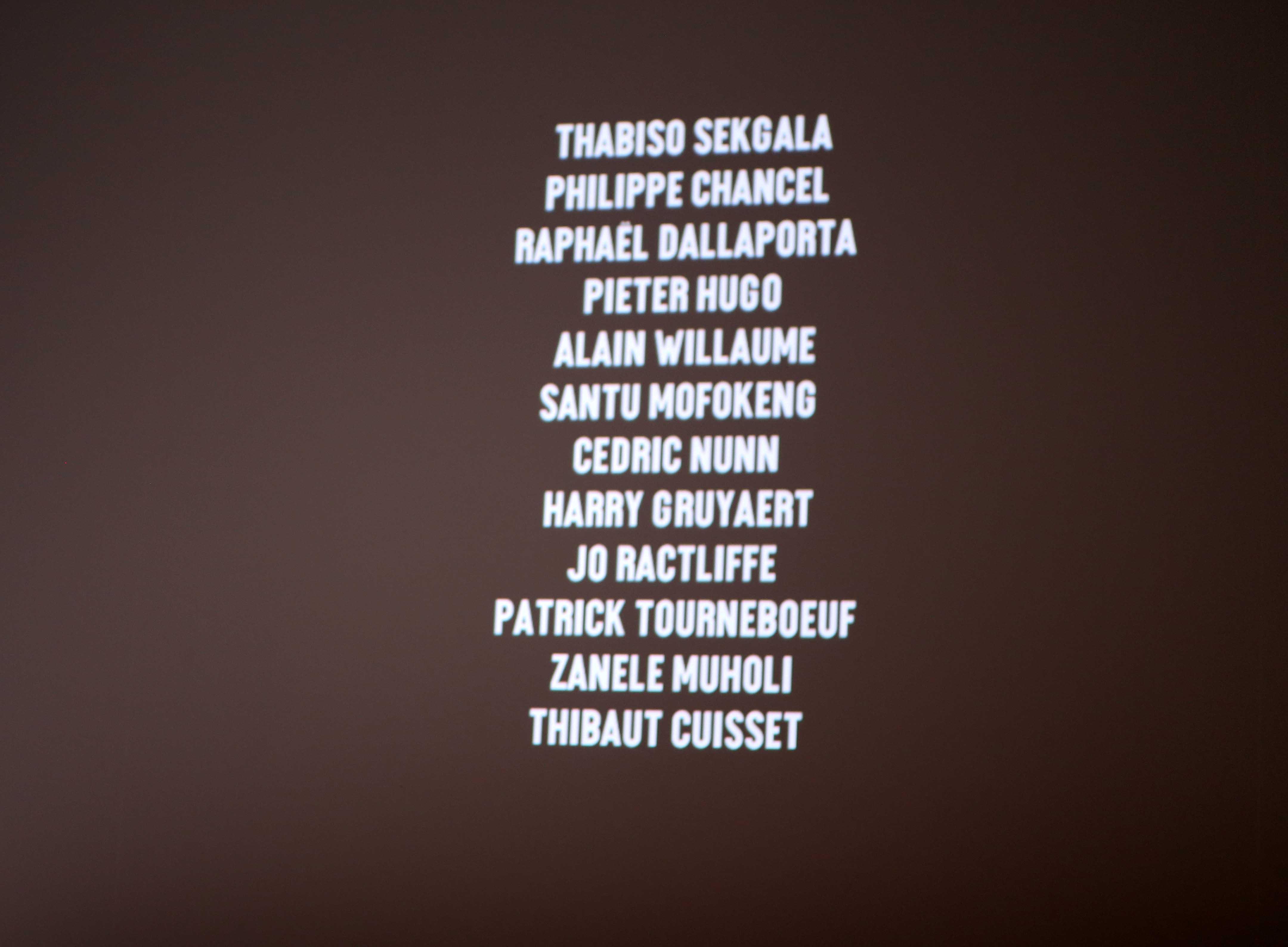
The project cites the work of 6 prominent South African photographers (Santu Mofokeng, Zanele Muholi, Pieter Hugo, Jo Ractliffe, Cedric Nunn and Thabiso Sekgala) who have worked alongside 6 acclaimed French photographers (Patrick Tourneboeuf, Raphaël Dallaporta, Alain Willaume, Thibaut Cuisset, Philippe Chancel and Harry Gruyaert (Belgian resident in France)) to develop separate bodies of work that will speak to a land experience unique to various sites in and around South Africa.

The project is an engagement with South African land and the people who live on it. It questions socio-political contexts and engages photographically with various held, socio-historical and disseminated ideas around land. The process of the project itself has shed much light on popular held views on landscape, charting questions of belonging and viability of place for all. Through the trips each photographer took to certain locations in South Africa and the invitation to the public to submit their own photographs of their own land, land is re- introduced into public discourse not only in its historic capacity but also in the moment of photography itself.

For more on this project click here

izintombi_7051

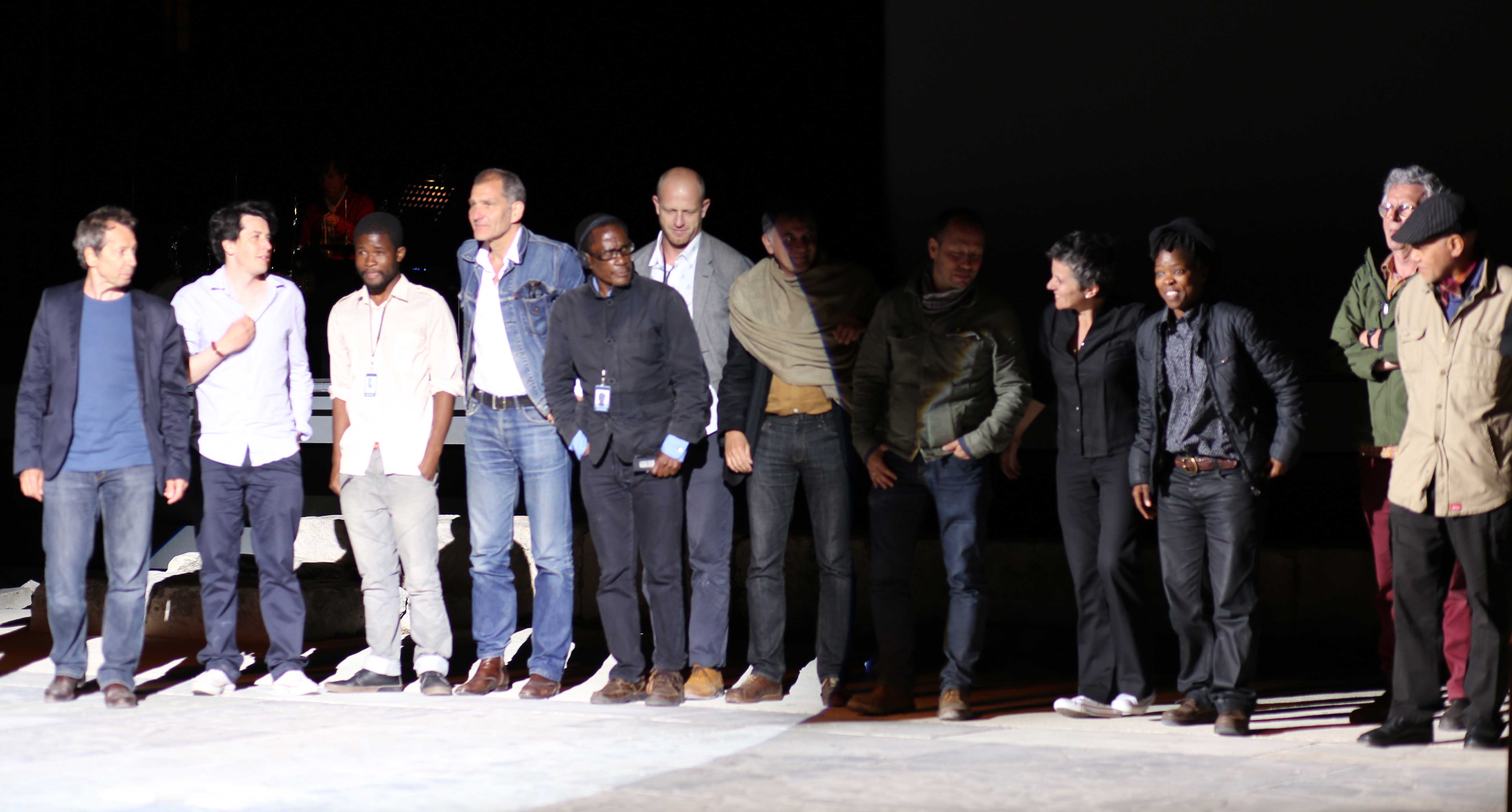
Featuring in Transition exhibition are:

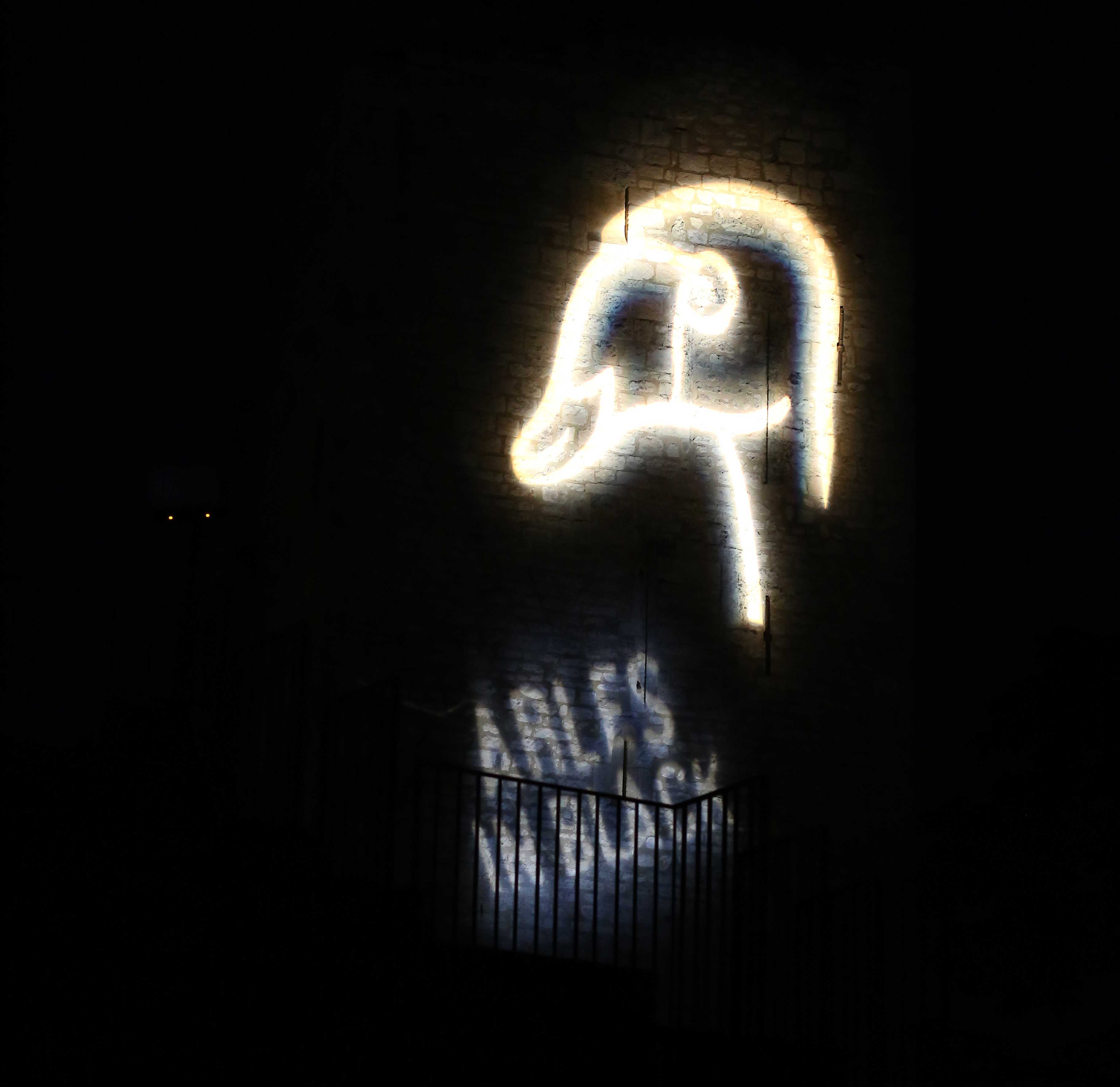
Arles in Black logo_6696

arles logo_6970

john & santu_6881

participants_6827

Transition participants_6947

ZMuholi pressie_6916

Transition interview_7054

Arles in Black audience_6690

muholi s title_7053

muholi @ van gogh espace_2866

Photos by Valerie Thomas & Zanele Muholi, Arles. FRANCE (2013)

Photographers’ interviews and quotes from presentations to follow on a separate note.

Posted in Beauty, Before You, Body Politics, Community, French-South Season, Photo album, Portrait, Power of the Voice, Presentations | Tagged | 5 Comments

2013 July 5: Photos taken after Duduzile Zozo’s memorial

2013 July 5:   Photos taken after Duduzile Zozo memorial

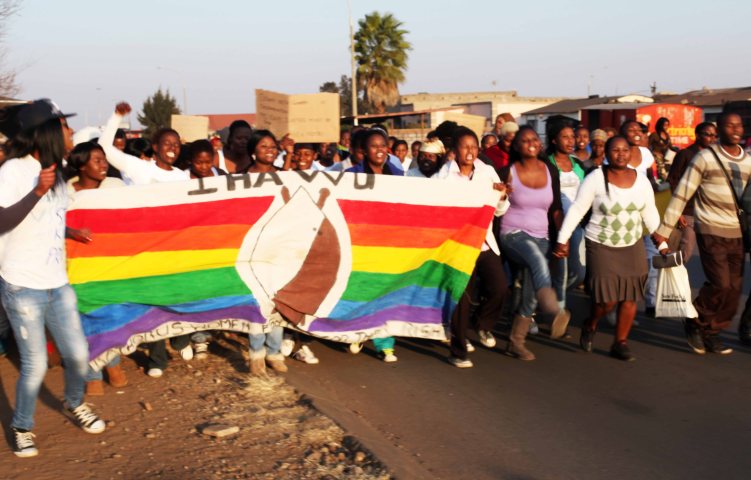
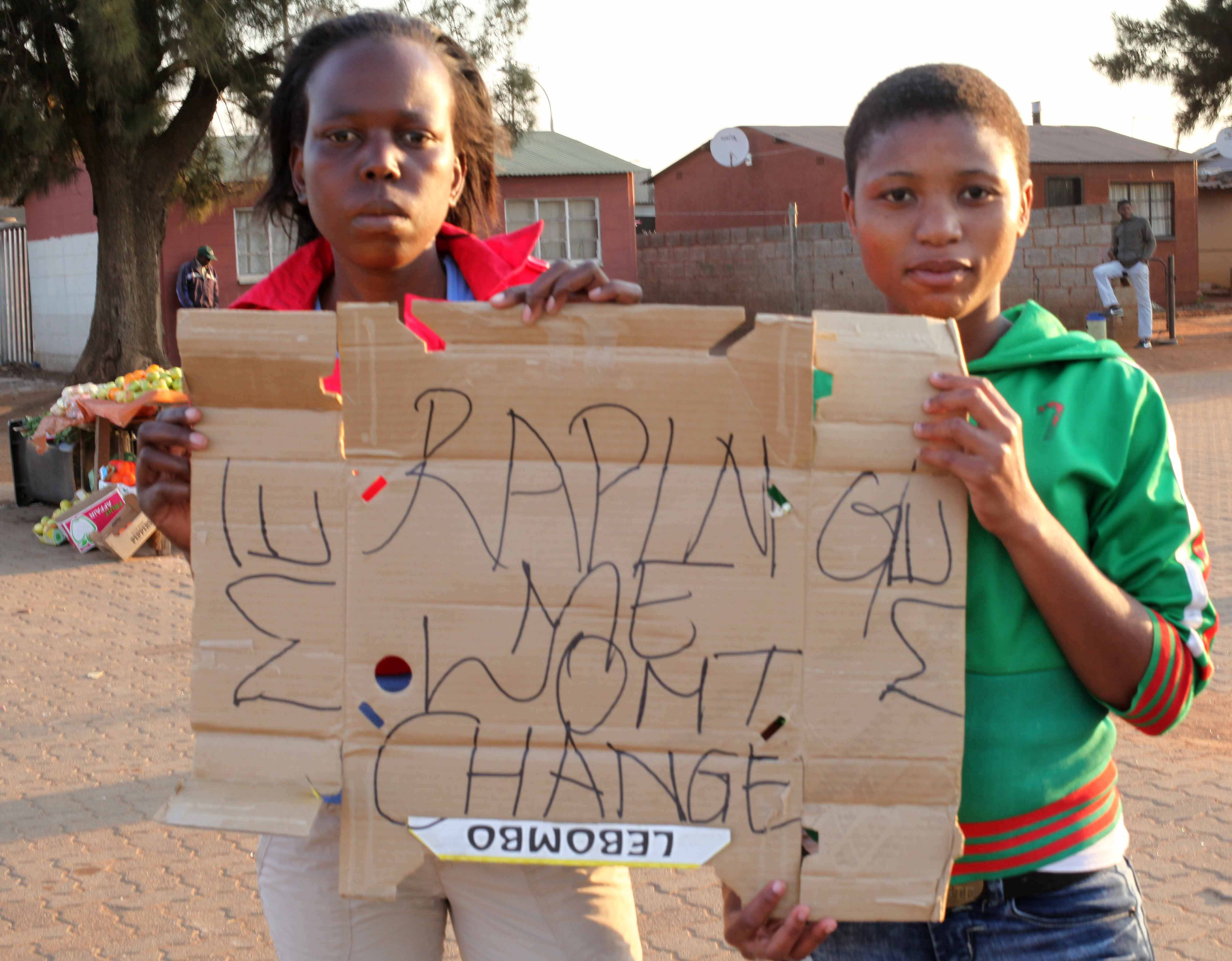
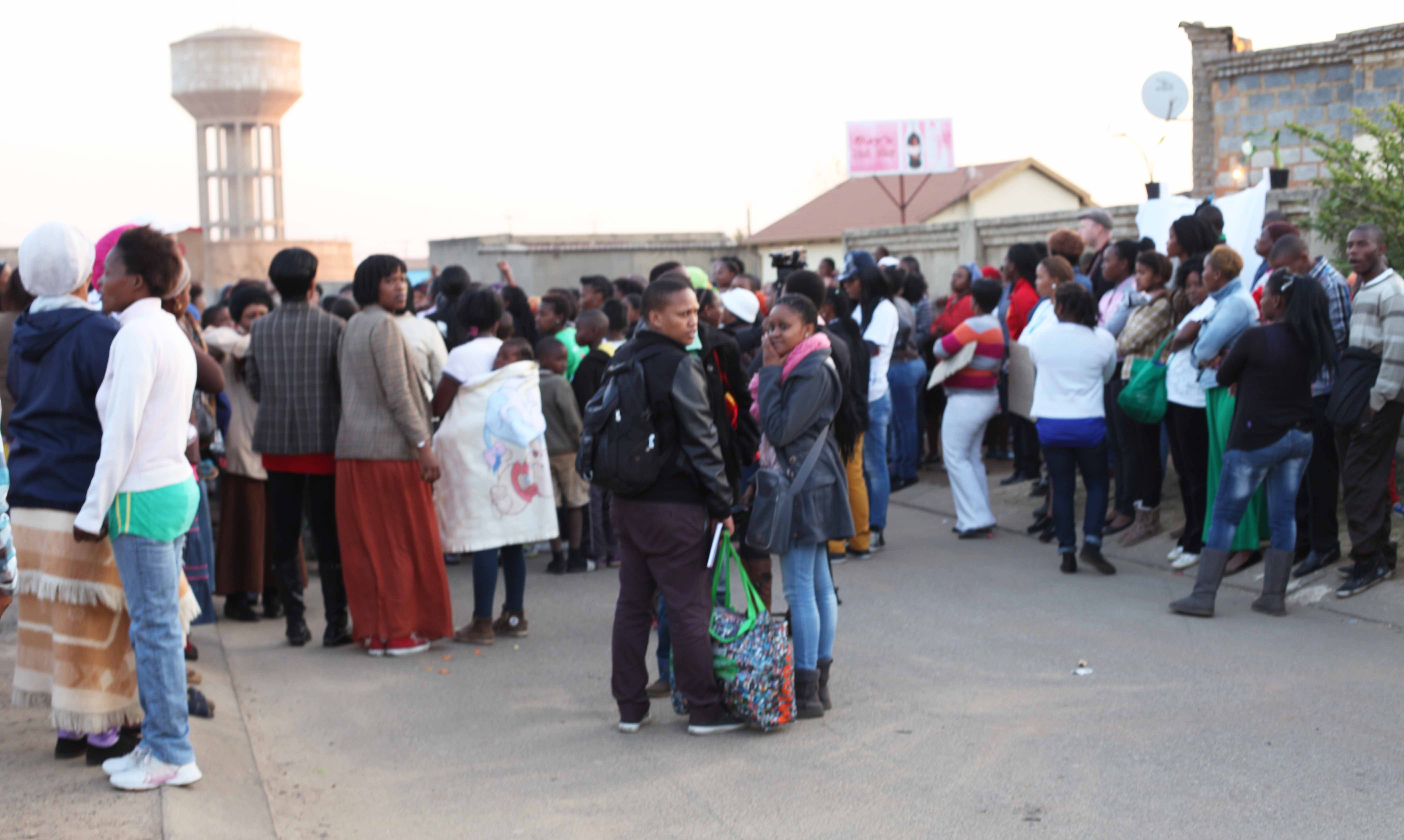
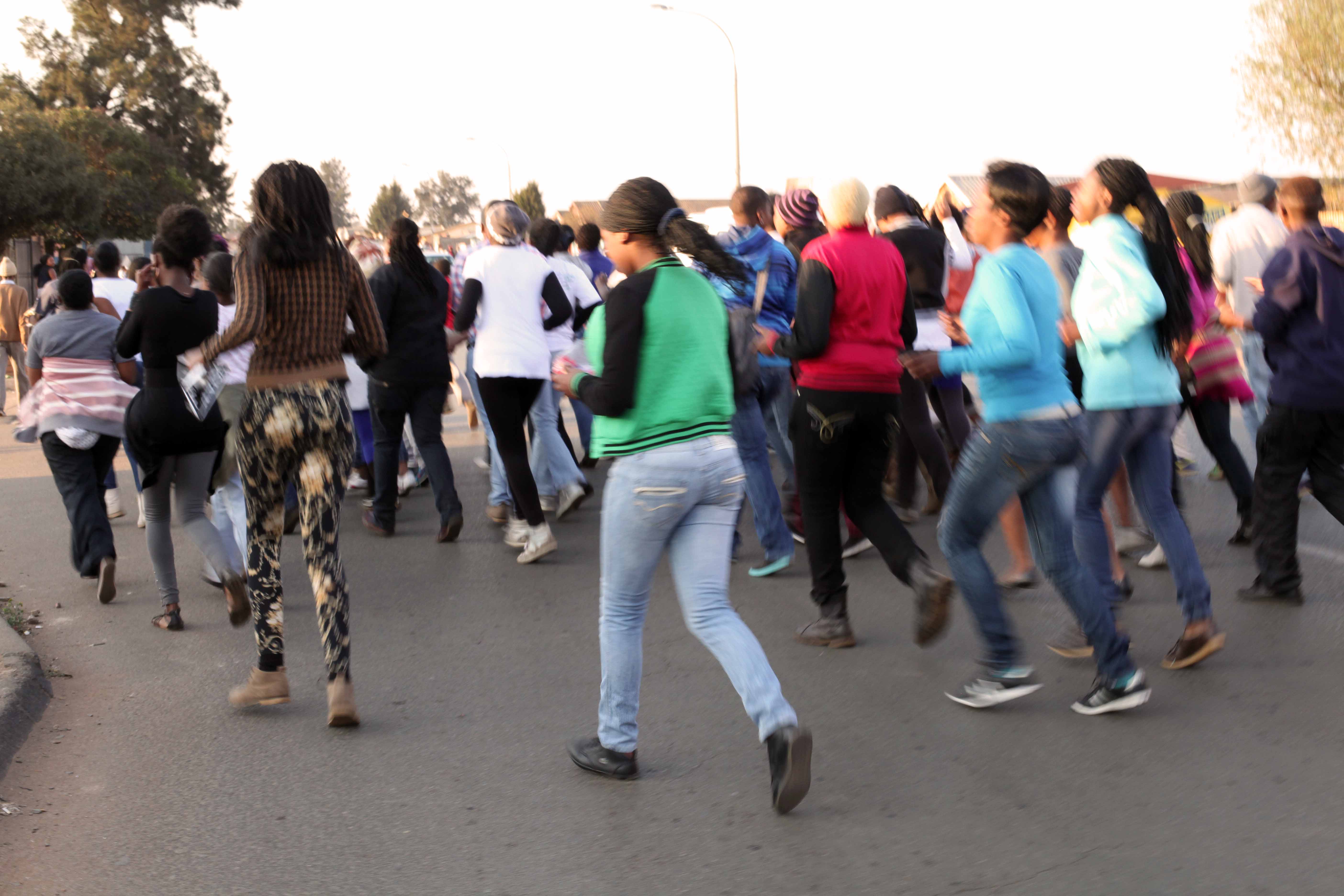
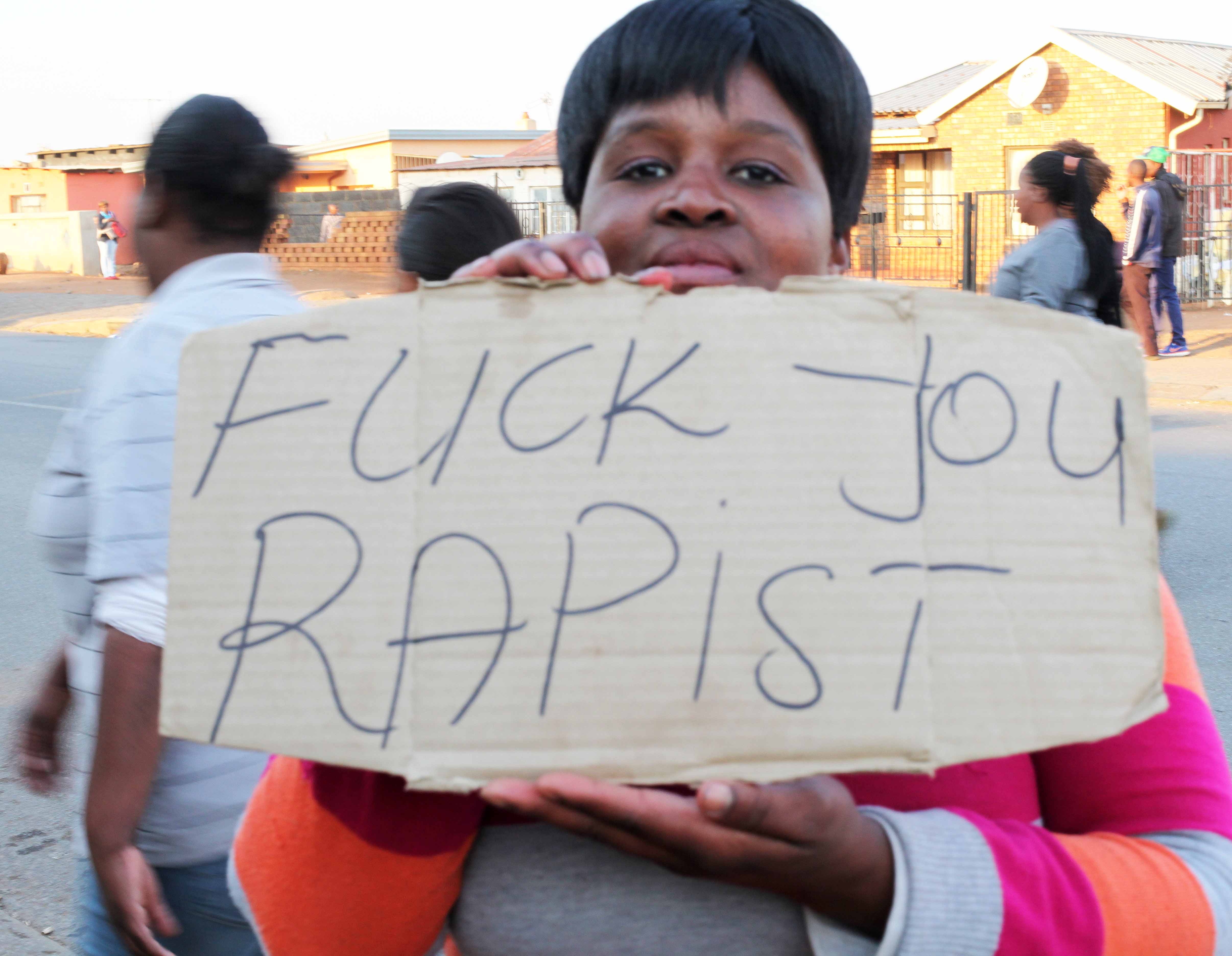
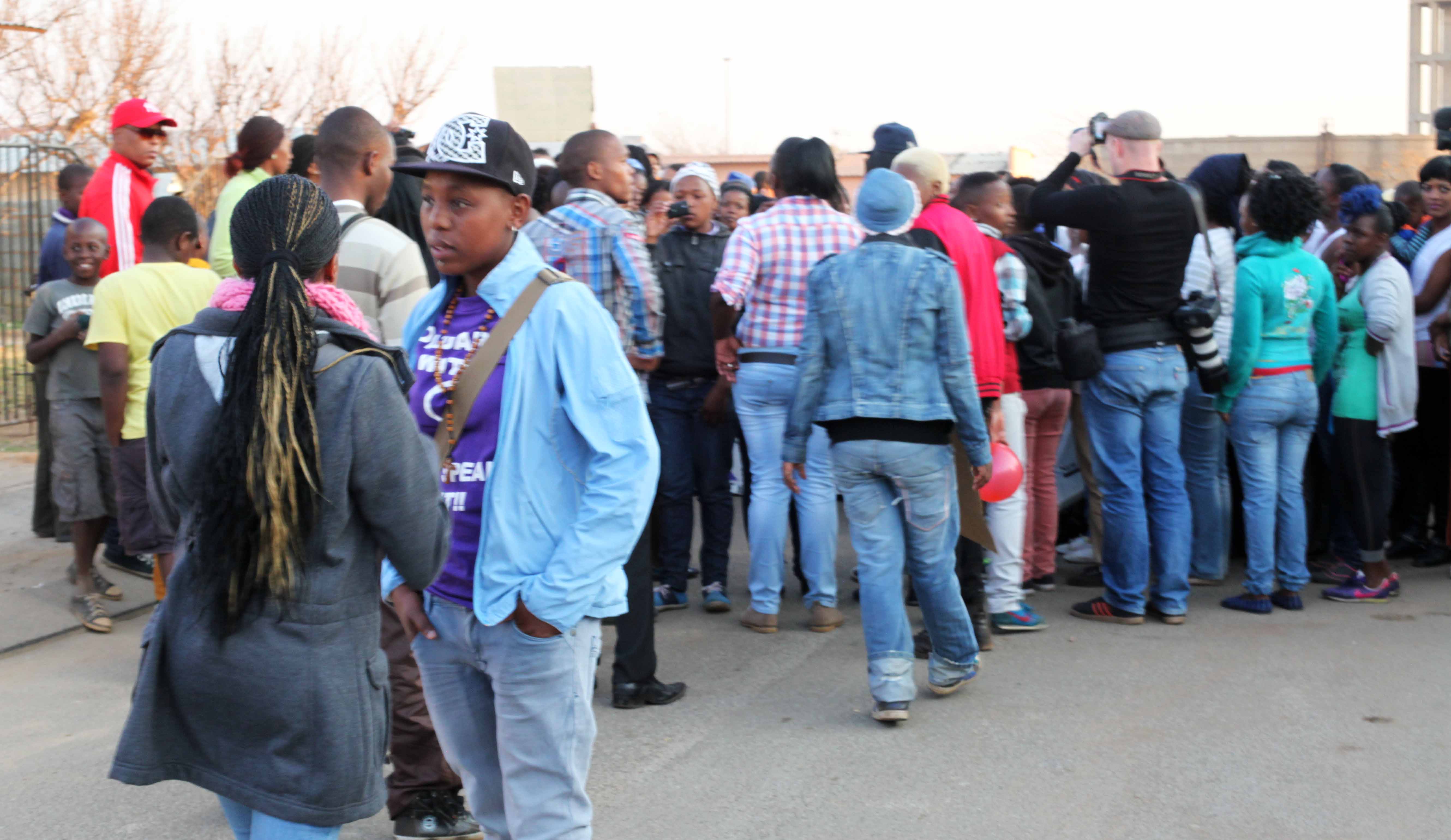
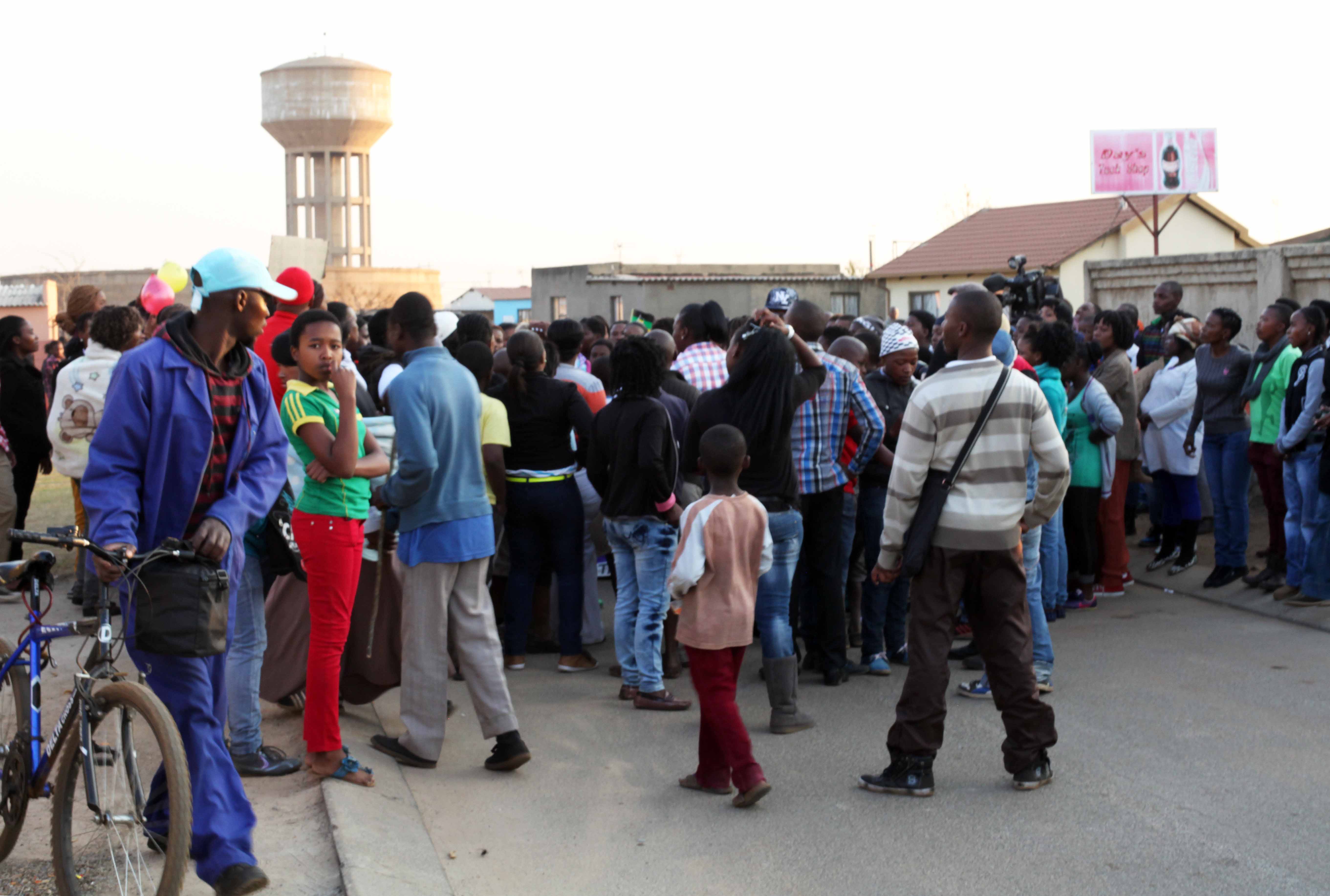
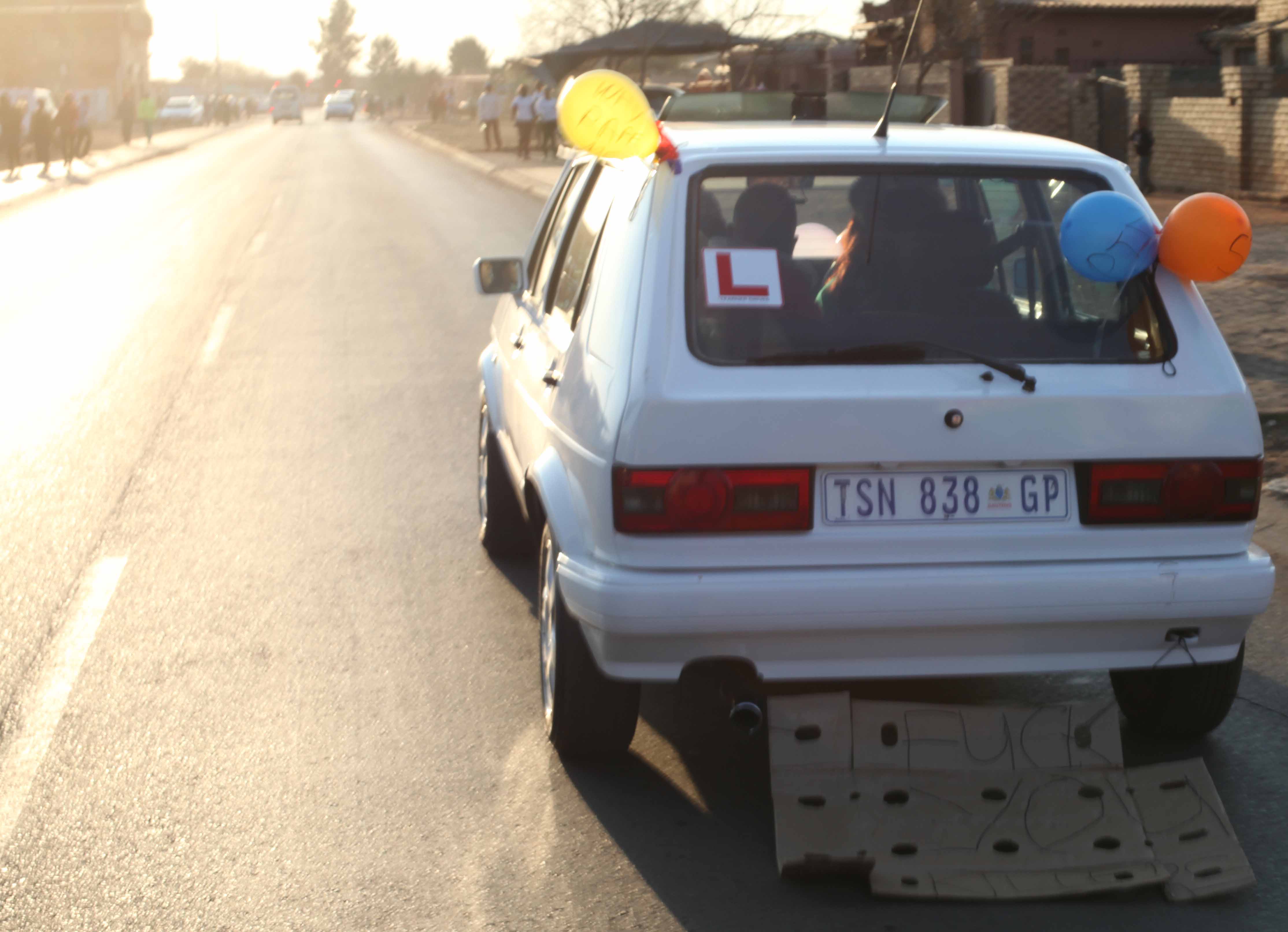
Ihawu members at the forefront of the march held on Thurs, 4th July 2013, streets of Thokoza.
Photos by Thekwane Bongi Mpisholo

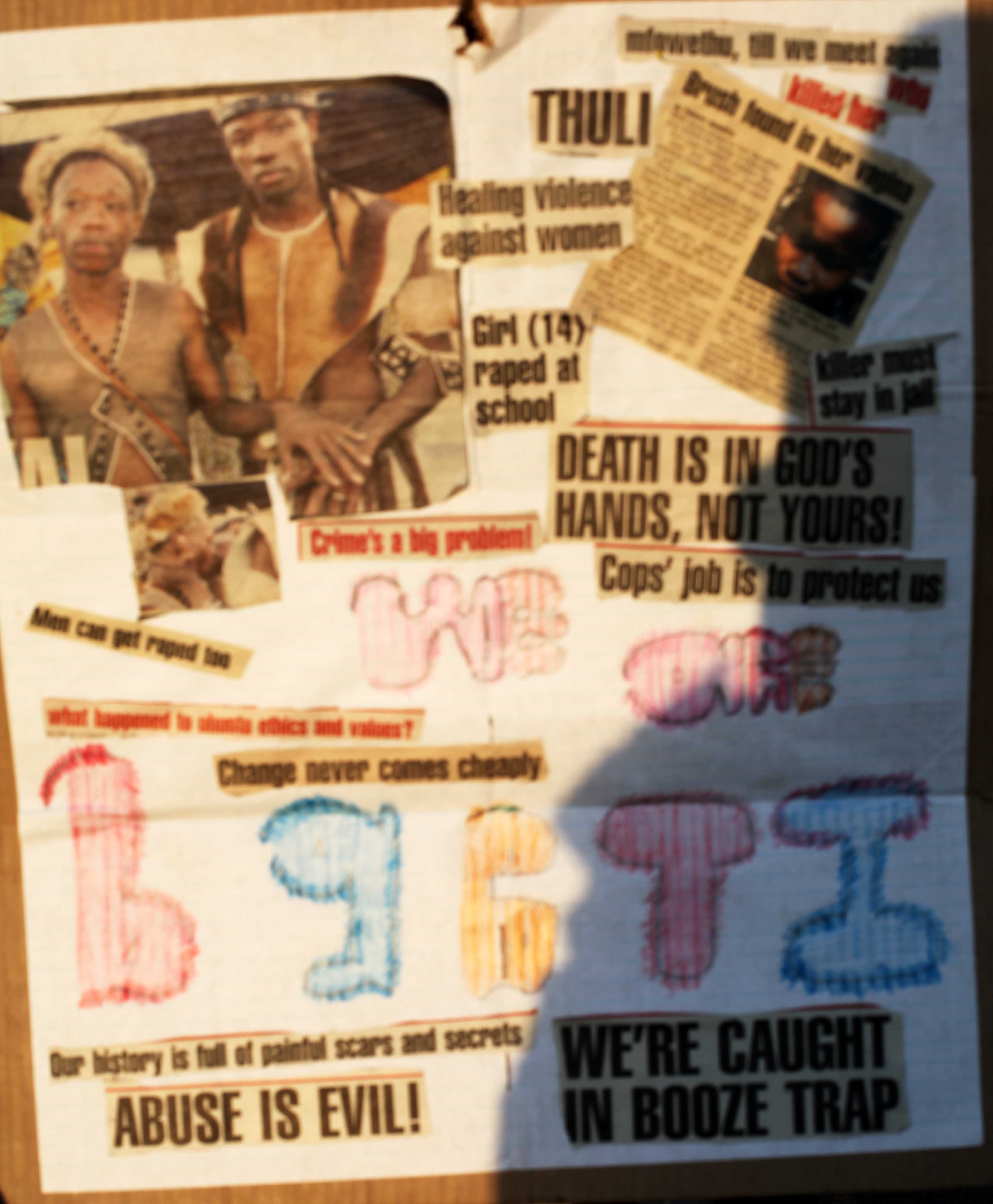
placcard_0626
placcard 2_0623
marchers_0655
marchers after memorial_0621
FR_0622
crowd_0636
crowd_0637

imoto_0608

Related links

2013 July 5: Continuous war on black lesbian bodies

and

2013 July 3: Another brutal murder of a lesbian

and

2013 July 3: Another fucked up case

Posted in Johannesburg, Our lives in the picture, Questioning, Victims, Violence, Visual history, We Are You, We Care, We Still Can with/out Resources, Youth voices | Tagged | 4 Comments

2013 July 5: Continuous war on black lesbian bodies

On the 4th July 2013 the black lesbian youth of Ekurhuleni  took charge of their community as they organized an illegal march on the street of Thokoza, to protest against the ongoing trend of lesbian killings in their community. The group of about 50 black lesbians began their protest in the area where the dead body of 20 year old Nokuthula Radebe’s was found in April 2011.

“This is the place where the first lesbian was killed here in Thokoza, we are gathered here to express our animosity towards this place”, said Sister A, who is member of Ihawu, a Lesbian organisation working in Kathorus (Katlehong, Thokoza and Vosloorus) when she addressed the hyped up group.

“We are marching in honour of our fallen lesbian sisters, for the spirit of Duduzile Zozo and Nokuthula Radebe.”

Earlier in the year, Ihawu together with Forum for the Empowerment of Women (FEW) commemorated the death of Nokuthula, and in her honour they requested the municipality to demolish the abandoned building as it is a sore point for Radebe’s family and the LGBTI community living in that area. However, their request fell on deaf ears as the building is still standing.

The march proceeded to where Duduzile Zozo’s dead body was found, a stone throw away from her home.

The group assembled outside the house where she was found and lit candles in honor of her spirit. The community came out in support of the march and memorial service. Members of the Thokoza Community Policing forum (CPF), Thokoza youth group and SANCO members.

“One death is too many”, said Kgathatso Kgosithata, member of Thokoza CPF. “As CPF we are working together with the police to make sure that the culprits are found and make sure that this doesn’t happen in our community anymore.”

Homophobic Ekurhuleni

Corrective rapes, beatings and murders are disturbingly common in conservative communities where homophobia remains deeply entrenched. Ekurhuleni has become a battleground for black lesbians.

Since the murder of Eudy Simelane in 2008, many cases of assault, rape and murder have been reported in Ekurhuleni alone.

To date five lesbians have been brutally murdered and several others assaulted and raped.

Jabu Sibisi a young lesbian from Thokoza said, “I fear for my life, I feel like I am the next victim, I can never be free again after this.”

“I am traumatized and angry, this is my second friend to be murdered, whatever that is happening in my community pains me, but it won’t stop me from being who I am. I am a proud lesbian and no one can change me”, said Fikile Mazibuko another lesbian from Thokoza.

The concerns echoed by the two young lesbians are the sentiments of many other lesbians from Ekurhuleni who came out in numbers to affirm the existence.

Tumi Mkhuma, a lesbian friend of the deceased and a  corrective rape survivor, expressed her outraged about her friend’s death. “I feel sad for my friend, the fact that she didn’t survive this pains me. As a rape survivor myself, I know what she went through and it is not a good place to be.”

In 2009, Mkhuma was dragged from a bar, beaten unconscious, and then raped in Katlehong. Luckily she survived but many did not.

Most of the cases have striking similarities in term of the manner they are carried out. All of the victims are reported as being last seen in a tavern leaving with male friends. It is also speculated that these murders are orchestrated by people who know the victims very well.

Mkhuma said she knows her rapist and where they live, and with Zozo’s case it is alleged that his male friends that she was last seen with having something to do with her murder.

However, one concerned mother and a representative form SANCO who lives nearby Zozo’s home blames the horrendous killing on alcohol and drugs.

Mam’ Puleng, chairperson of SANCO said, “these murders are stirred by drugs, Nyaope is the cause of this, our children have turned into monsters, their brains are dead because of nyaope.”

“These drugs are very dangerous and shouldn’t be taken lightly”, she said.

Lesbian murders in June

June is celebrated as the youth month in South Africa, a month where the brave youth of 1976 are remembered and celebrated. However, for the LGBTI community, June has become a month that members of this colorful, flamboyant communities are murdered for being open about their sexuality.

In 2012 June, three black lesbians, and a gay man under the age of 30 were brutally murdered in different places in South Africa.
Phumeza Nkolonzi, (22) was shot three times in front of her mother and niece in Nyanga on the 24 June 2012. It was reported that, “The gunman broke down the door and started firing at Nkolonzi without saying a word, leaving her family traumatised and confused.

Hendrietta Thapelo Morifi, (29) lived as an out lesbian in the village of Phola Park, Mokopane. She was killed on 29 June 2012 in her home with a braai fork inserted into her throat.

Sanna Supa, (28) was shot and killed while opening the gate to her house in Braam Fischer, Soweto on the 30 June 2012.

Thapelo Makutle, (24) on the 9 June 2012 was killed and mutilated in Seoding near Kuruman. His throat had been slit to the point of a virtual beheading, and part of his testicles and penis had allegedly been cut off and stuffed into his mouth.

The murders mentioned are just a fraction of the daunting statistics of LGBTI murders that happen almost every day across South Africa, a country known for embracing the gay rights.

Government breaking the silence

The government has come out in support of Zozo’s case, with Premier Nomvula Mokonyane condemning the murder and also calling on the South African citizens to be more tolerant.

Also, it seems like the case of Zozo has compelled the National Task Team into acting. The team had received a lot of criticism for their silence and lack of progress since its inception in May 2011.

“On Wednesday, senior officials from the Department of Justice and Constitutional Development (DoJ & CD) were sent to Thokoza to meet with local police to establish the progress made in the investigation”, reported Mambaonline.

“The officials were accompanied by members of civil society groups, including FEW, who form part of the task team mandated to develop an urgent intervention to combat crimes against LGBTI people.”

A task team was also established at the Thokoza police station, comprising of police officer, community policing forum members as well as members from the community to try and speed up the case as well as to review the case of Radebe which remains unsolved.

The murder of Zozo happened just a week after the President of United States (US), Barack Obama visited some countries in the African continent, especially South Africa.

Obama had received a lot of pressures from human rights organisations, urging him to address the state of homosexuality which is criminalised in 38 countries in Africa.

Obama was met with some negative responses when he tried addressing the issue in his visit to Senegal, one of the African countries that criminalises homosexuality.

Nonetheless, as the LGBTI community in South Africa, we wonder what difference would it had made if Obama and Jacob Zuma discussed the hate crime situation towards homosexuals in South Africa when they met.

Would it have made a difference in the lives of gay people?
Or maybe shifted the mind sets of traditionalist and homophobes who believe that being gay is wrong, un-African and it should and can be fixed.

Previous by Lesego

2013 July 3: Another brutal murder of a lesbian

Related article

2013 July 3: Another fucked up case

Posted in Black Lesbians & Allies Against Hate Crimes, Community Mobilizing, Creating awareness, Homosexuality, Johannesburg, Networking | Tagged , , , , , , , , , , , , , , , , , , , , , , , , , , , , , , , | 4 Comments

2013 July 4: Statistically speaking

by Lerato Dumse

Looking at statistics, it seems like I’m more likely to become a hate/crime victim than get a job.

According to the results from the 2011 census, conducted by Statistics South Africa (Stats SA), the country experienced a population growth.

The population increased to 51.77 million people and under 40’s made up the bulk of the spurt.

While the population is on the rise and middle aged citizens increasing, there is also a troubling statistic that is equally on the rise.

Unemployment for black women, who make up the majority of the population, stands at 41% and that means chances of finding employment are pretty bleak.

As a black female graduate searching for employment, I have a lot at stake.

Not only am I a black woman but I am also an openly gay black woman looking for employment.

While employers are not allowed to discriminate, I run a higher risk of a potential employer discriminating against me for being lesbian.

I have questions but no one to pose them to..

I want to go up to some ‘expert’ and ask them where I can find these elusive employment opportunities.

I would want to know why are they not available to black females? I would also want to know why they are not available to a black female who is openly gay.

Could it be an issue of class or that of race? What is so wrong with black women, is it lack of skills or just continued prejudice inherited from the past?

My thoughts fall on Affirmative Action which is often criticized for “putting white people at a disadvantage and allowing reverse apartheid”. From where I’m standing, the wheels of apartheid are far from reversing; but continue to move forward comfortably and unchallenged.

Statistics show my employment opportunity is a frustrating 28%. Most companies advertising on the classifieds say they promote equal employment opportunities and encourage black women to apply as dictated by the Employment Equity Act. I start to wonder if this is not just a smoke screen.

A fellow KwaThema resident who was openly lesbian the late, Eudy Simelane, defied the employment odds and was due to start a new job. That day never came as she was murdered less than 48 hours before her first day at work. Apart from playing soccer and representing the national women’s team Banyana Banyana, as well as volunteering to work with HIV positive people, she volunteered as a soccer coach and referee. The job at a law firm had a monthly salary, a first for the then 31 year old.

Despite these challenges and the grim picture painted about me as a black lesbian woman, I refuse to be deterred from my plan of one day earning and being able to care for my family.

Entrepreneurship and self-employment sound like practical solutions to this challenge.

Being in the media industry I understand that content production is a vital asset. I also understand that without resources and equipment, “content production” is just a word.

During the Out In Africa film festival, I watched the story of the “abused black lesbian” continue to be told from the eyes of an outsider, telling the story from their perspective.

Speaking in English, the Xhosa “hate crime” survivor couldn’t even express her story properly. It was uncomfortable listening and trying to make out what she’s saying. Our stories in the hands of outsiders will always be “portrayed” rather than be told. Daunting question I’m left with is, ‘Where are our own black LGBT entrepreneurs/ tender-preneurs who’ll offer us jobs without judging our race, class, sexuality and gender expression?’ Where can we get resources and produce films and documentaries that will speak to us as insiders than to have people who are careless about our lives re-late our realities when we are left poor, down and out in our townships. As a black lesbian, I refuse to be a statistic.

I want to use my connections in the media industry and create for myself as well as other black lesbian women.
I have to take a chip at that unemployment statistic.

Sometimes it is incumbent upon us, although scary, to take the bull by the horns and do the unthinkable – create our own opportunities.


Previous by Lerato

2013 June 30: When Women’s private parts have no Privacy

and

Faeces thrown at Helen Zille’s bus

and

Cape Town’s botched toilet contract

and

Police hauled before court in Makhaza toilet saga

and

Makhaza toilet protestors absent from court

and

City of Cape Town loses open-toilet battle


Previous by Lerato Dumse

2013 June 24: @ 25 revisited two months later

and

2013 May 17: One sided fight against Homophobia and Transphobia

and

2013 June 1: Zandile’s 21st birthday photos

and

2013 May 6: Archiving Noxolo Nogwaza’s funeral

and

2013 March 28: Feather Awards (re)viewed

and

2011 May 13:  Kwa-Thema Praying for homophobic victims.

and

2011 May 3:  Black Easters for black lesbian community

Posted in Expression, We Are You, Writing is a Right, Youth voices | Tagged , , , , , , , | 2 Comments

2013 June 30: On Amnesty report

by Lesego Tlhwale

Amnesty International on the 25 of June 2013 launched a report highlighting violence, homophobia and laws targeting LGBTI people in Sub Saharan Africa. The new report entitled ‘Making Love a Crime: Criminalisation of Same-Sex conduct in Sub Saharan Africa’ is one of many reports compiled by Amnesty International; however, it is their first that focuses on LGBTI violations in Africa.   Such reports, although  compiled and published, are inaccessible to communities where the research was conducted. Even at launches of such reports, the subjects used are hardly ever invited.

The launched report provides an analysis of the legal environment and wider context of human rights violations against LGBTI individuals in sub-Saharan Africa, with particular focus on Kenya, Uganda, Cameroon and South Africa.    The report paints a vivid picture of the violence experience by black lesbians in South African township.

“Taunts, insults and threats are a constant reality and are in fact so common that many LGBTI people do not even recognize them as a form of violence. Sexual assault and other physical attacks against LGBTI people are also all too common. Lesbians, and LGBTI people who do not conform to culturally approved models of femininity and masculinity live in fear of being assaulted, raped and murdered by men.”

However, the report by amnesty international isn’t the first report on gross violations of LGBTI’s in South Africa. In 2011 a similar report was published by Human Right Watch (HRW) entitled ‘We’ll Show You You’re a Woman: Violence and Discrimination Against Black Lesbians and Transgender Men.’

“Human Rights Watch found that lesbians and transgender men face extensive discrimination and violence in their daily lives, both from private individuals and government officials. The abusers of people known or assumed to be lesbian, bisexual, or transgender act with near-total impunity, Human Rights Watch found.”

Both reports have documented the increasingly high number of rapes and murders of LGBTI people in South Africa, in particular lesbians.   As important as these reports are in making sure that such issues are brought into the open and exposes the truth about a country thought to be a haven for homosexuals, much still needs to be done in the grassroots to make sure that the victims are protected and given the opportunity get out of those situations.

A lot of black lesbians are only used as subjects in a research study and rarely given the skill set and opportunity to be researchers. Working with black lesbian communities should not end at compiling reports about their lives, intergenerational skills transfer should also be the basis of collaboration.

Amnesty International over the past few months have partnered with Ekhuruleni Pride Organising Committee (EPOC) in making sure that the case of Noxolo Nogwaza, a 24 year old lesbian activist who was brutally murdered in Kwa-Thema two years ago, is investigated and perpetrators brought to book.

According to Bontle Khalo of EPOC, “Amnesty International has been campaigning to ensure that Noxolo’s murder is investigated thoroughly and effectively, so that those found to be responsible may be brought to justice.”

Furthermore, Amnesty International has been running a campaign locally and internationally calling for Justice for Noxolo. These campaigns have been running since May 2012, and they have targeted local and provincial police authorities, as well as the Gauteng Premier.

In recent developments of the campaign, Amnesty International has been lobbying for legislation to combat hate crime, legislations that would compel the police to compile statistics of lesbian and gay murders and rapes.

“Hate-crime laws would improve the policing and judicial response to such crimes and help develop effective mechanisms to monitor such crimes”, stated the report.

The lobbying for legislation by Amnesty International isn’t far off from the tasks planned by the LGBTI National Task Team which was formed in May 2011 to address gender- and sexual orientation-based violence against LGBTI persons in South Africa.

The task team committee recently released a statement outlining that, “one of the principal goals of the Task Team is to support and to help shape the government’s approach to combating hate crimes against LGBTI people (including policy and legislation).”

Both Amnesty International  which is part of collective calling themselves;  the Hate Crimes Working Group Steering Committee and the LGBTI National Task Team are fighting the same course from different directions, which would make one wonder why these two bodies aren’t working together to combat hate crimes.  There should be more inclusion and collaboration with the subjects, if these reports are to have a meaningful dent.


Follow up article

2013 July 3: Another brutal murder of a lesbian

and

Previous articles by Lesego

2013 June 20 Inkanyiso Sees The Rainbows with Norwegians

and

2013 June 5: Lesego sharing the work of Inkanyiso at the LGBT conference in Salzburg, AUSTRIA

and

2013 May 18: After Mask … Hear Us Out

and
2013 May 15: SA Task Team representatives fail the LGBTI community

and

2013 April 28: Bleak freedom for black lesbians in South Africa


and

2013 April 12: Bros B4 Ho’s at the OIA film festival opening


and

2013 March 24: Recognition of LGBTI Activist should be a culture

and

2013 March 16: Dangerous love


and

2013 Feb. 12: A dildo is not a man; it’s a fantastic toy…


and

2013 Mar.1: Definitely NOT “Gaysbian”

Posted in Amnesty International on Inkanyiso, Another Approach Is Possible, Black Lesbians, Black Lesbians & Allies Against Hate Crimes, Community, Community Mobilizing, Creating awareness, Forum for the Empowerment of Women (FEW), Hate Crimes, Homosexuality, Inkanyiso media, Johannesburg, Networking, Power of the Voice, Relationships, South Africa, Uncategorized, Visualizing public spaces | Tagged , , | 1 Comment

2013 July 3: Another fucked up case

A planned murder
PG 18SNLV

by Andiswa Dlamini

Tell me how can I celebrate my Pride?
How can I march?
How can I celebrate same sex marriages?
How can I love?
How can I be happy about liberal laws that support sexual diversity? 

You deserved it
You deserved to die
because I died 3 times when I got pinned to the ground
the first time I didn’t even get to see the light because
my life became a different shade of darkness

the second time, I wondered who muted the world because
the only sound I could hear was me screaming out and no-body heard
my cry and your groans
no moans
no-body heard
my pain, your pleasure
my nails didn’t dig into your skin as I sign to proceed

I was hoping they would turn into knives so that they could carve into your skin
So I could cut into your flesh and cut the arteries, watch the blood seep out
Watch you gasp for me to help you and no-body would hear
Your pain, my pleasure
No-body would hear
Your cry and my breathing heavily
Because I just killed one
I did a great service to the world
Helped them get rid of a narrow minded prick
who thought he would get away with it for the third time
Well this time
I came prepared didn’t I?
No-longer your fucking victim and I will state that in the police statement
When they find me laying in your pool of your blood
because there’s no point in running now

I’ve already died
Hands behind my back, I’m handcuffed sitting in the back of the van
Hoping that you don’t pull a stunt and wake up
Because I’m tired of you being hard and me, forced to being open
I jump out of the van
I already know my surroundings because I’ve been here before
As a victim and these uniformed men laughed
Whispering to each other to listen to all three stories
They kept asking me what I was raped for
Well now, they can ask me what I killed him for
and I shall tell them
I shall tell them
That he killed me
The day he decided to rip my seams
Unzip my jeans and start off loading his masculinity on me
I’ll tell them that he killed me

When my cry became his beautiful melody
and my body his punching bag
When my blood seeped out it was his amazing reward
and he let me walk the streets
Got frustrated when he realised that I didn’t stand corrected
I carried on living the life that I knew filled me with love

So again he killed me
When decided to rip my seams
Unzip my jeans and start off loading his frustrations on me
and this time he didn’t stop
I even know the size of his fist when it locks
I know the weight of his body when it’s on top of me
I know the second he’s about to release words that will insult me
He commented on my mother this time
He said she should have raised me better
And I cried harder, much louder than before

I died slower
As he tortured me inside
I know where he sweats the most because
when I struggled to get myself out
My hands kept slipping, failing me
My hands failed me
And I failed to say no, because
I had that fucking painful lump in my throat
that wouldn’t allow me to speak instead I could only kick and scream

He left me unconscious
As I prayed for him to kill me
When I could finally speak I asked of him to kill me
Because surely this was not the life I was supposed to live
This could not be part of my life routine
I can’t breath
And then the next time he saw me
The third time is always a charm he said

So once again he killed me and I died this time
When he decided to rip my seams
Unzip my jeans and start off loading his shit on me
But this time
I came prepared forgot about my nails becoming knives because that could never be
So this time I came with my own weapon
I stabbed the side of neck while he was on top of me
I couldn’t cry because I had a plan
And I had to focus now
I cut off his dick and shoved it into his mouth
Tied his hands down and I watched him chock when he died

And I didn’t smile because I was still dead inside
I did not feel free knowing that someone like me is screaming to be heard
This was the only way that I could protect myself
But why didn’t you wait for the cops they asked
And I said
’cause I was silenced by your laughs
Tormented by your questions
And it took you too long the first time and the second time
So the third time I decided to take matters in my own hands
And save my own life
And now I’m sitting behind bars at peace
Even though my life has ended because I ended his
And that’s a relief (sigh)
Because he will never kill me again


© 07/2013

  Previous by Andiswa

2013 June 4: emotional confusion of a break-up

and

2013 May 16: Sex

and

2013 May 3: I resent you

and

2013 Feb. 10: Parts

Posted in Crea(c)tive senses, Creative Writing, Gender naming, Homosexuality, Inkanyiso media, Johannesburg, murdered, Our lives in the picture, Queer visibility, Questioning, South Africa, We Are You, We Care, We Still Can with/out Resources, Writing is a Right, Youth voices | Tagged , , , , , | 28 Comments